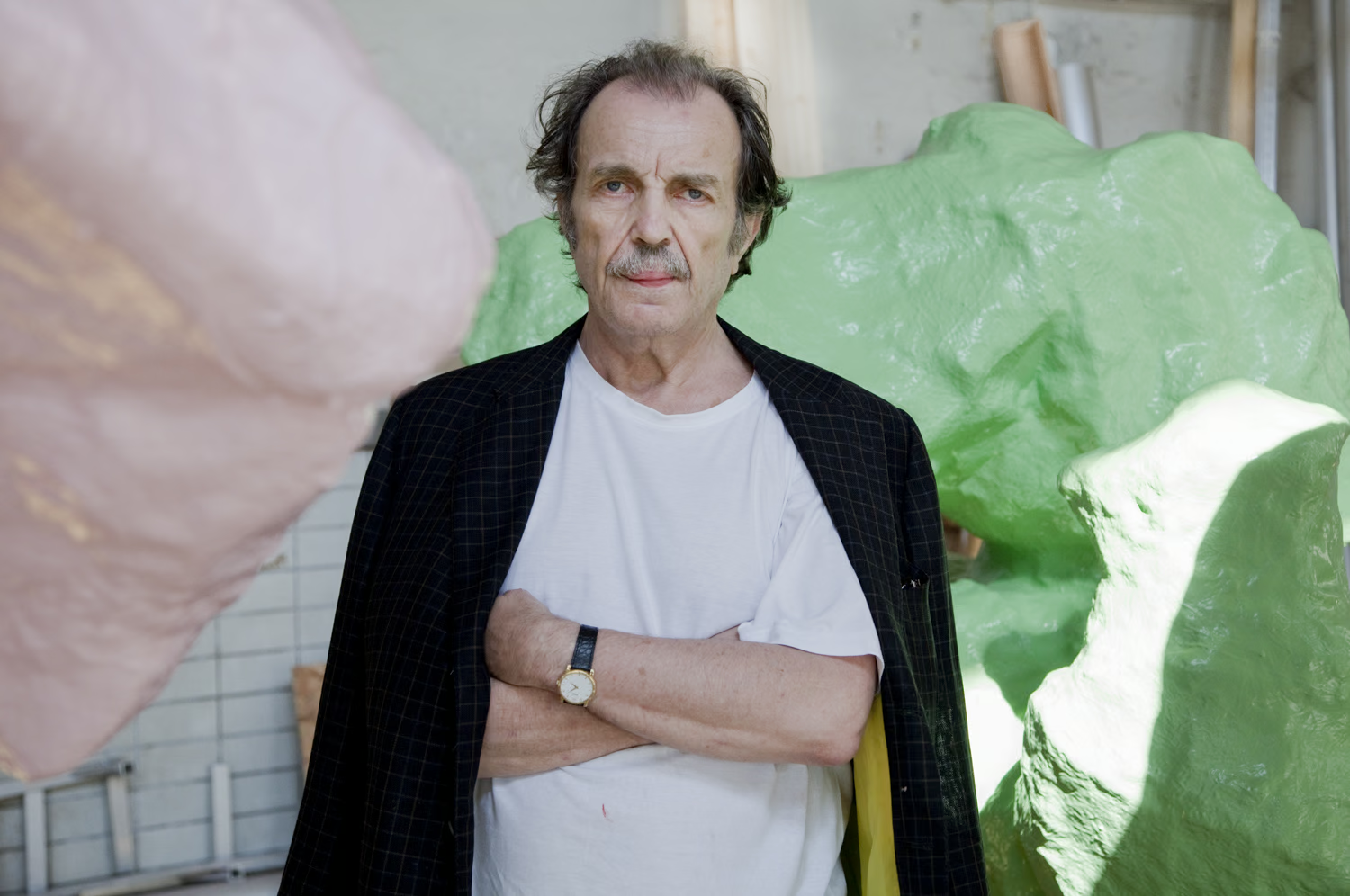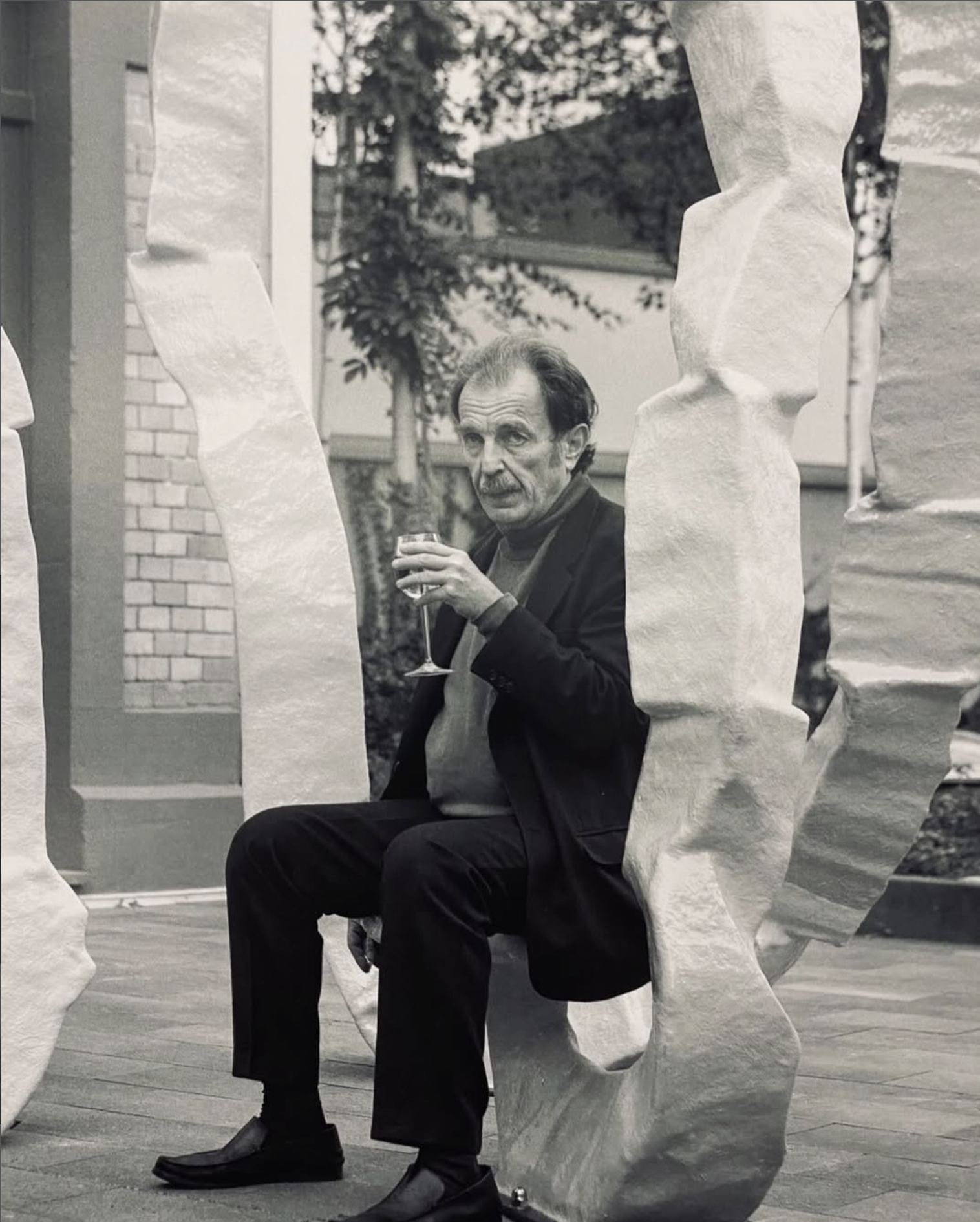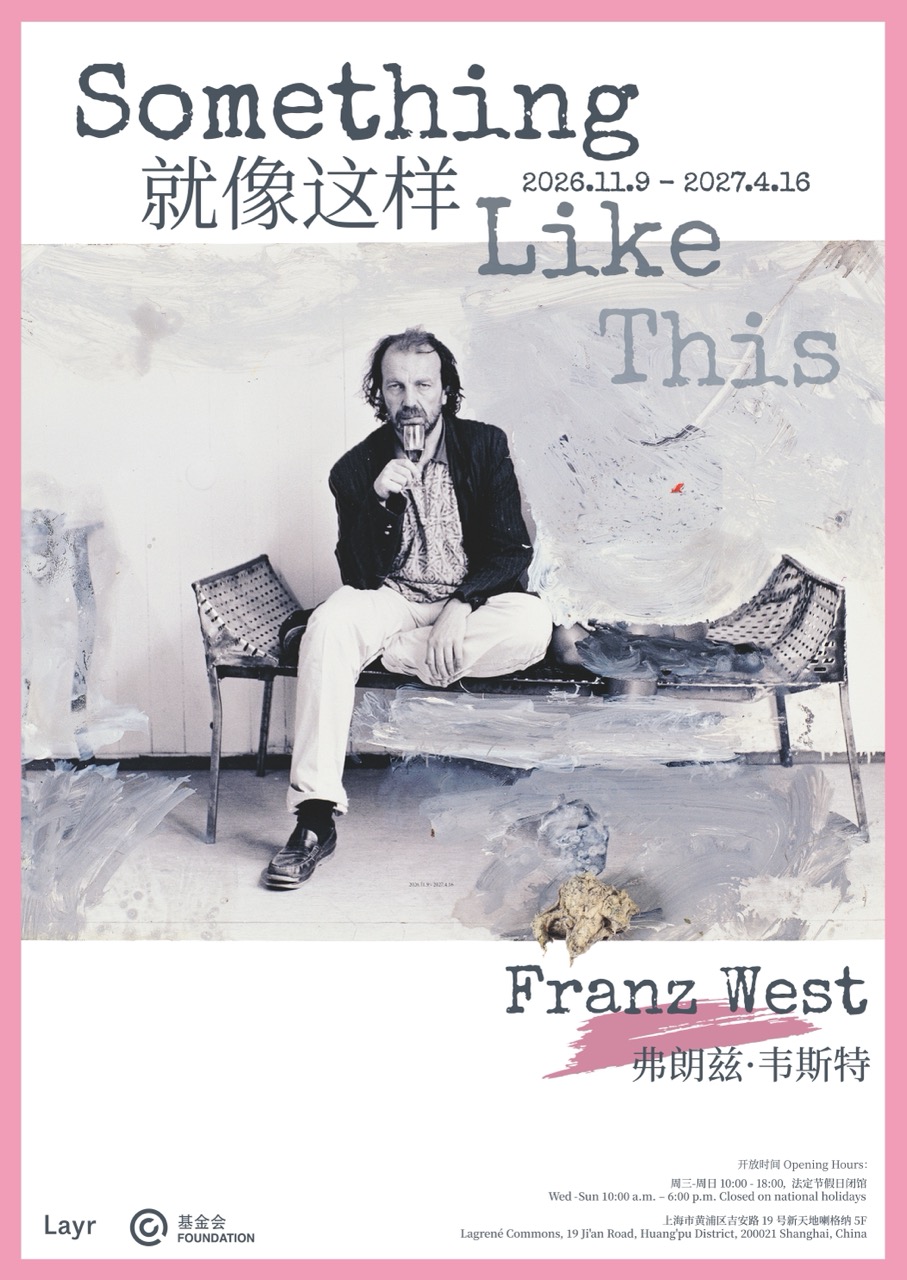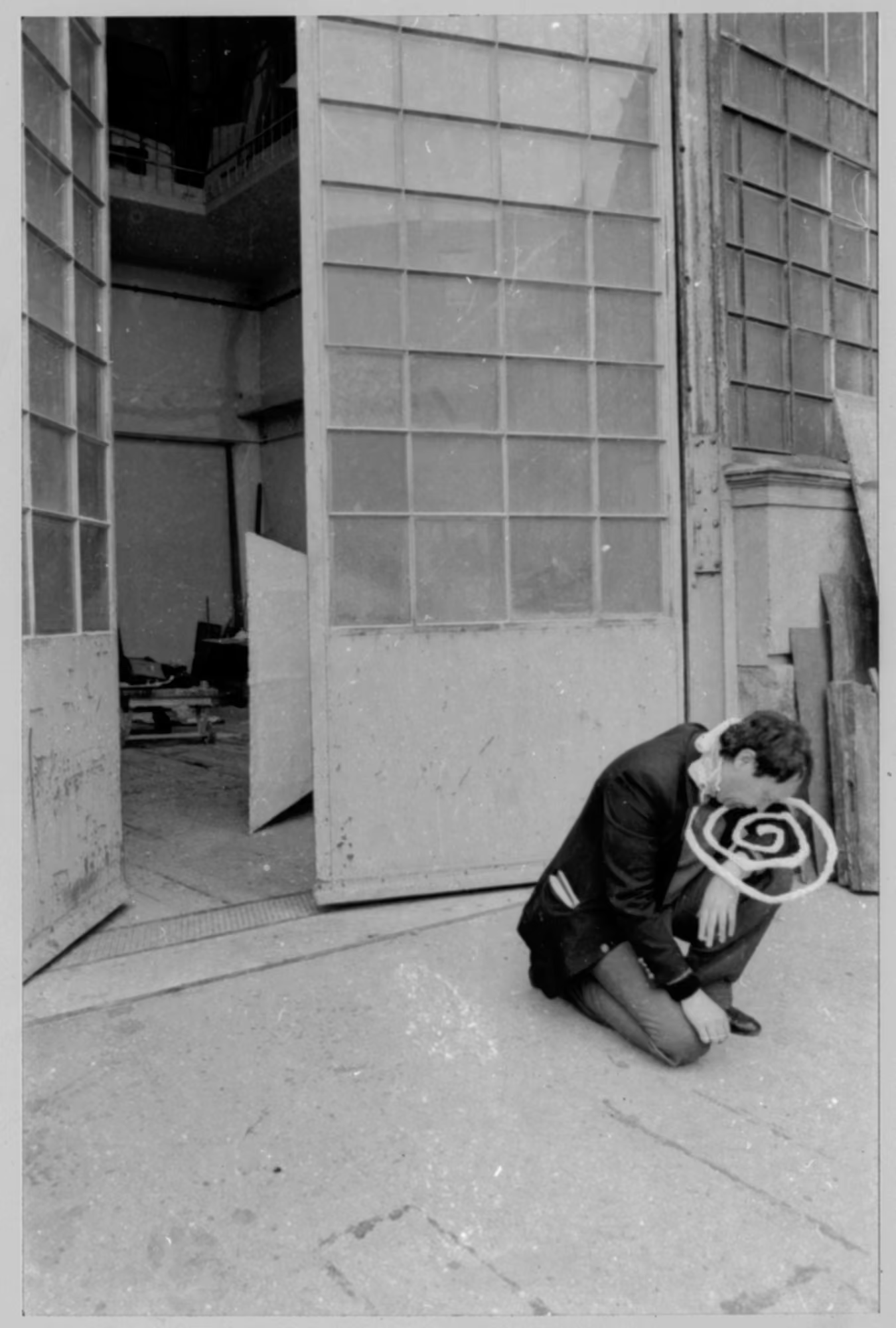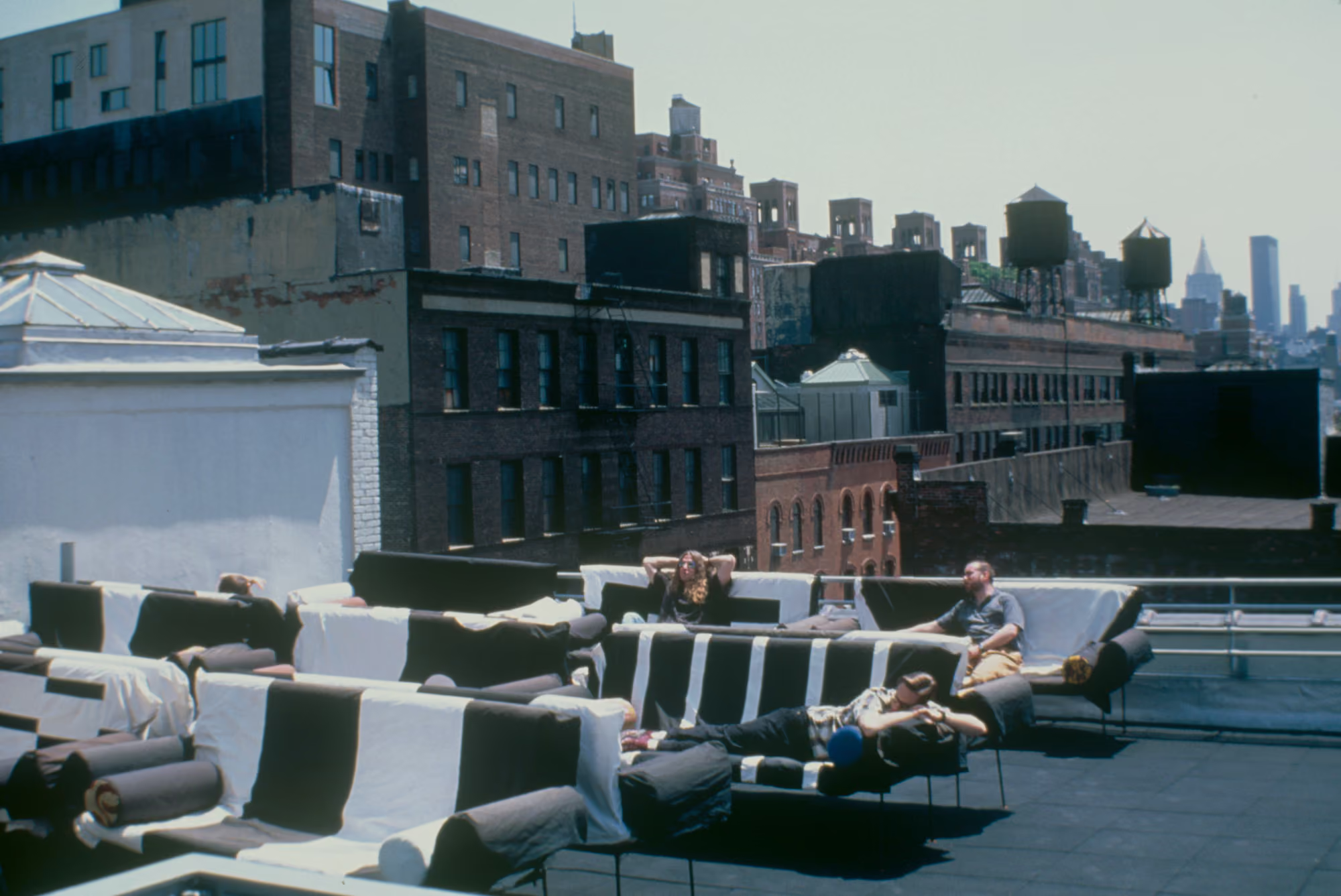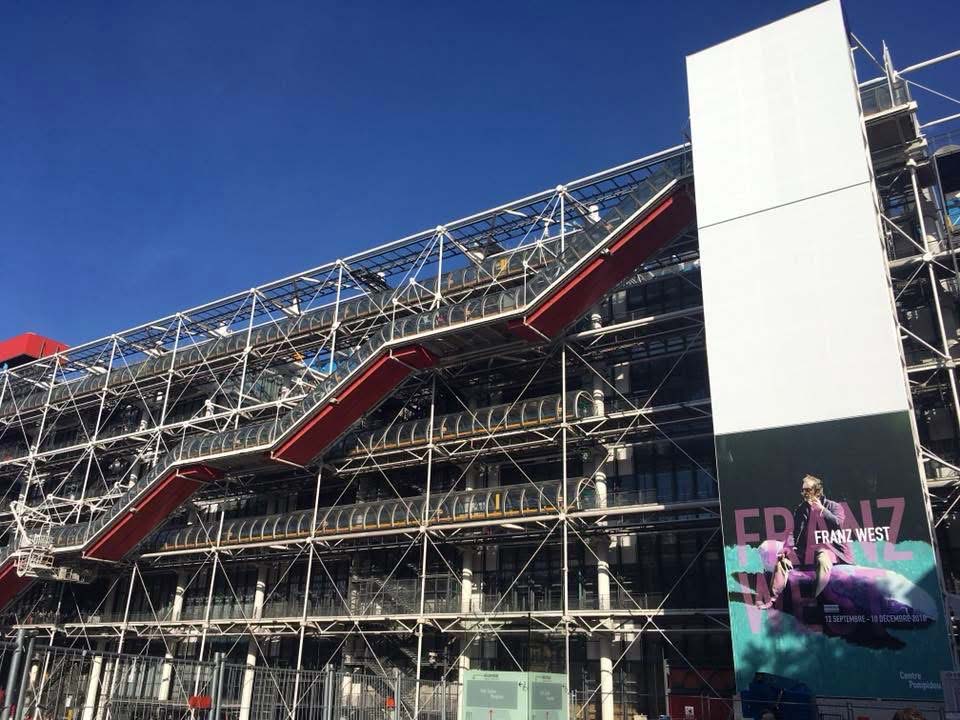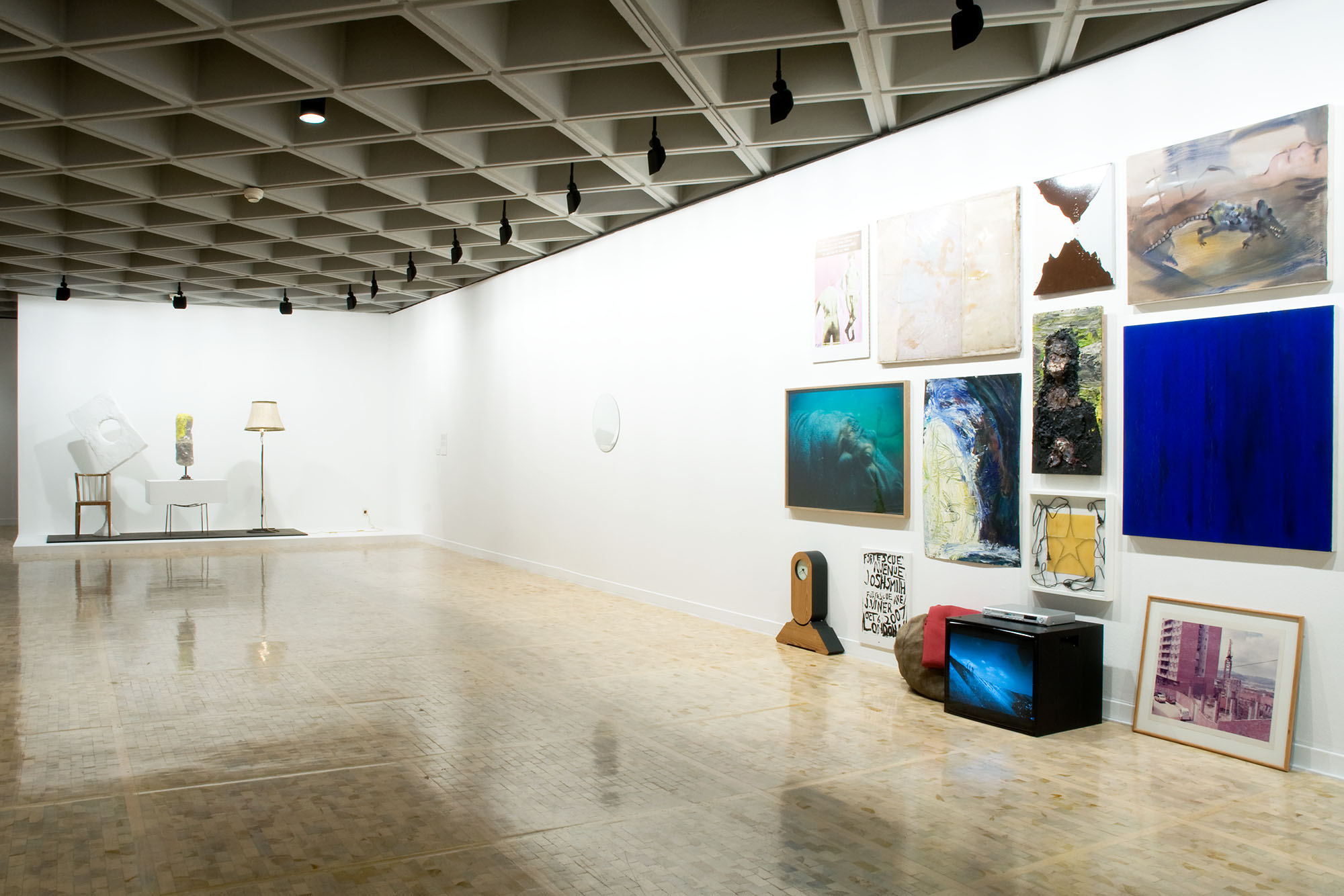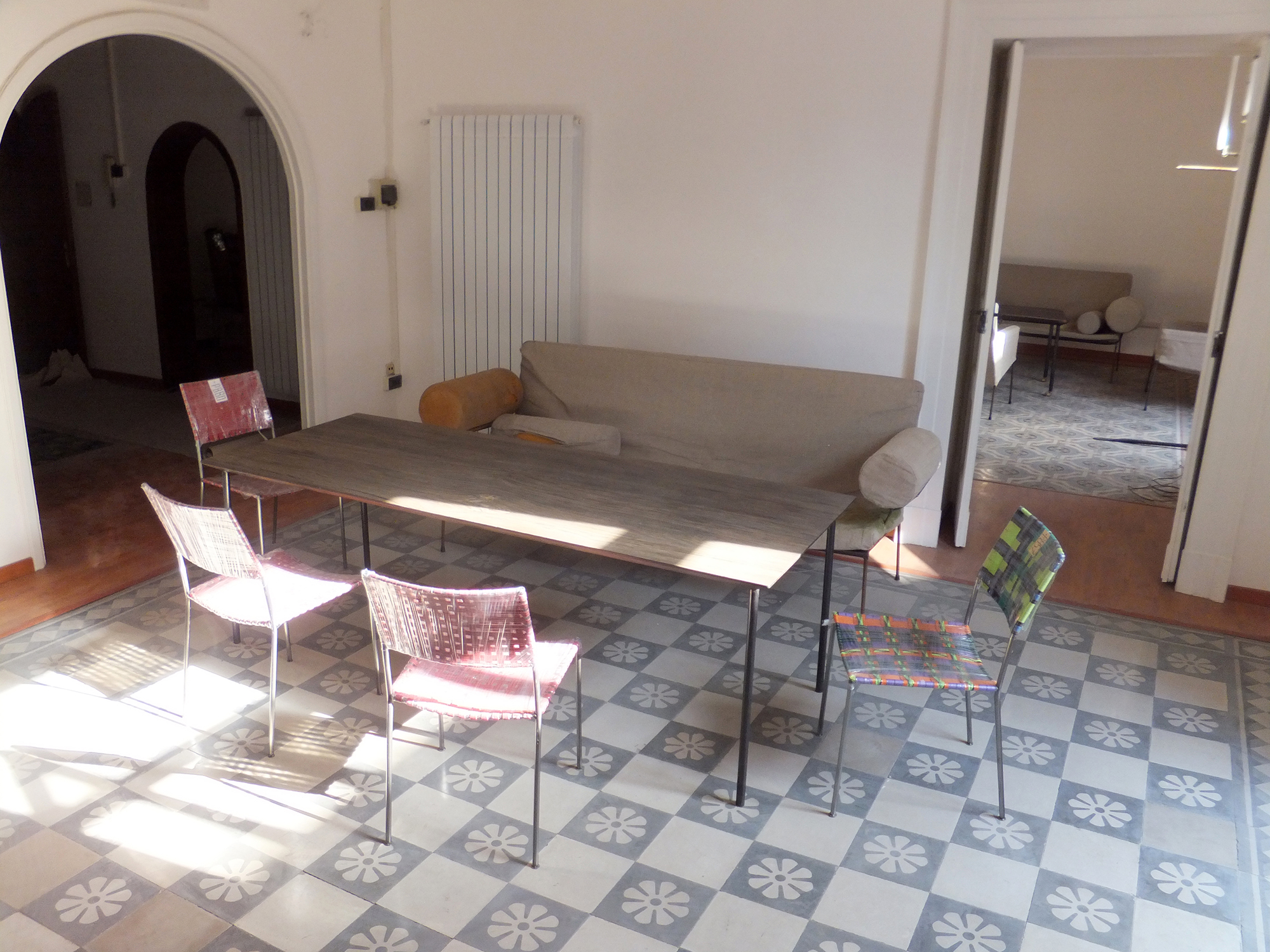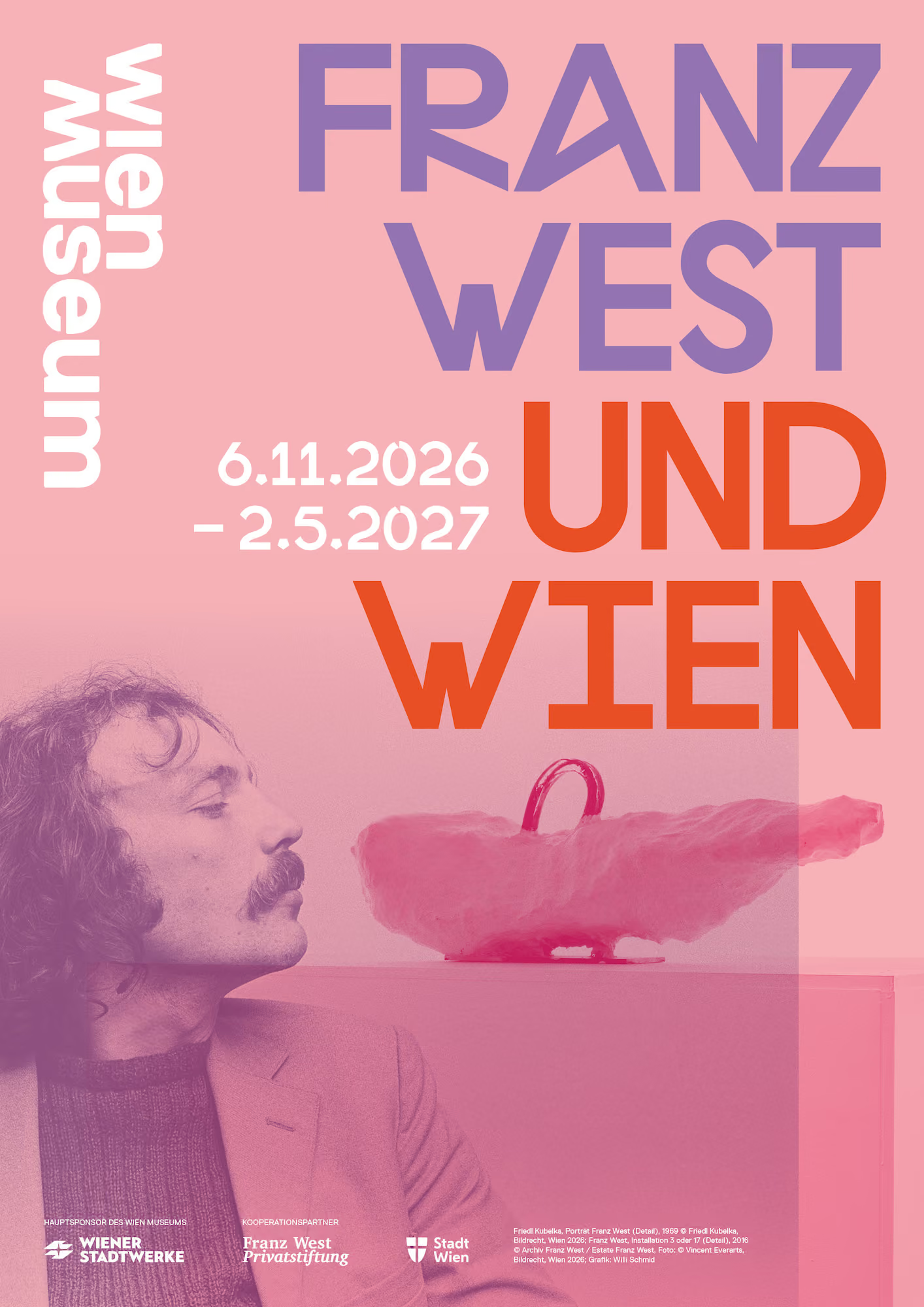
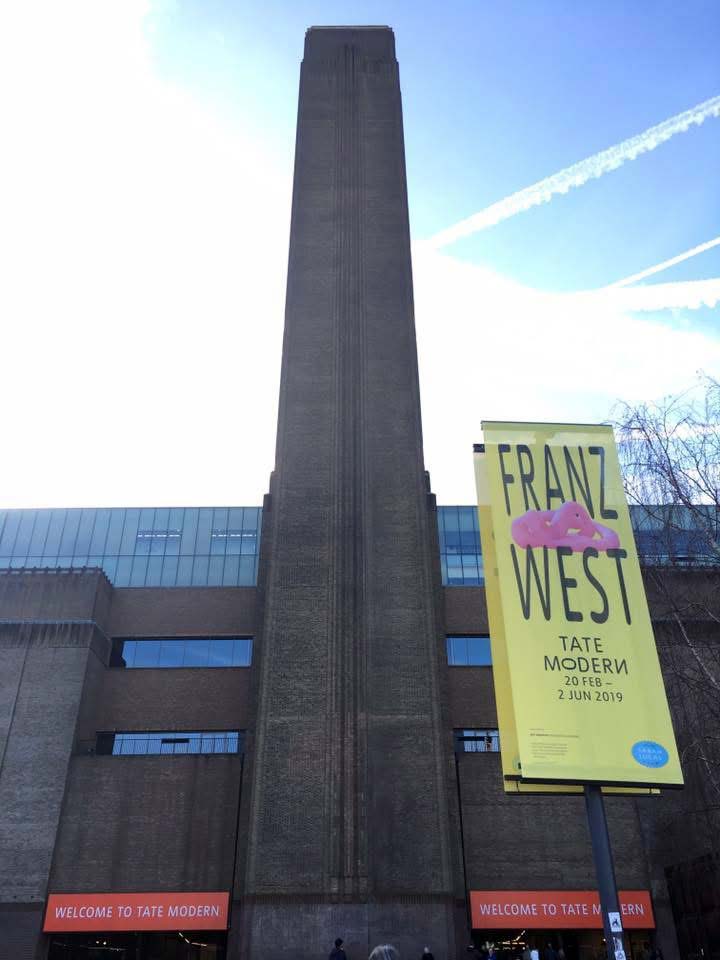
The Albertina Modern and the Wien Museum are dedicating two solo exhibitions to the artist, who would have turned eighty on February 16, 2027, both of which will open simultaneously. At the same time, the Atelier Franz West in Vienna’s 3rd district will open its doors, showcasing artworks by West and his contemporaries that the artist had arranged in his kitchen. This same kitchen served as the model for the so-called "Extroversion" parapavilion, which was installed at the 2011 Venice Biennale.
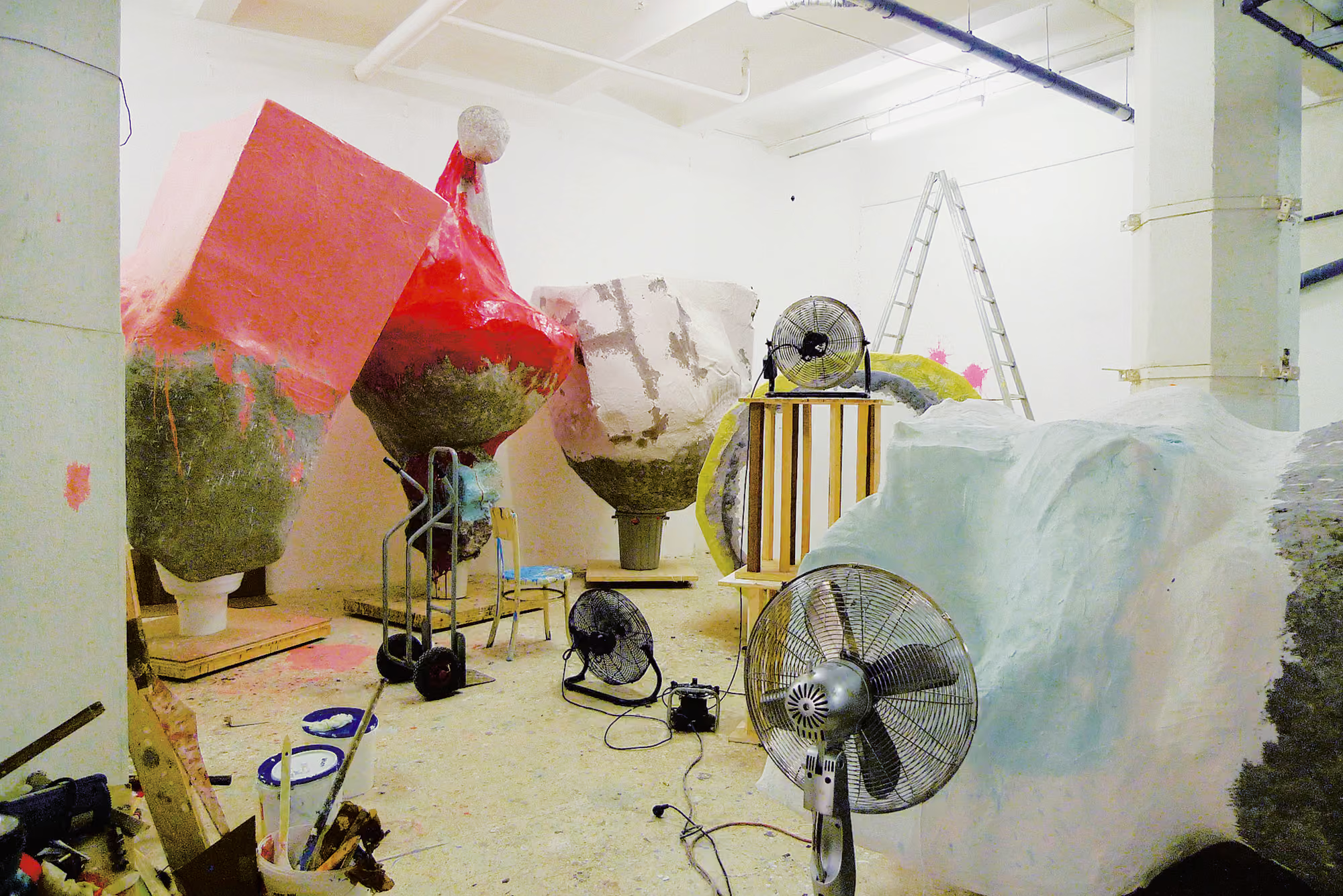
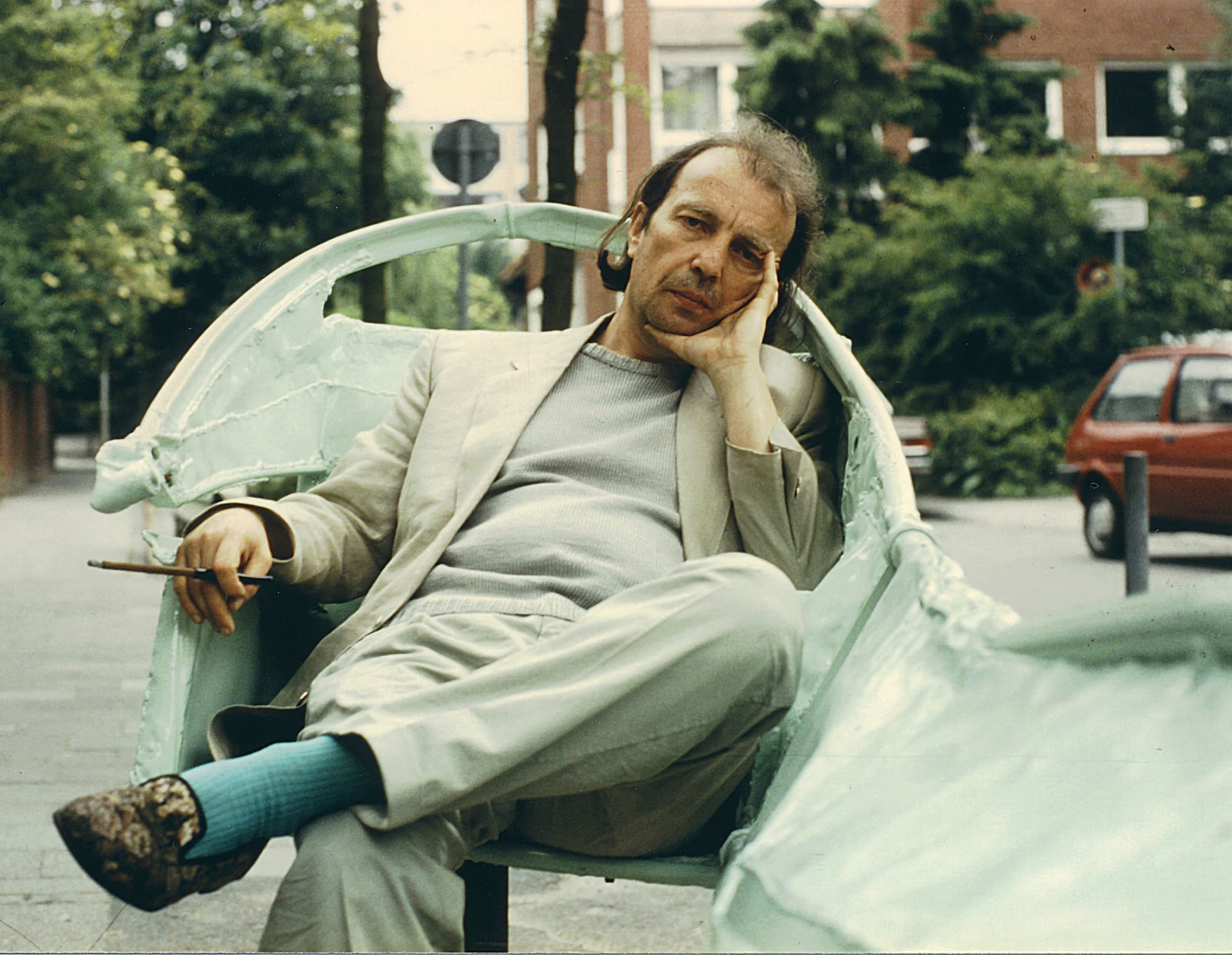
Franz West was born in Vienna on February 16, 1947. He began his artistic career in the early 1970s. From 1977 to 1982, West studied at the Academy of Fine Arts Vienna under Bruno Gironcoli. During this time, he was already deeply engaged with the connection between art and the audience, who were intended to become active participants themselves. His body of work includes works on paper, sculptures, furniture, and outdoor sculptures, which he created in various studios together with assistants.
In 2011, Franz West received the Golden Lion for Lifetime Achievement at the 54th Venice Biennale. Franz West passed away in Vienna on July 25, 2012.


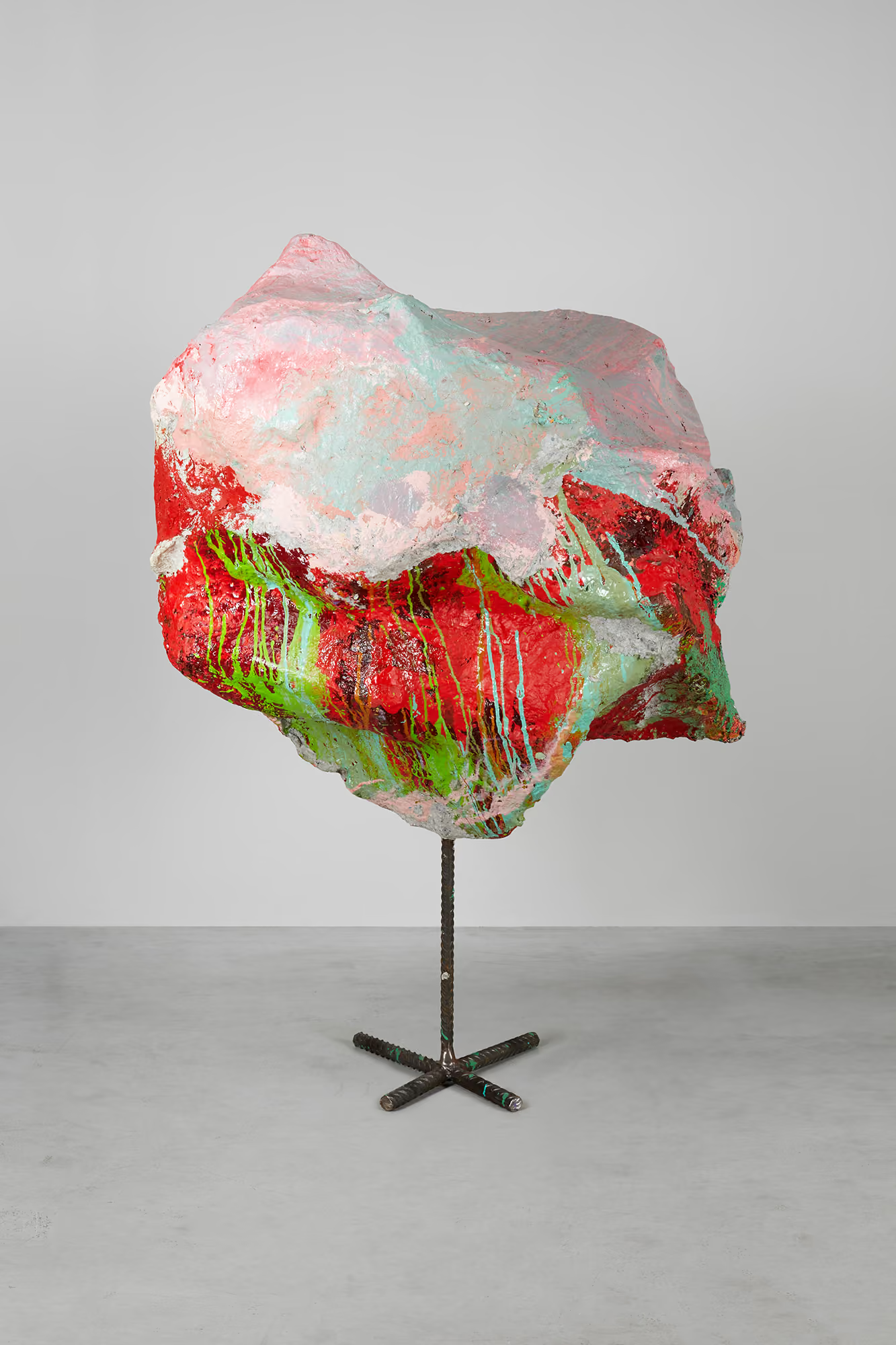
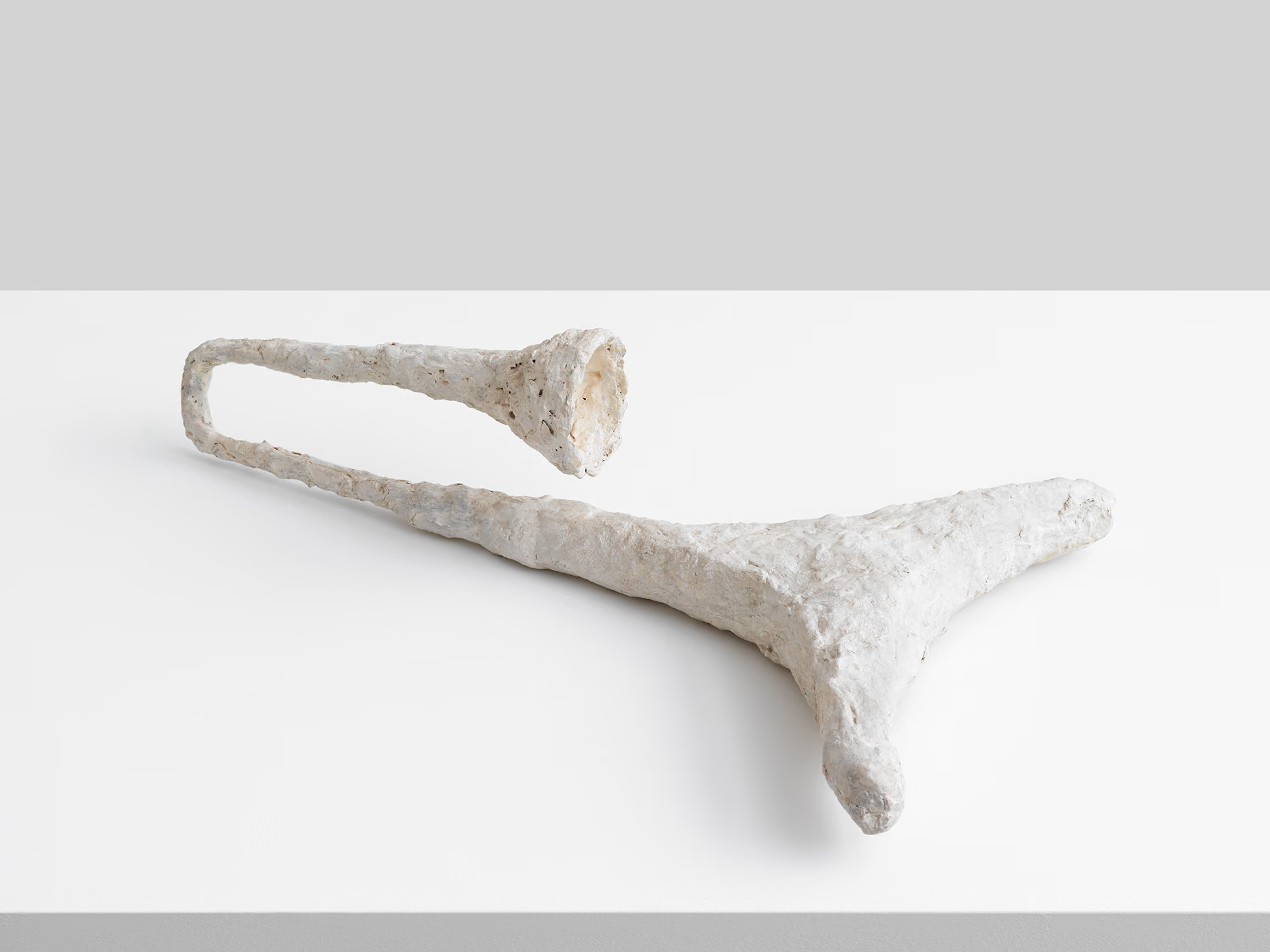
Paper-mâché, cardboard, steel, acrylic paint, gauze, lacquer
143 (H) x 100 x 87 cm
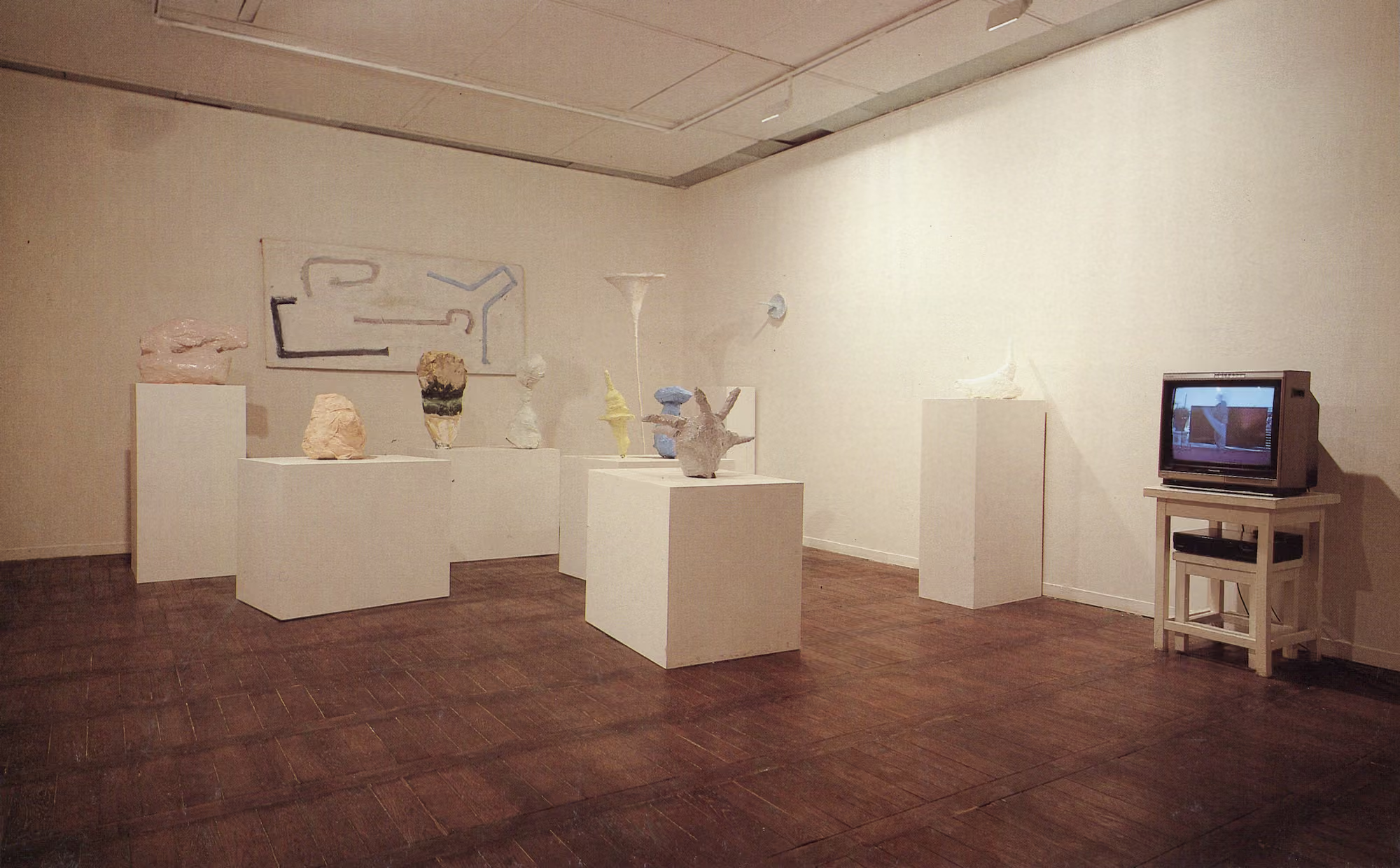
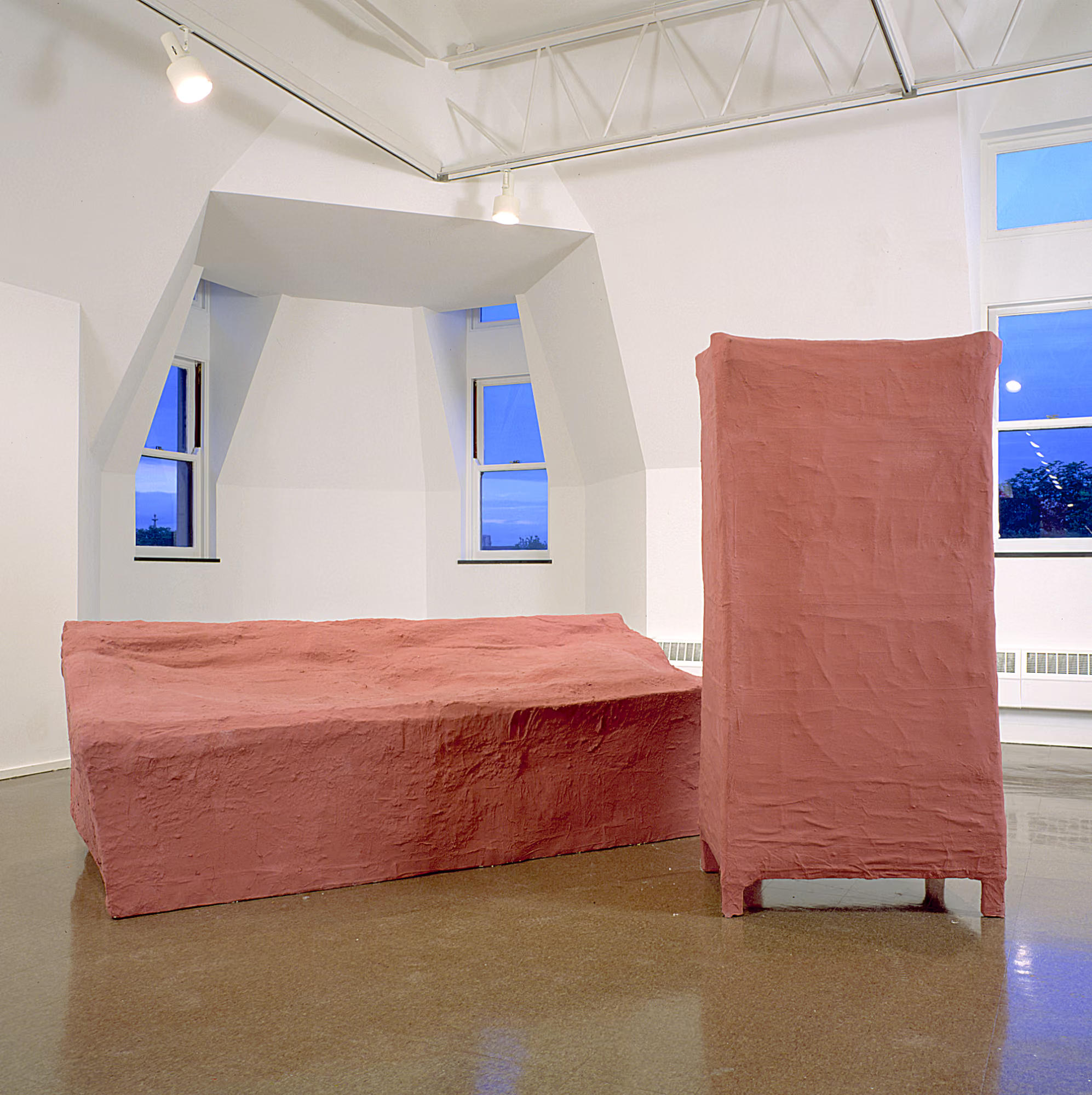
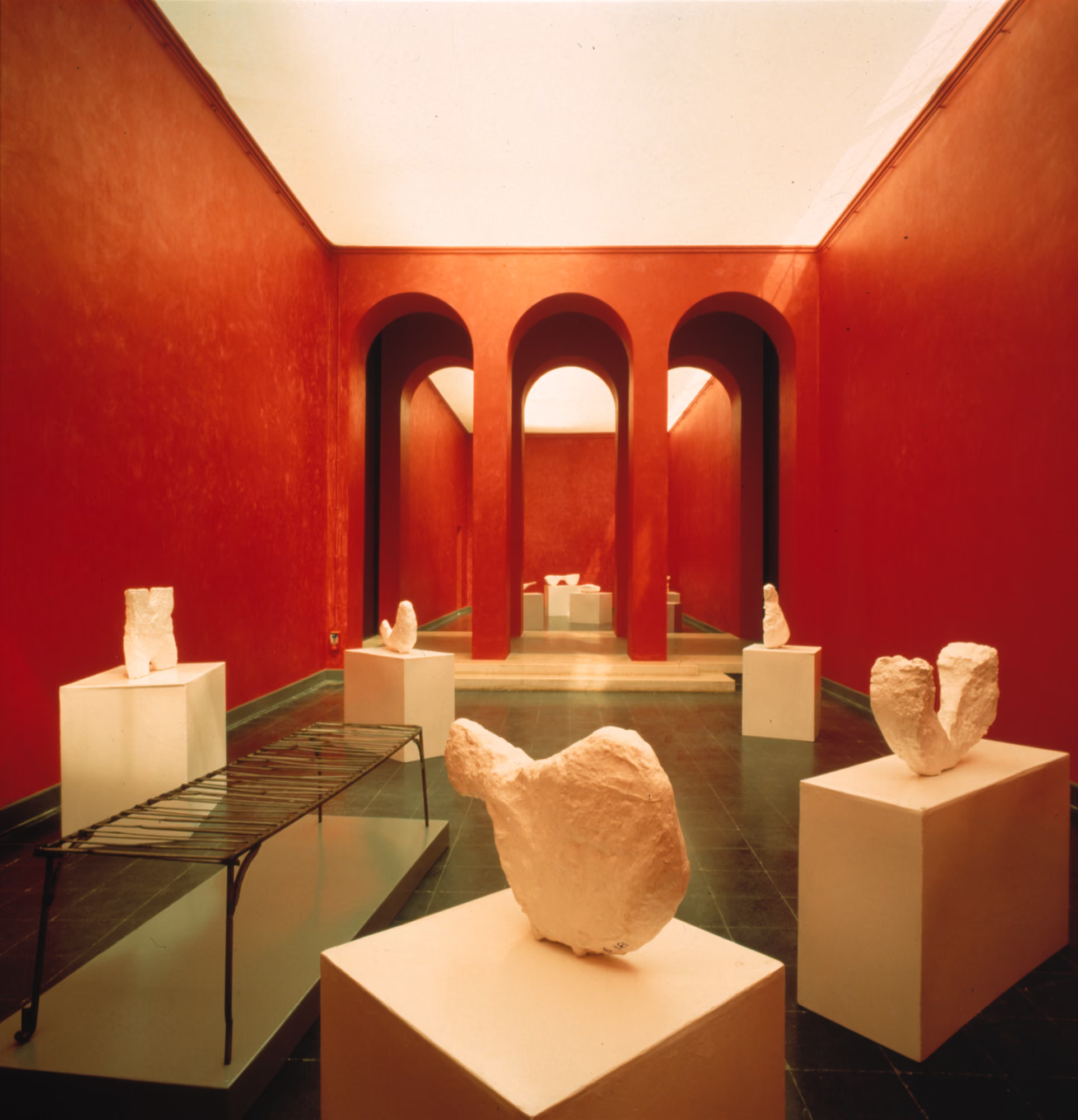
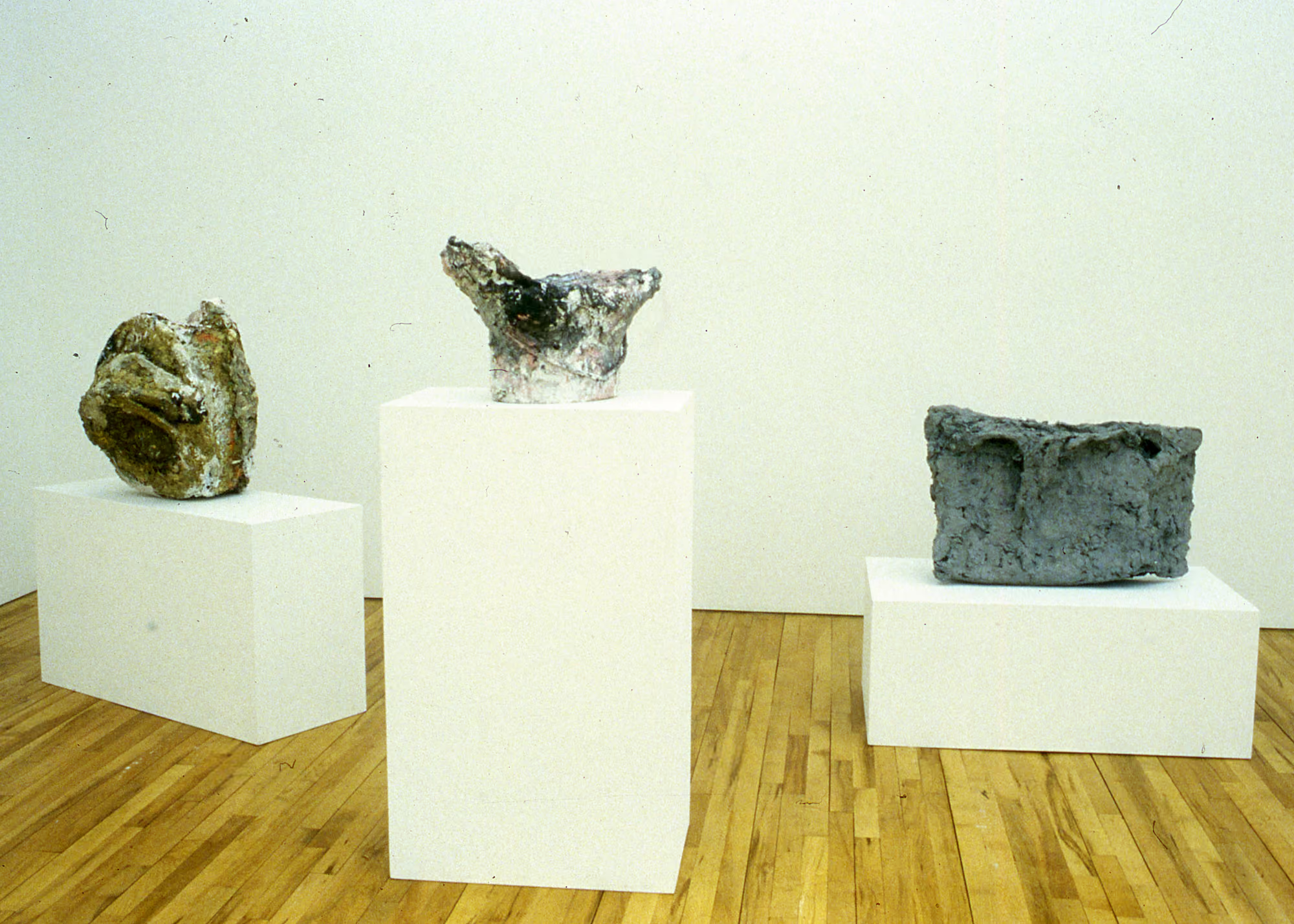
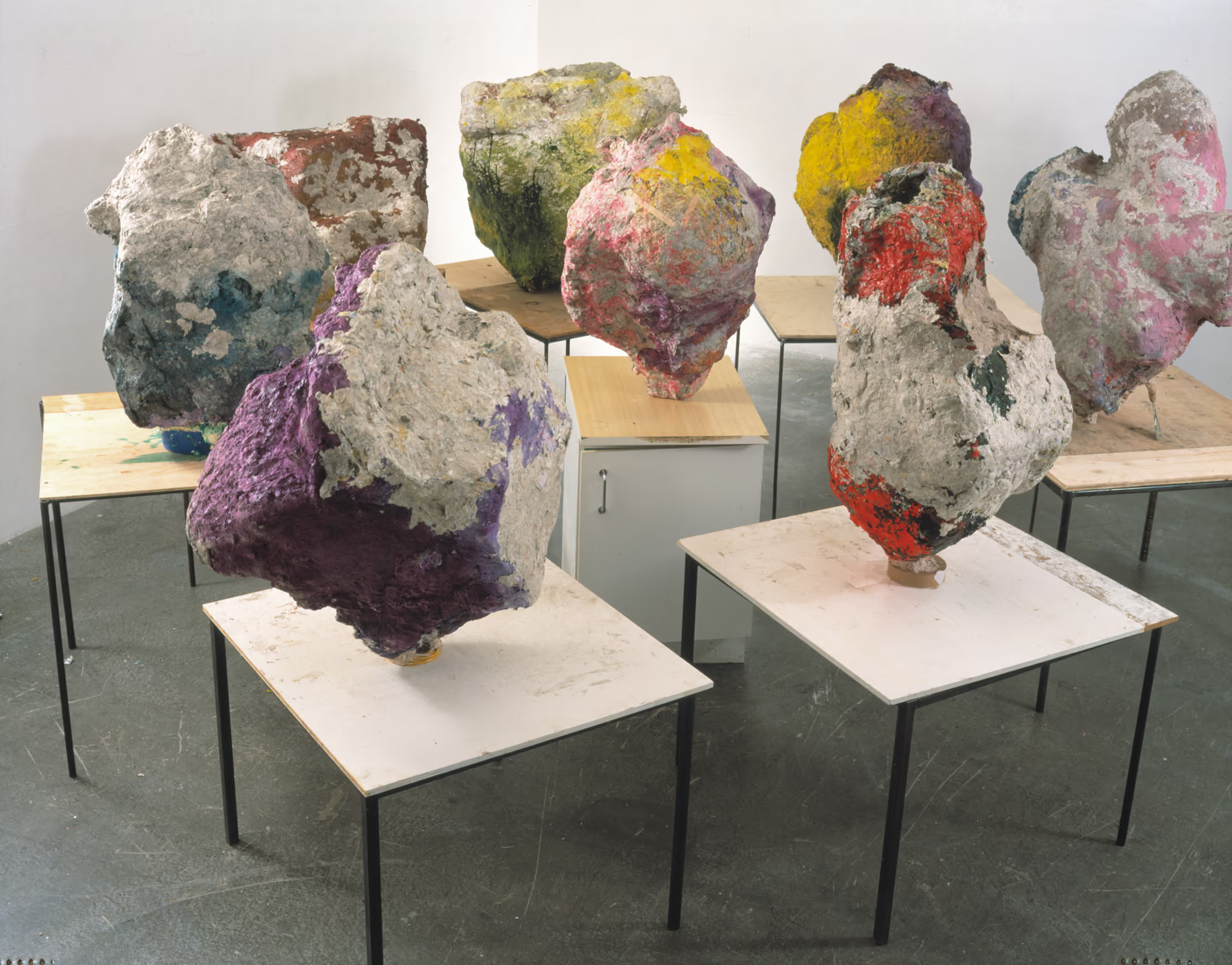
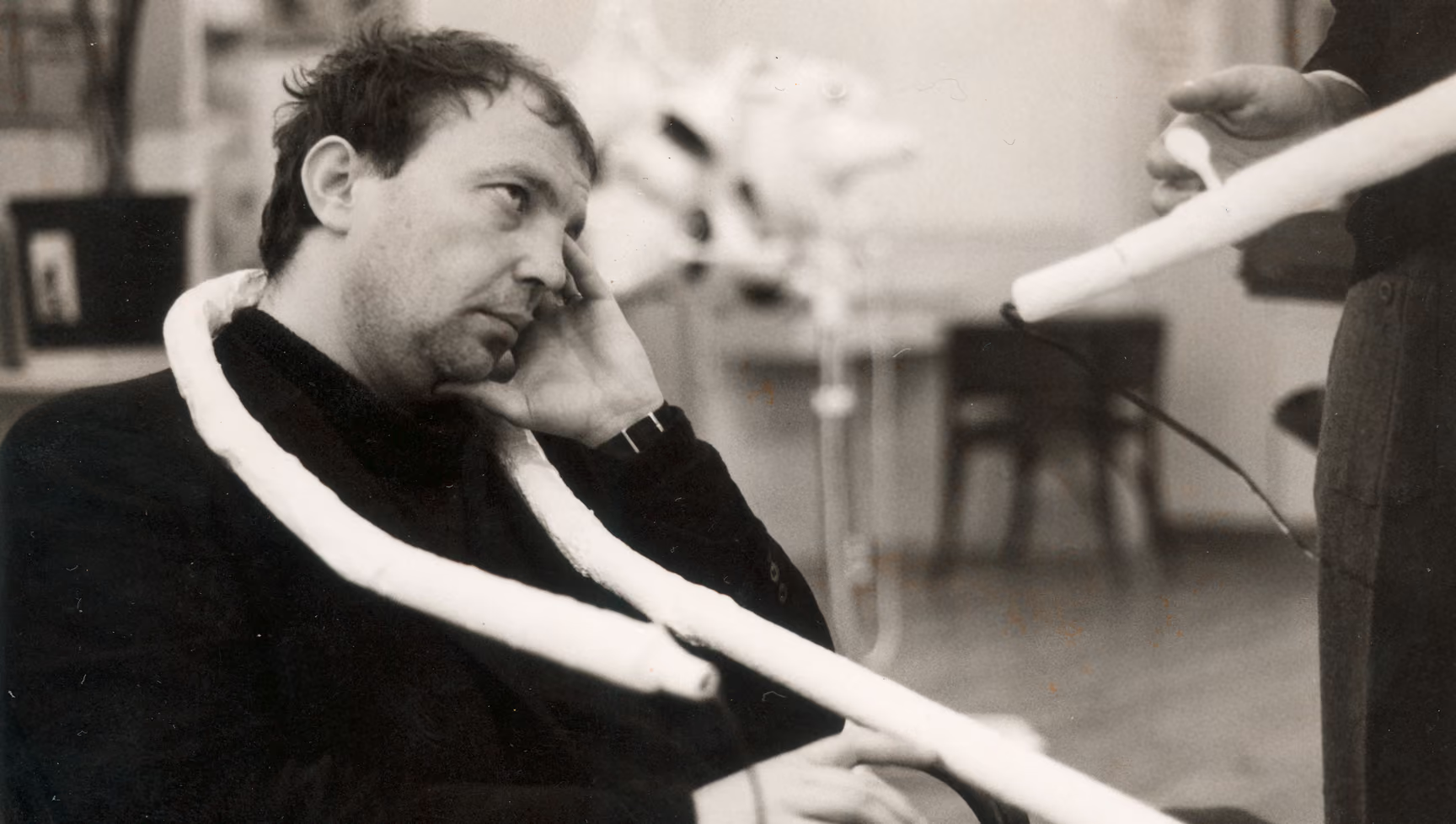
Franz West's body of work includes more than 800 paper-mâché sculptures. Short and long stands made of reinforcing steel, for example, alternate with those made from empty paint cans. Some sculptures, however, have landed directly on the floor like meteorites or hang from the ceiling.
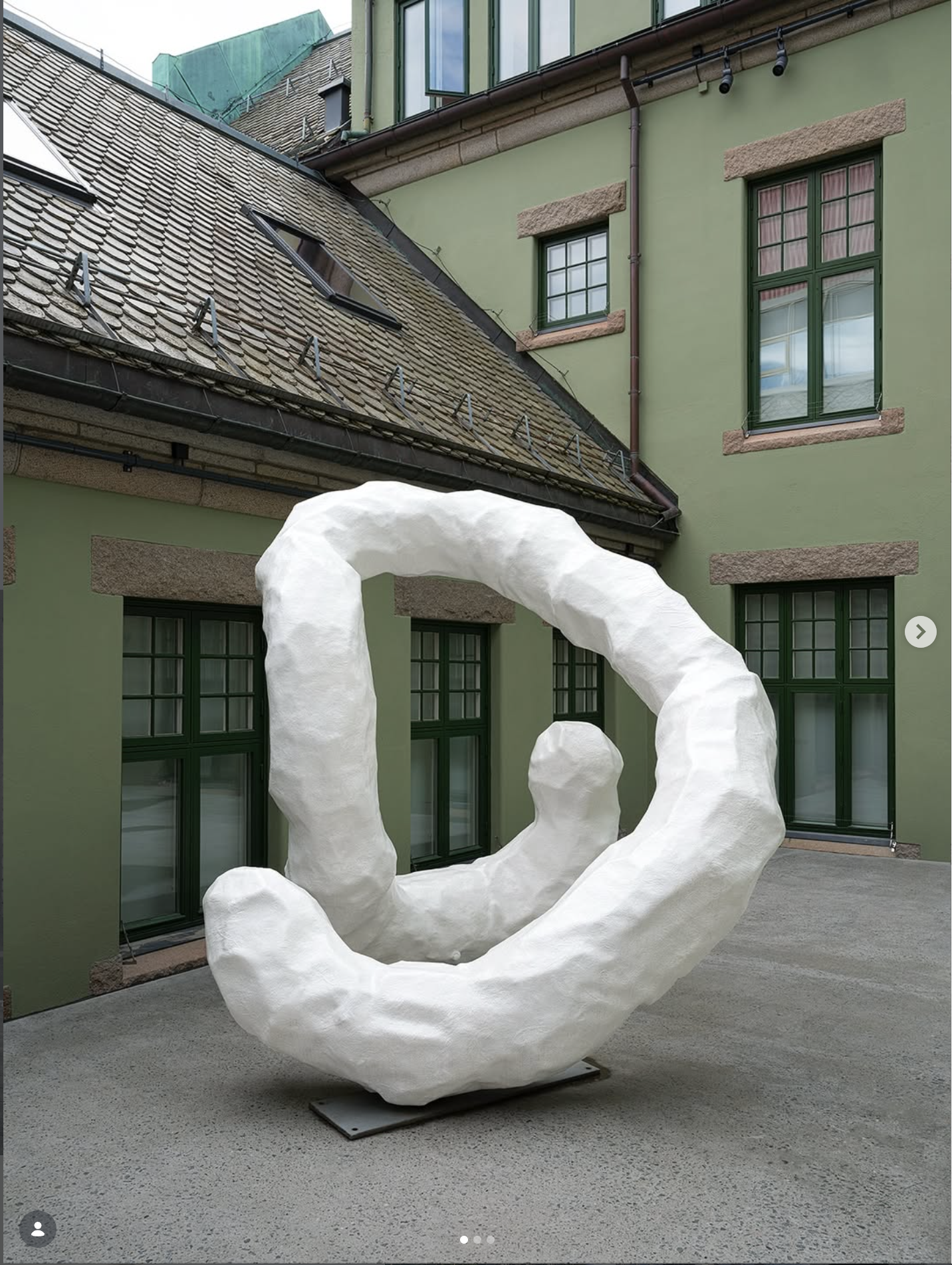
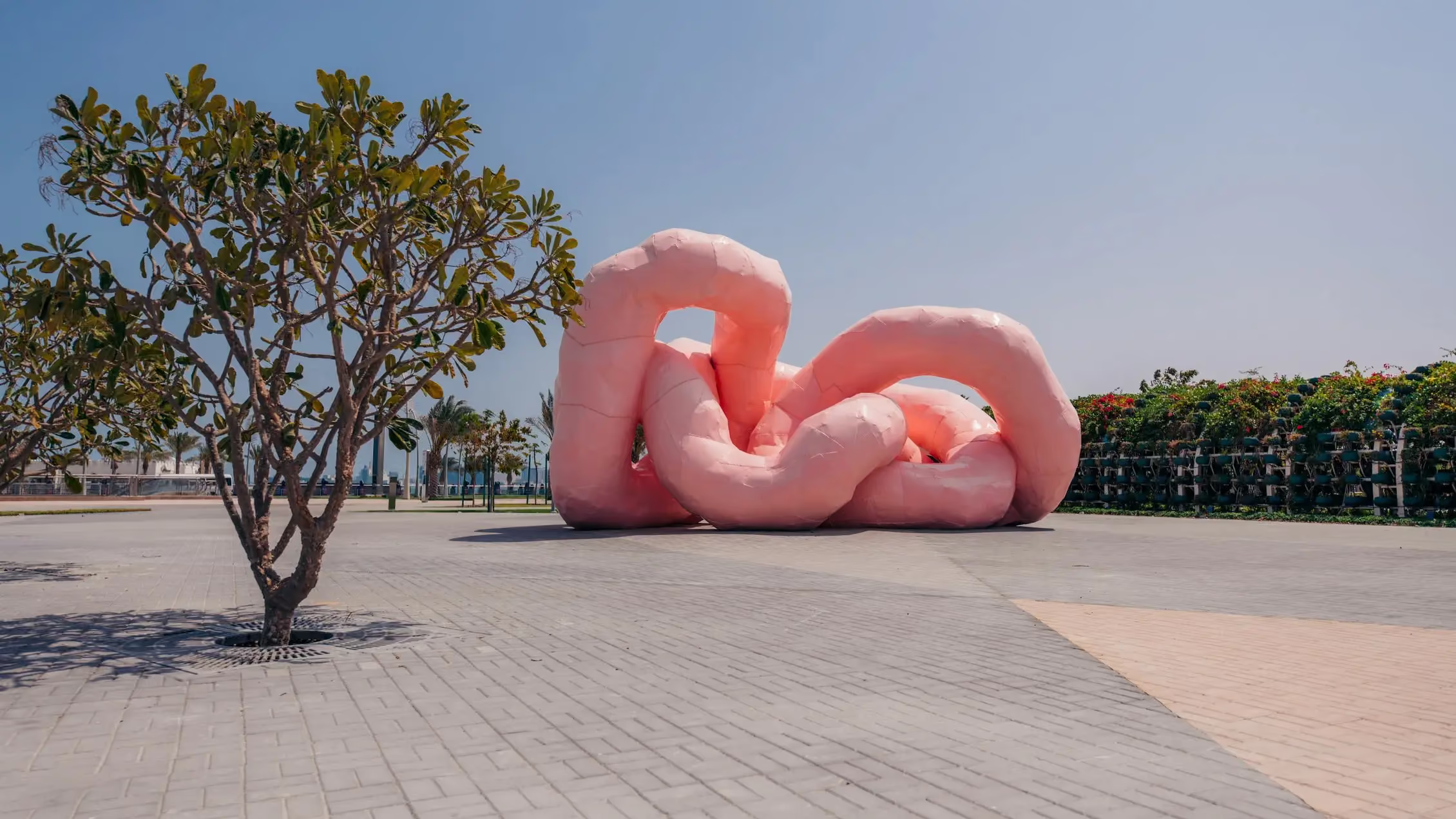
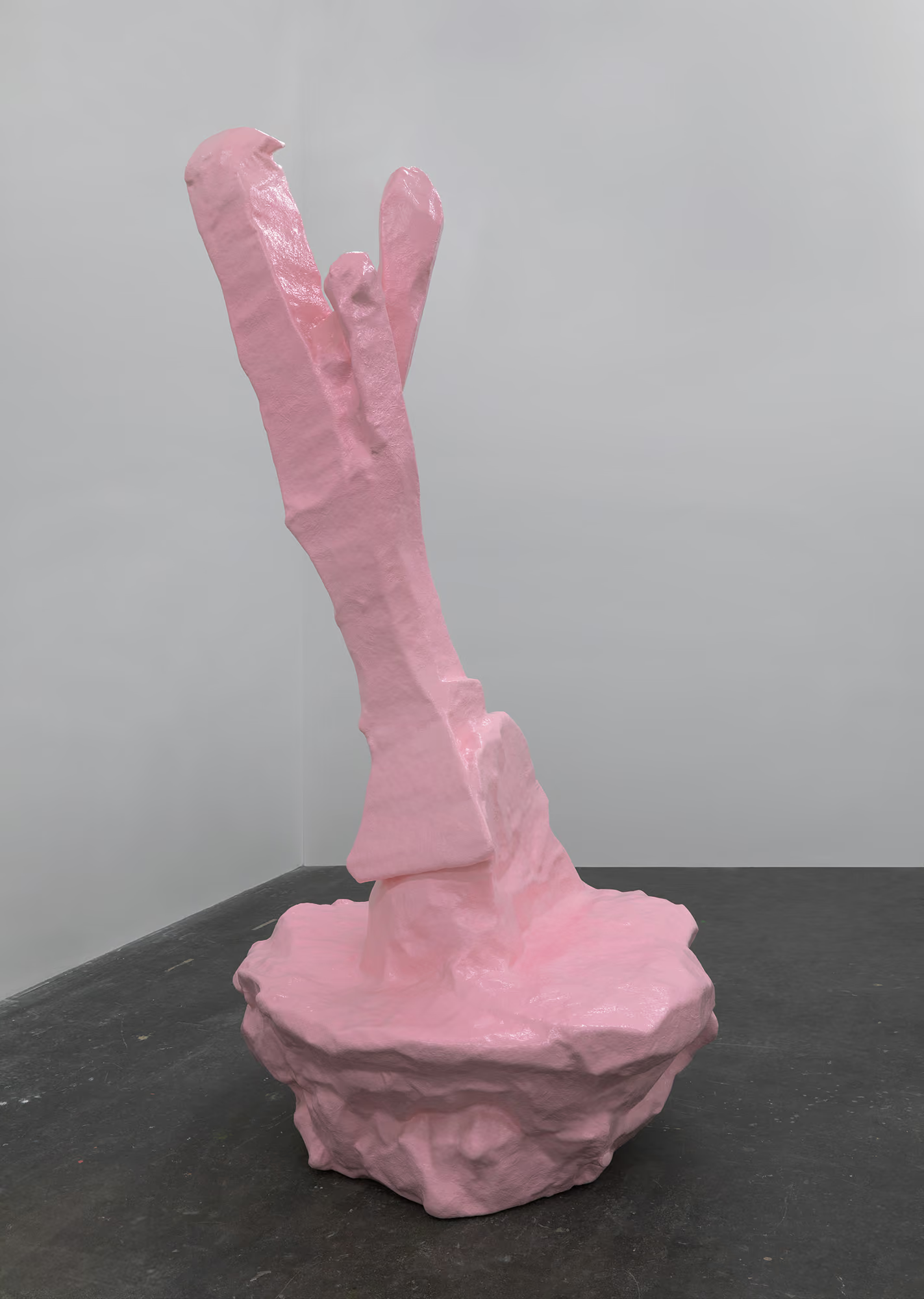
Styrofoam, epoxy resin, synthetic resin lacquer
290 (H) x 160 x 160 cm
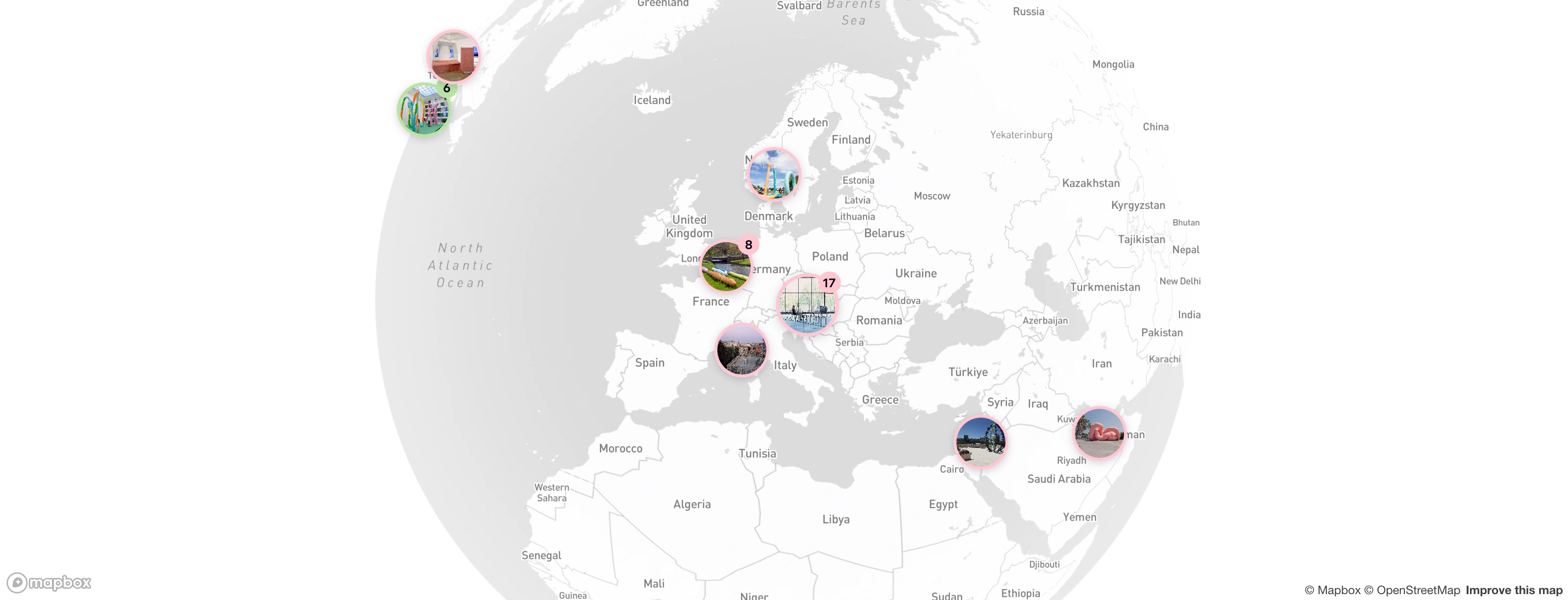
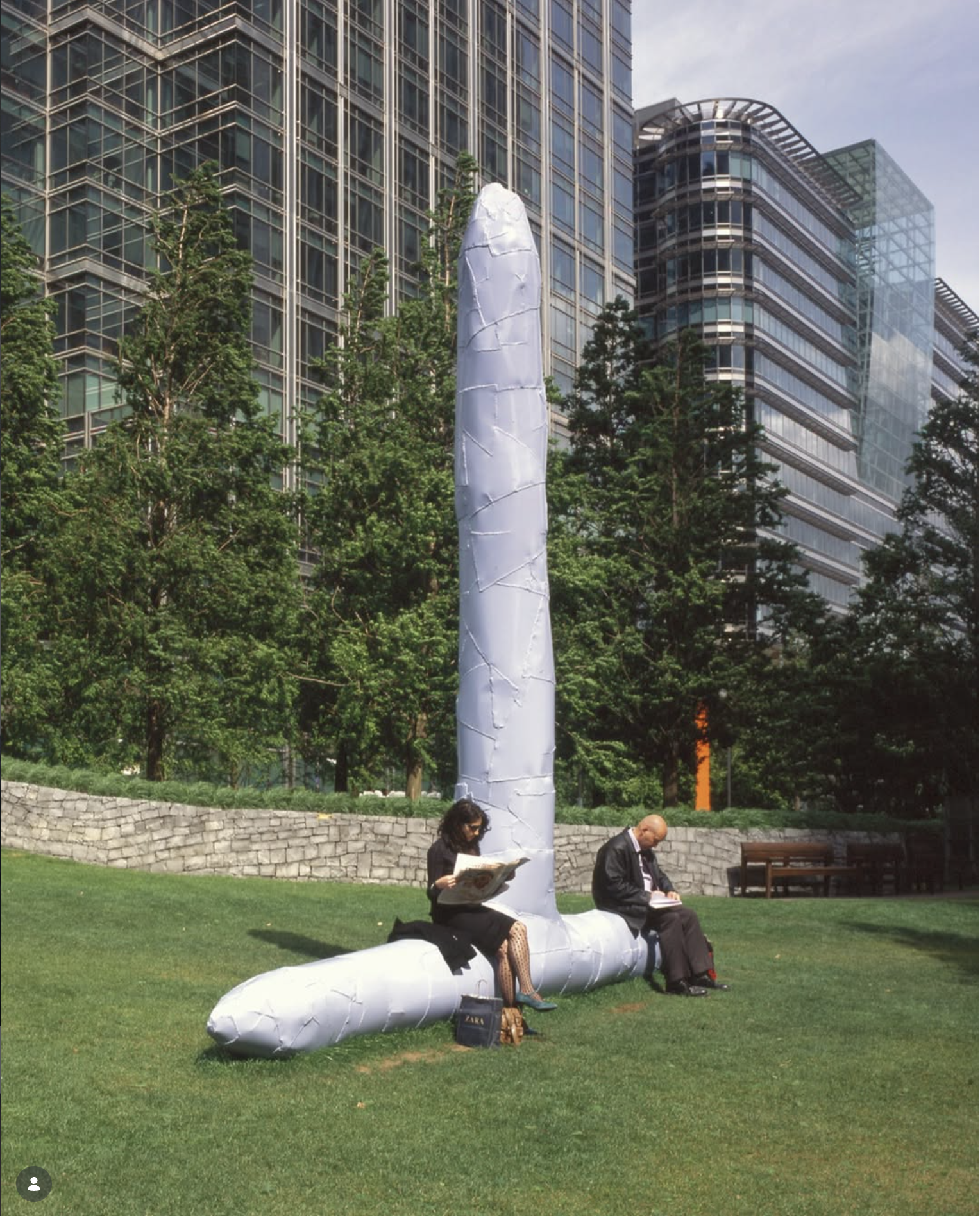
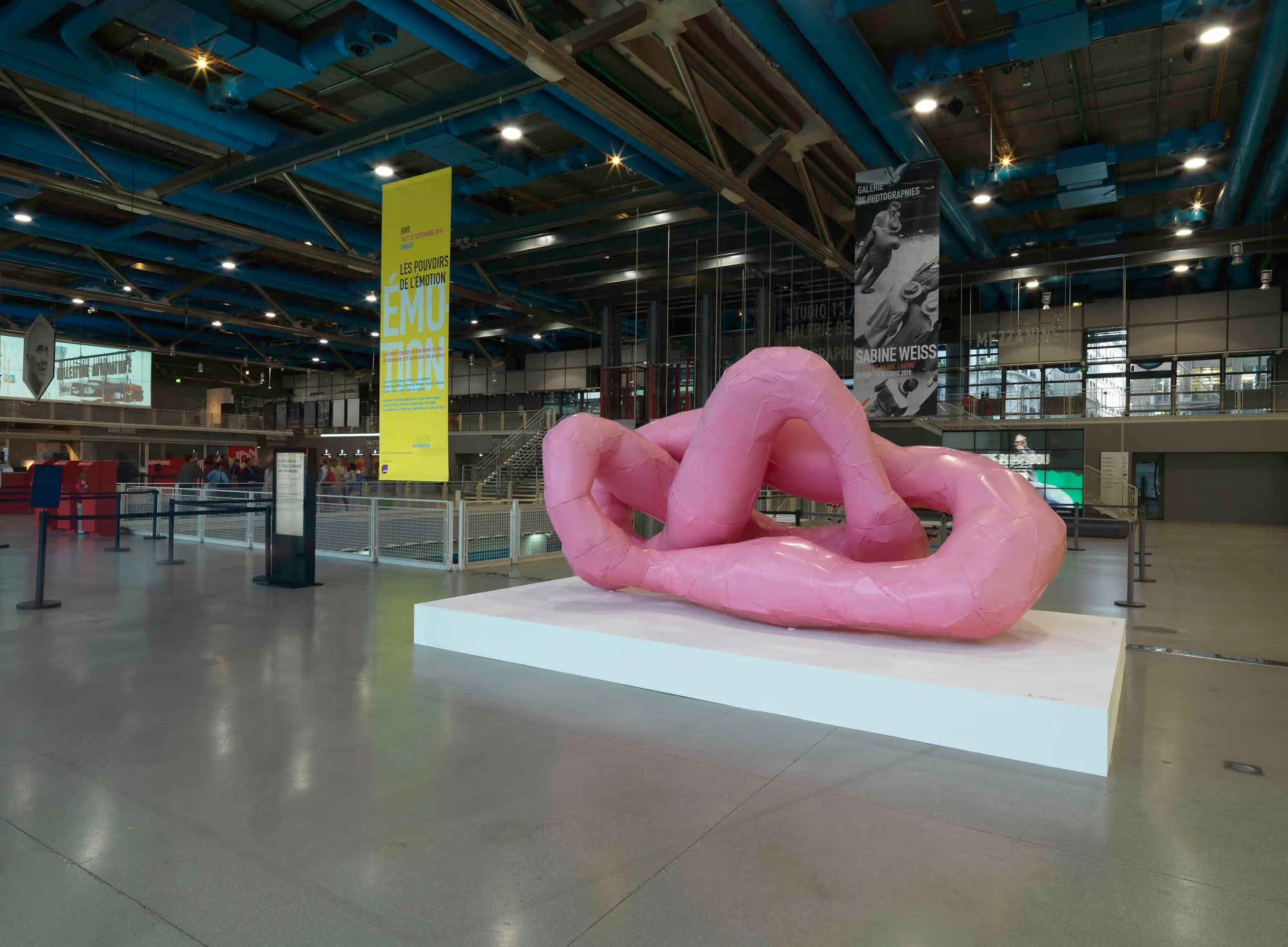
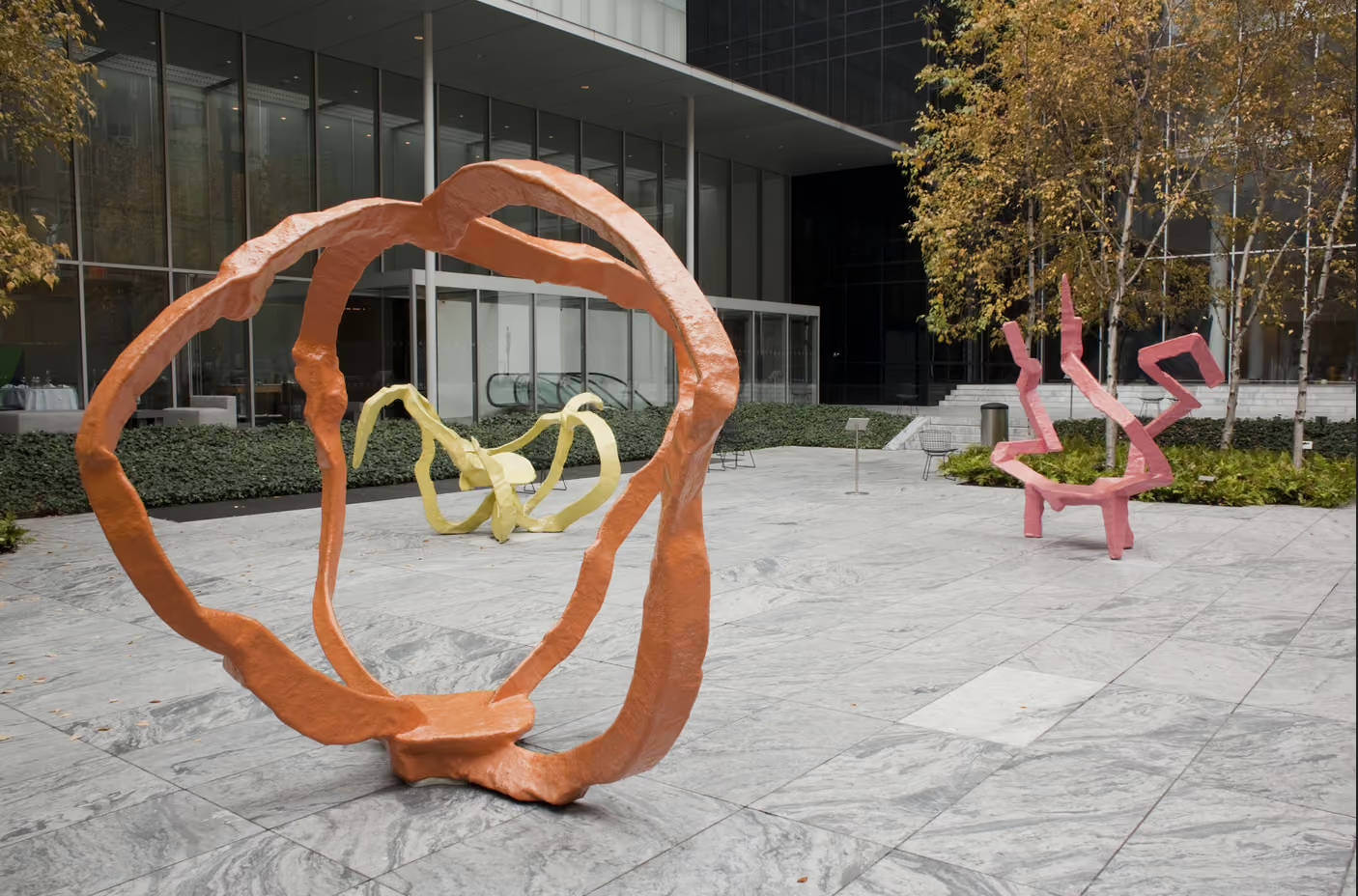
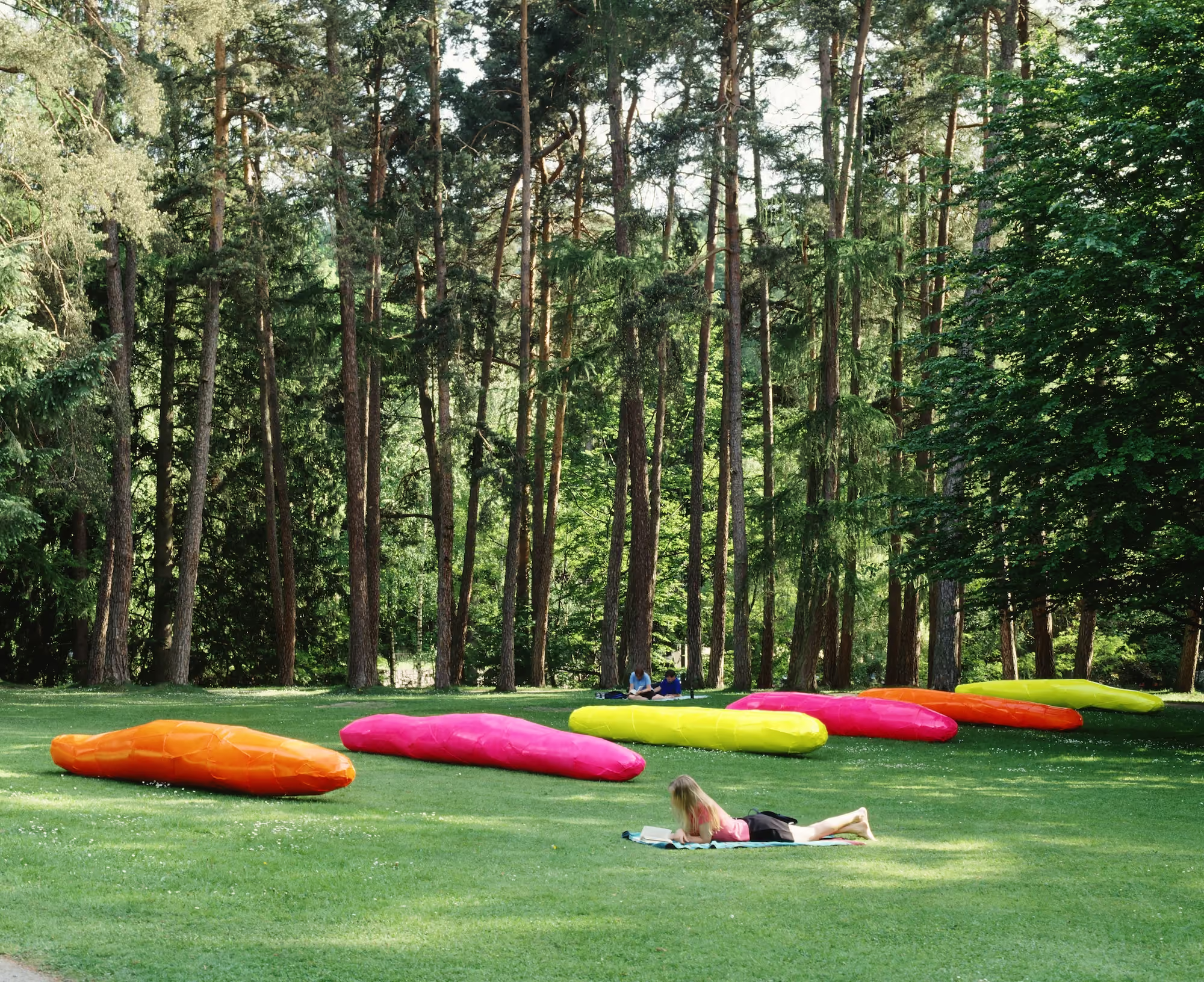
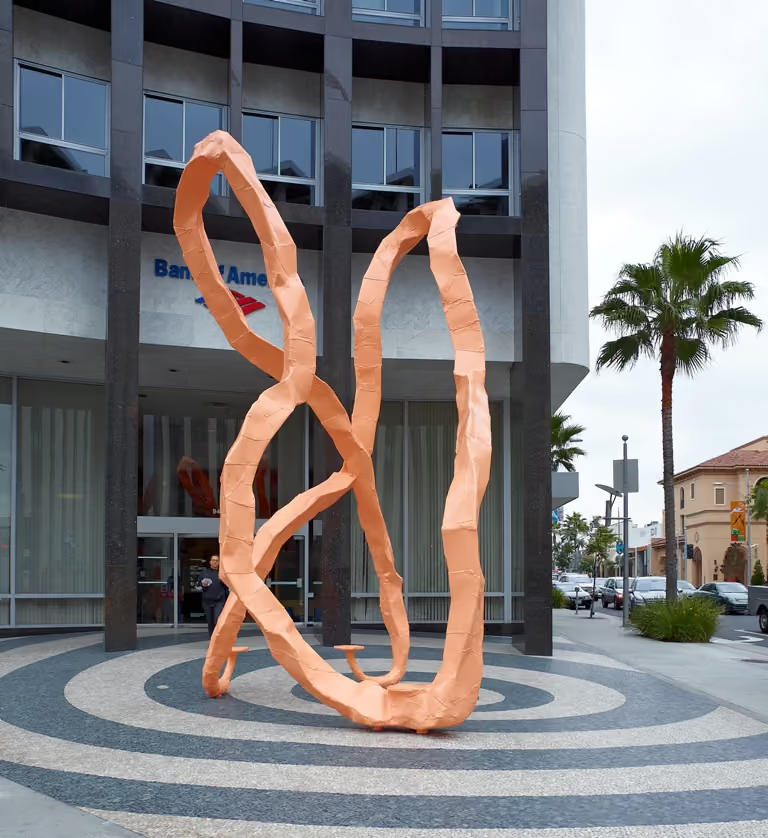
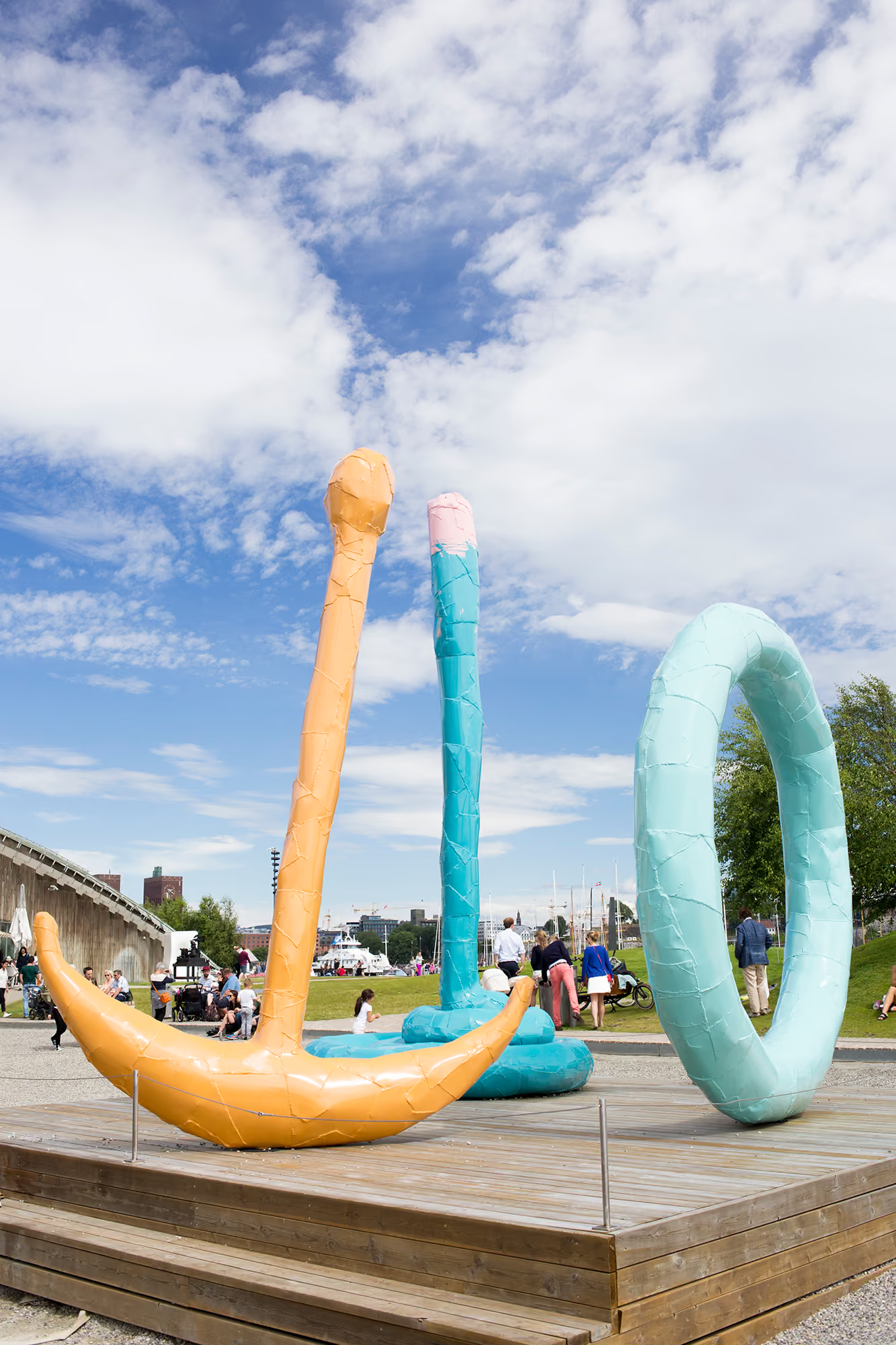
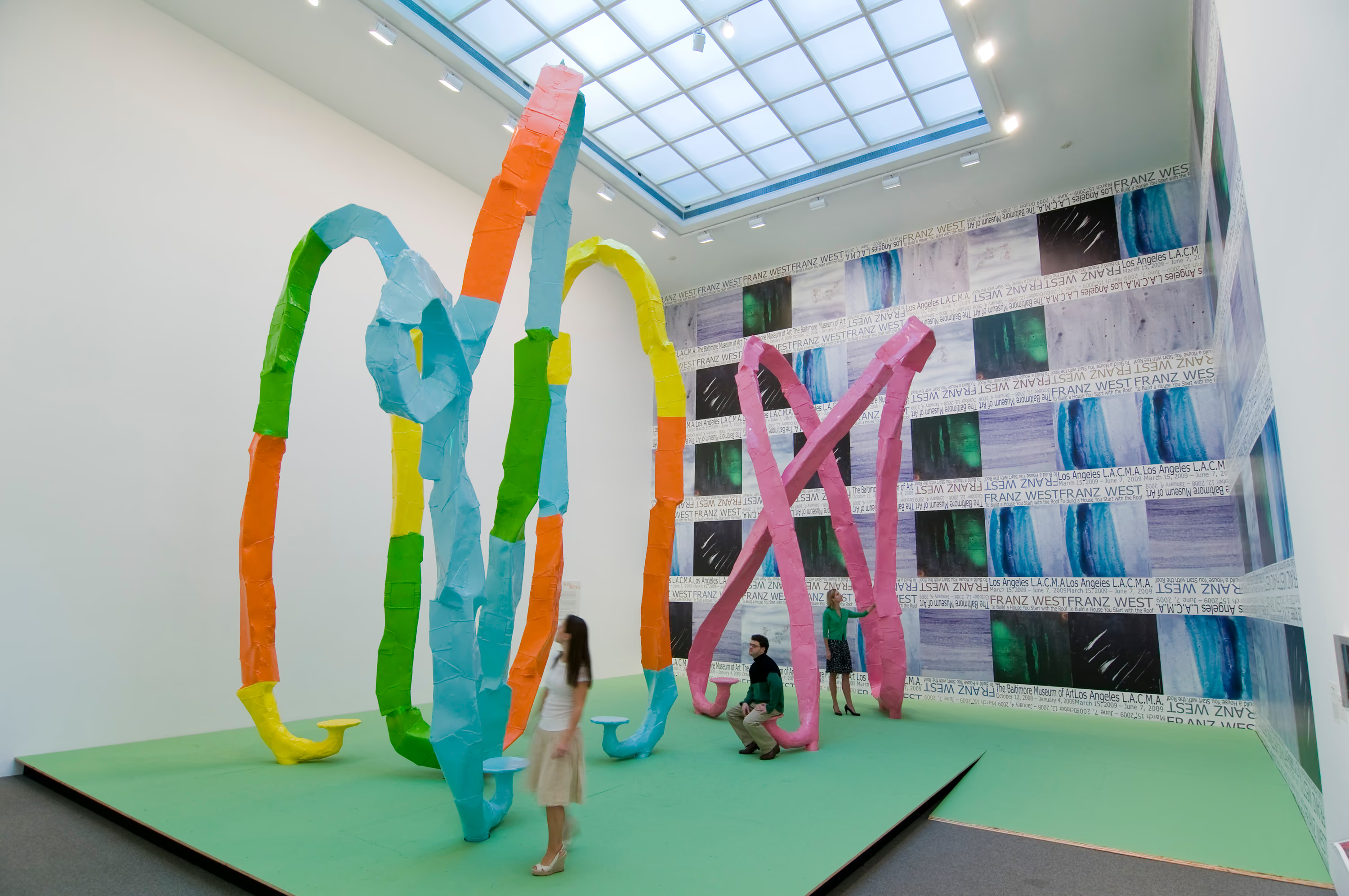
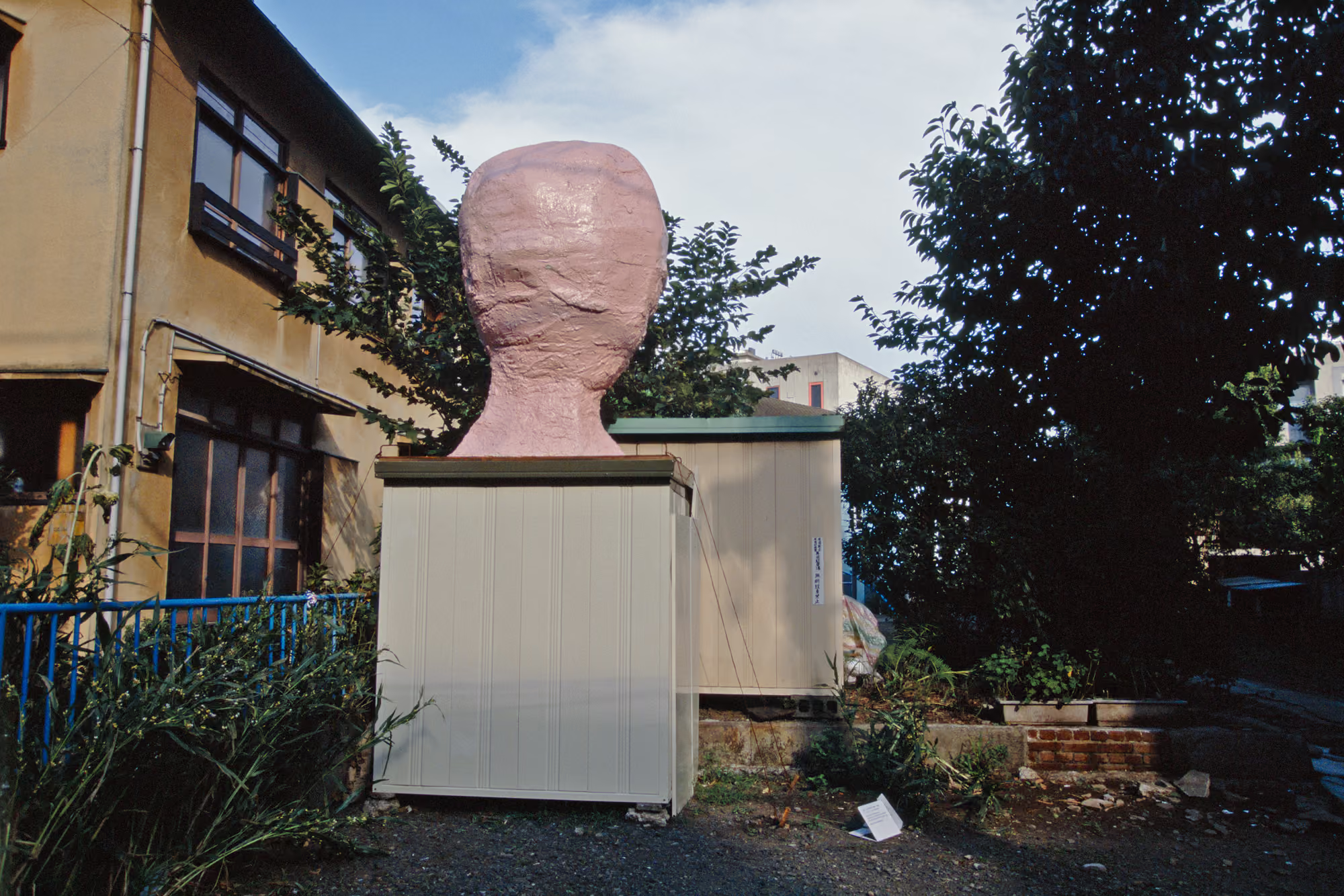
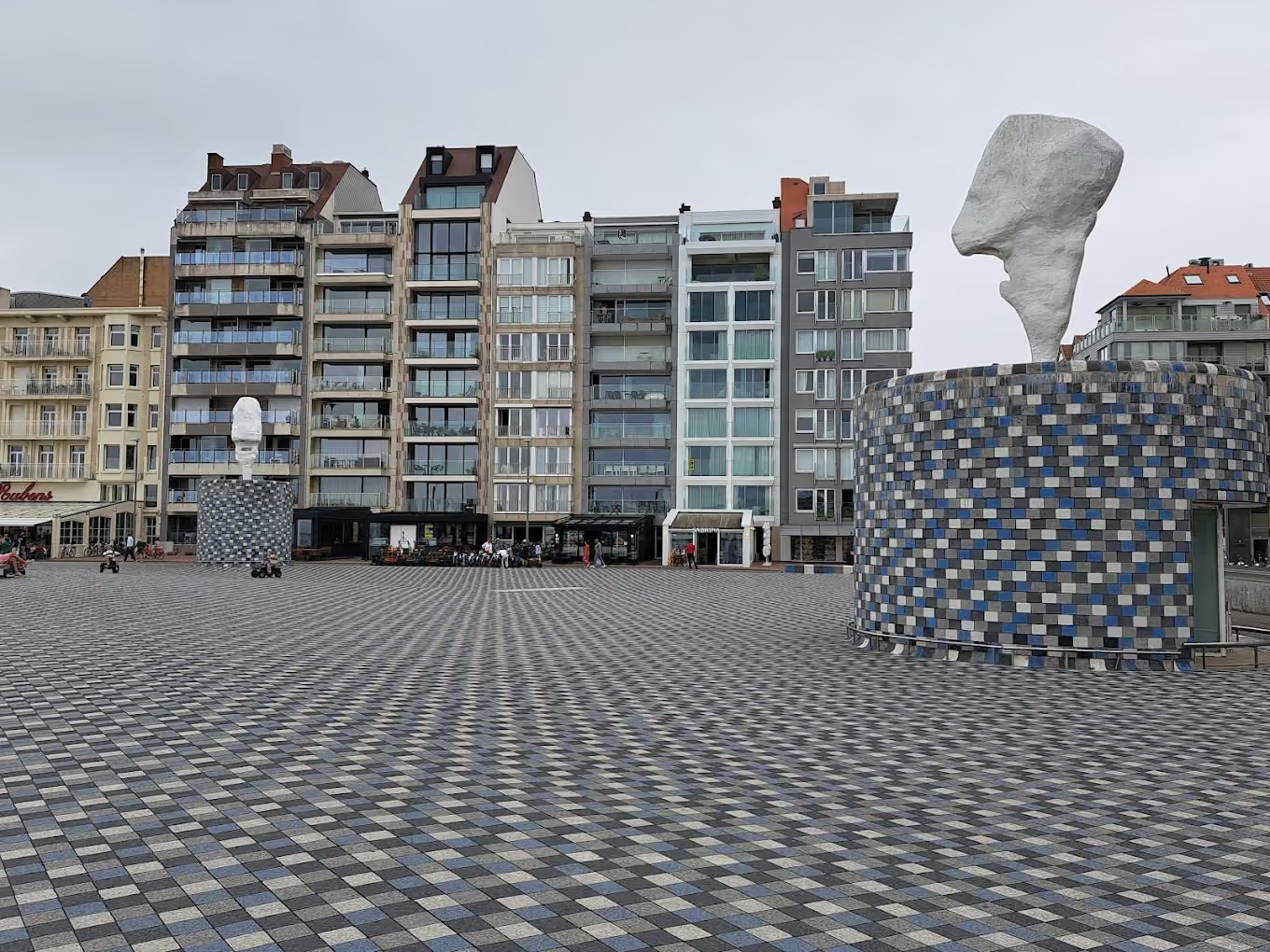
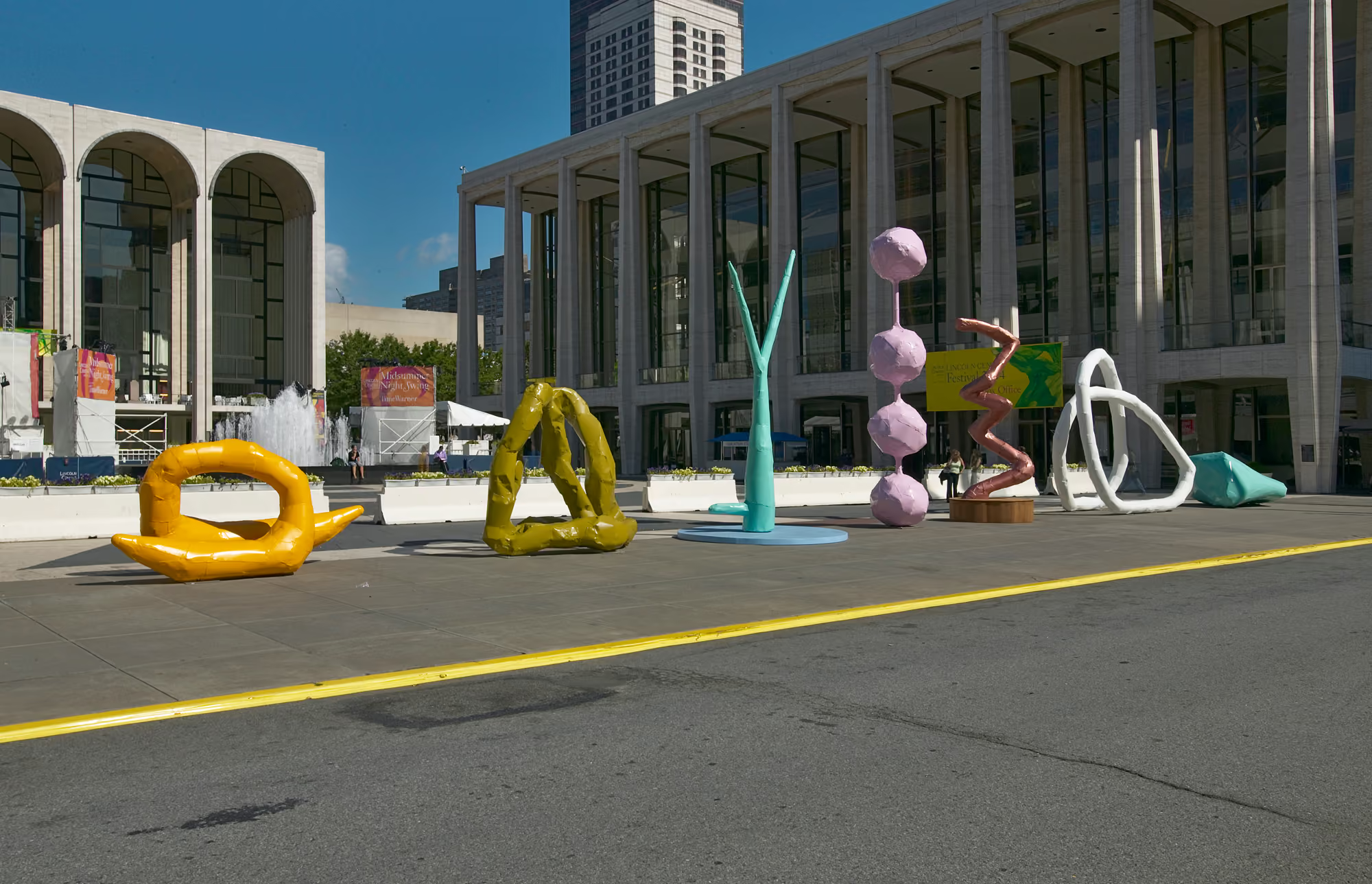
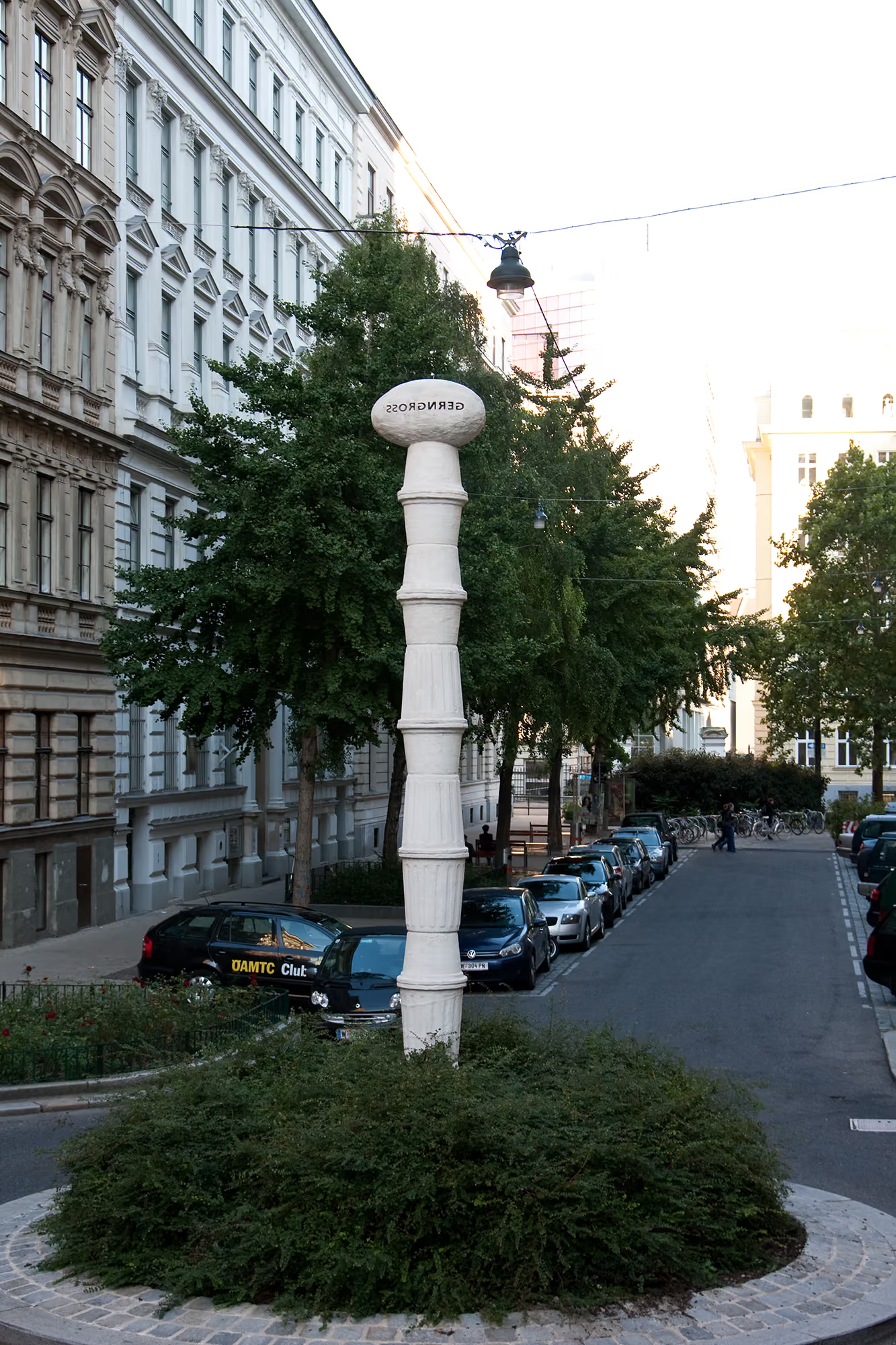
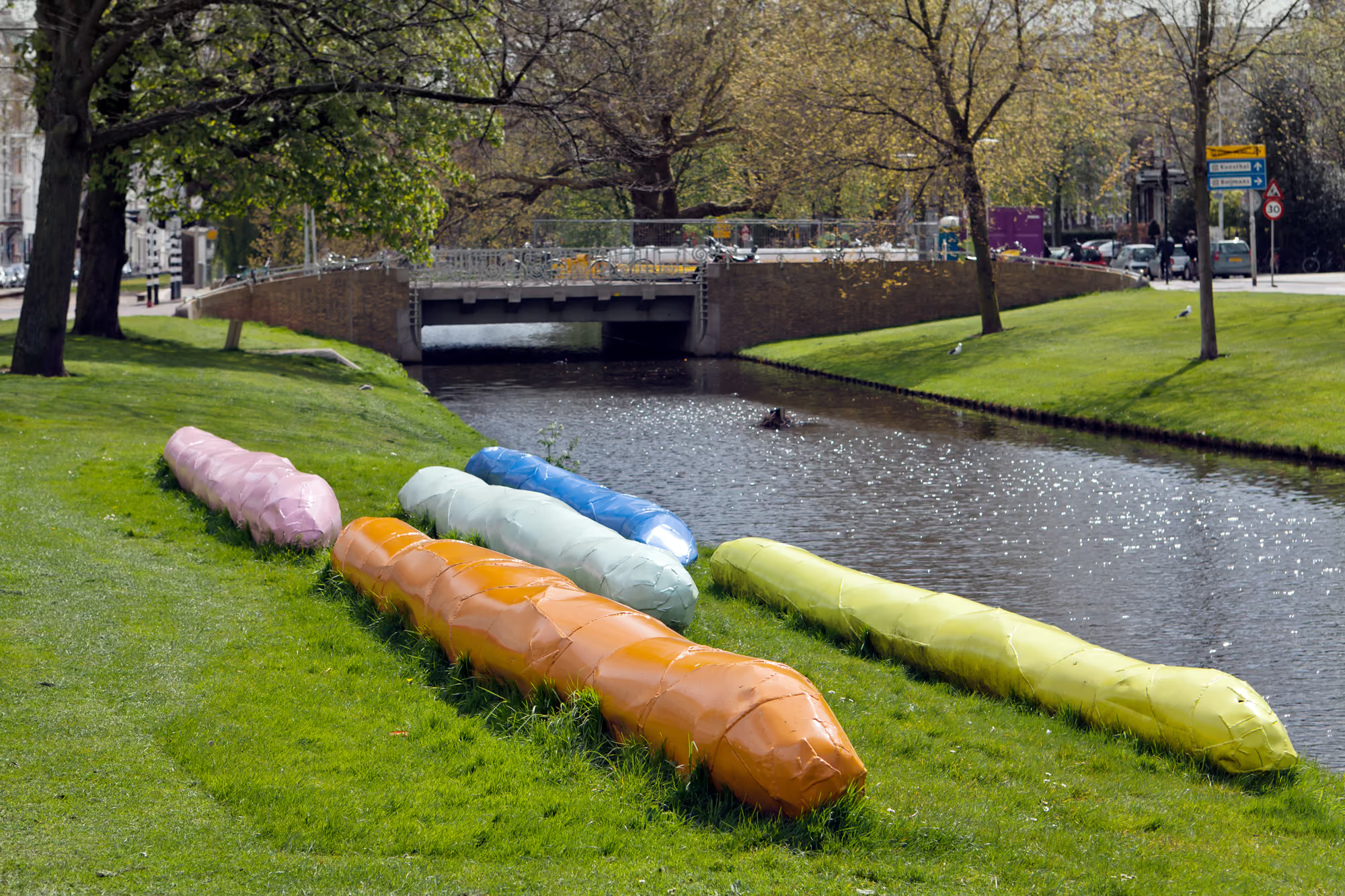
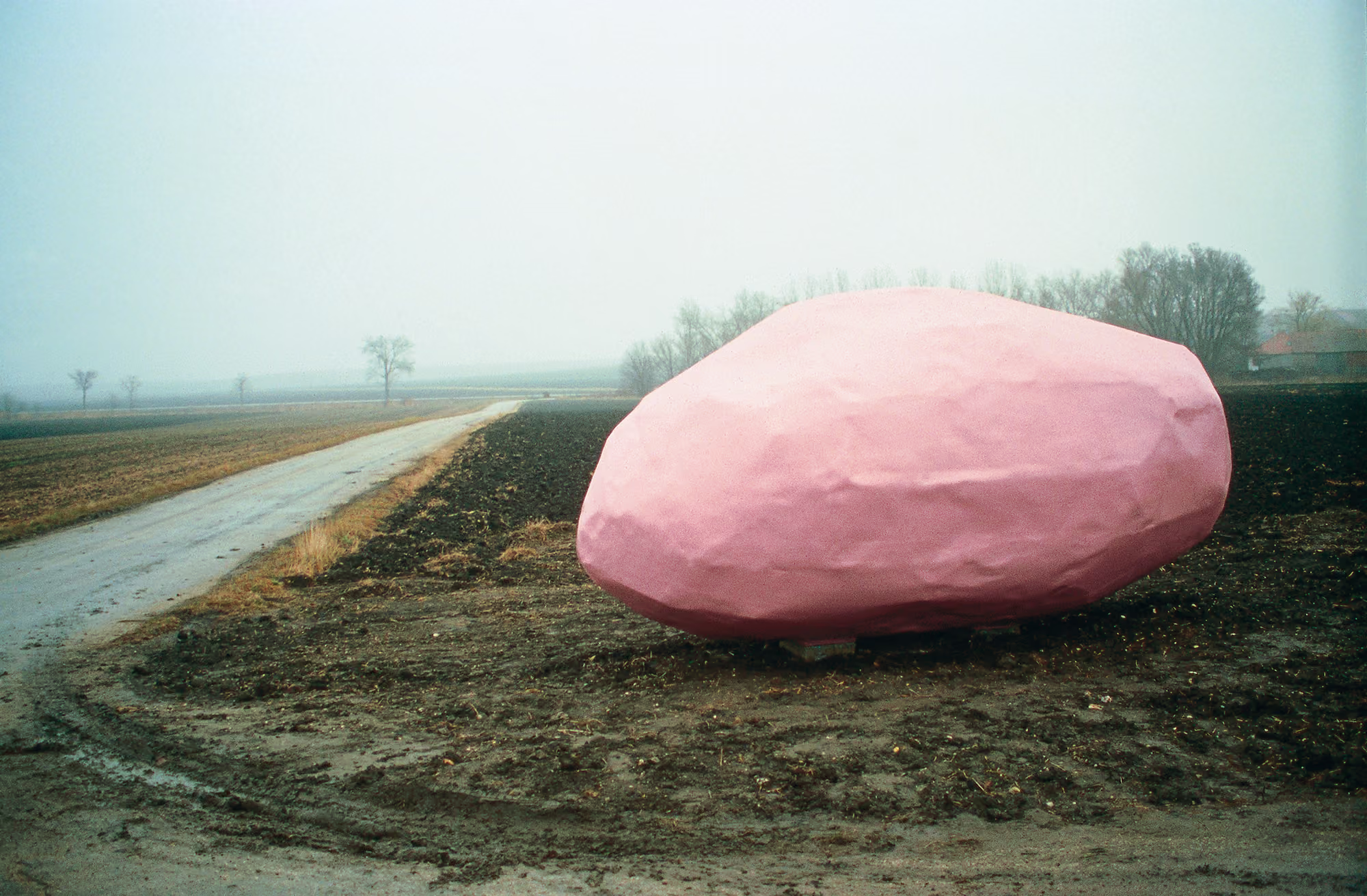
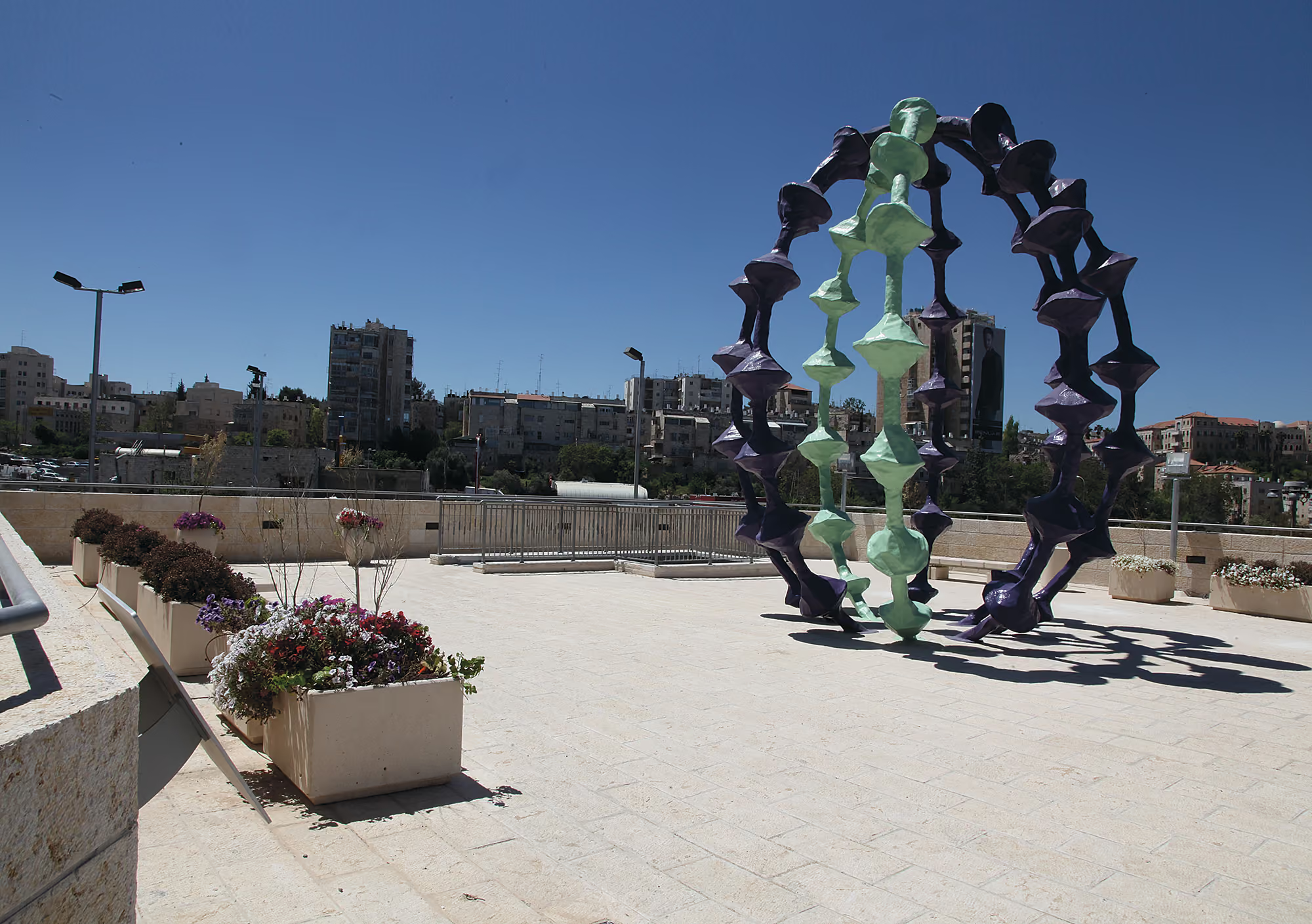
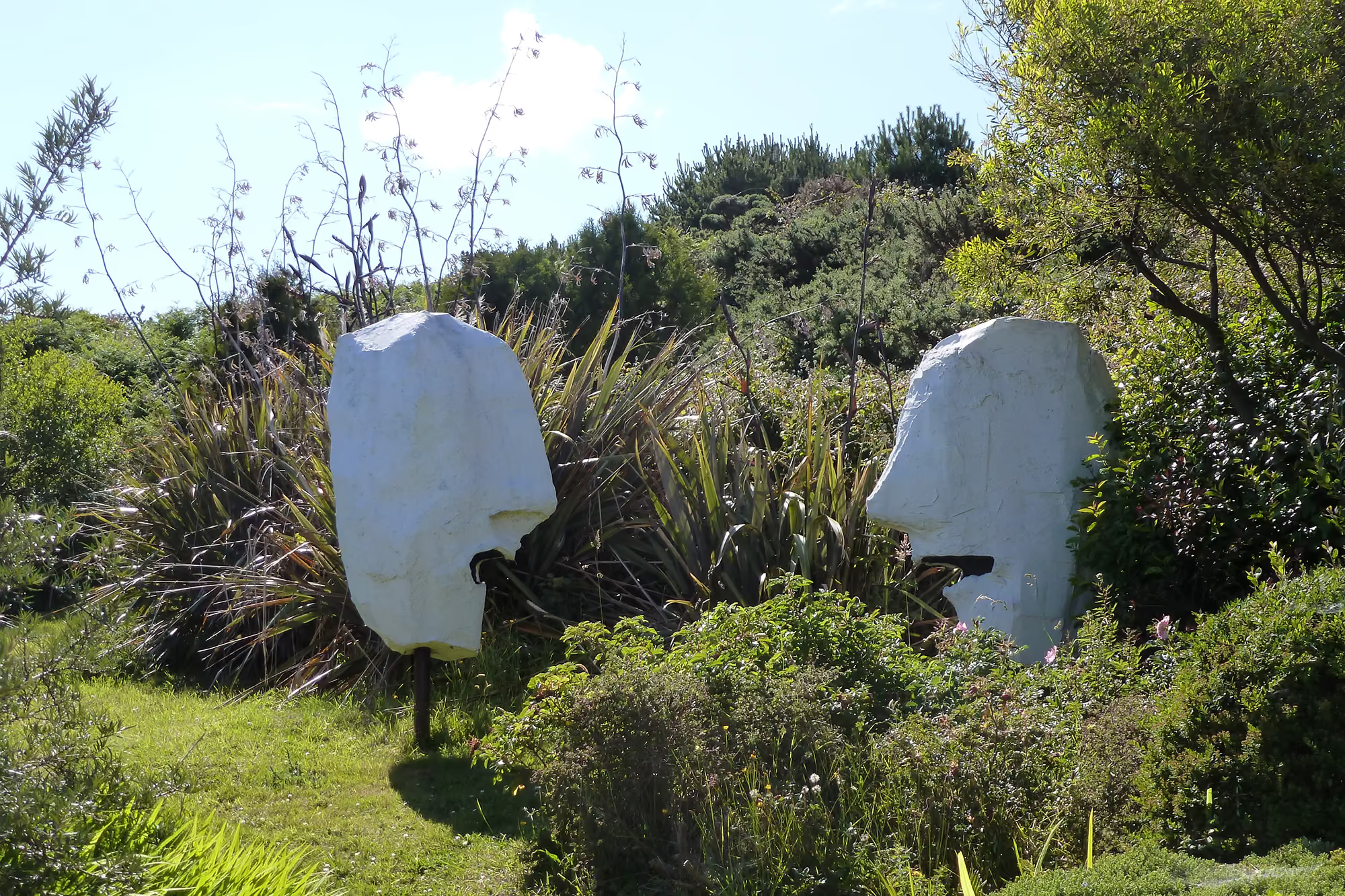
Creating sculptures for outdoor spaces was already of interest to Franz West in the 1970s, which is why he began studying under Bruno Gironcoli, who worked with weather-resistant polyester—a material that is, however, hazardous to health. By the late 1990s, West’s engagement with outdoor spaces intensified, leading to the development of around 300 sculptures, primarily made of aluminum or epoxy resin, some of which are now accessible to the public.
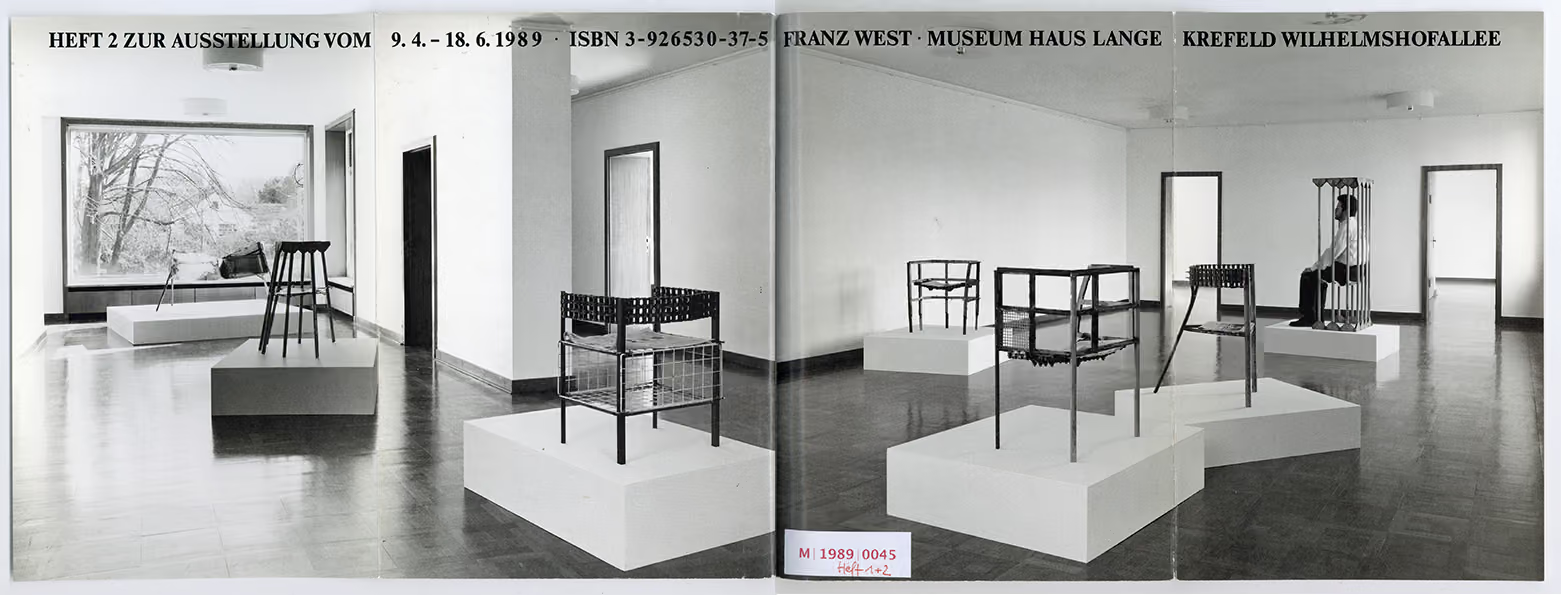
Edition of 25, published by Memphis for Meta Memphis, Milan
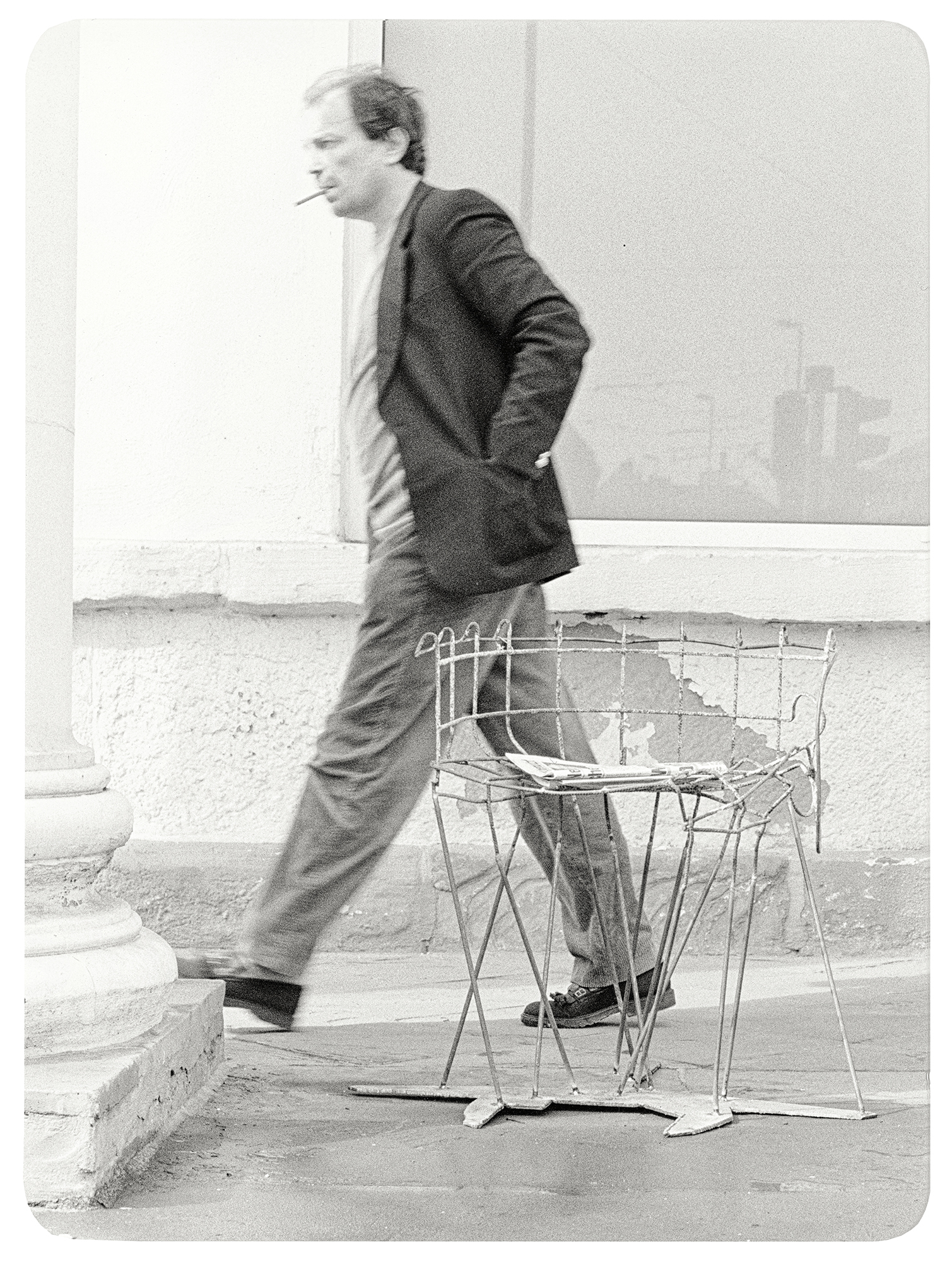
Steel
85 x 70 x 72.5 (H) cm
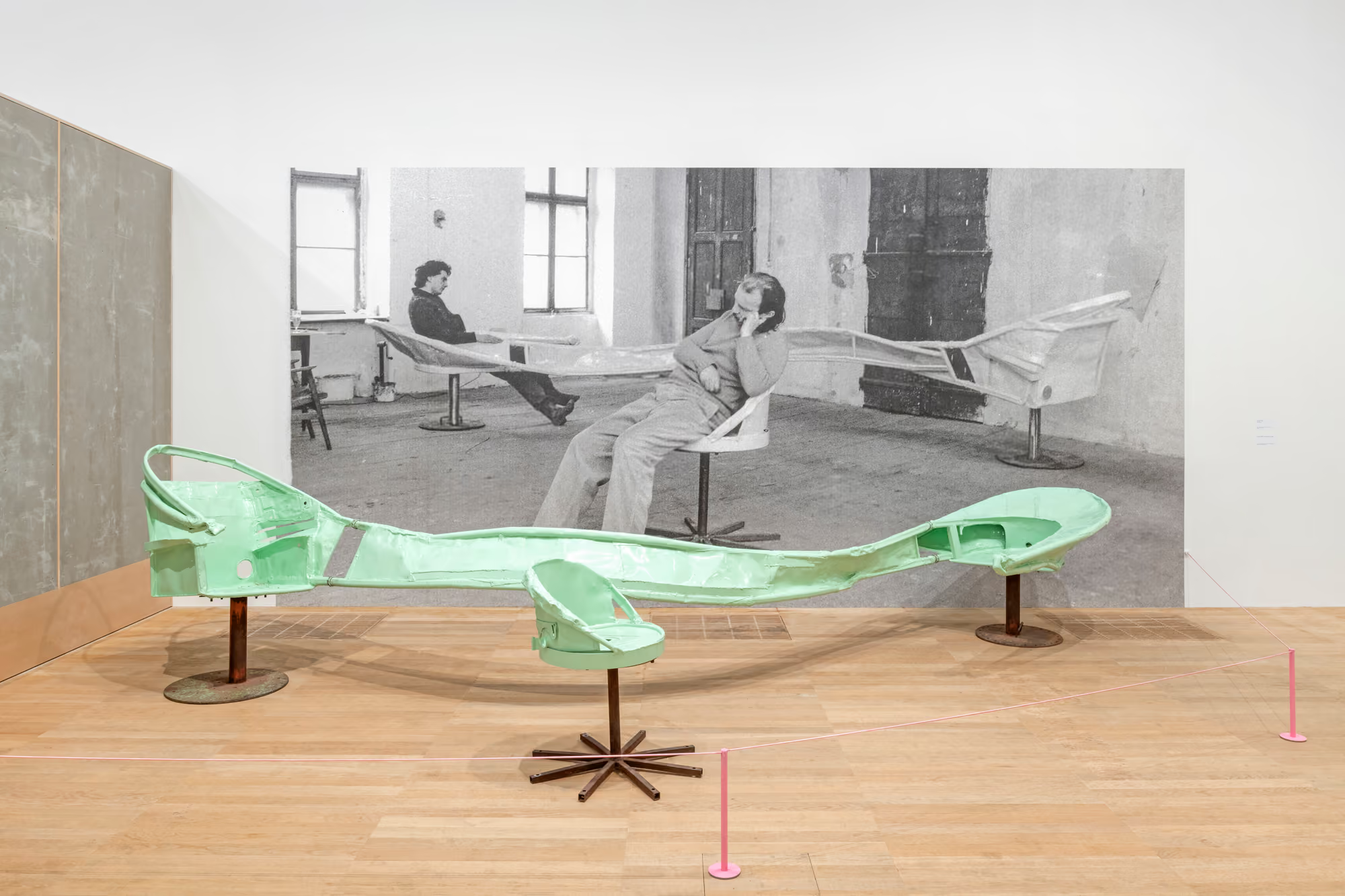
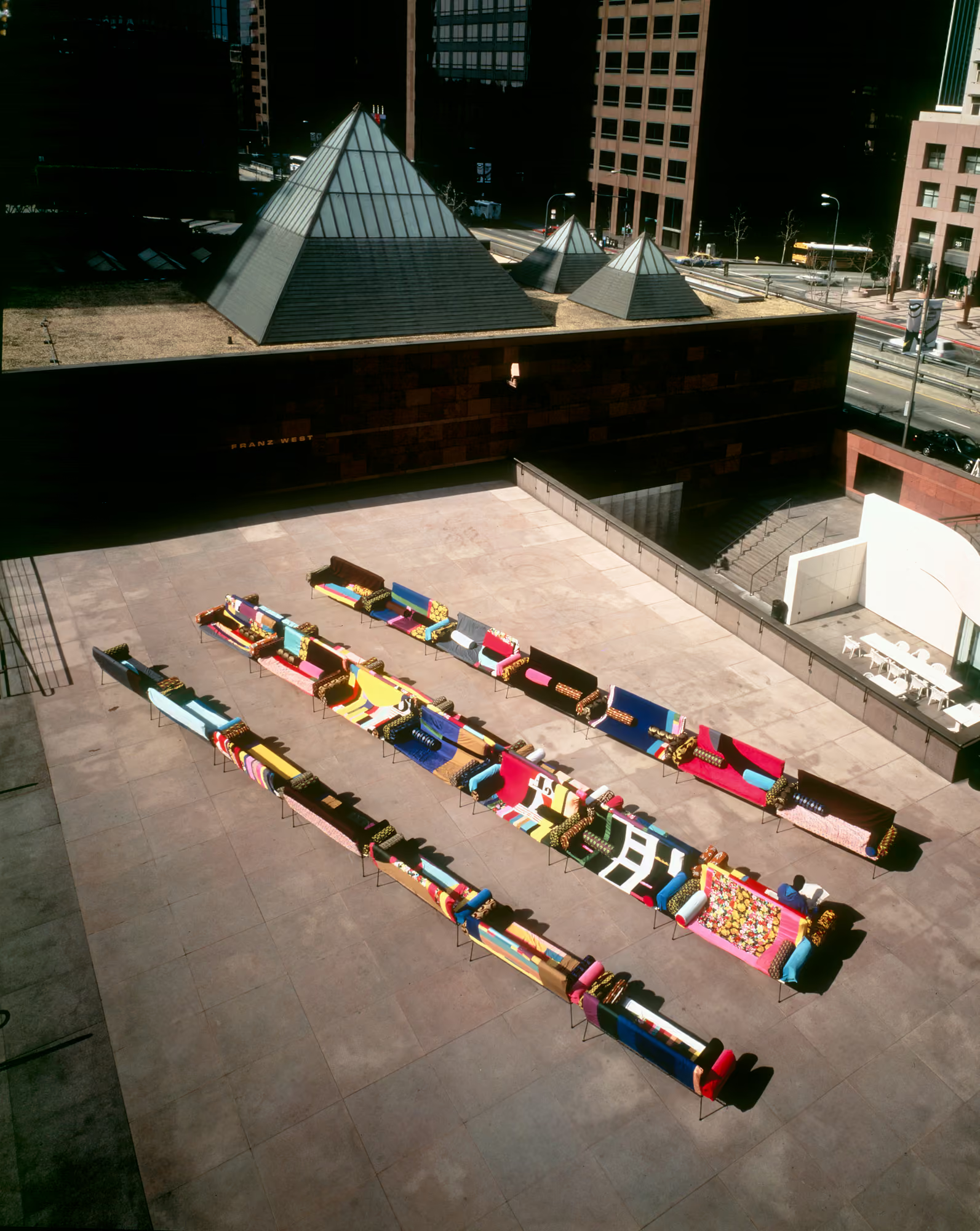
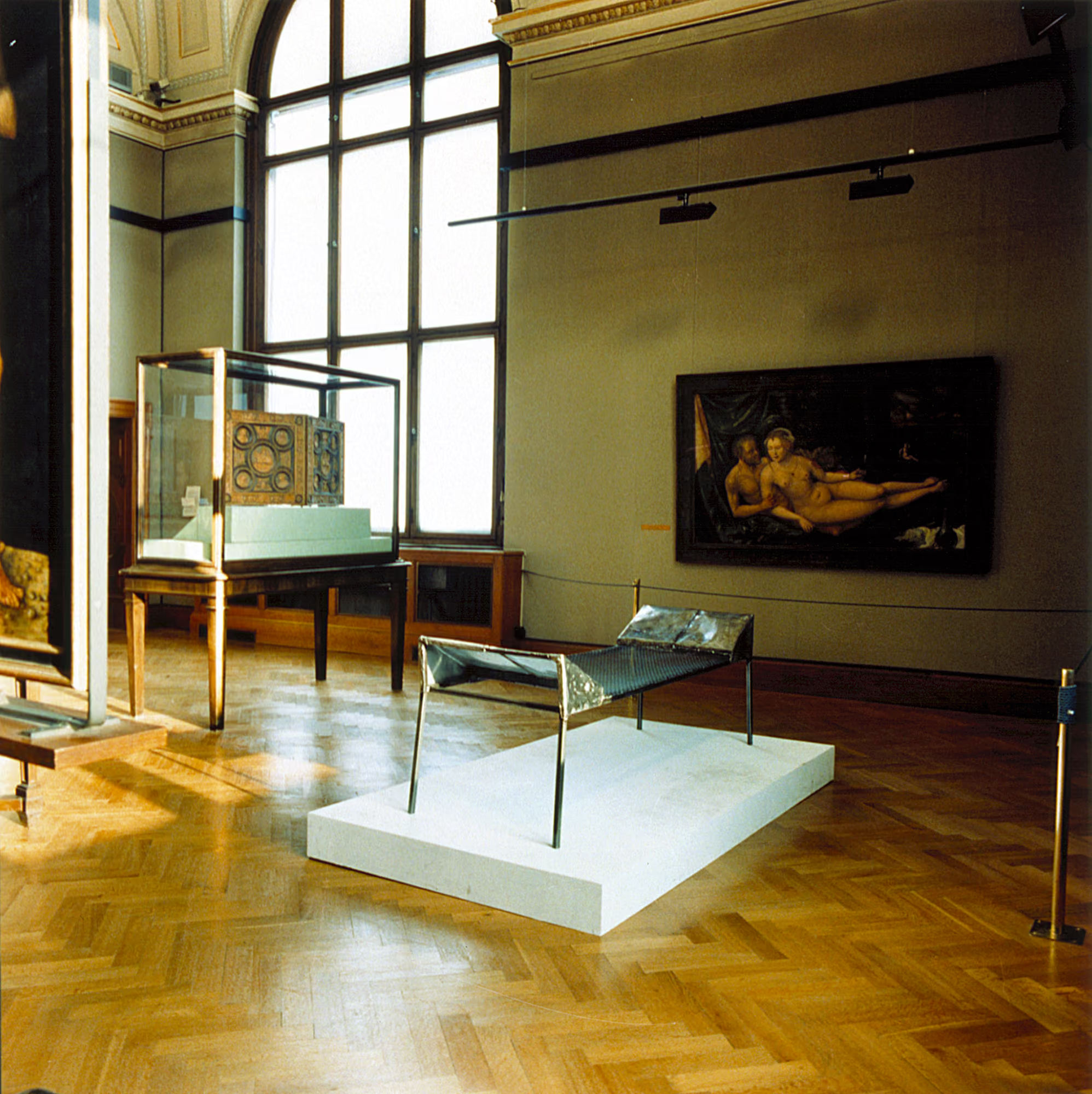
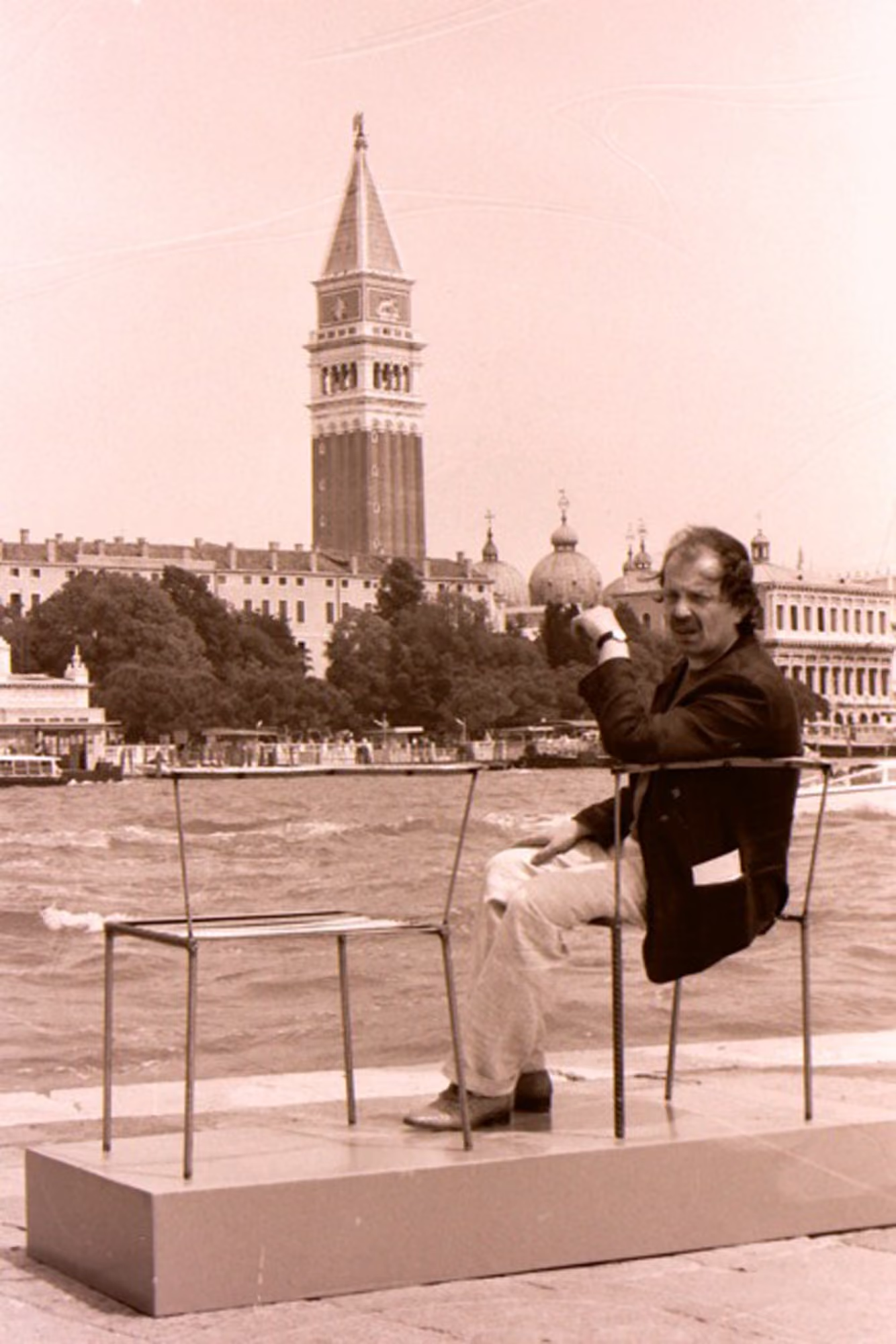
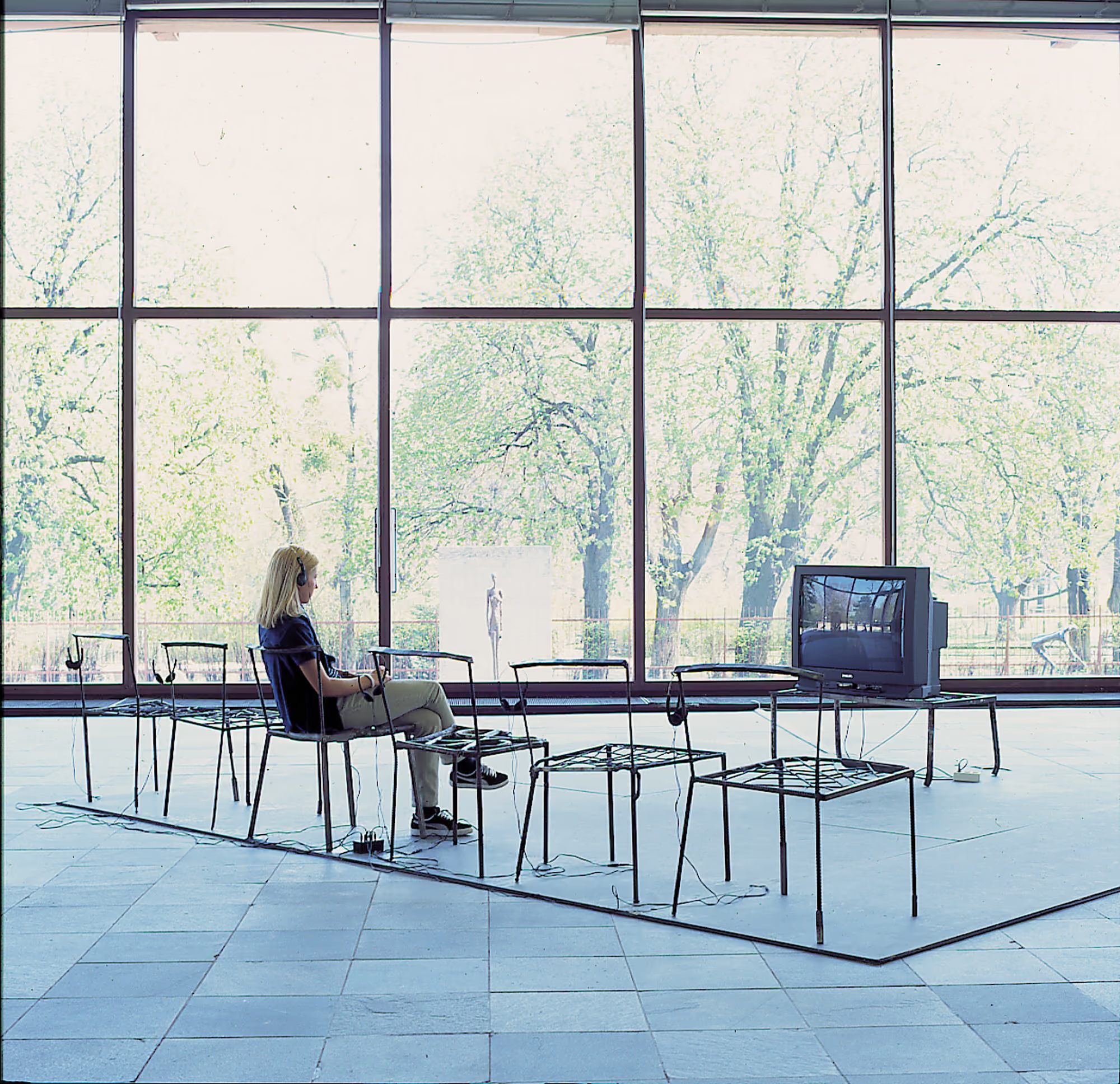
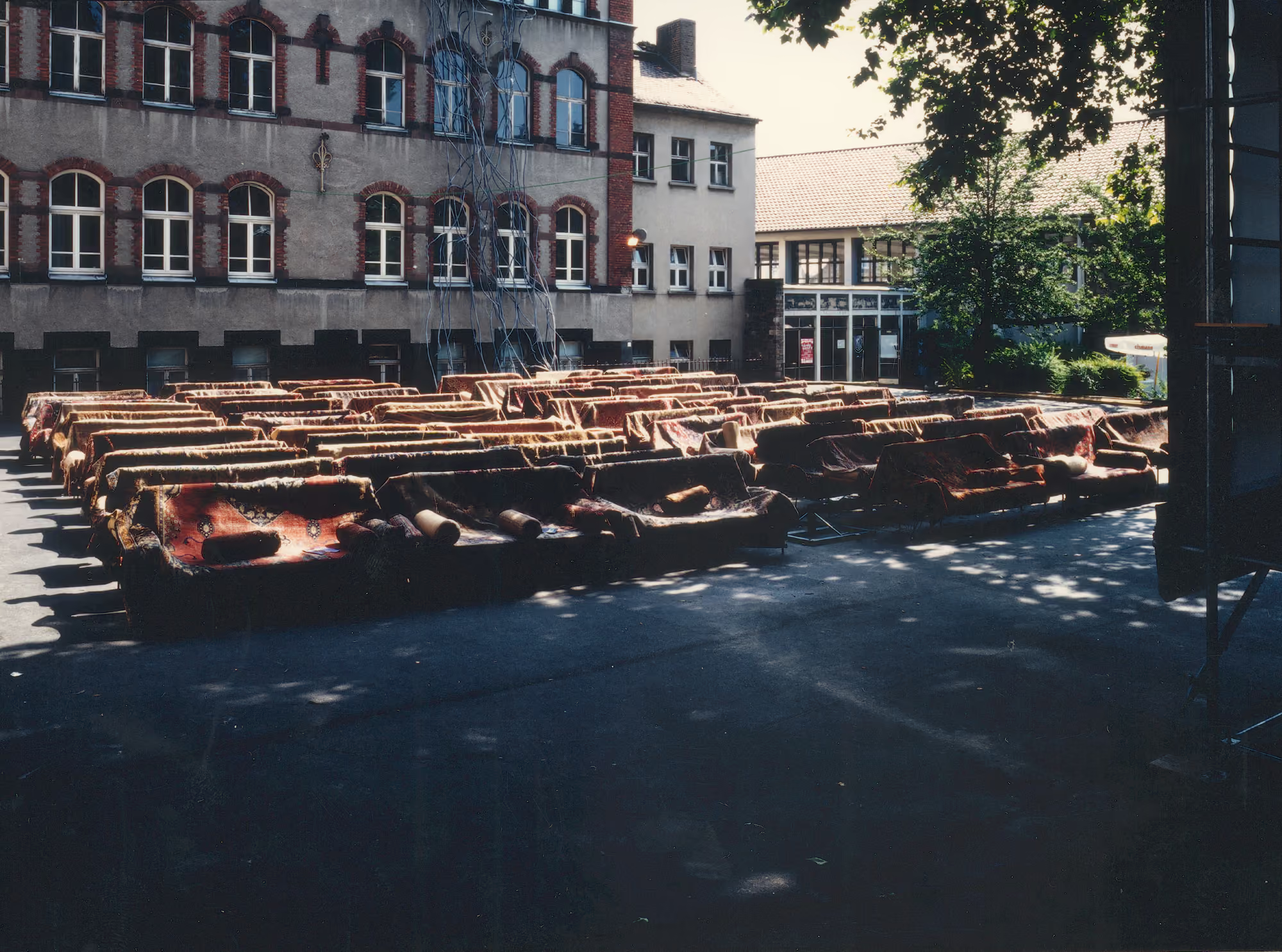
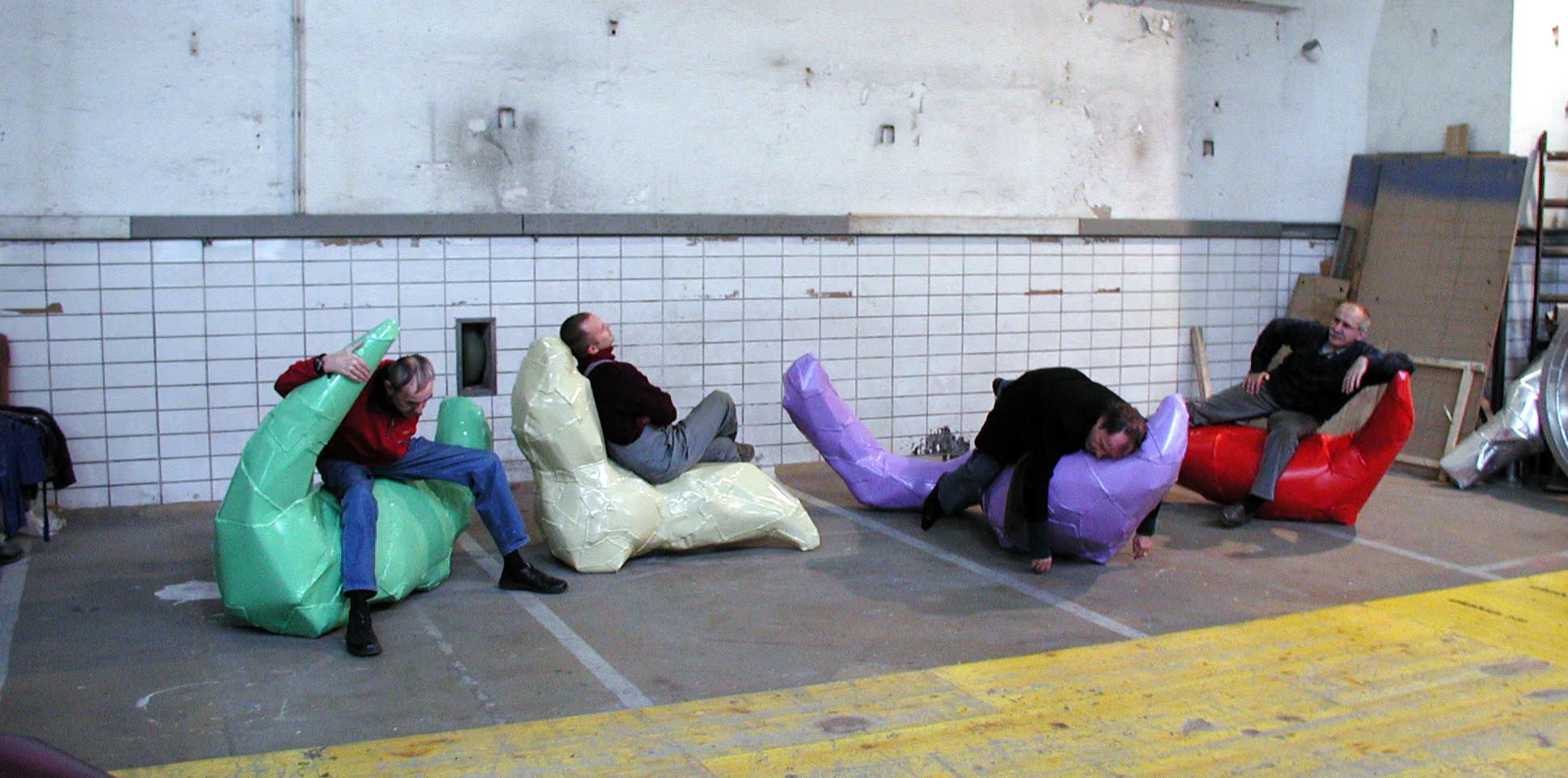
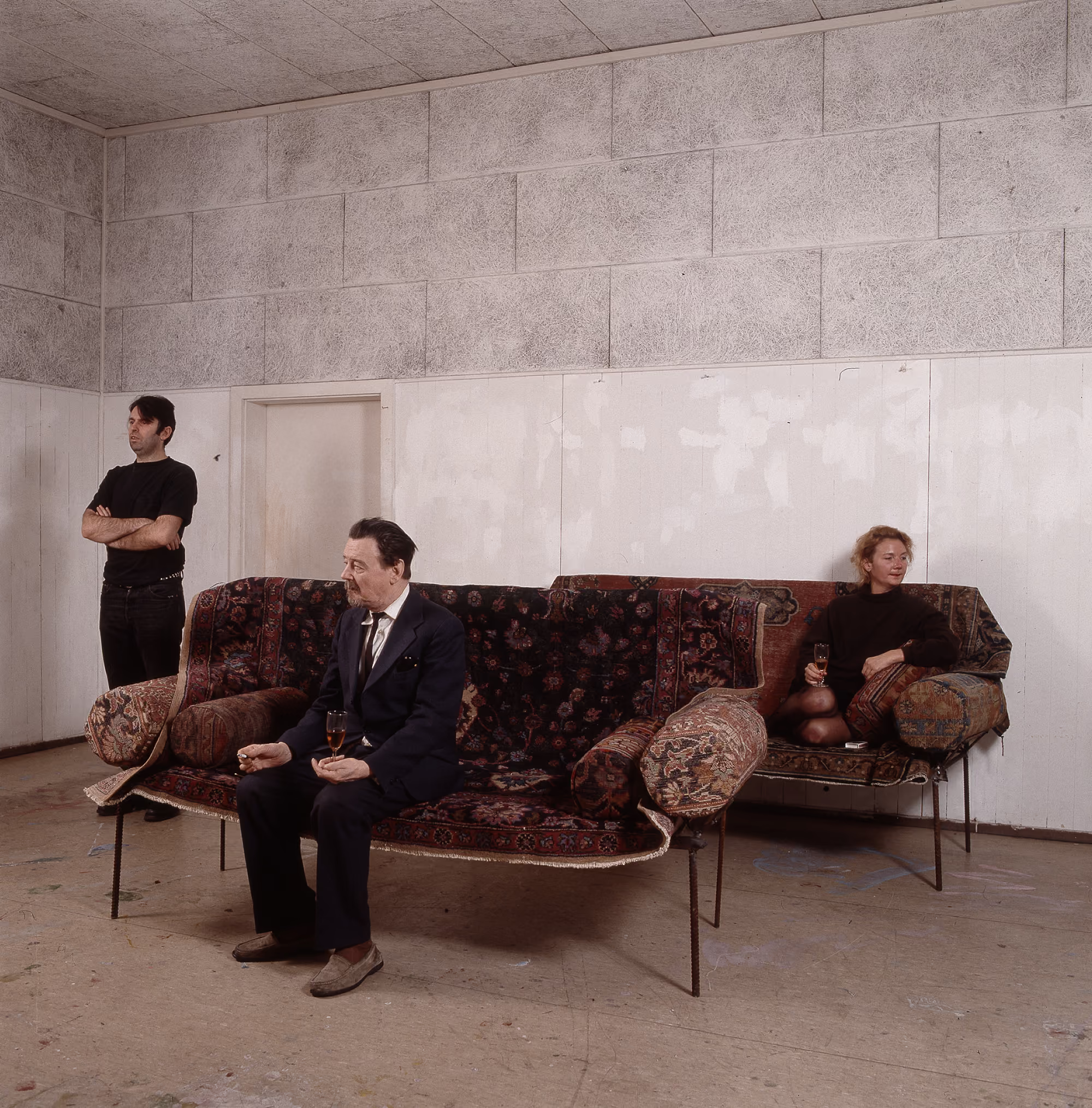
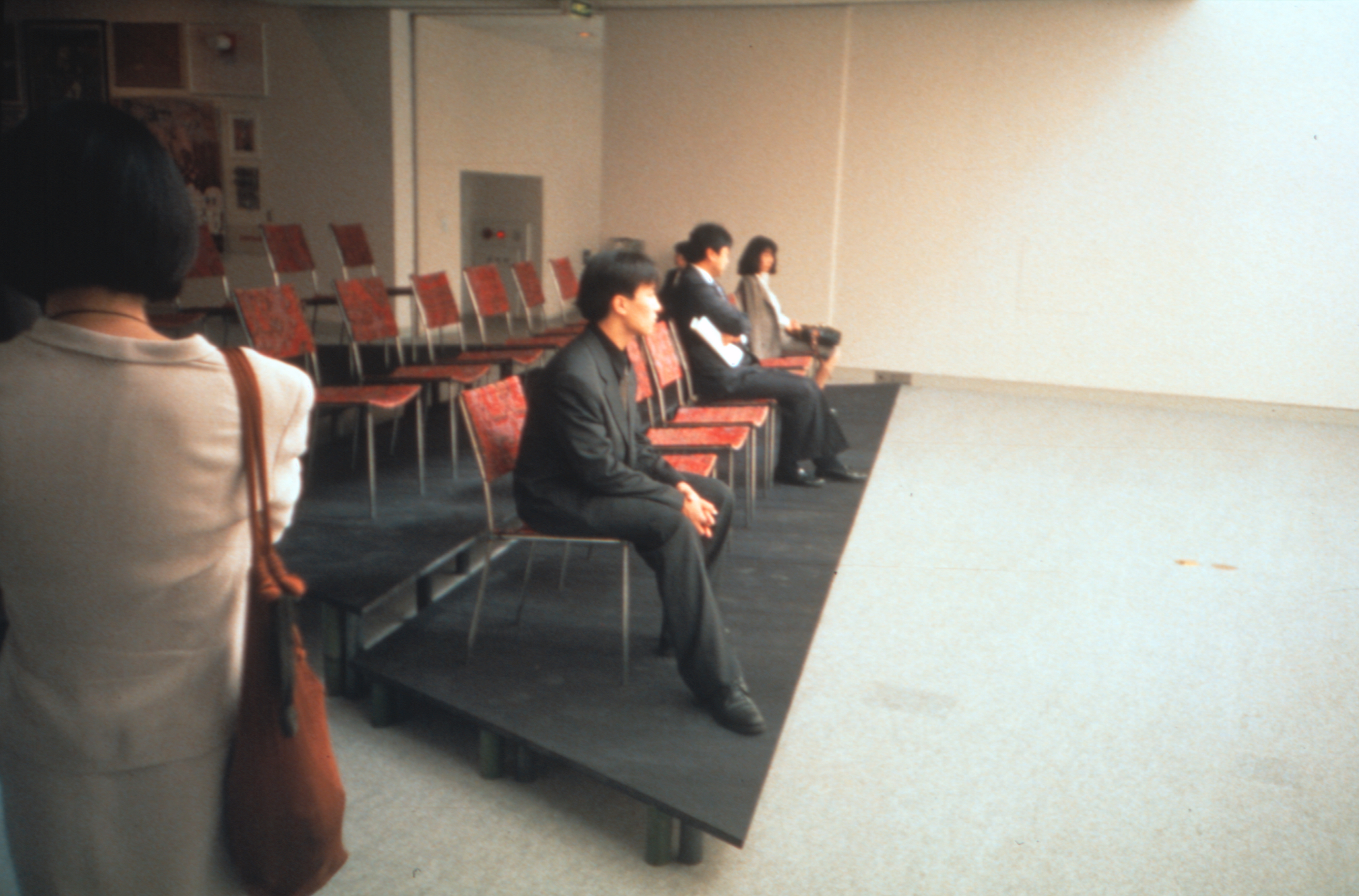
For Franz West, furniture sculptures are an extension of his famous Adaptives: a chair is, as it were, the imprint of a person when they are not walking, lying down, or standing.
Plaster, metal (shower head)
51 x 33 x 15 cm
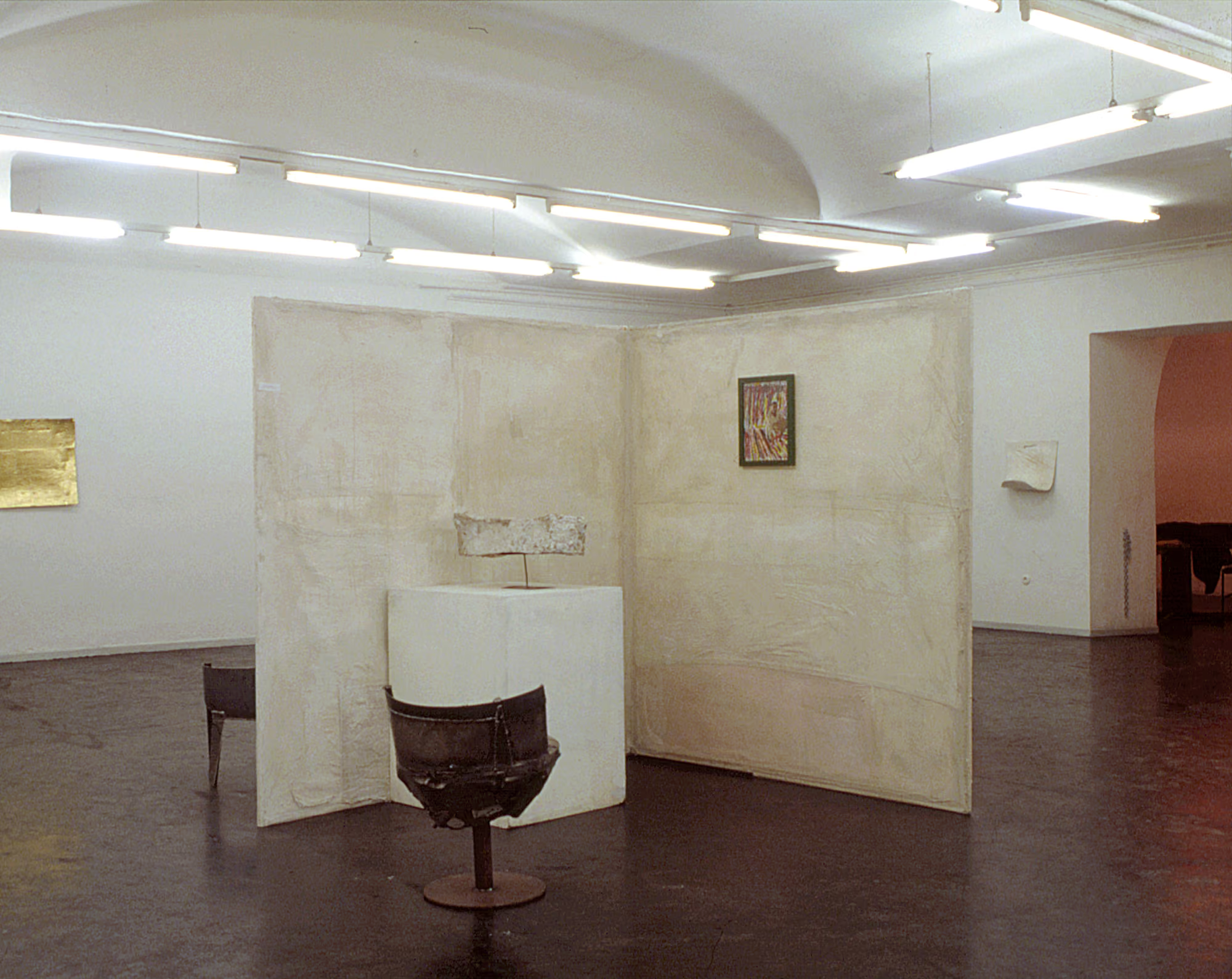
In the 1970s, Franz West reinterpreted the traditional concept of sculpture: objects were meant to be used and, when adapted to the body, to gain an additional artistic dimension. The materials used are primarily plaster, gauze, and papier-mâché, which he combined with everyday items such as broomsticks, brushes, handles, or, in this case, a shower head.
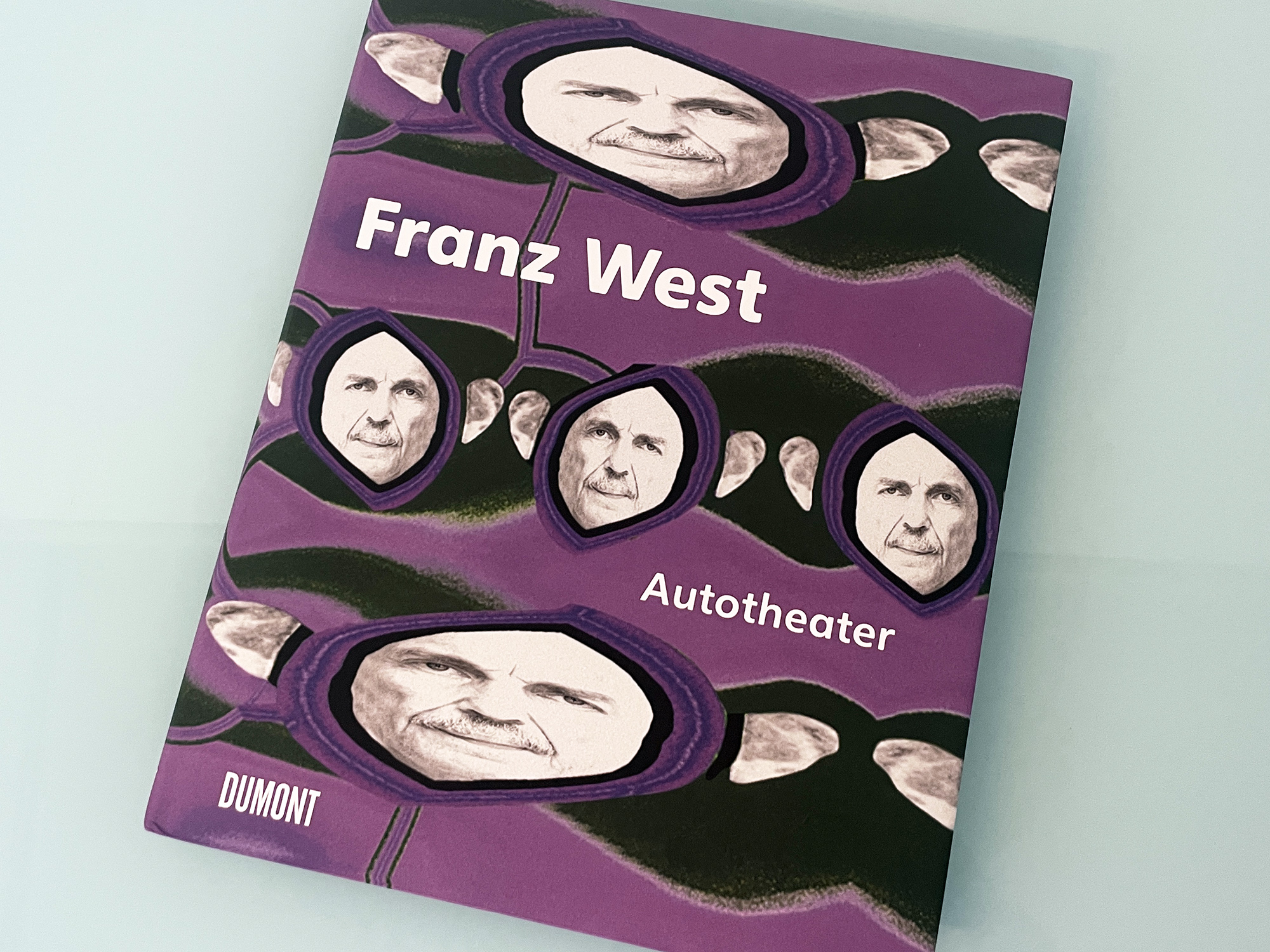
An extensive chronology of Franz West was published in the 2009 exhibition catalog for "Autotheater" at the Museum Ludwig in Cologne. The first part was originally written by Eva Badura-Triska for Franz West's first retrospective, "Proforma," at the Museum Moderner Kunst Stiftung Ludwig in the 20er Haus in Vienna. Andrea Überbacher-Kloiber expanded the biography for the catalog up to the year 2009.
This timeline provides an overview of selected milestones in the life and work of Franz West.
Edition: 3
painted cast aluminum,
225 (H) x 115 x 64 cm
245 (H) x 130 x 80 cm
The Lemurs are an interpretation of the human figure. To the Romans, they were the souls of the departed; to Karl Kraus, they were metaphorical specters. In Franz West’s work, the heads often appear in pairs, usually welded from aluminum for outdoor display.