1947–2012
The Life of Franz West
An artist biography
that shapes the avant-garde
that shapes the avant-garde
Franz West was born in Vienna on February 16, 1947. His mother, Emilie West (1907–1988), was a dentist, and his father, Ferdinand Zokan (1903–1971), ran a coal business; his sister, Anna, was born in 1935. The family lived in the Karl-Marx-Hof, a famous Viennese public housing complex. His mother’s dental practice was attached to the family apartment, a fact that would later influence his artistic work.
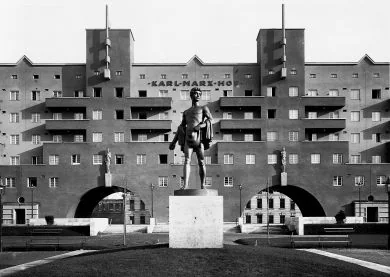
Karl-Marx-Hof, Vienna
His school years in Vienna were marked by various dropouts and changes of school; he finished his schooling without a certificate. Even then, he frequented establishments where the Viennese art scene was present: Café Sport, the Art Center, Café Hohenstaufen, Café Savoy, and the Kleine Café.
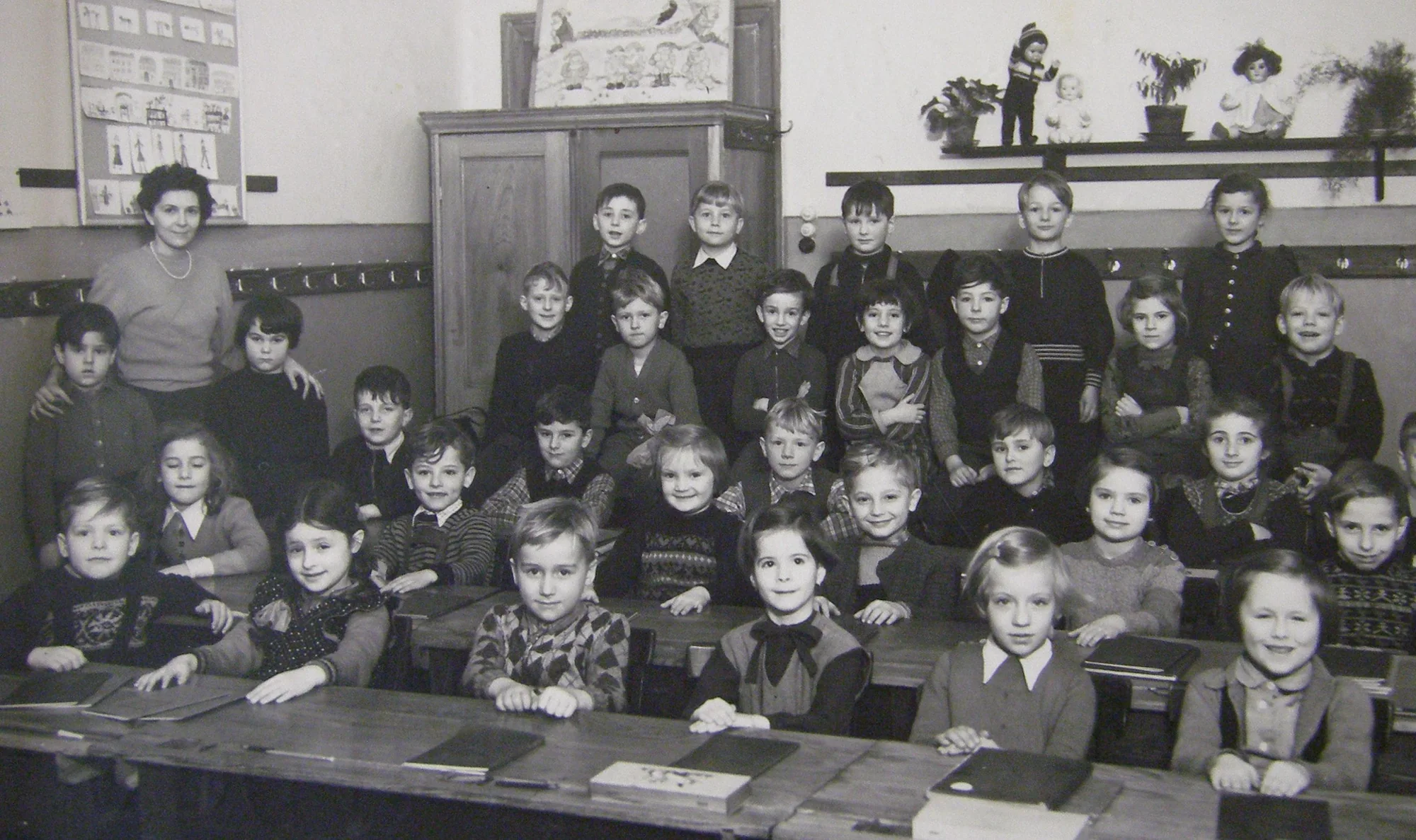
Class photo, c. 1953/54
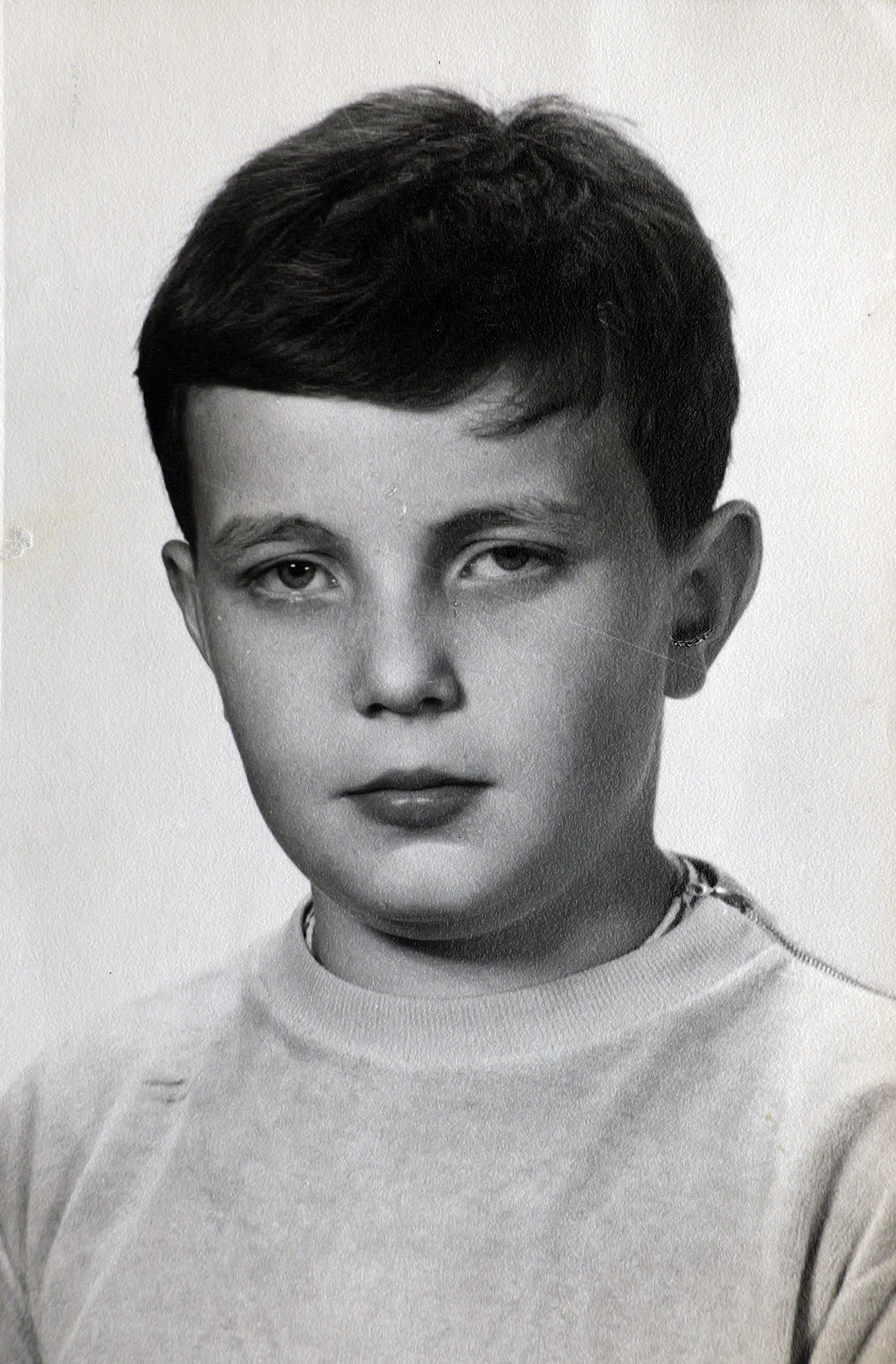
Franz West, c. 1954/55
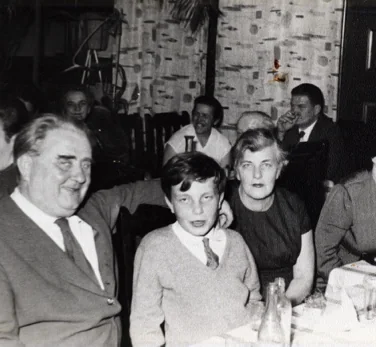
Franz West with his parents, c. 1955
Biographical fragments from his childhood and youth appear many years later, more or less hidden, in his artistic material: his sister Anne’s first name, his own childhood bed in "Quotation", or his parents' discarded washing machine in "Eo ipso".
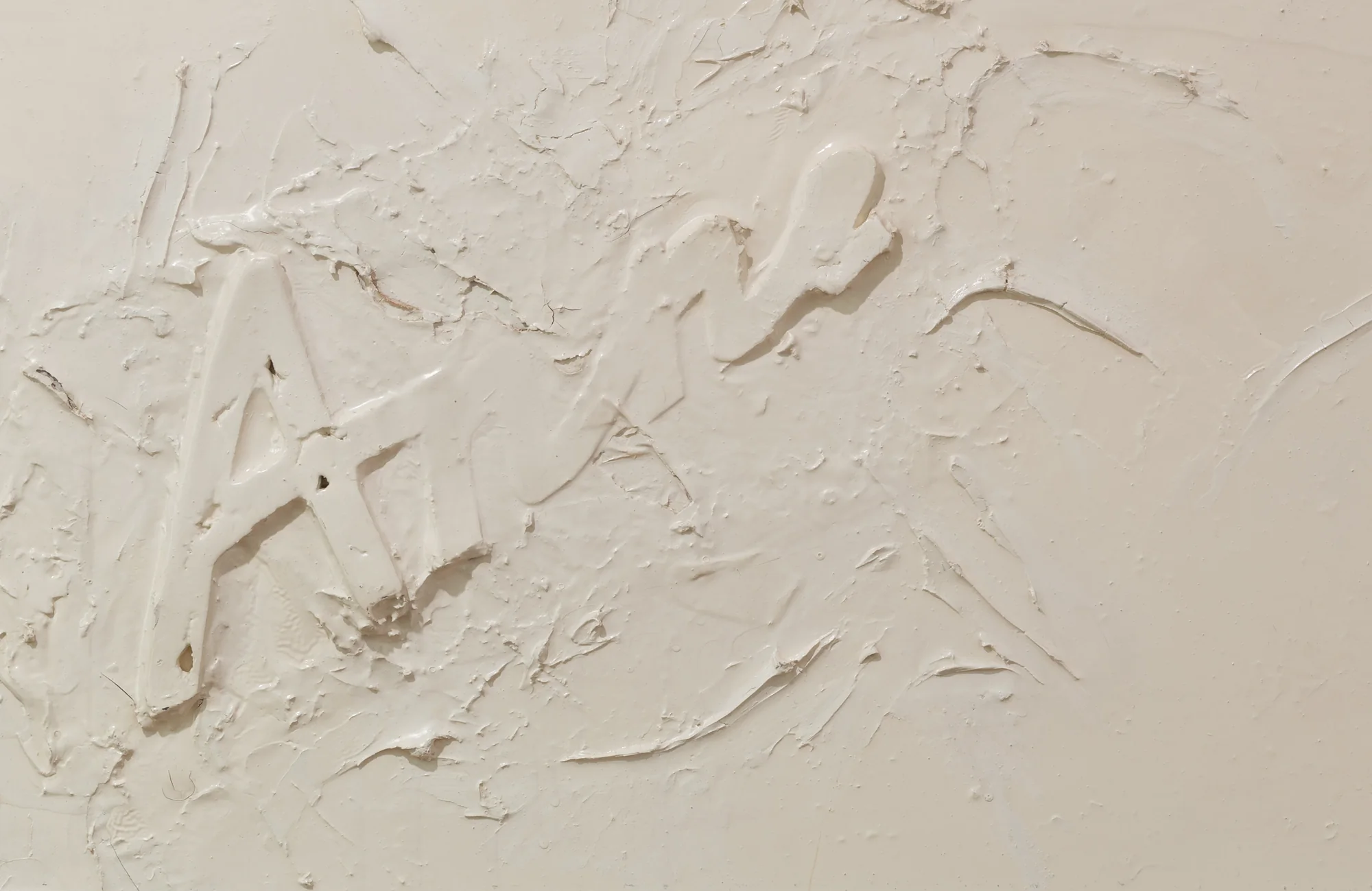
Name plate (Anne), n.d. (detail)
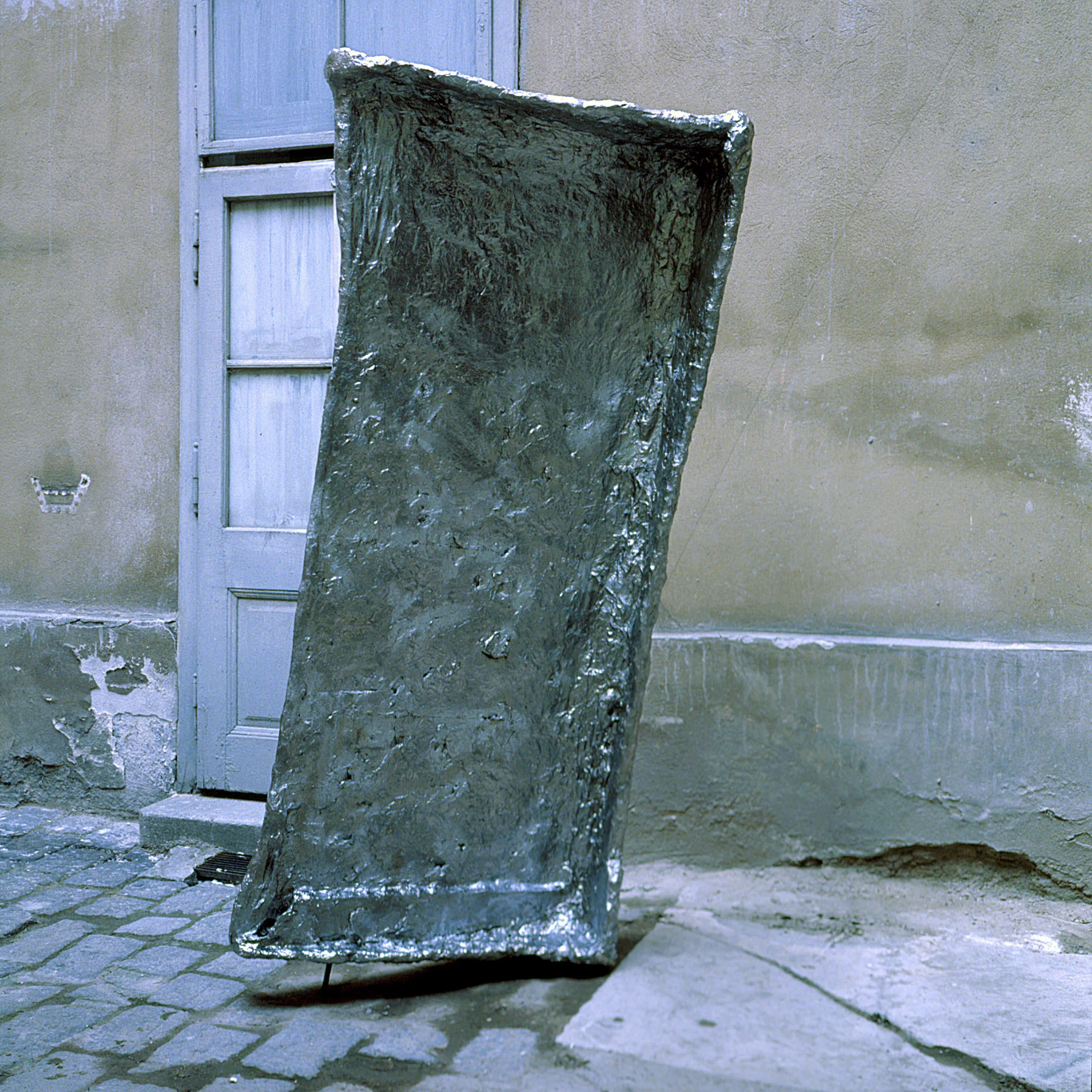
"Quotation", 1985
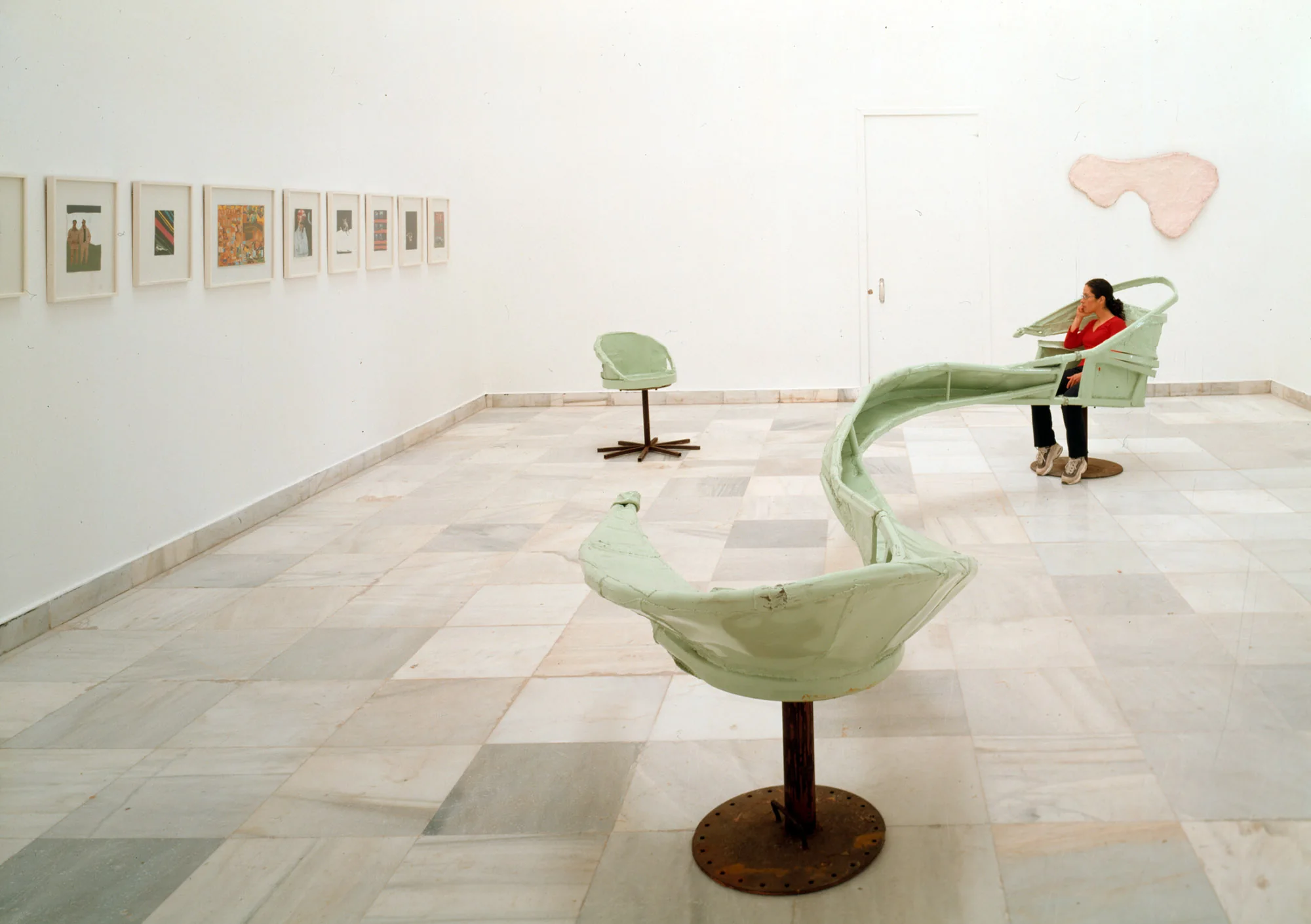
"Eo ipso", 1987
On June 28, Hermann Nitsch’s 3rd Action took place in Otto Muehl’s studio, titled the "Festival of Psycho-Physical Naturalism". Franz West was a spectator at this first publicly accessible performative act by the Viennese Actionists. Throughout his career, he repeatedly positioned himself against this artistic movement. About 20 years later, he processed this encounter in a gouache on a magazine page.
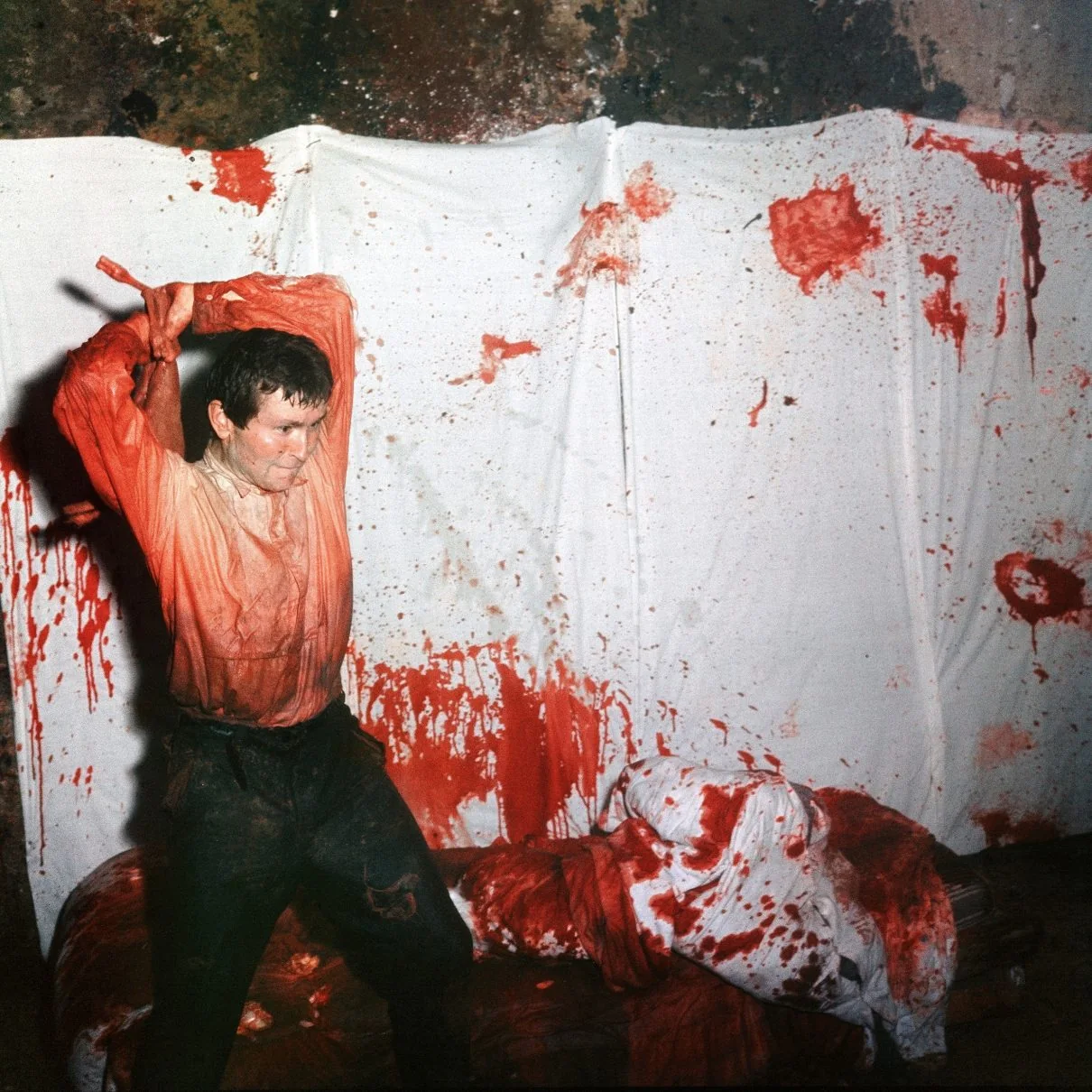
Hermann Nitsch at the 3rd Action on June 28, 1963
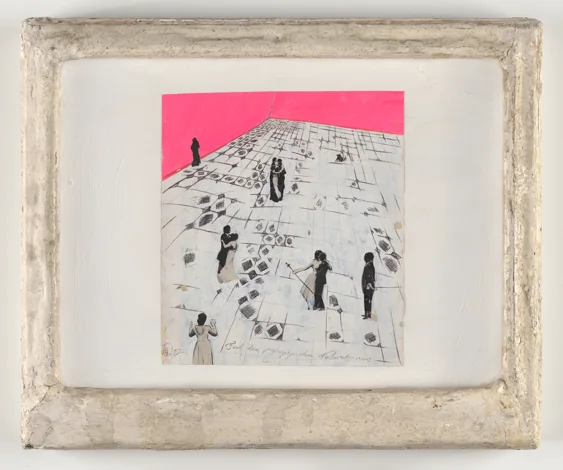
Feast of psycho-physical naturalism, 1982
What is commonly referred to as the "University Obscenity" took place on June 7 in Lecture Hall 1 of the New Institute Building at the University of Vienna. "Art and Revolution" was the actual title of the event by Günter Brus, Franz Kaltenbeck, Otto Muehl, Peter Weibel, and Oswald Wiener, featuring texts and actions that led to the prosecution of Brus, Muehl, and Wiener. Throughout his life, Franz West himself claimed that he had been present and had even encouraged the audience to applaud.
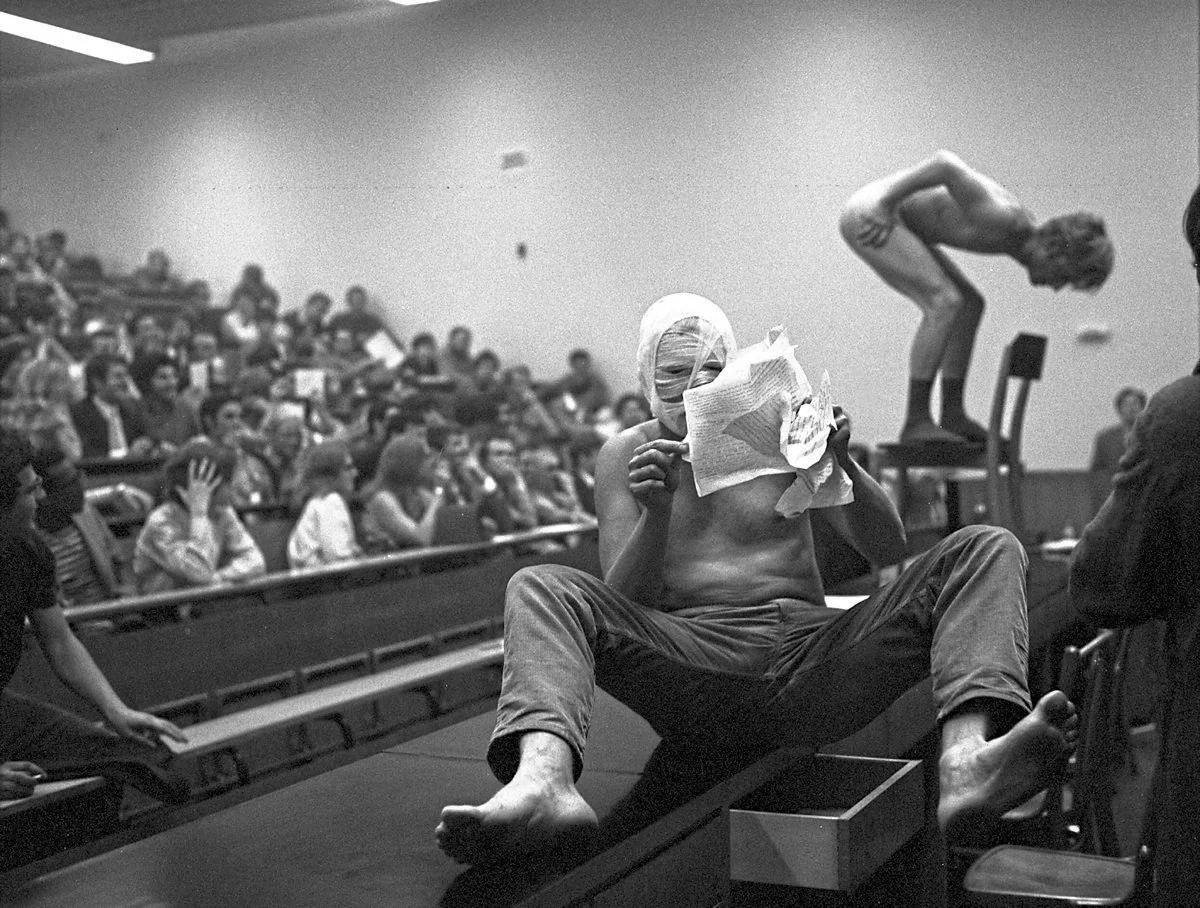
Art and Revolution, June 7, 1968, Lecture Hall 1, NIG
Around the time his father died, Franz West began to develop his artistic skills autodidactically, as if in an act of liberation. This is symbolically represented by his gradual detachment from his family name, Zokan, in favor of his mother’s maiden name, West. By his own account, this art was intended to please his mother and perhaps also to justify his artistic path, which is why he later referred to these works as "mother art". Small-format works on paper were created: ballpoint pen drawings, pencil drawings, gouaches, and watercolors.
At the beginning of the 1970s, his contact with his half-brother, the working-class poet Otto Kobalek, who was seventeen years his senior, intensified. Otto, who was also an actor, impressed Franz West with his creative approach to body and language. Through him, he met other artistic figures in the Vienna scene.
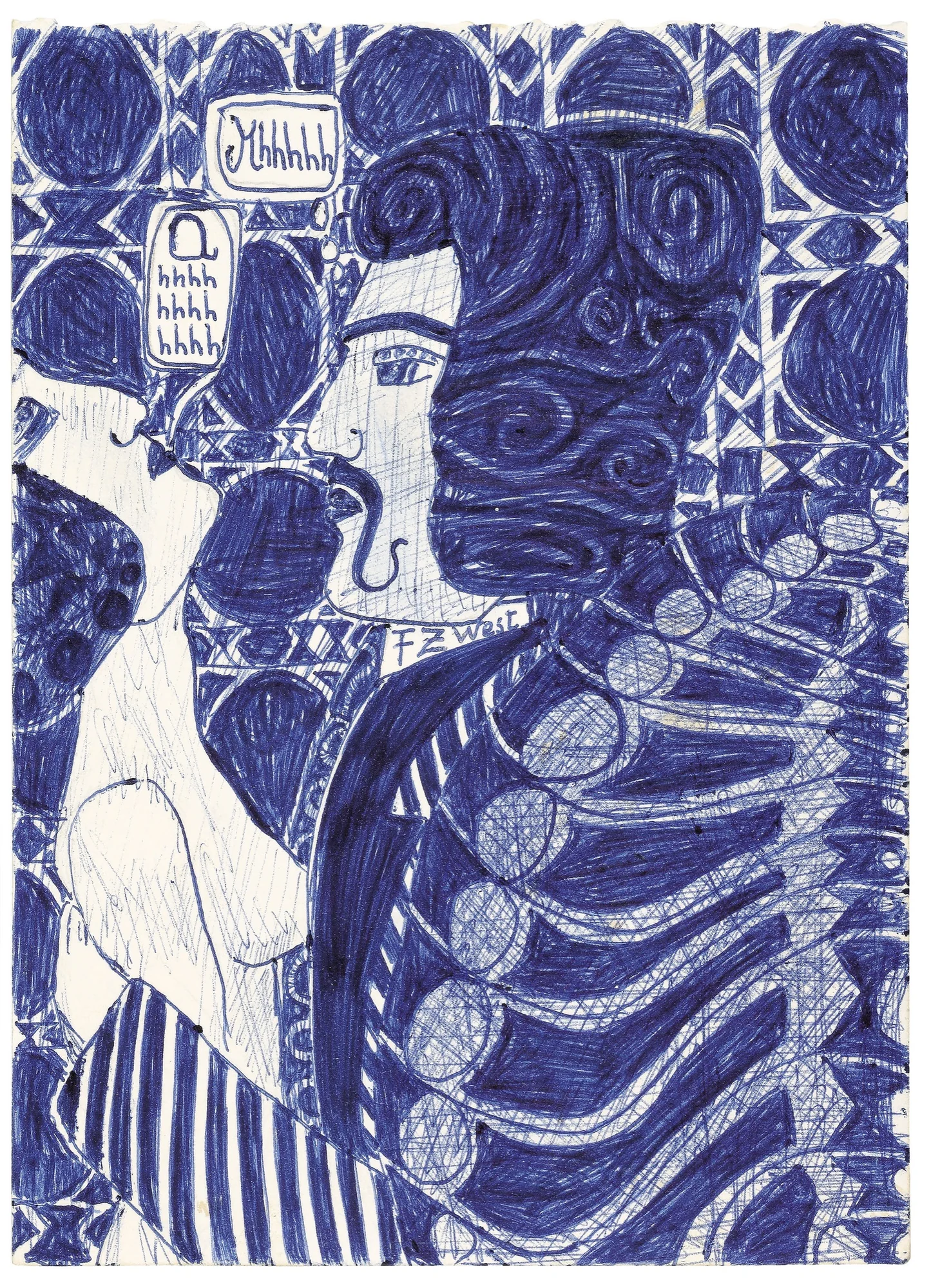
Untitled, c. 1970/71
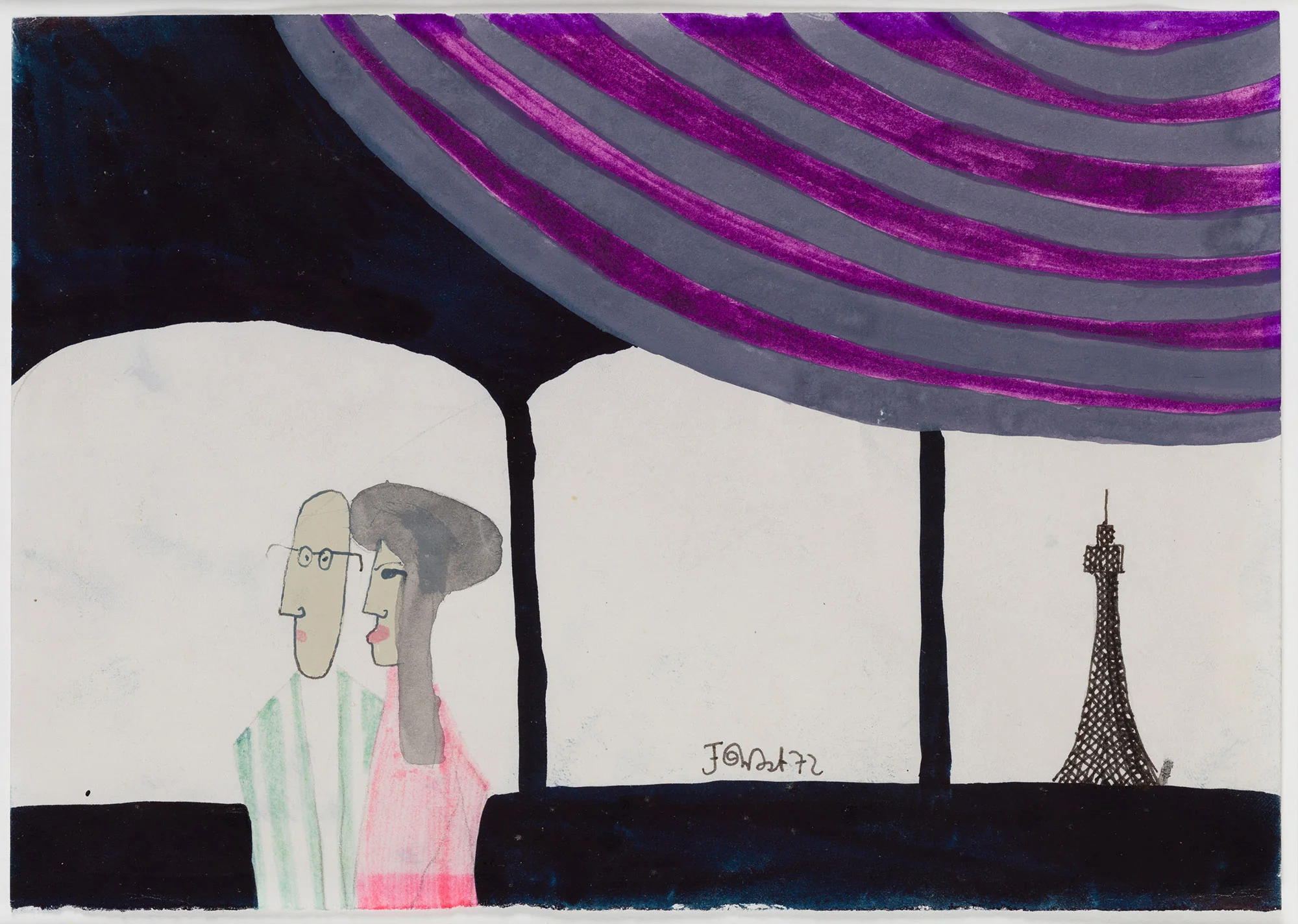
Untitled, 1972
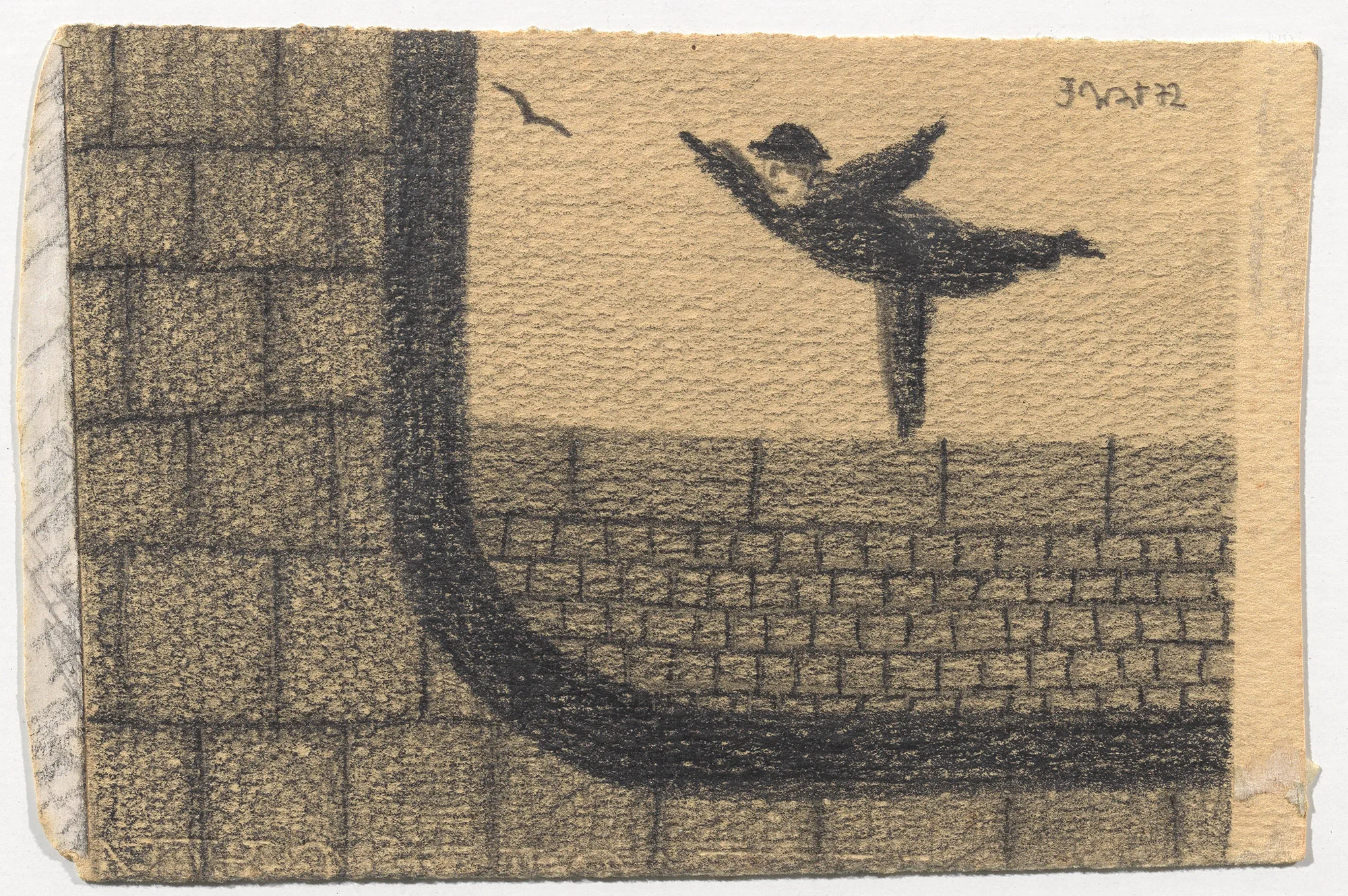
Untitled, 1972
His first sculptural works were created, and West met the writer, essayist, and art critic Reinhard Priessnitz, with whom he would later formulate important texts about his work.
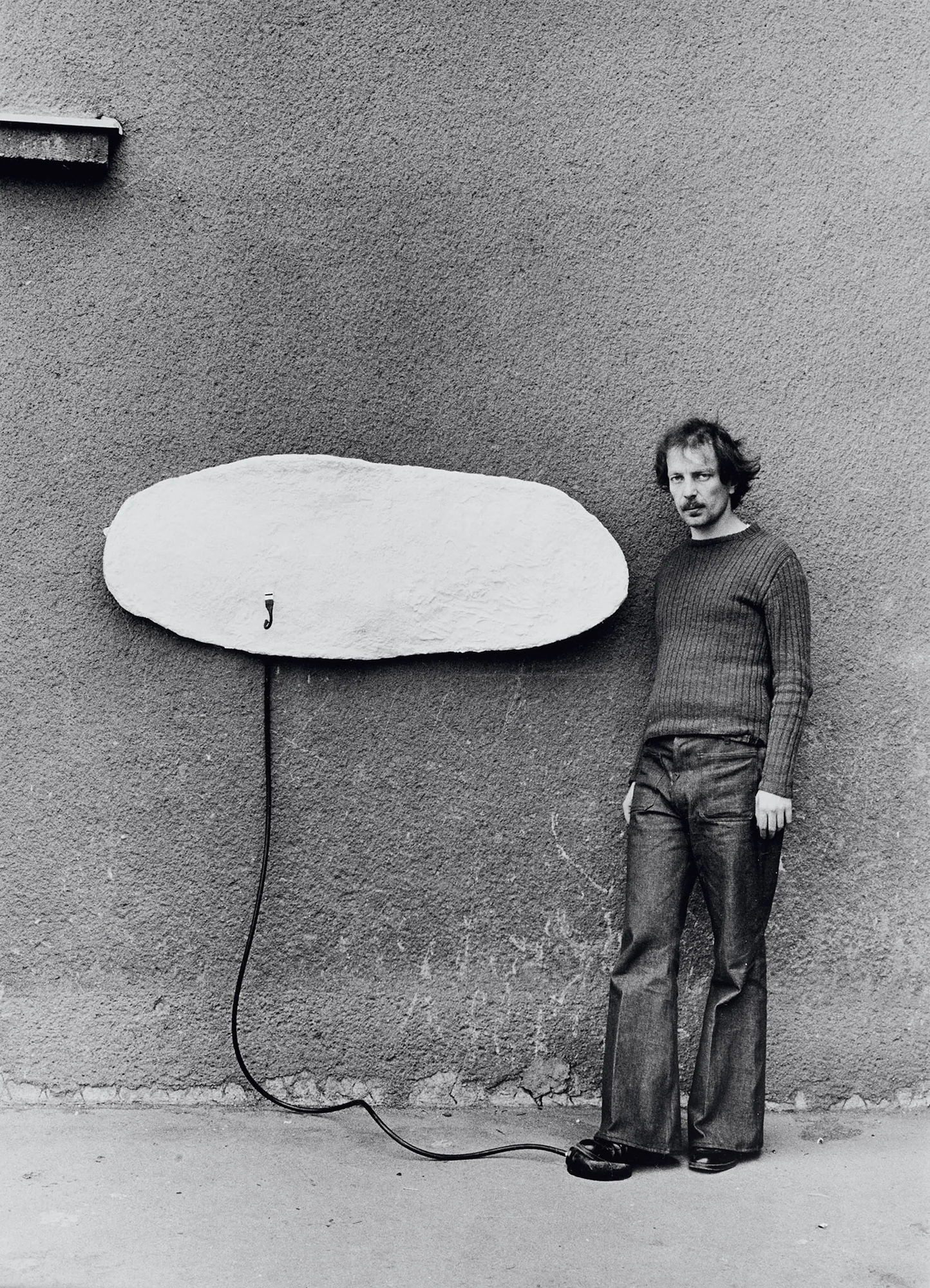
Franz West with Untitled, 1974
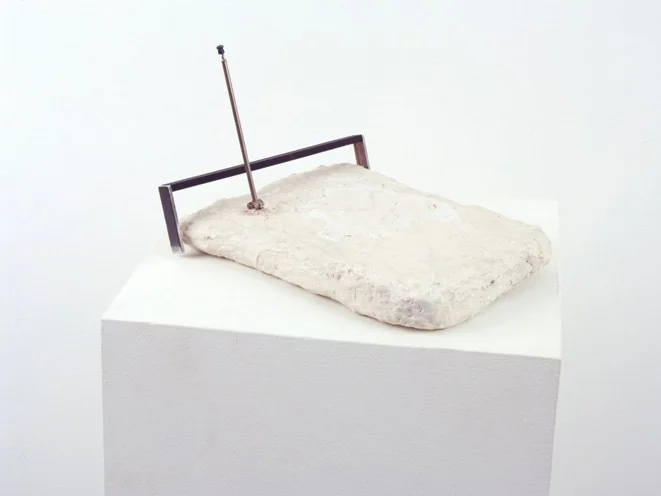
Untitled, 1974
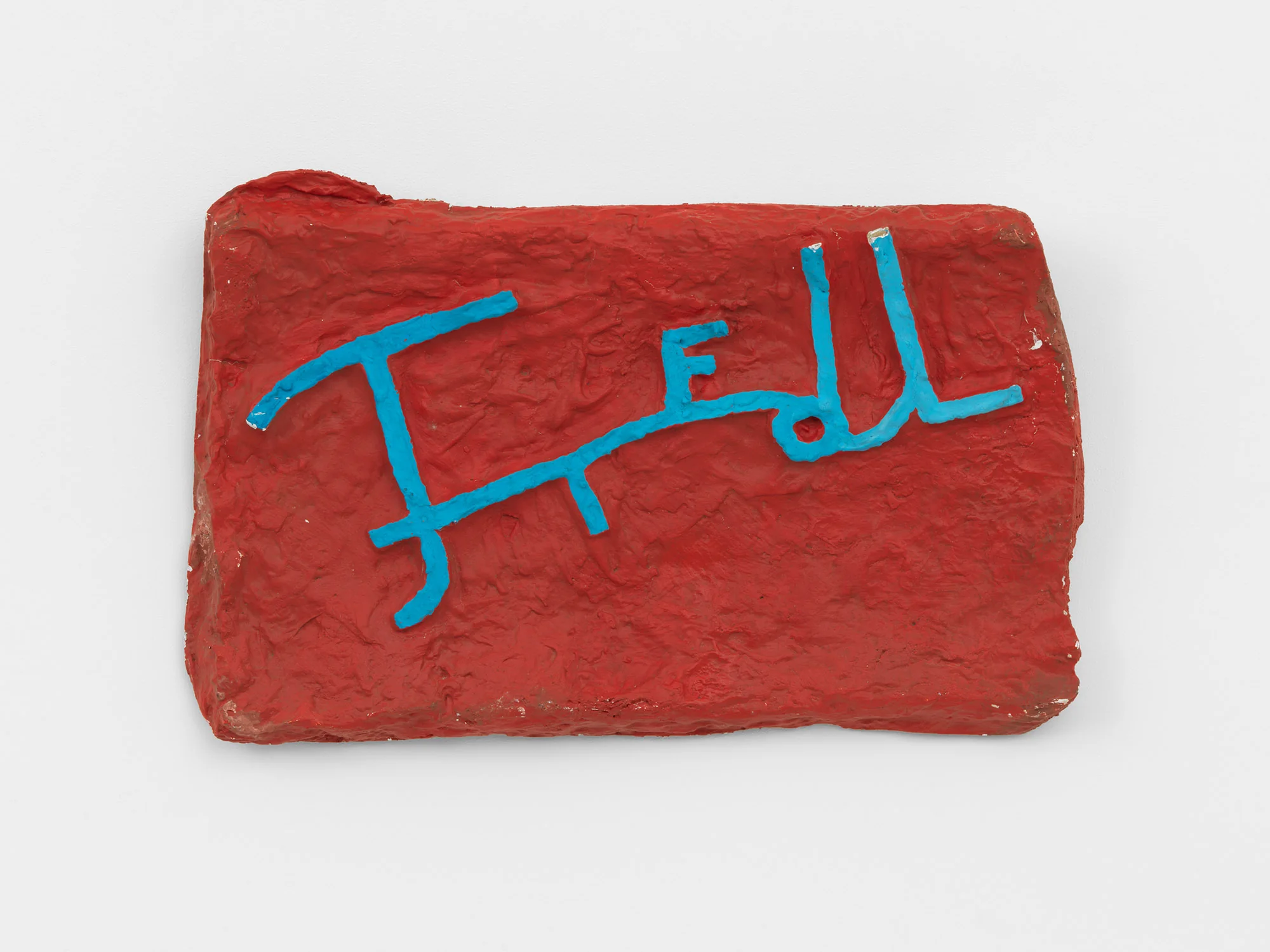
Name plate (Fredl), 1974
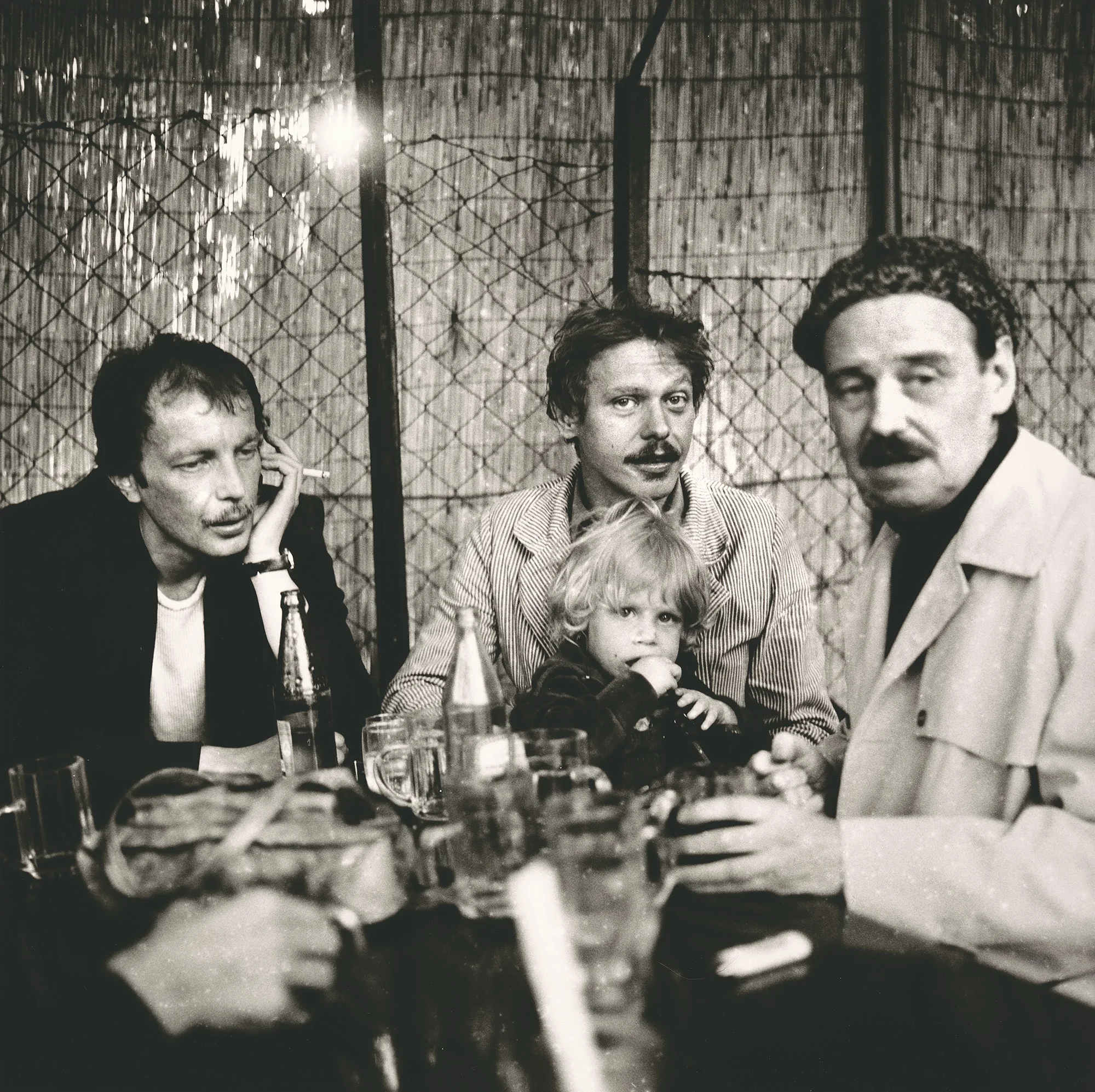
Franz West, Reinhard with Konrad Priessnitz and Otto Kobalek at a wine tavern
Under the title "Central Theme: Stupidity and Semantics", West held his first exhibition at the Galerie nächst St. Stephan in Vienna. He displayed collages featuring decals.
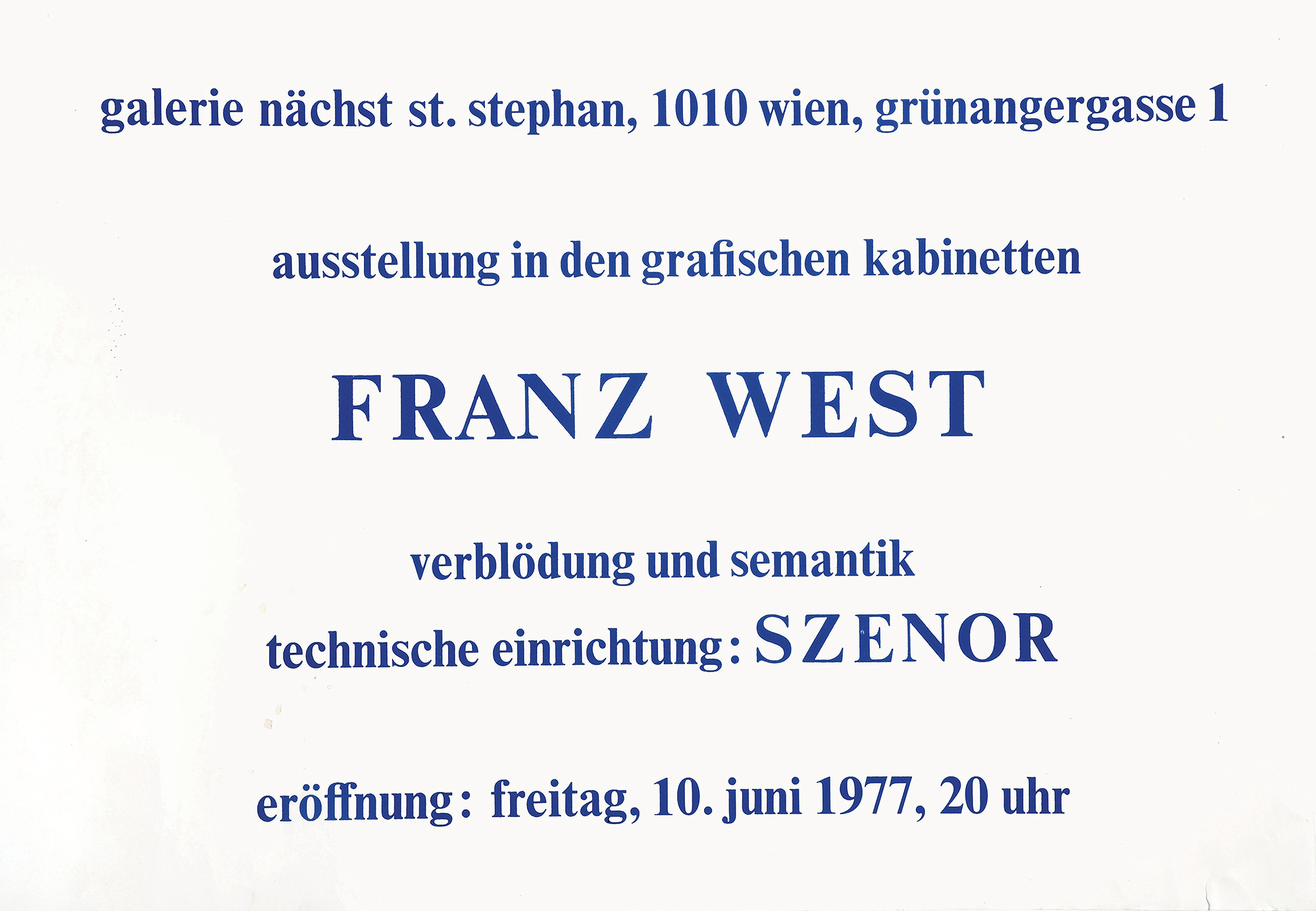
Invitation to the exhibition "Stupidity and Semantics", 1977
Bruno Gironcoli, who became head of the sculpture department at the Academy of Fine Arts in 1977, worked with materials including polyester. On the recommendation of their mutual poet friend Hermann Schürrer, he allowed Franz West to work in the Academy’s stone hall. West wanted to create sculptures for outdoor spaces and was particularly interested in polyester—a material that is dimensionally stable but hazardous to health—though he eventually focused more on his Adaptives (Passstücke). After a few months, Gironcoli officially admitted him to his class.
I wanted to transform the pink paper-mâché reliefs I was making at the time into sculptures for the outdoors, standing in open space. But at the Academy, I was only interested in my Adaptives series, which I had just begun—works that, contrary to their intended purpose, were not allowed to be touched or handled in the art trade."
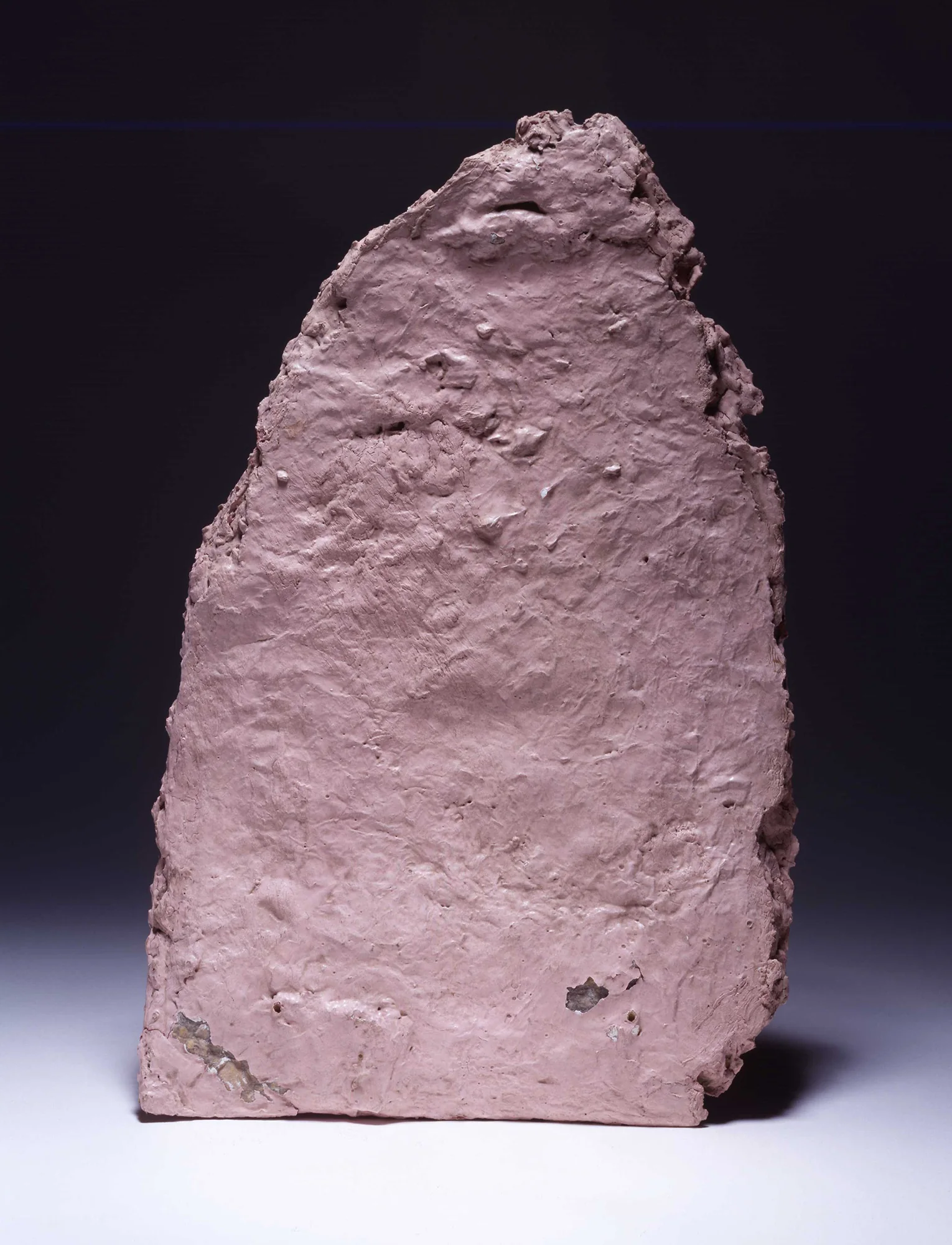
Untitled, c. 1974
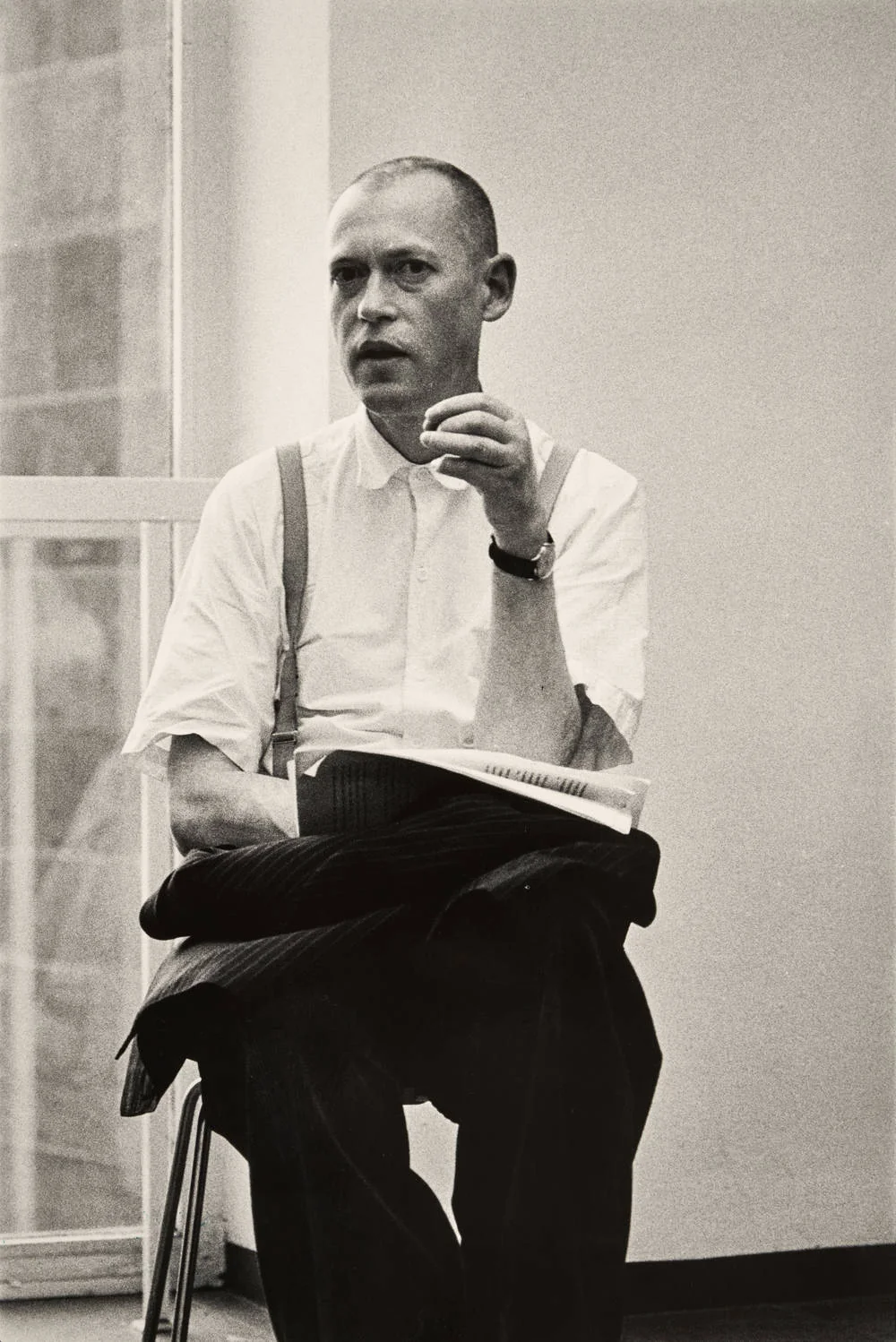
Bruno Gironcoli
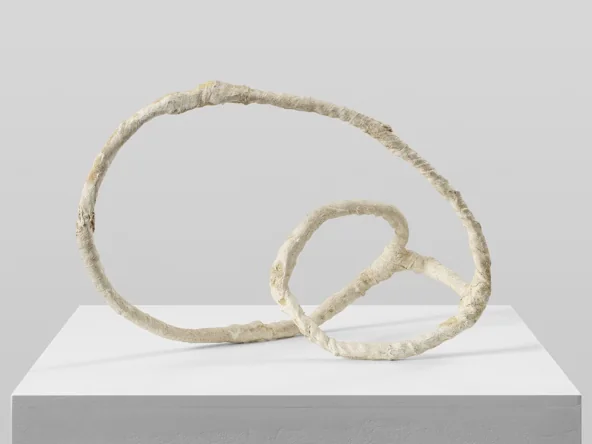
Adaptive, c. 1975
First exhibition abroad. Galerie forme, run by artist Jürgen Wegener in Frankfurt am Main, showed a selection of his collages featuring decals. He was introduced to the gallery by the German art dealer Franz Dahlem. About ten years later, the so-called "Wegener Rooms" were created in the context of this encounter.
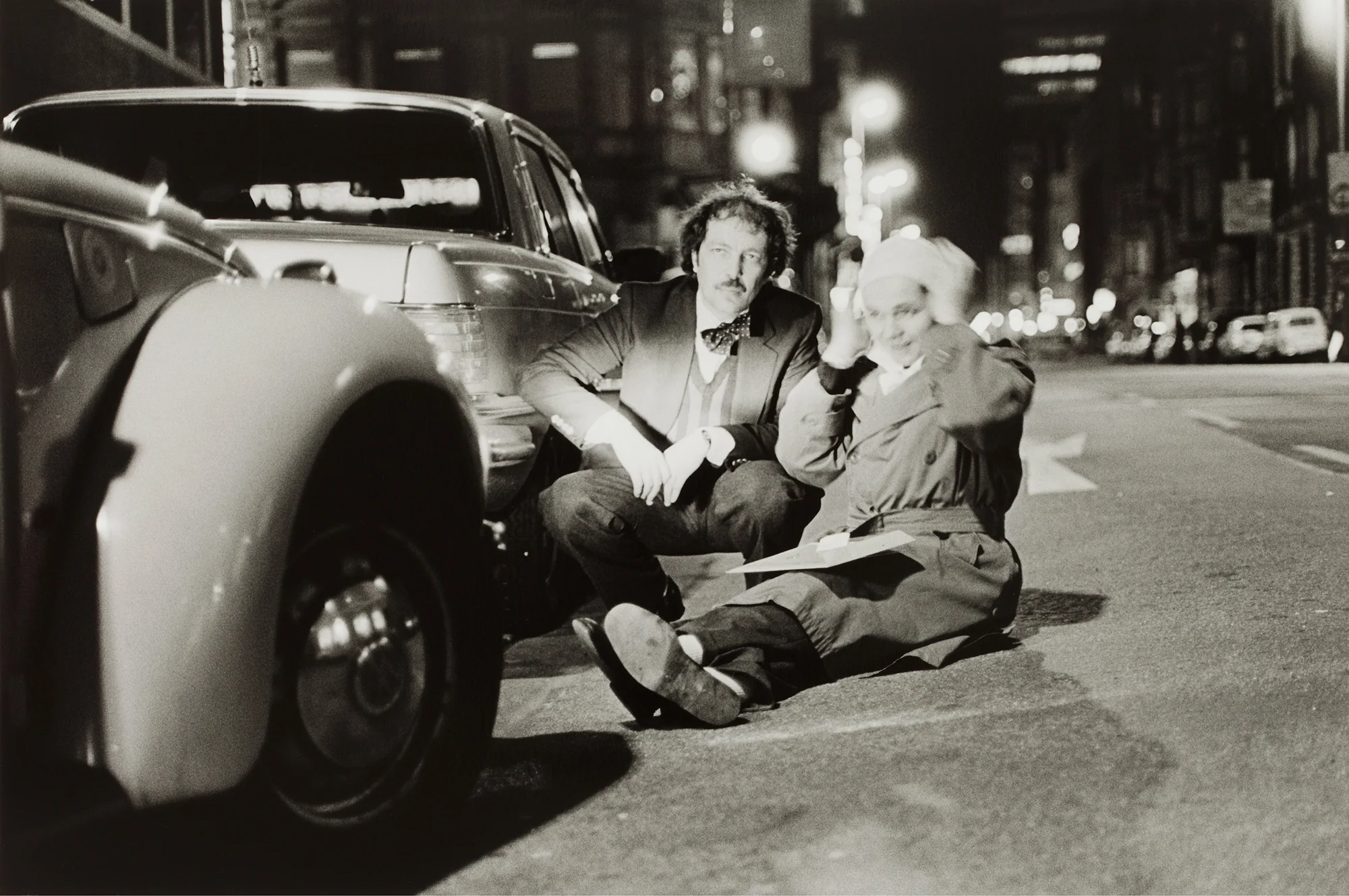
Franz West with gallery owner Franz Dahlem in front of Galerie forme, Frankfurt, 1979
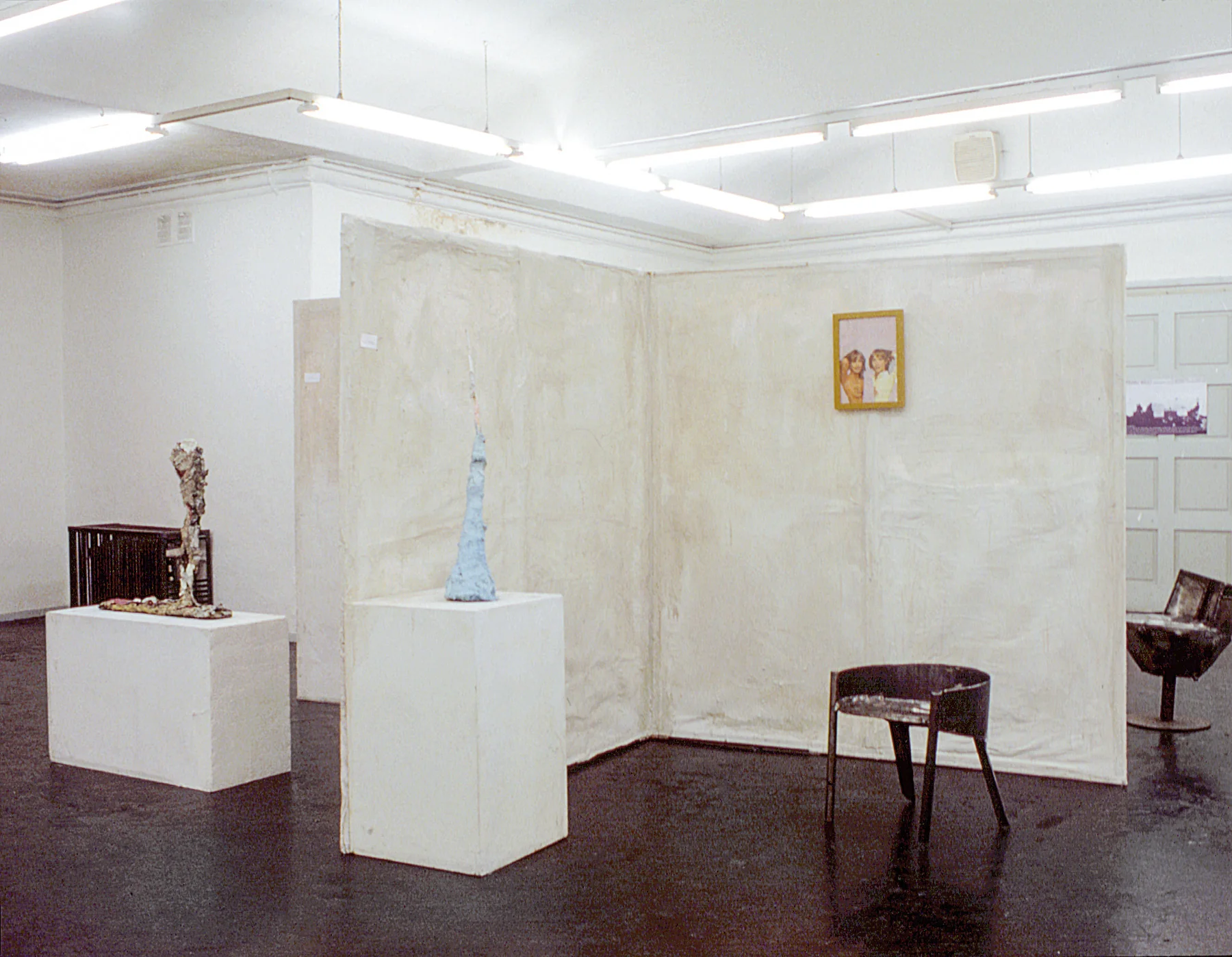
Wegener Rooms 2/6-5/6, 1988, installation view, Galerie Peter Pakesch, Ballgasse
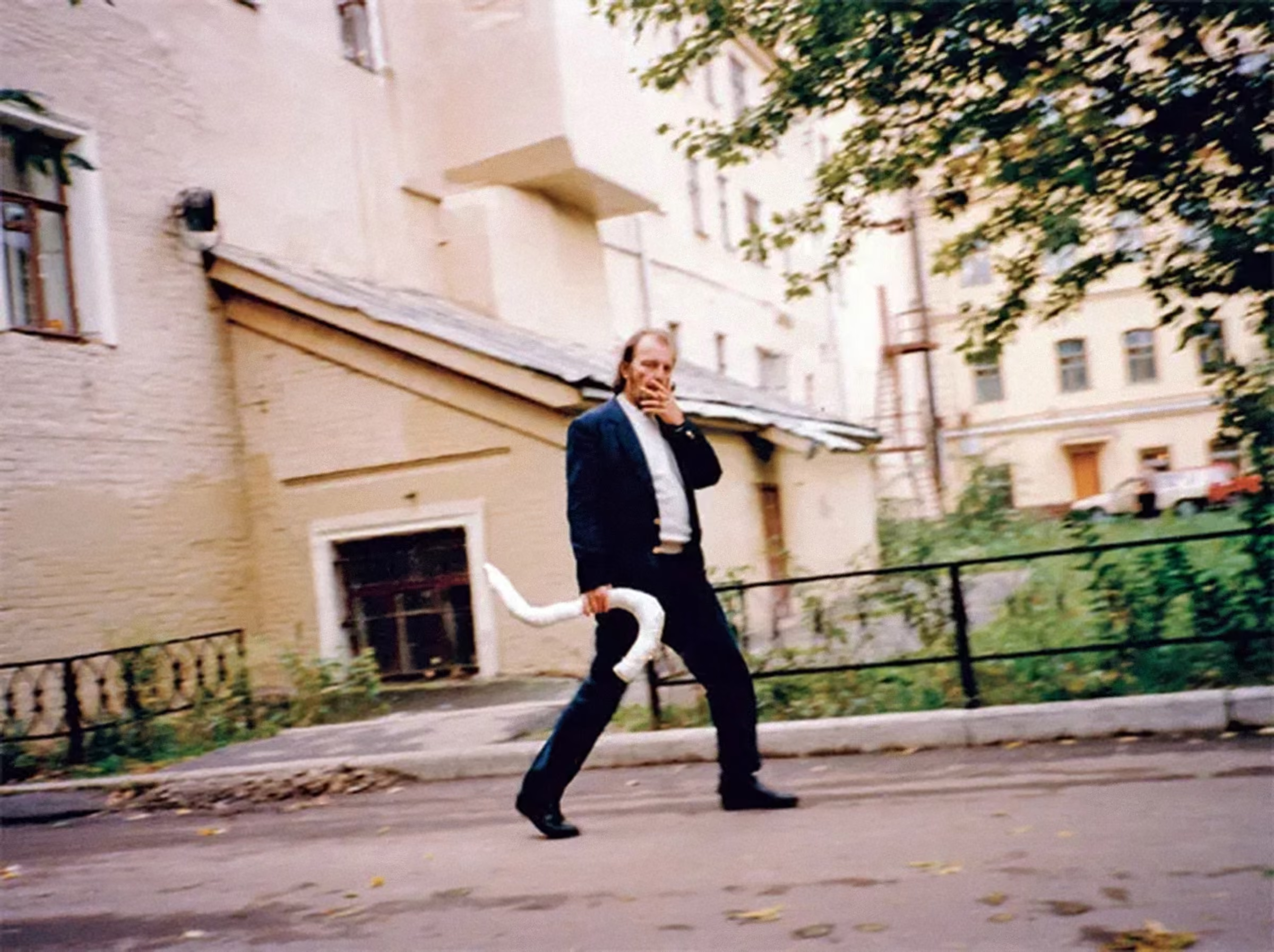
Franz West showed his Adaptives in an exhibition for the first time (Galerie nächst St. Stephan, March 26 to April 12). The invitation stated that the objects were intended to be used and included the line: "I call the Adaptives with human bodies art."
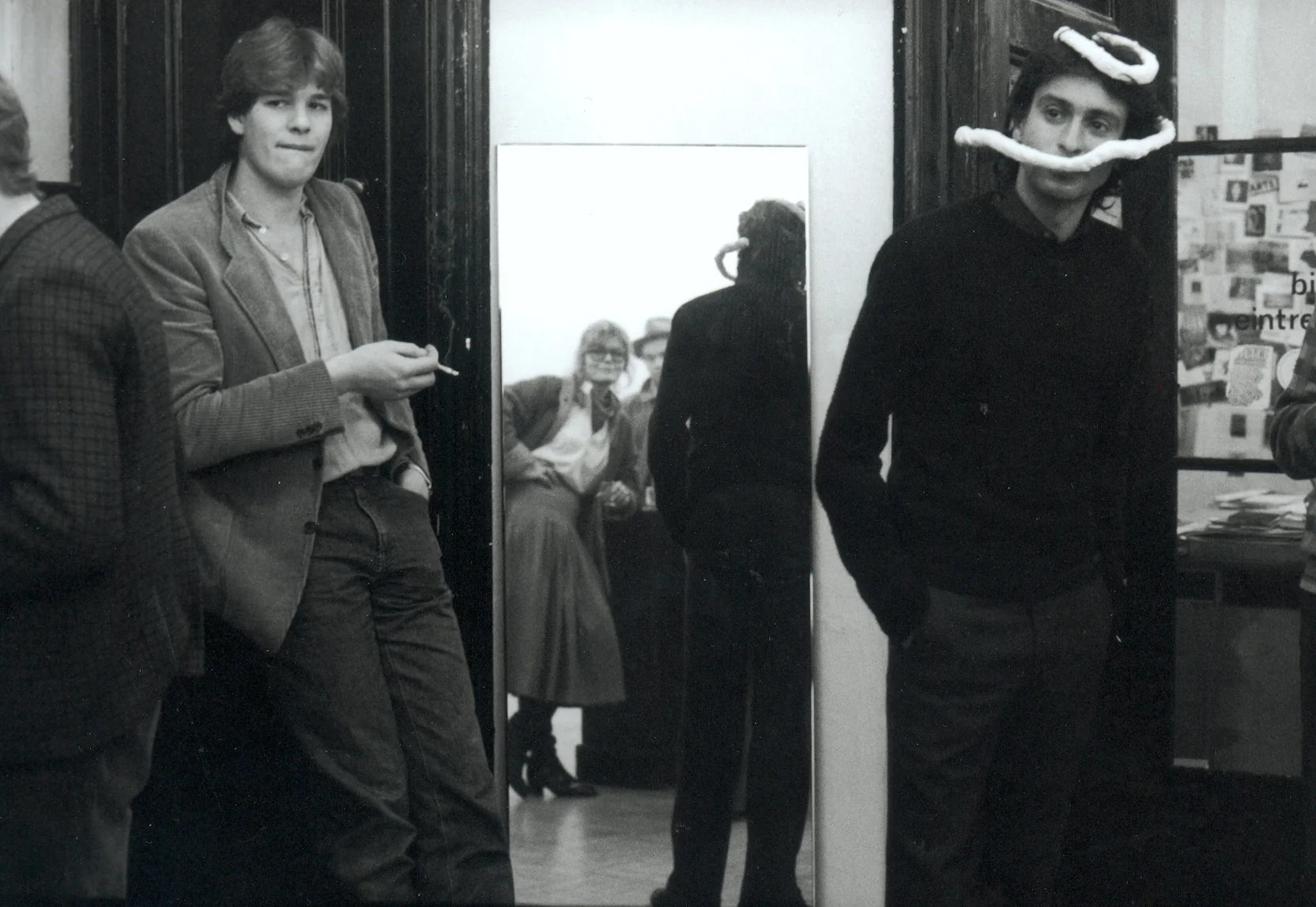
Fred Jellinek (right) with an Adaptive
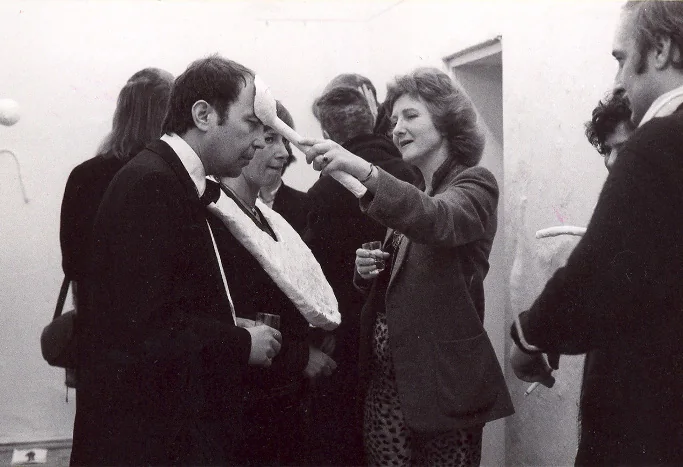
Franz West with Erika Patka
Starting in 1982, the first films featuring actors with Adaptives were created in the sculpture studios in collaboration with Lisa de Cohen, Ludmilla Giradoni, Wendy von Nagler, and Otto Kobalek. The video footage was set to classical music. These videos later frequently became part of his exhibitions.

Studies on serious music
After his time at the academy, which Franz West left without a degree, he was no longer able to use the studio space there. Through Reinhard Priessnitz, he met Rudolf Polanszky, who made the front part of his studio at Schlösselgasse 11 in Vienna's 8th district available to him.
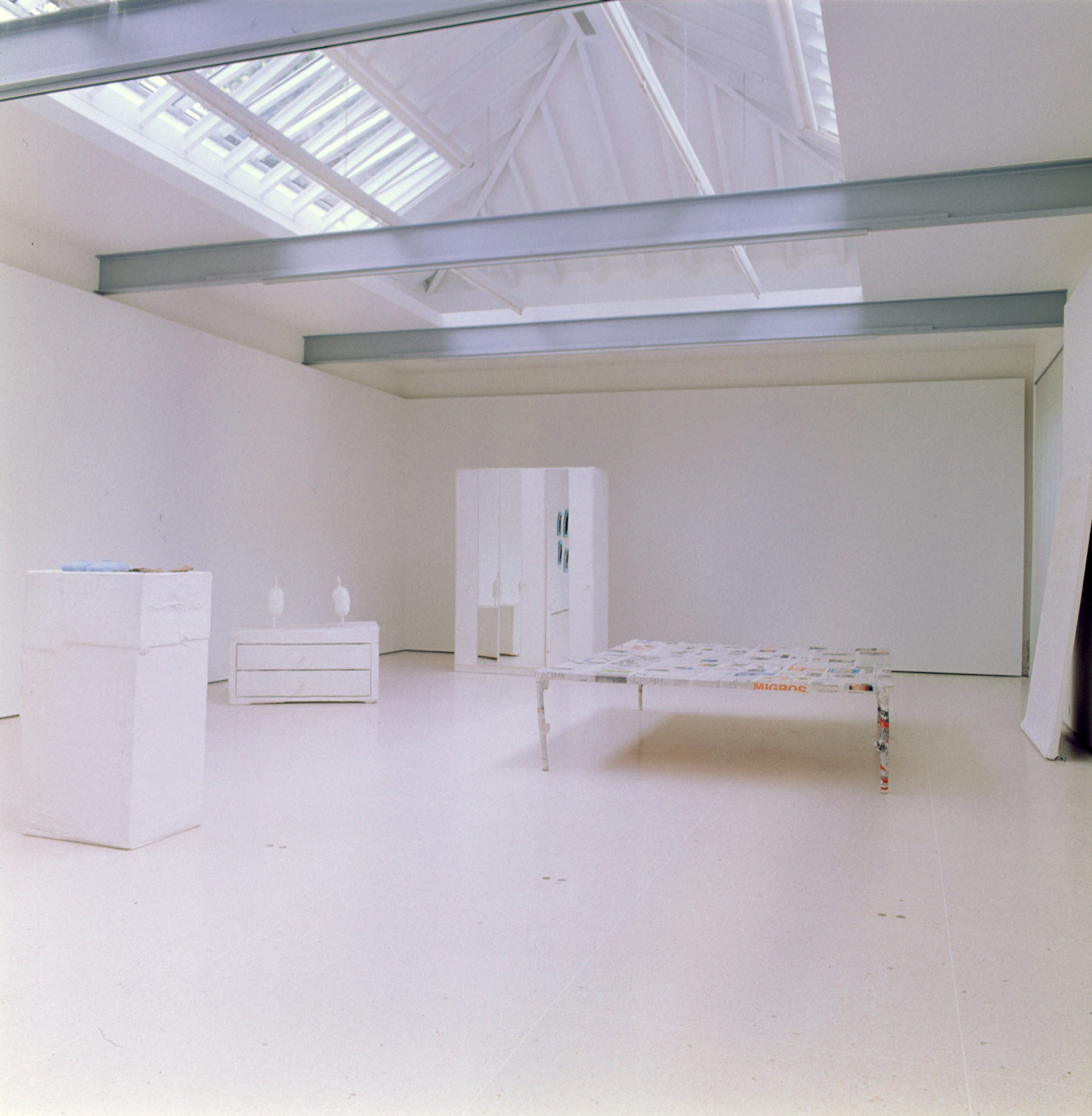
In February, the Kunsthandlung Hummel hosted the solo exhibition "Signaturalismen". The title of this early exhibition reveals the preoccupation with language and authorship that would run through the artist's entire body of work. The exhibition demonstrates the diversity of West's practice from the very beginning, featuring Adaptives, name plates, works on paper, a video, and his first sculptural furniture.
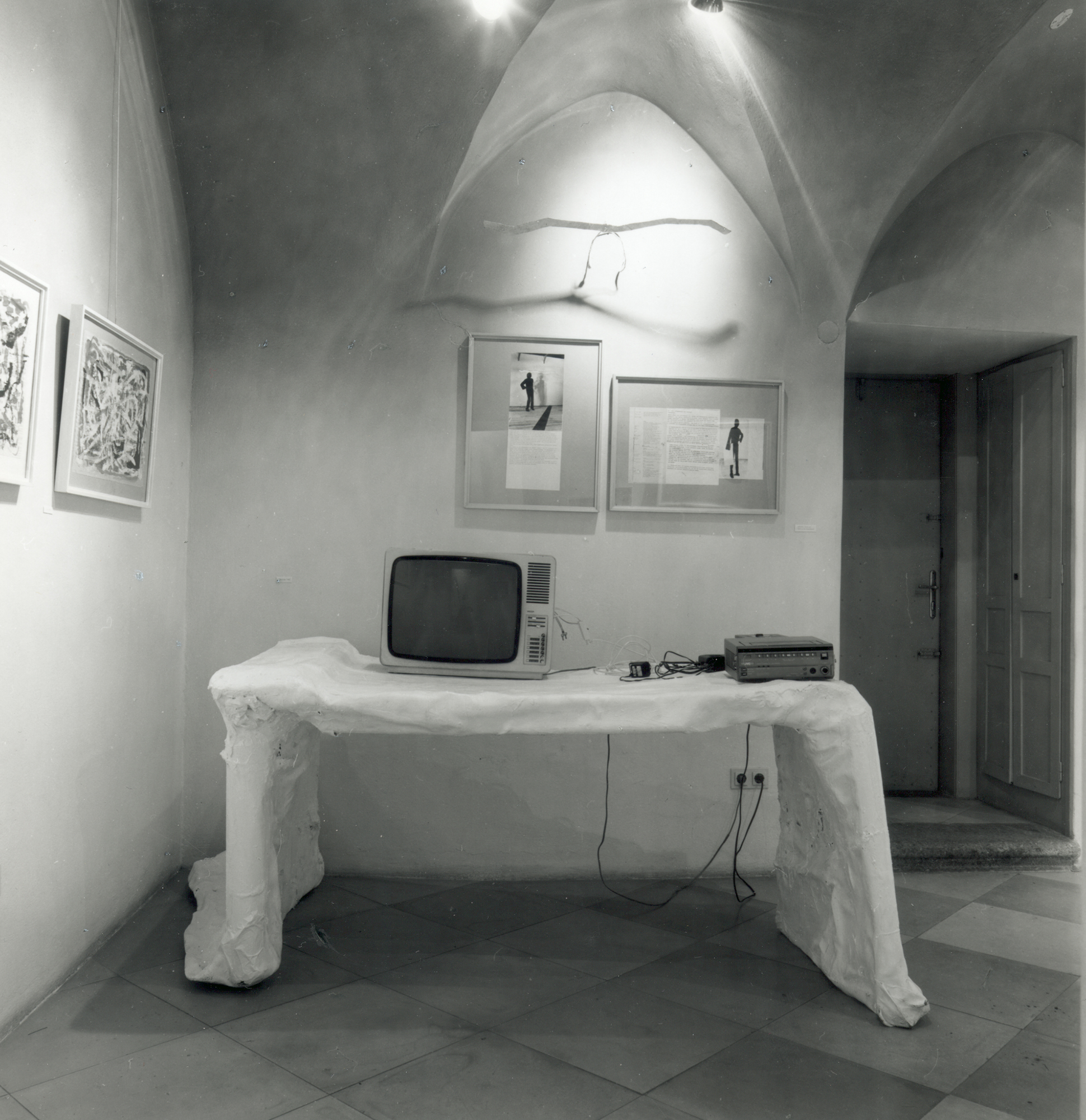
Exhibition view "Signaturalismen", Kunsthandlung Hummel, 1983
For the exhibition at the Kunsthaus Zürich, "Traces, Sculptures and Monuments of Their Precise Journey" (November 1985 – February 1986), West creates his first large-scale sculpture over two meters high, "Quotation", and achieves international renown.
[...] yes, that’s where it lies: Quotation refers to a bed frame that I had occupied for a long time, embellished, and covered in lead foil.”
In the autumn, he begins his collaboration with gallerist Peter Pakesch, who represents him for the following decade.
First solo museum exhibition: "Legitimate Sculpture" at the Neue Galerie in the Landesmuseum Joanneum in Graz features sculptures and reliefs. Works such as "Joyce", "Wittgenstein Quote", "Idiosyngraph", and "Ledge" reflect his engagement with 20th-century Viennese cultural and intellectual history. Ferdinand Schmatz writes short texts with Franz West that are integral to the works.
First solo exhibition at Galerie Peter Pakesch, Ballgasse in Vienna: West presents a varied selection of paper-mâché works, including the three-part sculpture "Redundancy".
On November 6, Franz West receives the Otto Mauer Prize for his sculpture "Articulation".
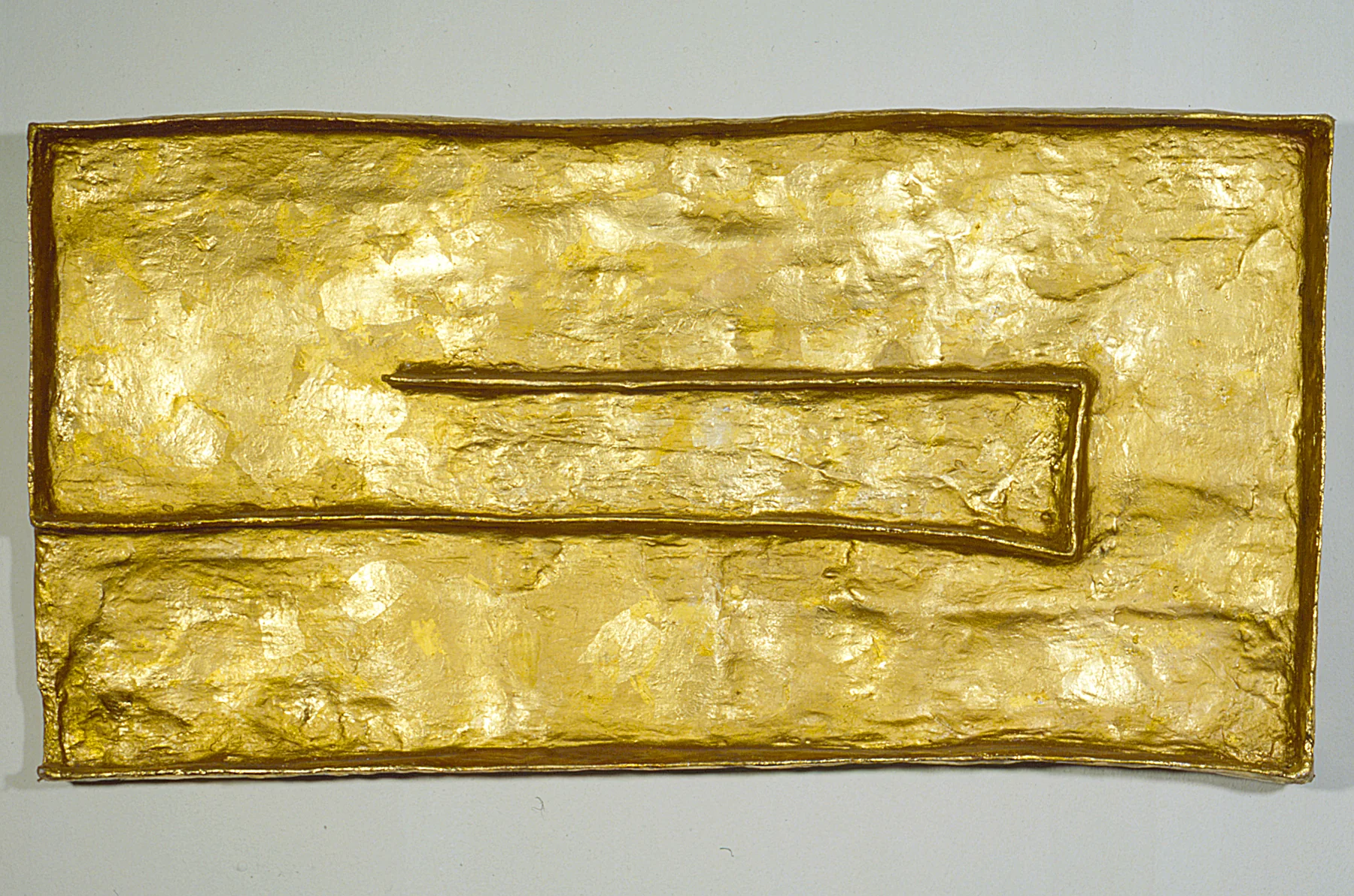
Joyce, 1985
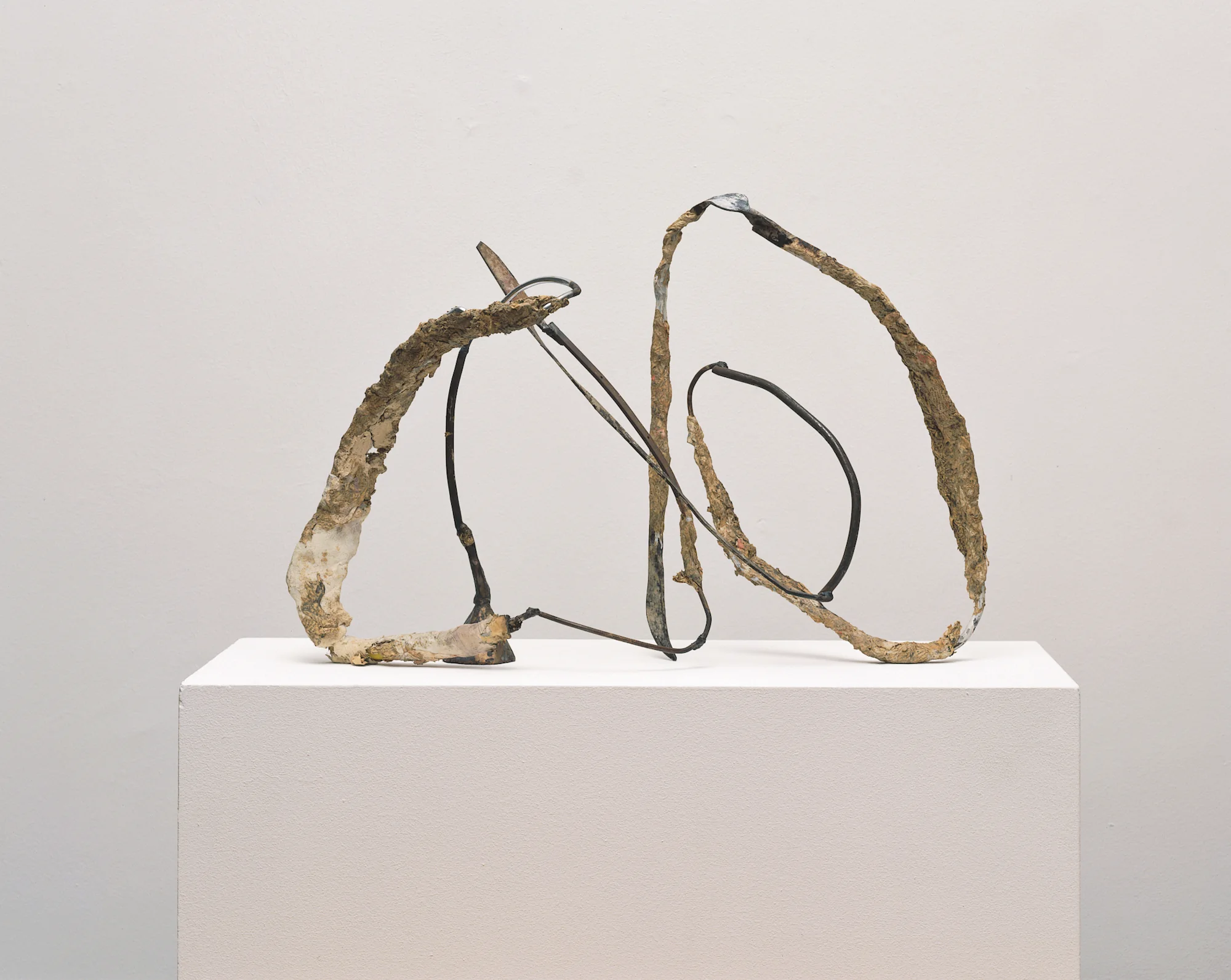
Wittgenstein Quotation, 1985
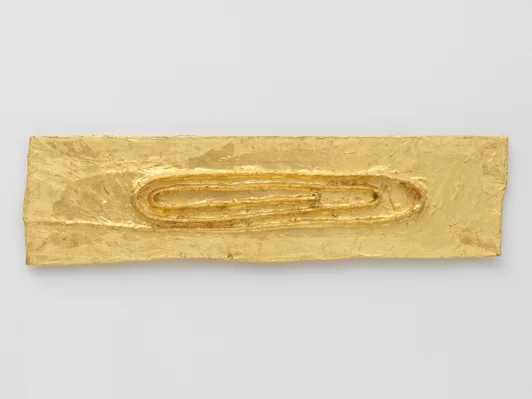
Idiosyngraph, 1985
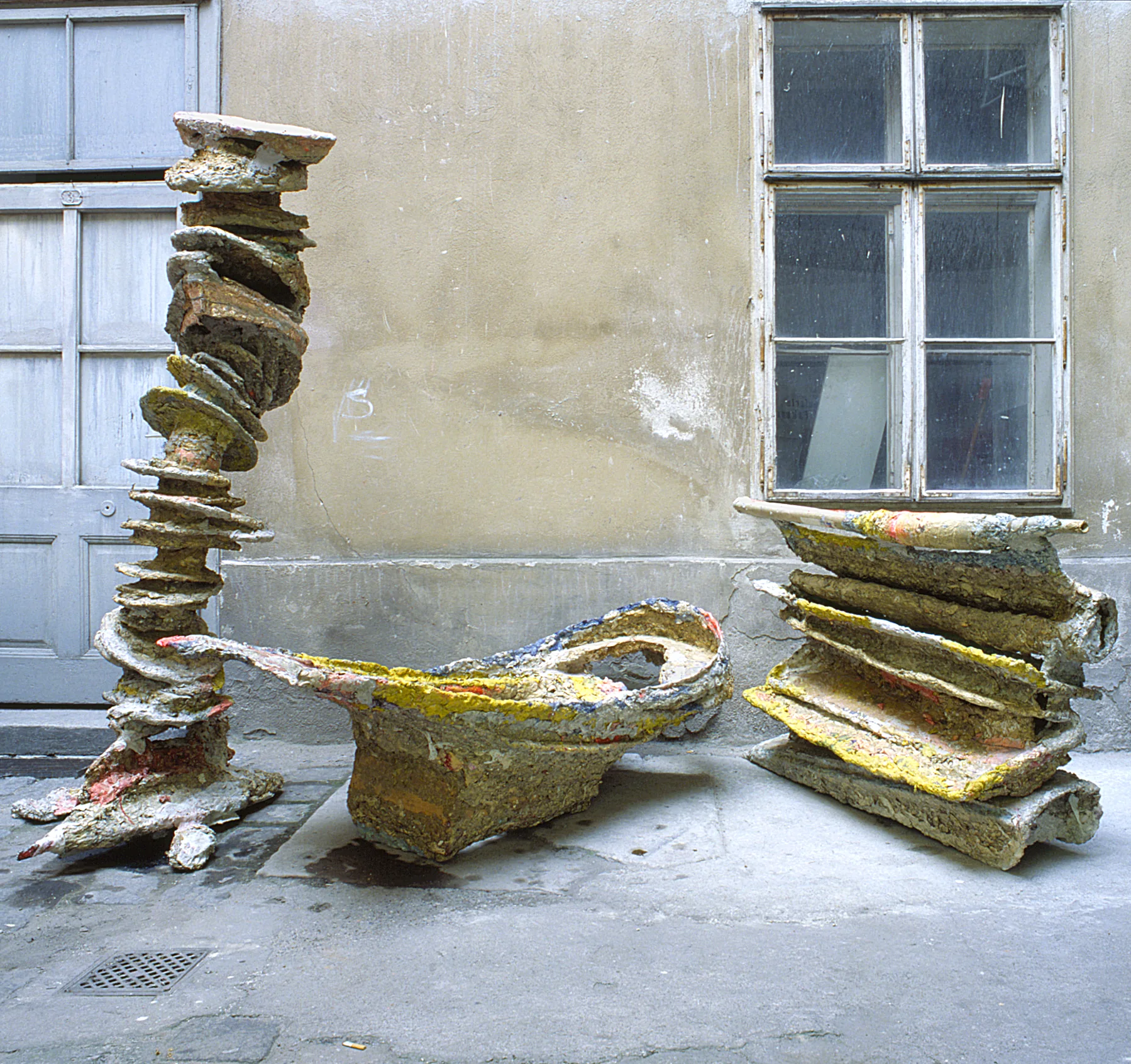
Redundancy, 1986
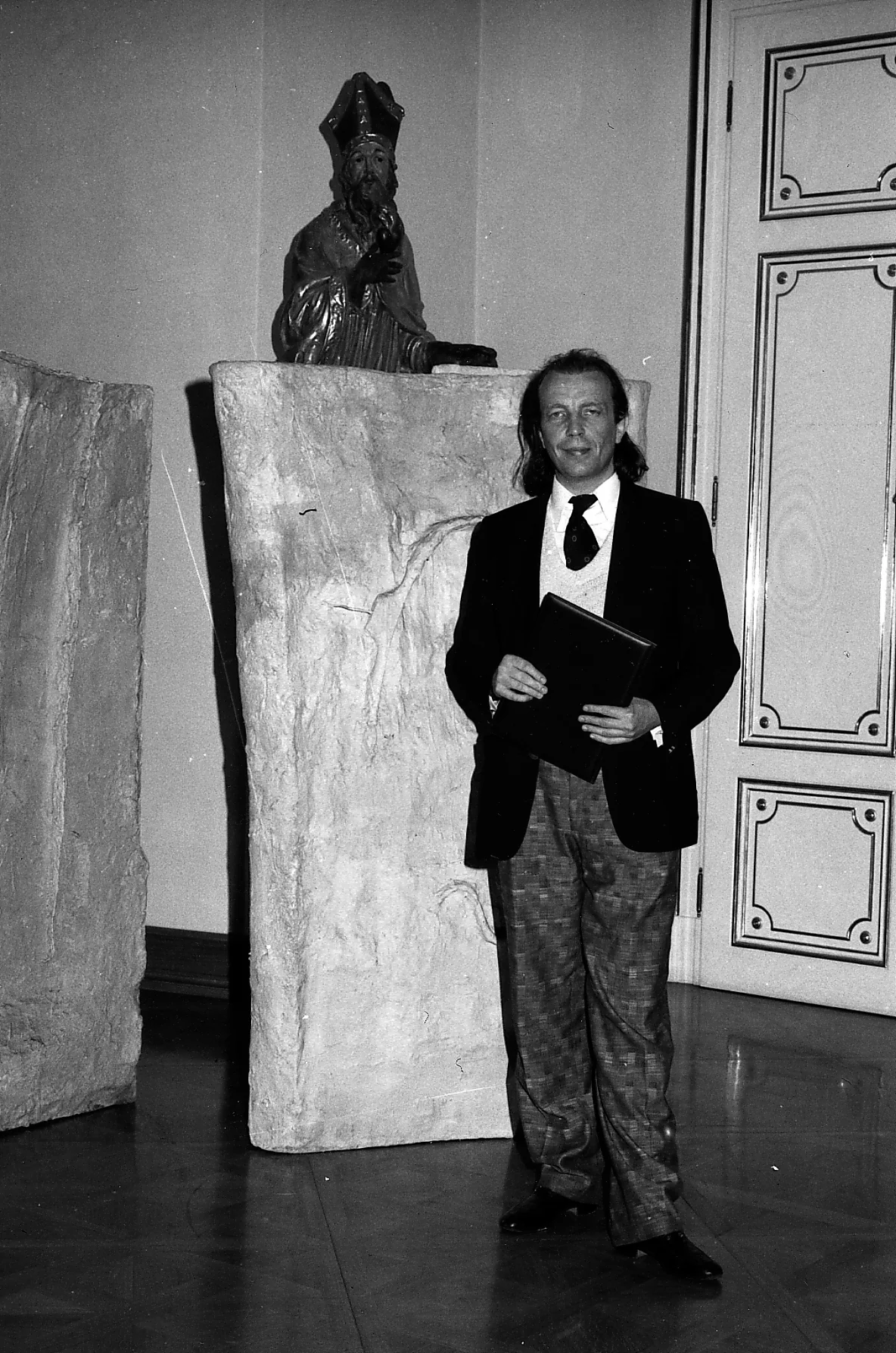
Franz West at the Otto Maurer Prize award ceremony, 1986
"Eo ipso" is created for the outdoor exhibition "Skulptur Projekte Münster". West's first sculpture in public space is installed at the corner of Krumme Straße and Breite Gasse and consists of a turquoise-green seating area, for which parts of his parents' washing machine were used.
In the autumn, the Vienna Secession presents "Einsicht", the first solo exhibition in a Viennese institution. The catalog "Ansicht" is published to accompany it.
Catalog cover of "Ansicht", 1987
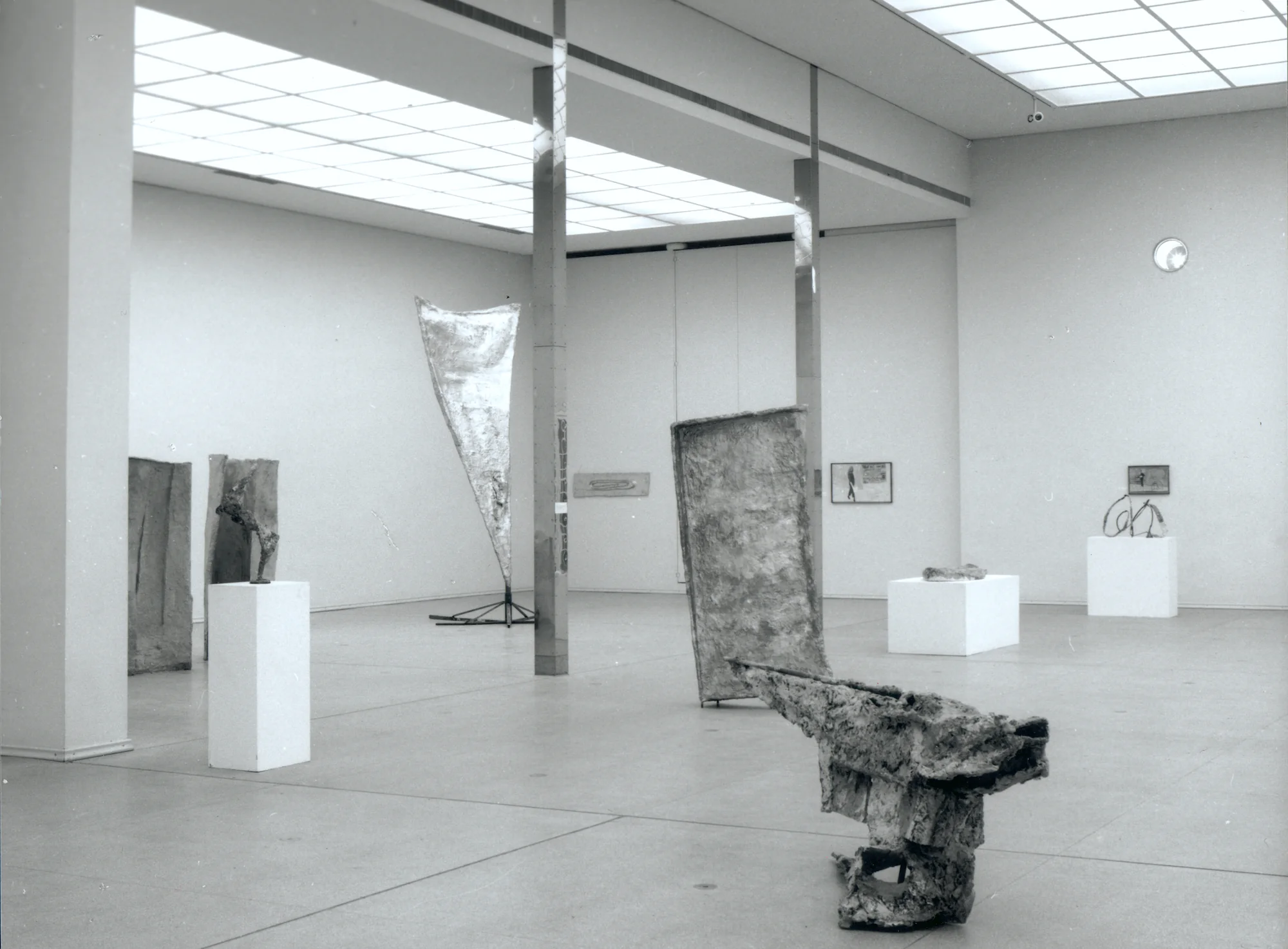
Installation view of "Einsicht" at the Secession, 1987
West's mother passes away on March 28.
First exhibition at an American institution: "Possibilities" at P.S.1 in New York is a survey exhibition combined with new works. Screens created on-site are intended to serve as changing booths for visitors to undress and then interact with the Adaptives while nude. Entering the art meets interaction; the audience becomes the performer.
Franz West rents his first private studio on Weißgerberlände. There, he begins creating metal furniture sculptures, a group of works that would become increasingly significant.
Metal chairs and loungers are placed in the Kunsthistorisches Museum Vienna in front of paintings by Old Masters such as Caravaggio, Vermeer, and Velázquez, intended to facilitate contemplative art appreciation. West is the first artist to have his work exhibited at the Kunsthistorisches Museum during his lifetime.
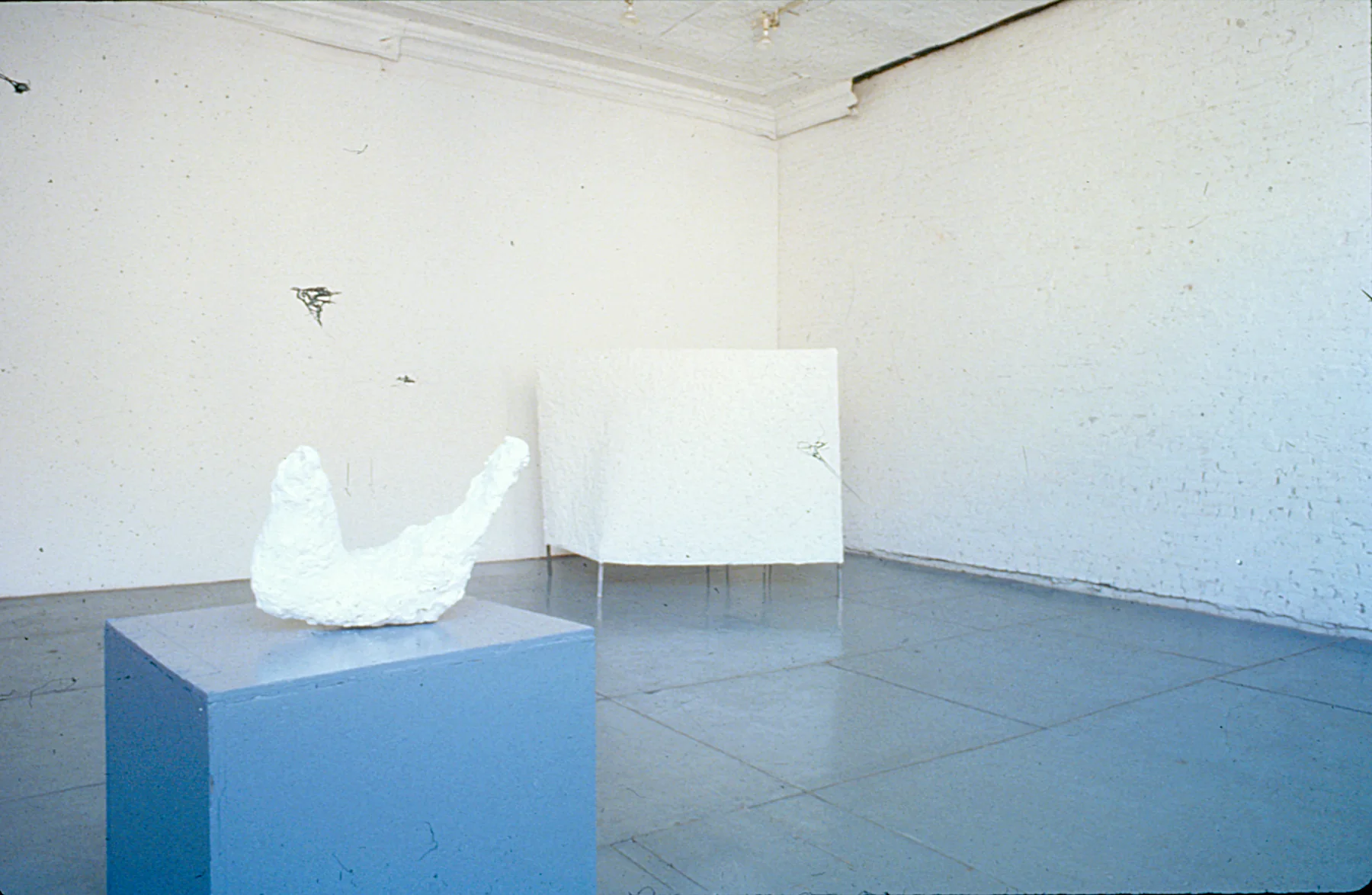
Installation view P.S.1, New York
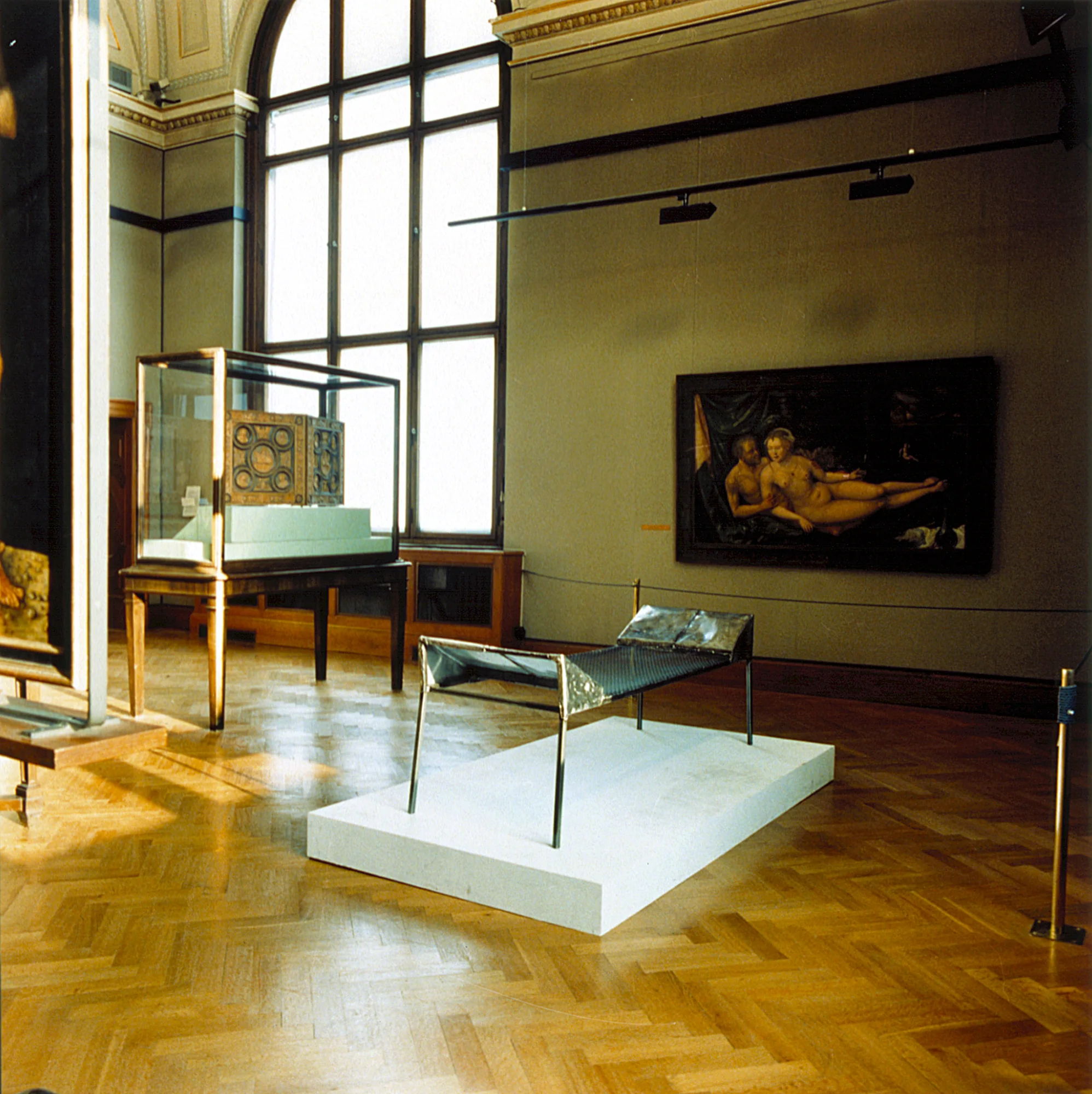
Chaise (Cranach), 1989, installation view Kunsthistorisches Museum Vienna
Franz West represented Austria at the Venice Biennale. He placed seats and loungers on pedestals in the open air at the Punta della Dogana on the Grand Canal, in front of Santa Maria della Salute. For the Austrian Pavilion in the Giardini, West had his Adaptives cast in aluminum for the first time—a technique he would later abandon due to the unpleasant tactile quality of the material. To create the most realistic photos of the installation for the catalog, he painted the walls of his Vienna studio red to match those of the pavilion in Venice and staged his works in front of them.
The two-part sculpture “Revision I and II” consists of four stacked paper-mâché forms for the interior and a duplicate cast in aluminum for the exterior.
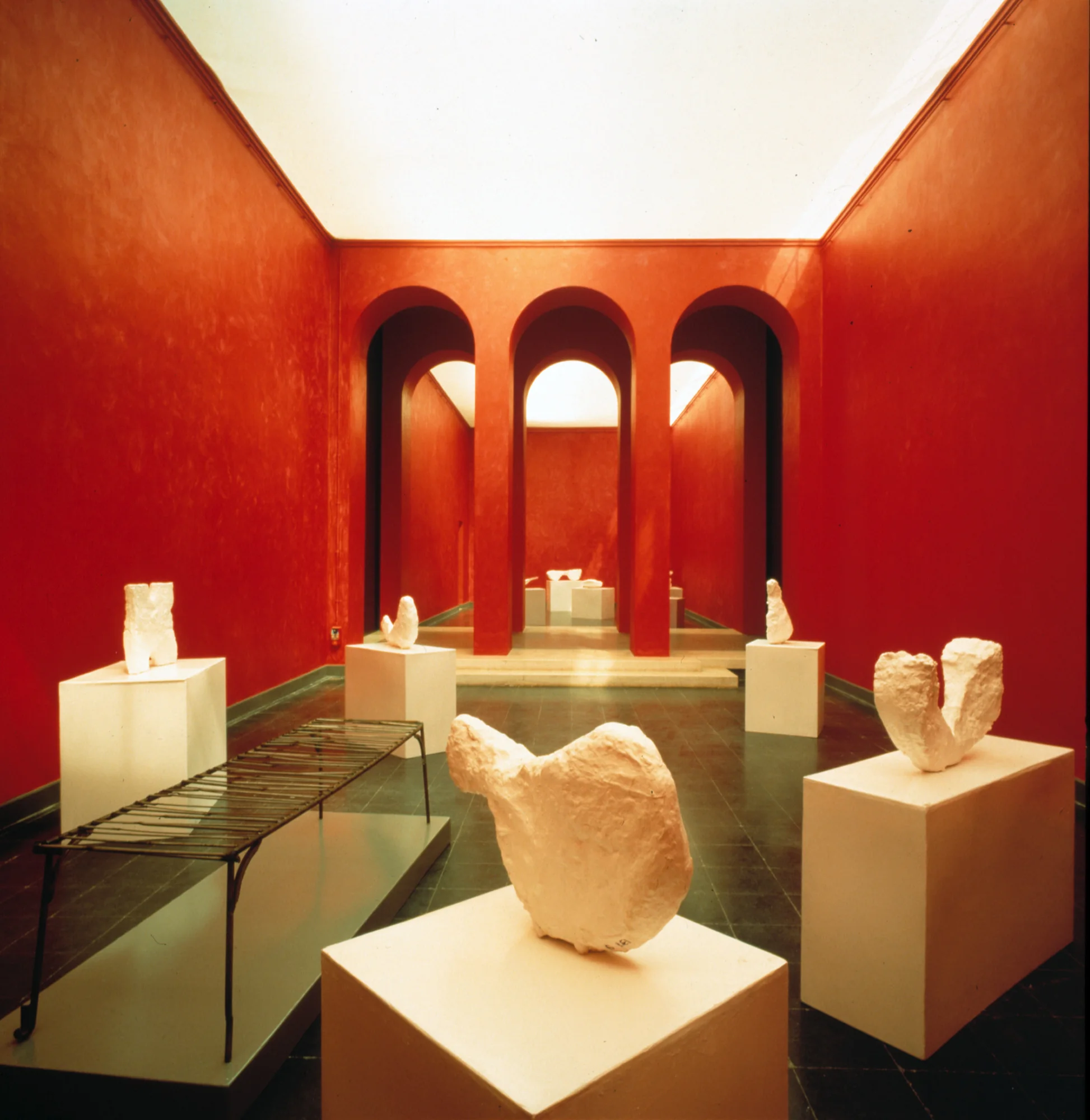
Installation view Austrian Pavilion, Venice
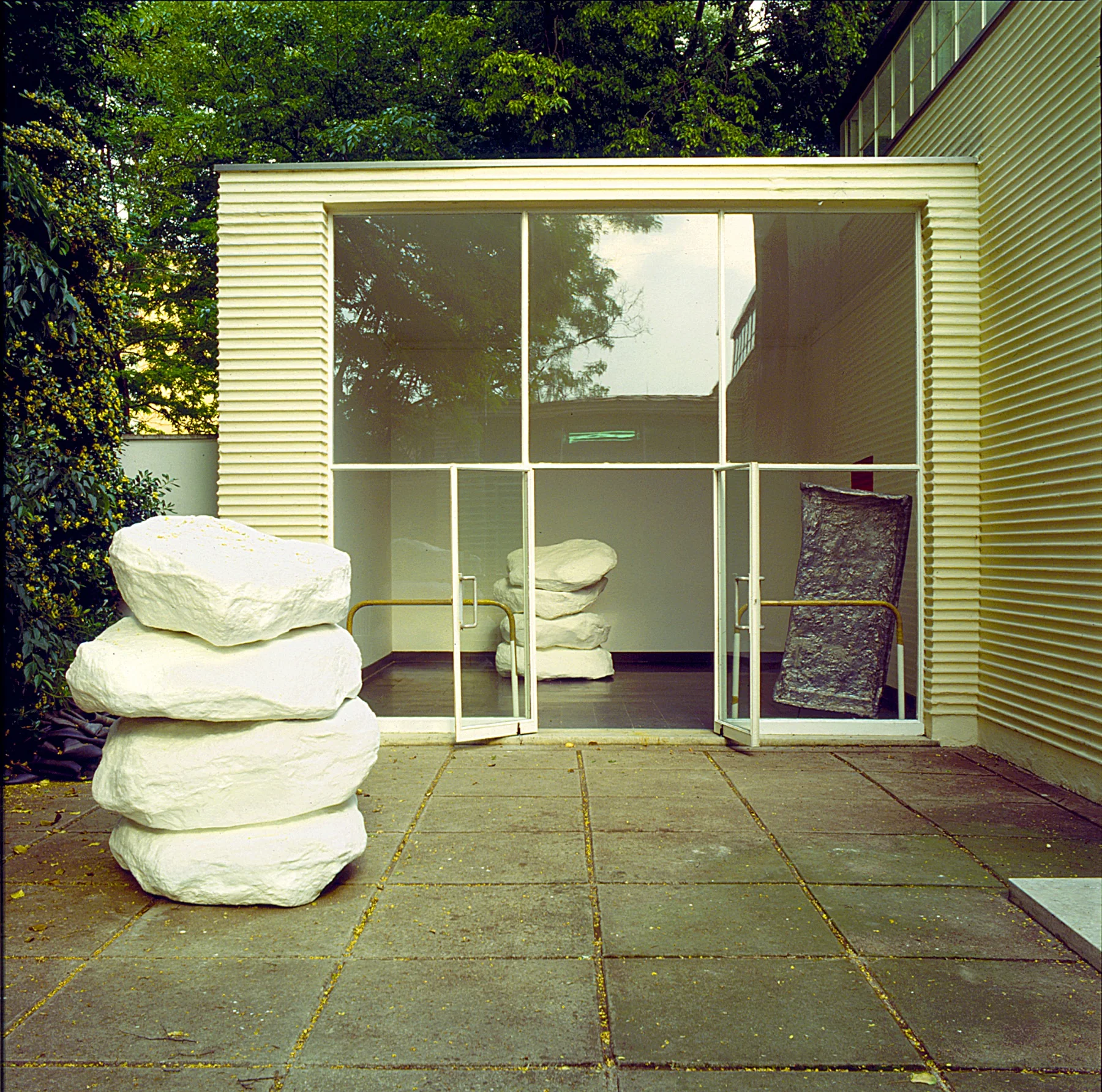
“Revision I and II”, 1989
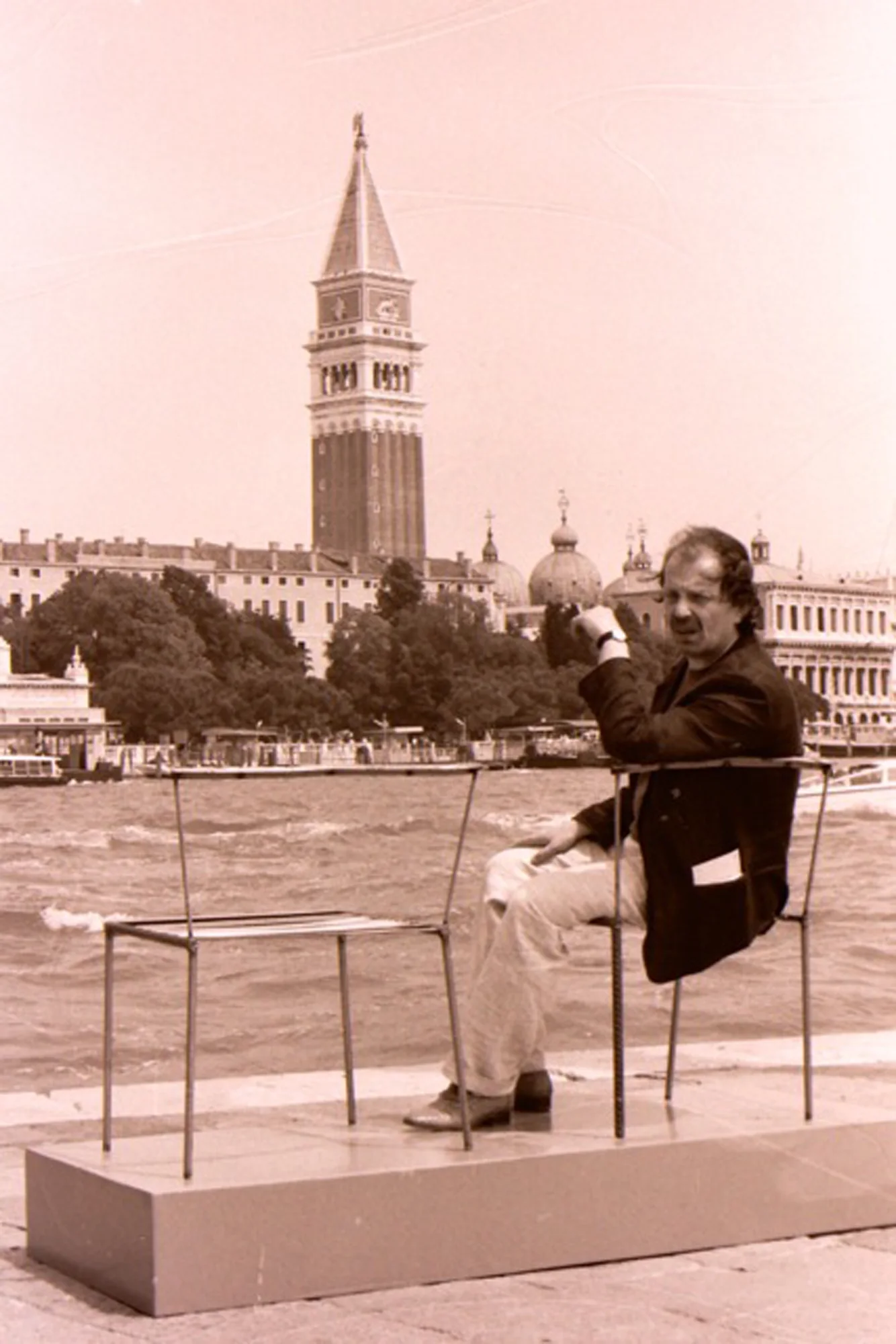
Franz West on a seat at the Punta della Dogana with a view of the Campanile of St. Mark’s Basilica
Jan Hoet, the artistic director of documenta IX, commissioned Franz West to provide seating for the open-air cinema. West developed his metal furniture further into divans, adding foam padding, casters, and old carpets. The “Auditorium” installation consists of 72 divans. Four “Lemur Heads” were displayed both indoors and outdoors. For West, the lemurs were an interpretation of the human figure.
In the autumn, West began a three-semester visiting professorship at the Städelschule in Frankfurt am Main.
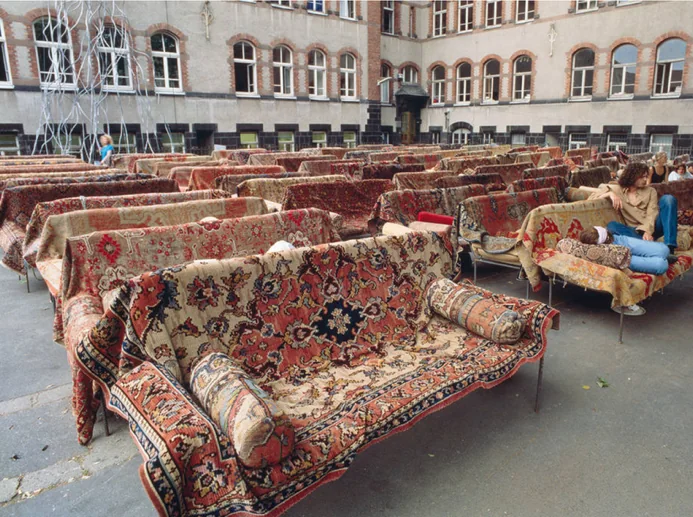
"Auditorium", 1992
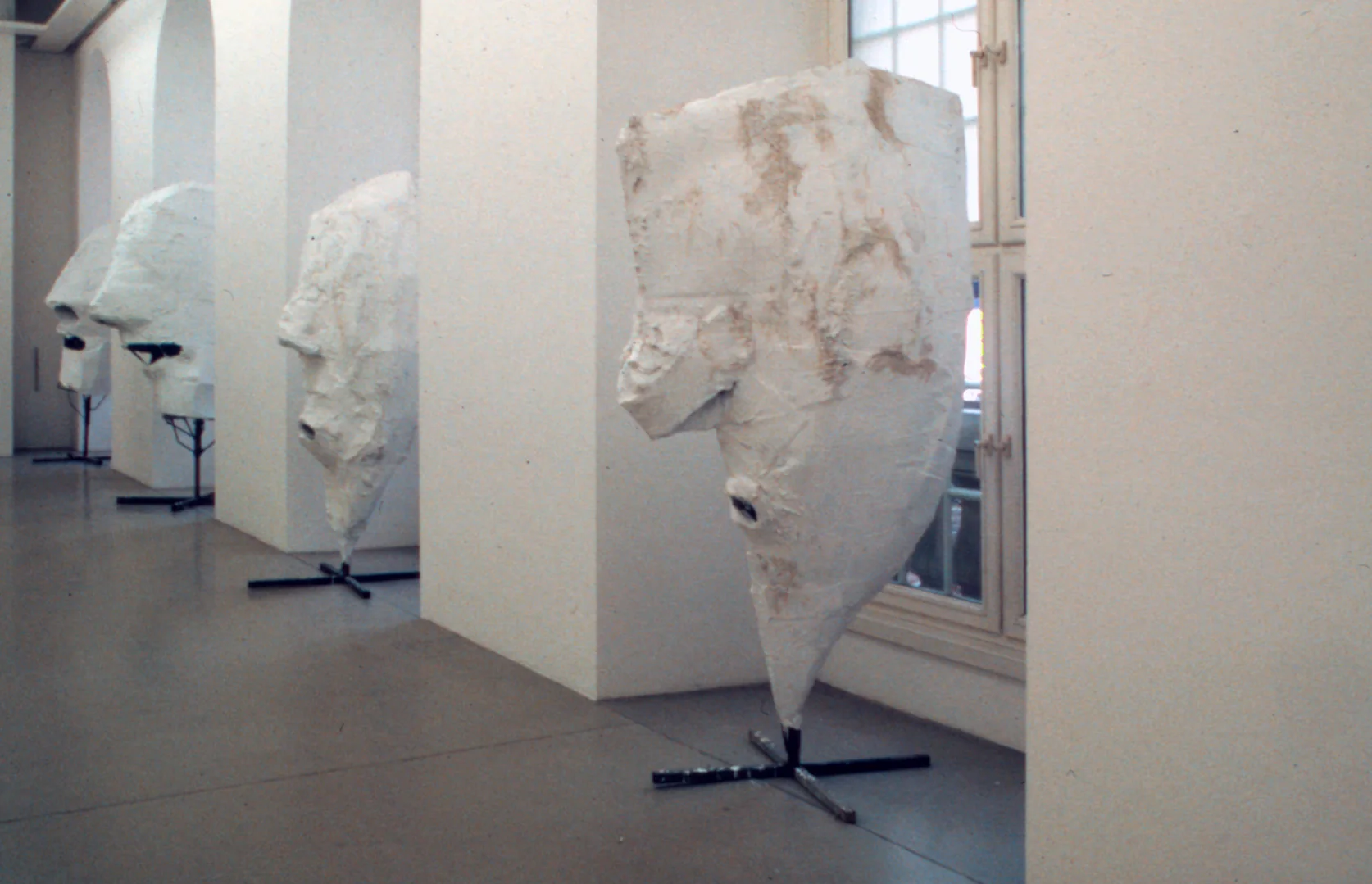
Lemur heads, 1992
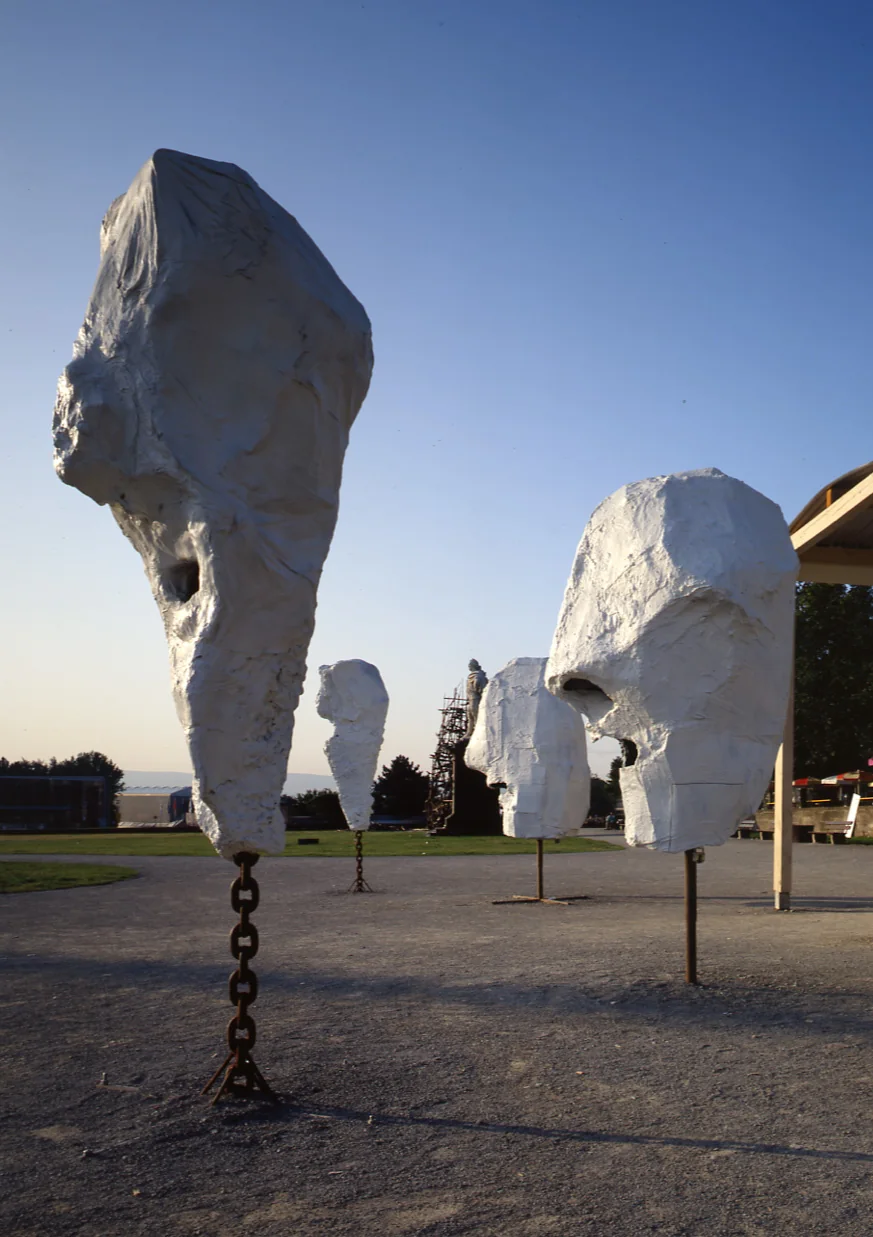
Lemur heads, 1992; Bridgeheads (Lemurs), 1991
In the autumn of 1992, West presented “Studia do sztuki amerykanskiej” (“Investigations of American Art”) at the Foksal Gallery in Warsaw, featuring paper-mâché sculptures with evocative titles such as “Pan Am Building” and “Statue of Liberty”. A slightly modified version of this exhibition opened at the Zwirner Gallery in New York in the spring of 1993. A film by Bernhard Riff and Franz West was shown there, in which curator Kasper König discusses the sculptures with West.

Investigations of American art
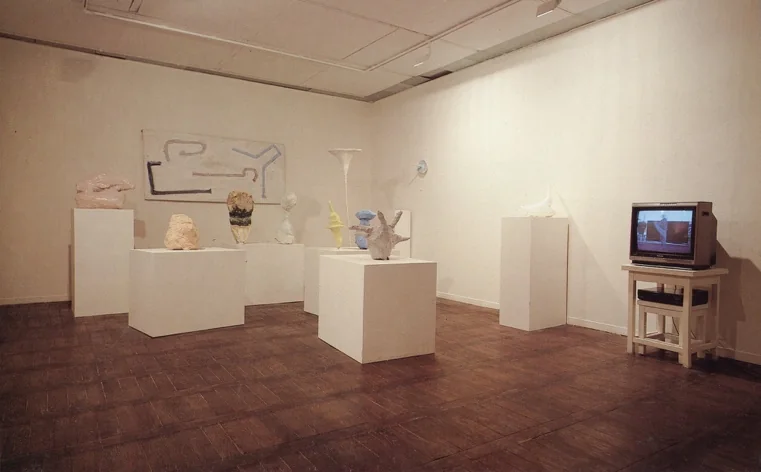
Installation view Galeria Foksal, Warsaw, 1992
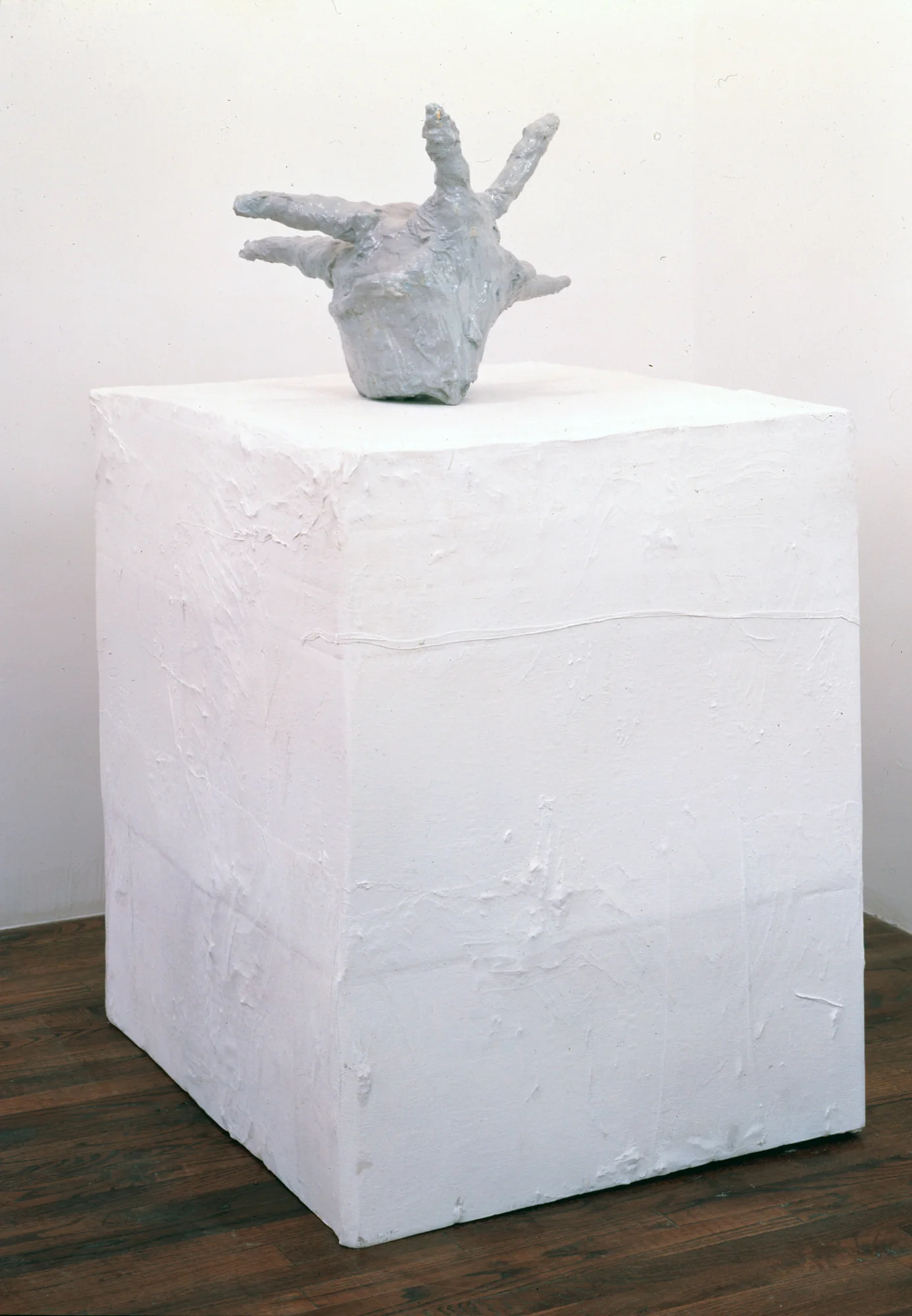
“Statue of Liberty”, 1992
Franz West receives the sculpture prize from the EA-Generali Foundation in Vienna.
"Together, the 28 divans form a composition that would be visible from an imaginary point above the square. If you would like to lie down, please remove your shoes to protect the artwork," wrote Franz West in a text about the installation, which was on display under the title "Test" on a platform in front of the Museum of Contemporary Art in Los Angeles. The sofas with their colorful covers were appreciated by the public, much like those at documenta IX in 1992, and the Los Angeles Times dedicated an article to the work.
Under the title "Rest", the installation was shown in the fall on the roof of the Dia Art Foundation in New York. The covers were once again designed by Gilbert Bretterbauer, this time in black and white.
Almost simultaneously, David Zwirner opened his expanded gallery space with "Home Elements (A Retrospective)". In the announcement text, the gallery wrote: "Collectors are encouraged to replace the exhibited 'Home Elements' with comparable objects or furniture from their own homes." The collaboration with David Zwirner remained close for years to come.
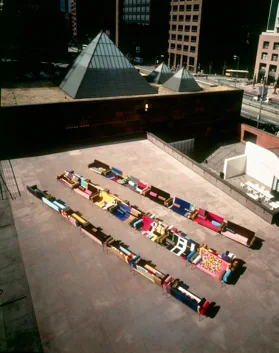
Installation view MOCA, Los Angeles
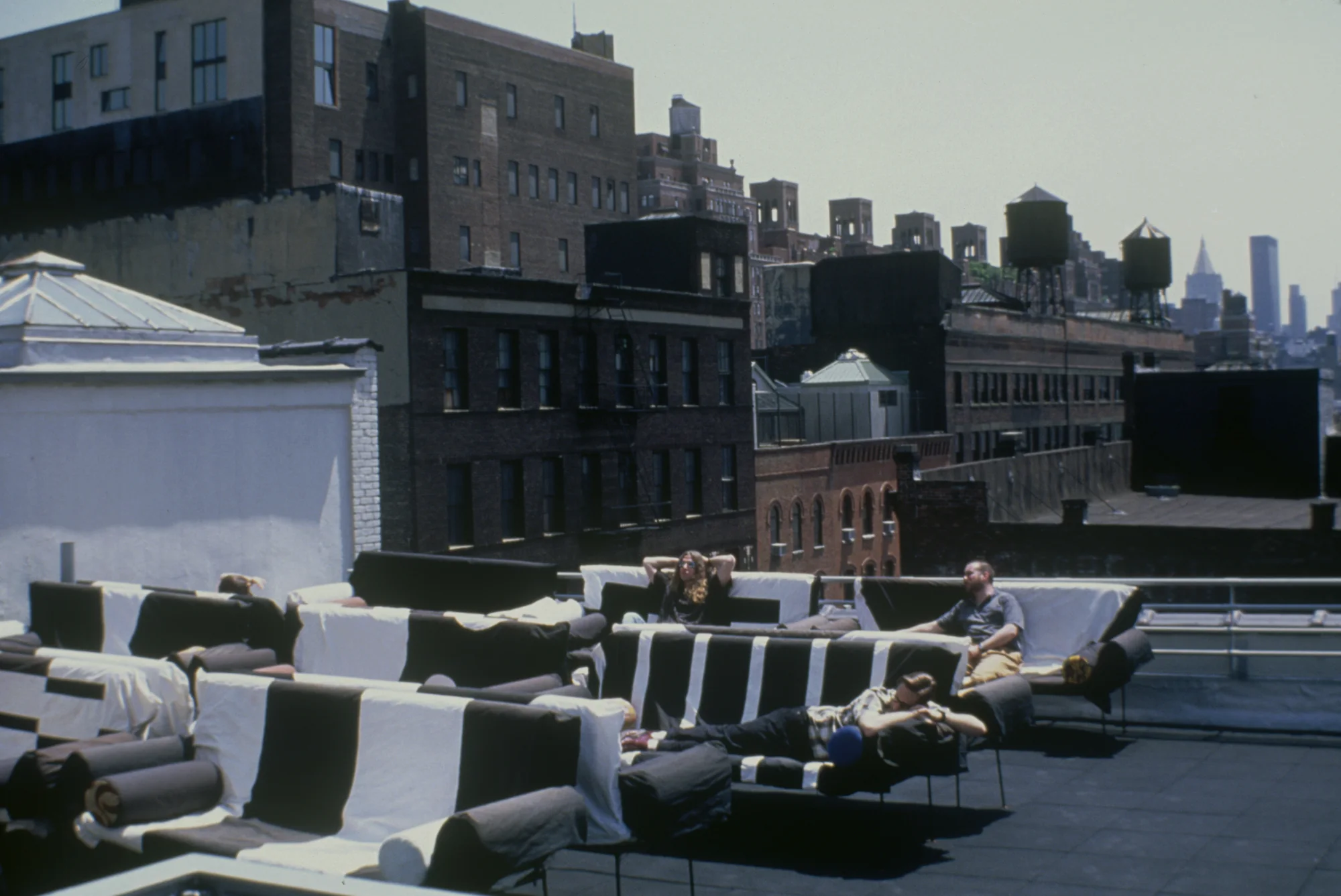
Installation view Dia Center for the Arts, New York
On May 3, West's brother Otto Kobalek passed away in Vienna.
Otium, the only artist's book by Franz West, was published. West recorded his thoughts and ideas on tape, had them transcribed, and then revised the text with correction fluid and new handwritten notes. This document, along with three previously unpublished poems by his brother Otto, became the book "Otium".
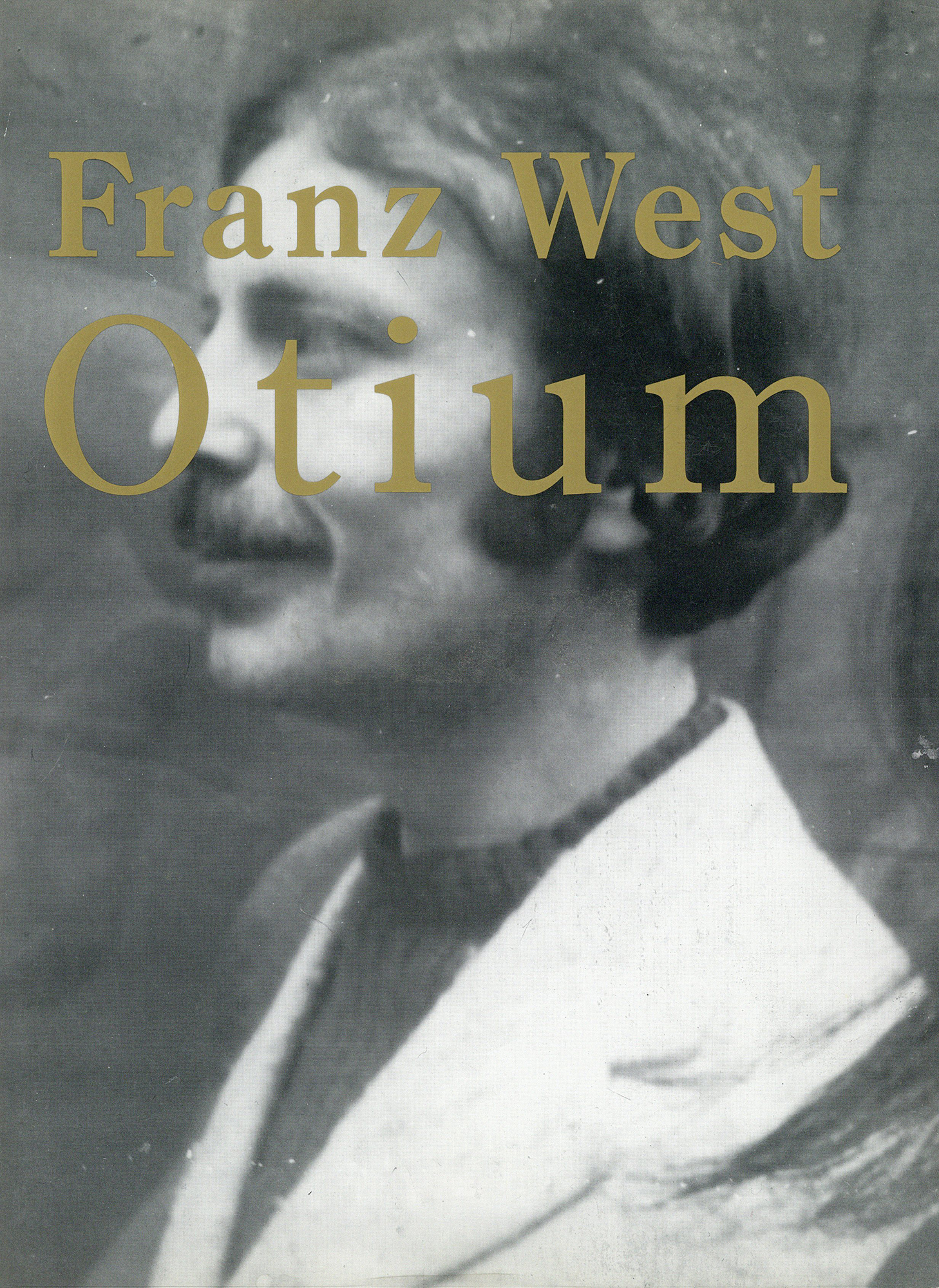
"Otium", 1995
"Proforma", the first major retrospective of Franz West, took place at the Museum Moderner Kunst Stiftung Ludwig in the 20er Haus in Vienna. Curator Eva Badura-Triska worked closely with West to compile his biography and reconstruct his artistic development up to the mid-1990s. This research formed the foundation for the Franz West Archive.
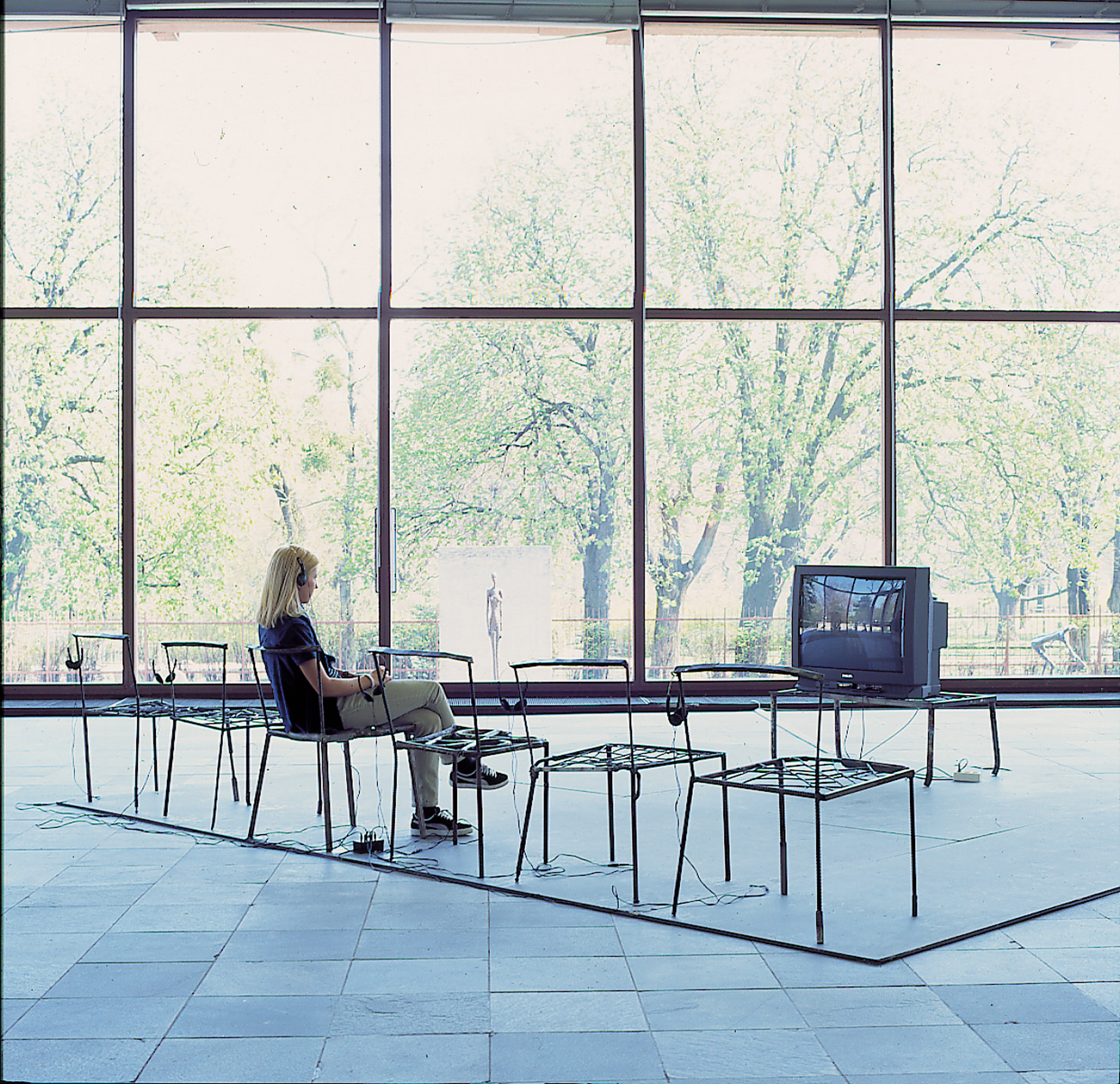
Exhibition view "Proforma", Vienna, 1996
Inspired by an invitation to a metal symposium in Spital am Pyhrn, Franz West turned his attention to metal as a material. He produced "Autostat" conceived as the opposite of "automobile". Because the sheet iron construction rusted, he began using aluminum for outdoor sculptures.
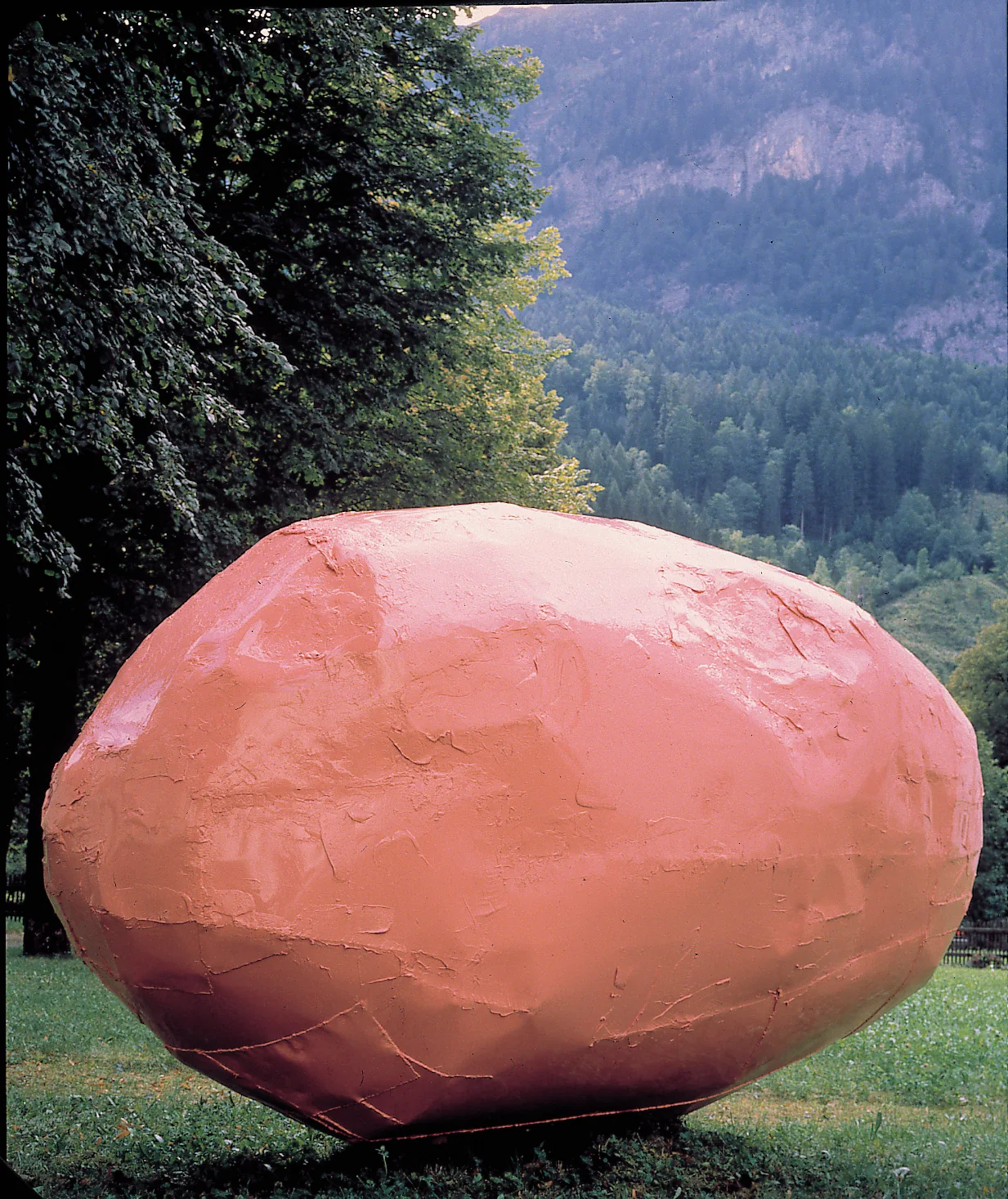
"Autostat", 1996, Metal Symposium Spital am Pyhrn
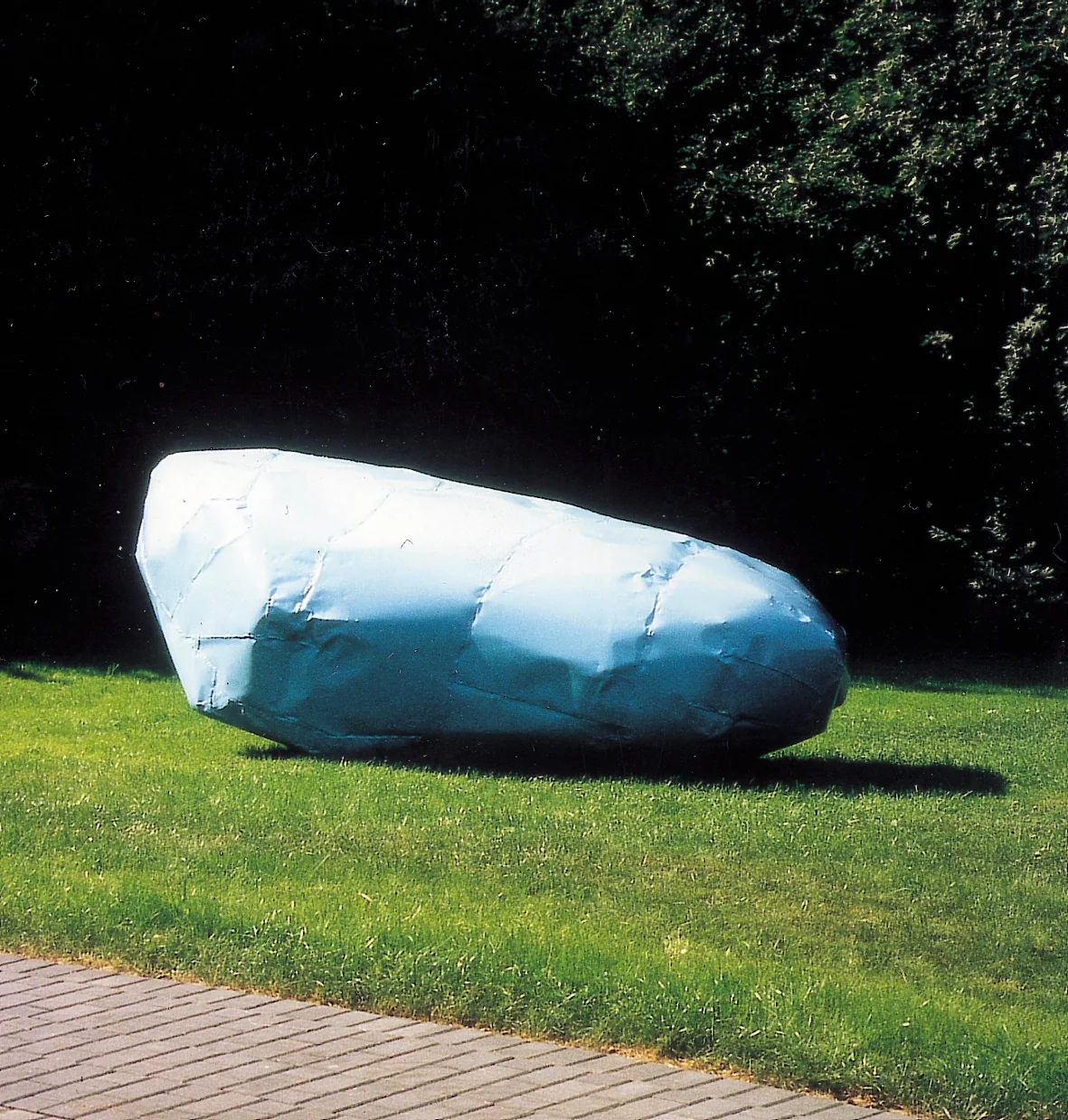
"File", 1997
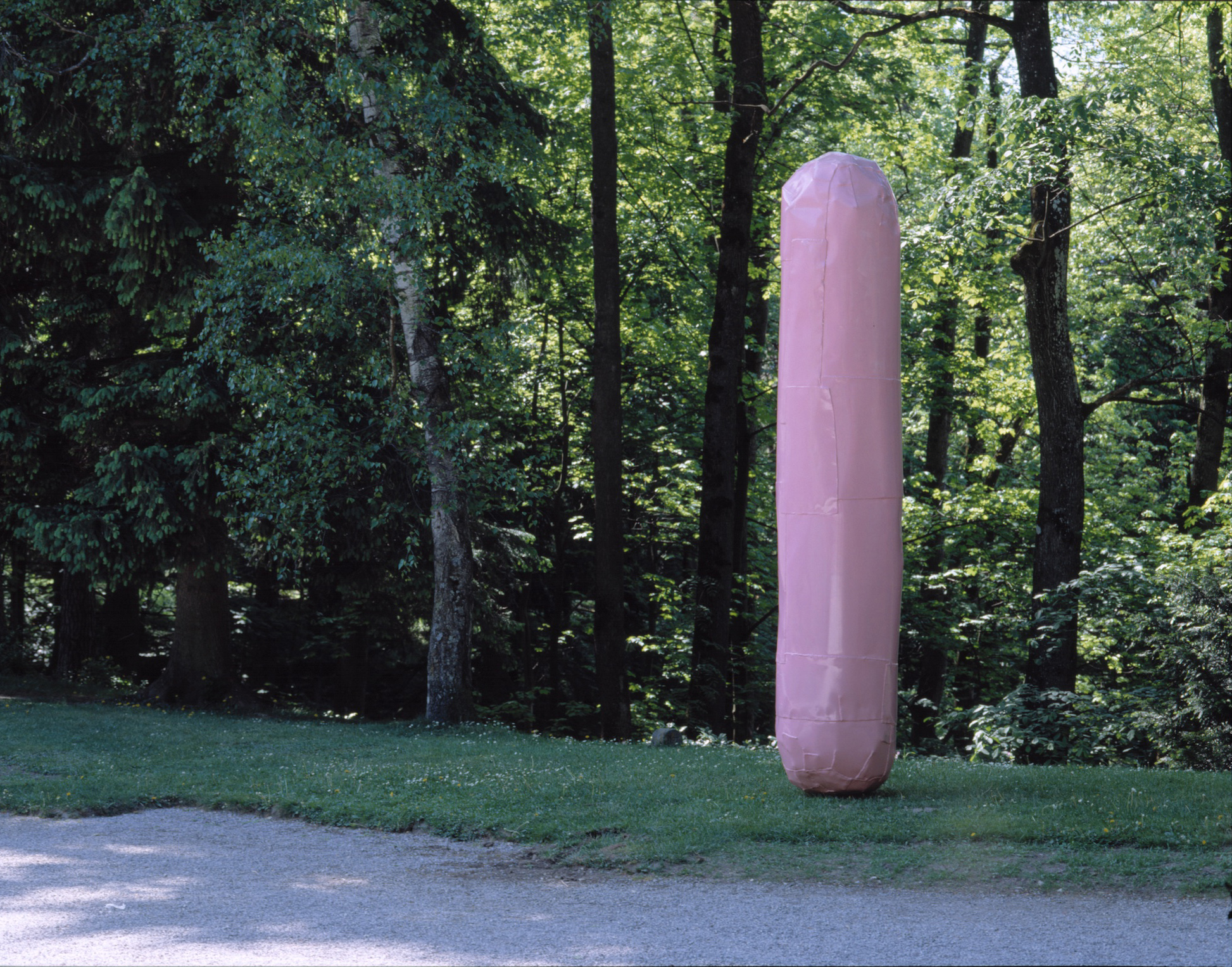
"Flause", 1998
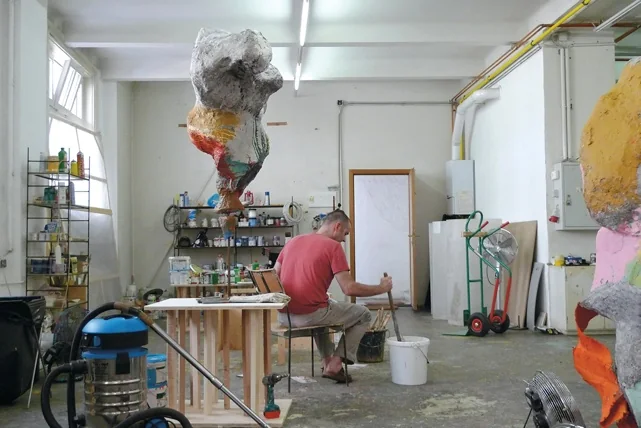
The studio at Esteplatz in Vienna's 3rd district became the center of his artistic practice. A team of assistants worked there alongside Franz West.
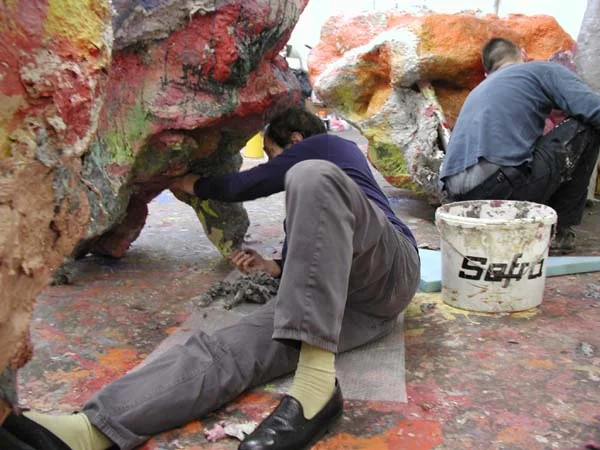
Studio impressions
In the summer of 1997, Franz West was represented at three major European exhibitions:
At the 47th Venice Biennale, Franz West presented the installation "Heim" in the Corderie dell’Arsenale, a collaborative work with Haim Steinbach and Heimo Zobernig. For documenta X, he was invited by Heimo Zobernig to co-design the space for the "100 Days – 100 Guests" event series. At the "Skulptur Projekte Münster" exhibition, West showcased, among other works, the now colorfully reworked version of "Etude de Couleur".
Heimo Zobernig, Haim Steinbach, Franz West, "Heim", 1997
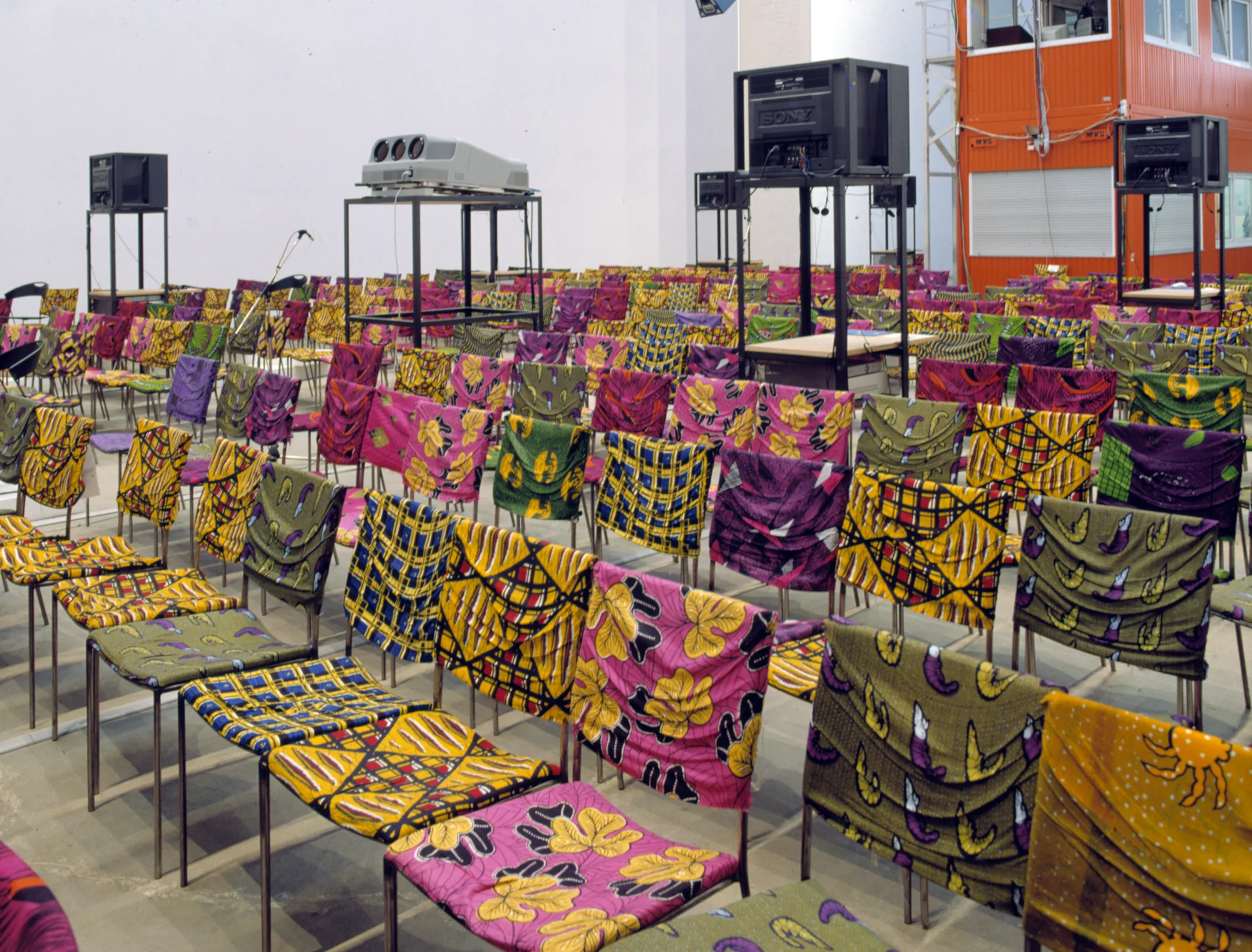
Installation view documenta X, Kassel
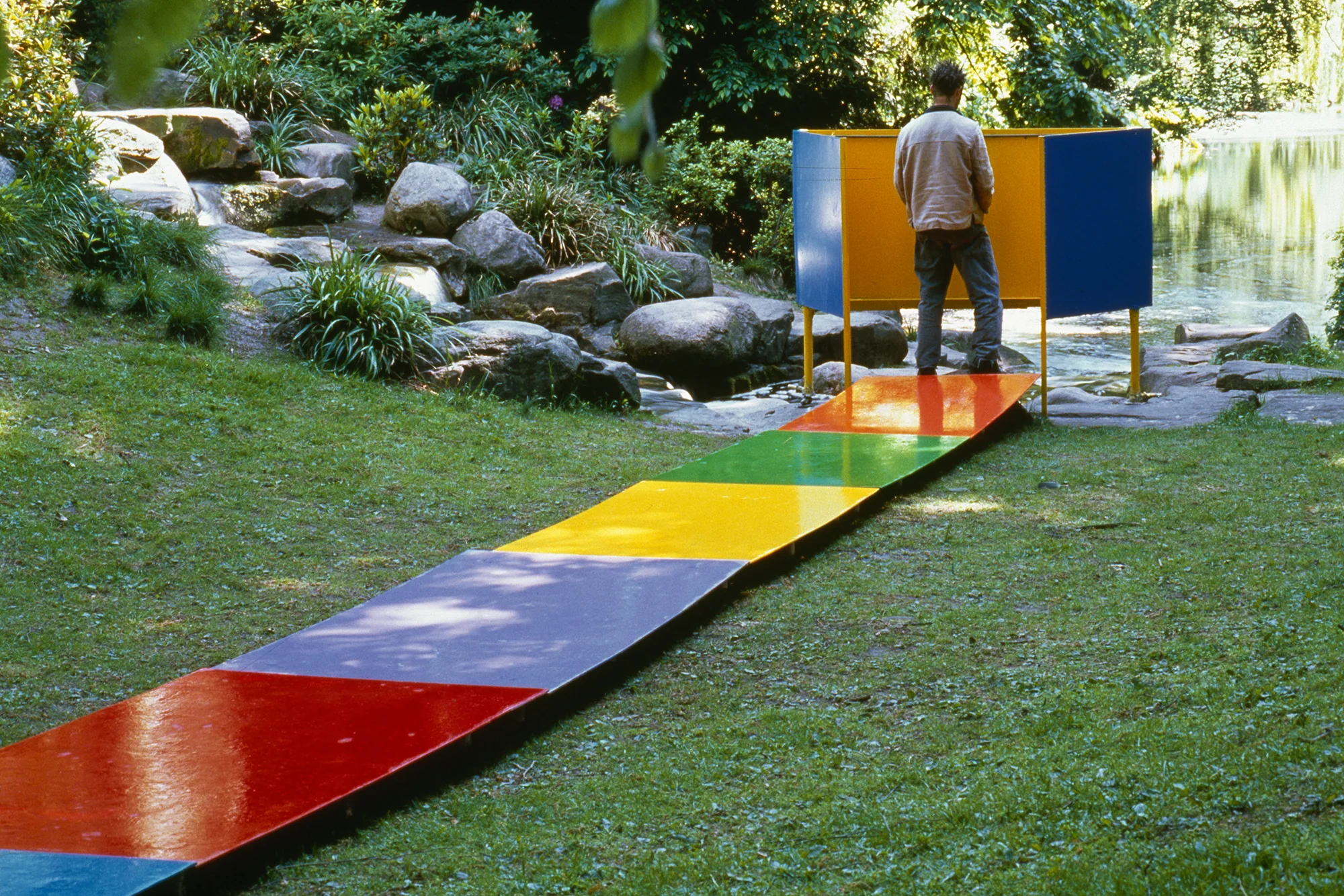
Installation view Skulptur Projekte Münster
In the spring, Franz West was represented by two exhibitions in Japan: paper-mâché sculptures and works on paper were shown at the Akira Ikeda Gallery in Tokyo. For the group exhibition "Eight People from Europe" at the Museum of Modern Art in Gunma, Takasaki, West created "Tri-Tra (Focus)" (Tri-Tra being short for: Tribünen-Trapez/Grandstand-Trapezoid), a three-tiered, walk-on platform featuring 19 steel chairs with carpet-covered seats and backrests.
Filmmaker Bernhard Riff accompanied West on this trip to Japan. Between 1988 and 2001, around 70 videos were produced; these are works in their own right, but often also function as "instructional videos". Videos became an important element of Franz West’s artistic practice early on and are integral components of his installations.

“Der Ast am Kasten"
On November 4, 1998, Franz West received the Wolfgang Hahn Prize from the Society for Modern Art at the Museum Ludwig in Cologne.
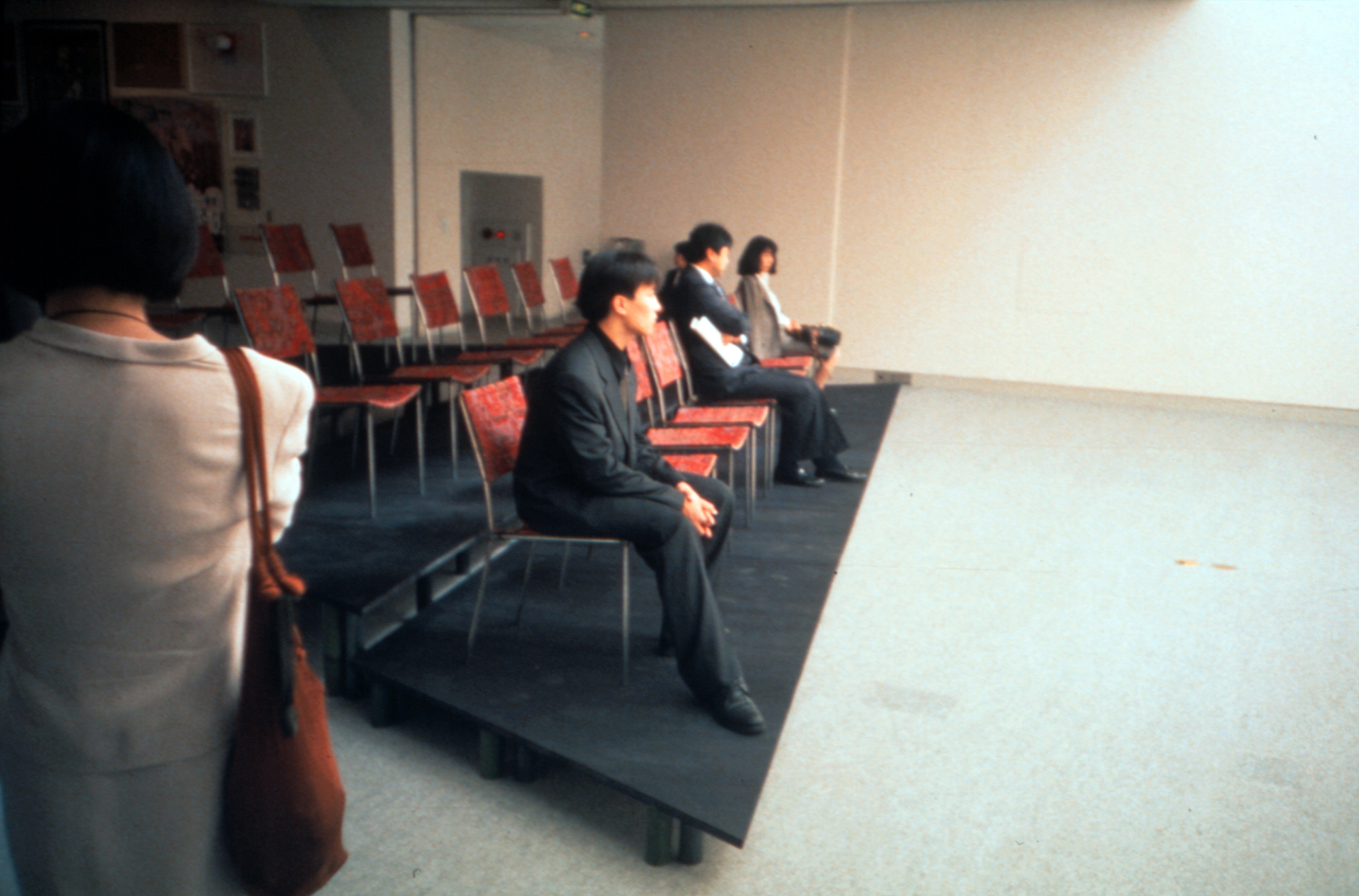
“Tri-Tra (Focus)”, 1998, Museum of Modern Art, Gunma, Takasaki
Collaborations, artistic exchange, and the conceptual intertwining of ideas are hallmarks of Franz West’s working method. For the "Franz West" exhibition at the Rooseum in Malmö, he invited his assistants Roland Kollnitz, Peter Höll, and Songül Boyraz to present their own artistic contributions. Under titles such as "West und Werkstatt" (1999) or "Soufflé" (2007), he frequently brought young artists together within the context of his own work.
The Paulusgasse studio was rented for the production of the outdoor aluminum sculptures. The works, some of which are several meters high, were largely created there based on 1:100 scale models.
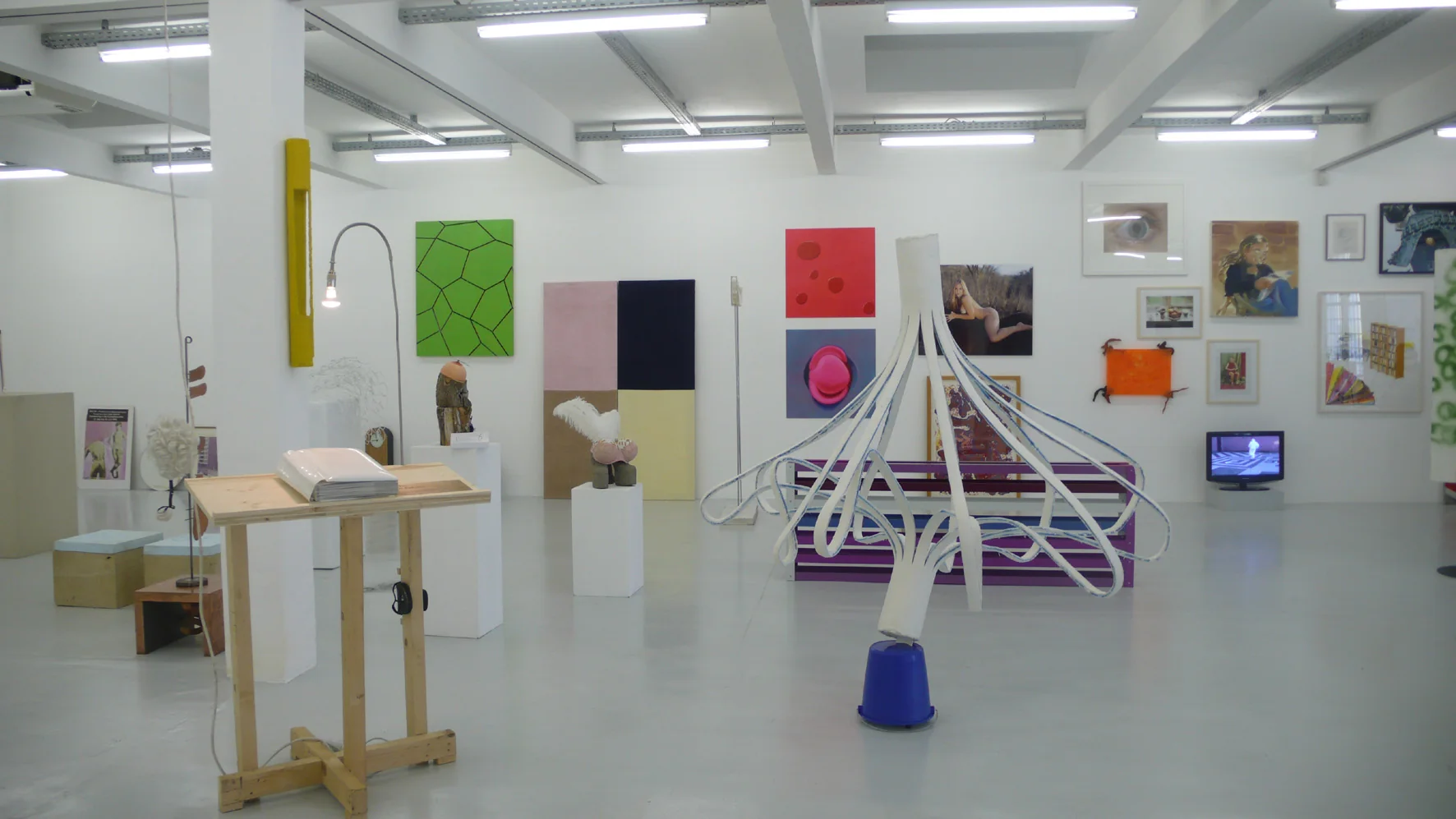
Installation view Kunstraum Innsbruck, 2007
Following his first solo show at Gagosian in London in the autumn of 2001, Franz West began collaborating with the global gallery, presenting "Sisyphos: Litter & Waste" in New York. The exhibition included ten pedestal-free paper-mâché sculptures that resemble colorful, heavy boulders. Some are propped up with paint cans or metal pipes to maintain a precarious balance. Three imposing aluminum sculptures, originally intended for outdoor use, were also installed in the interior: "Dorit", "Laube", and "Corona". The latter appeared on the cover of the renowned American art magazine "Art in America".
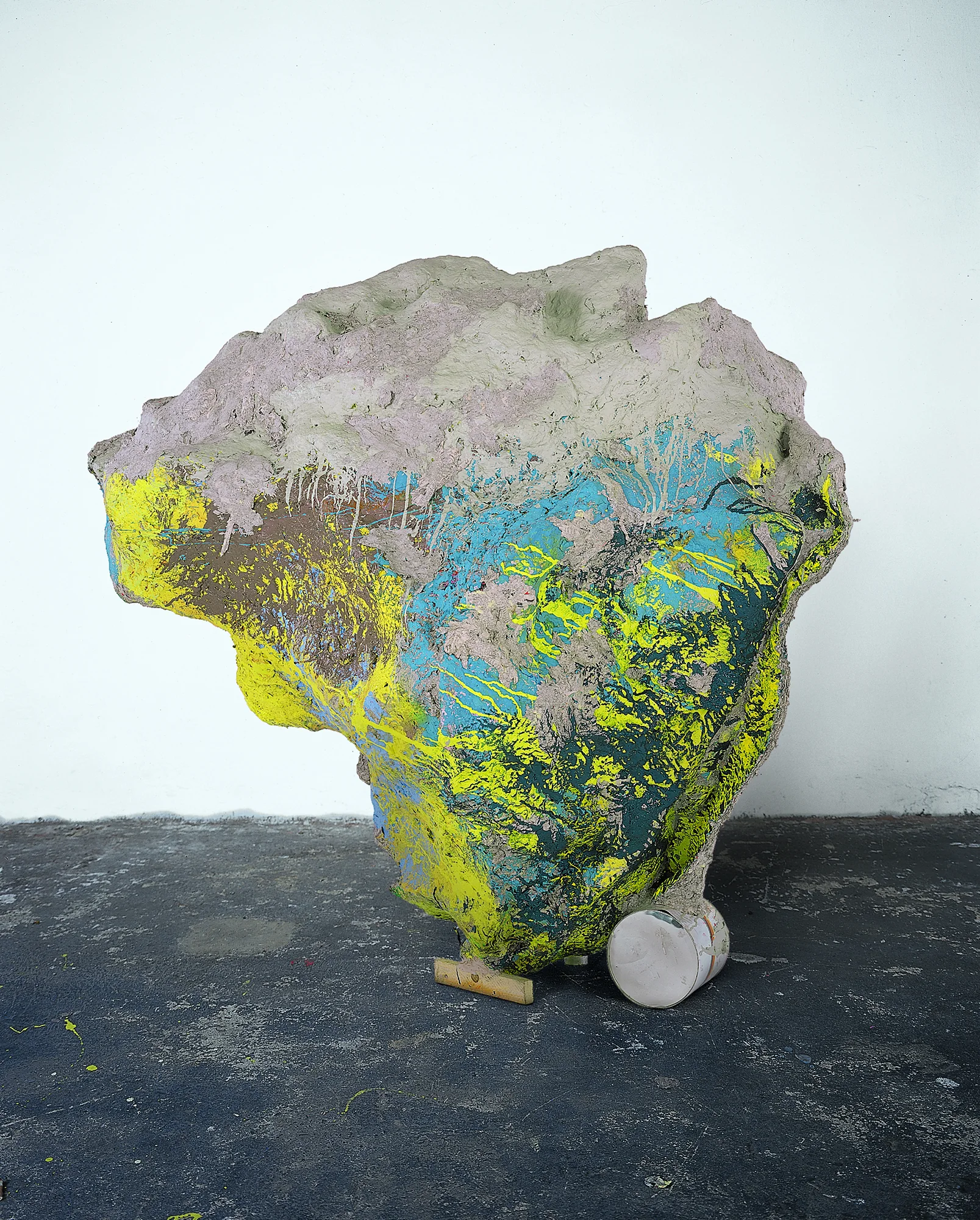
Sisyphos, 2002
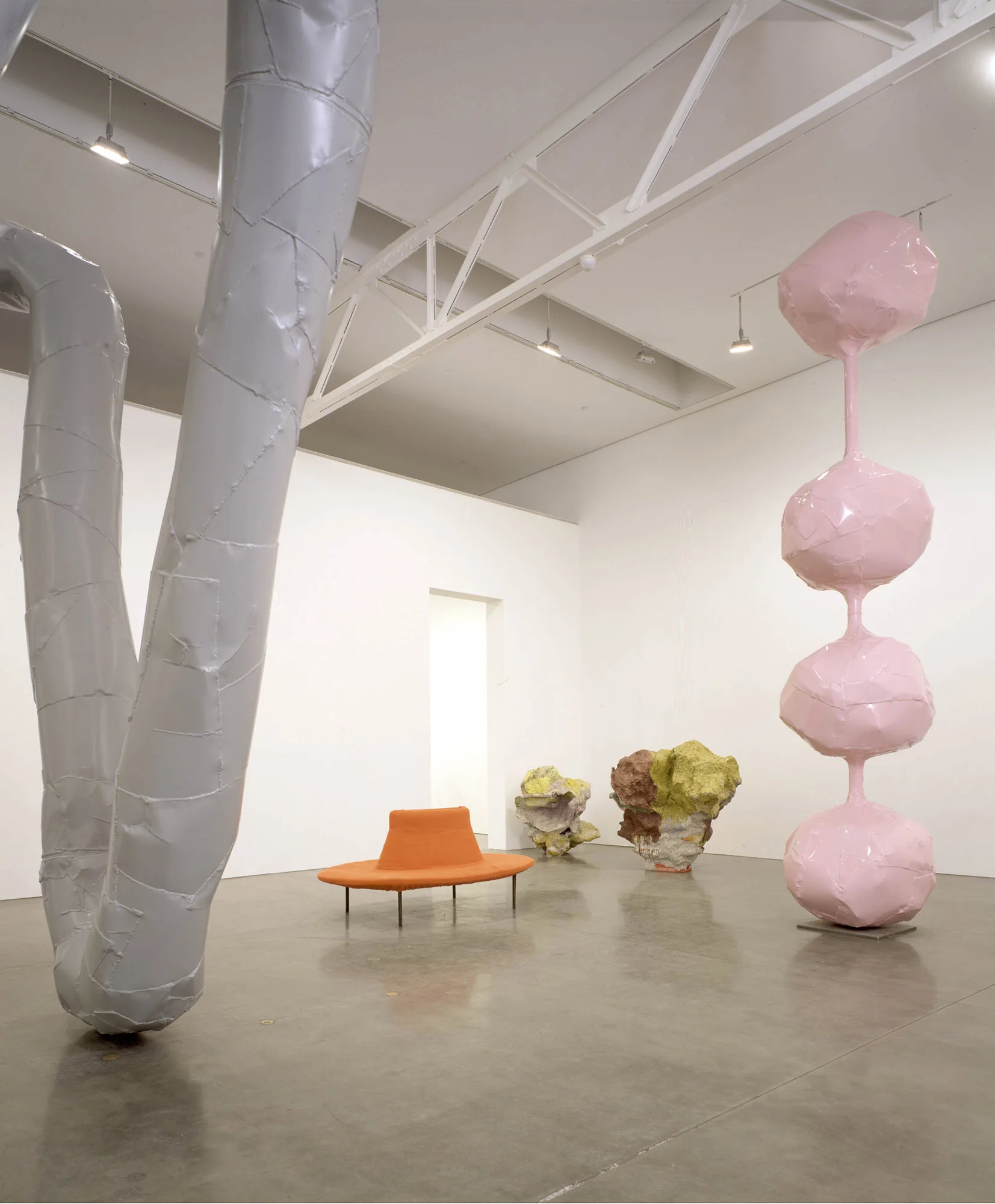
Installation view Gagosian Gallery, New York
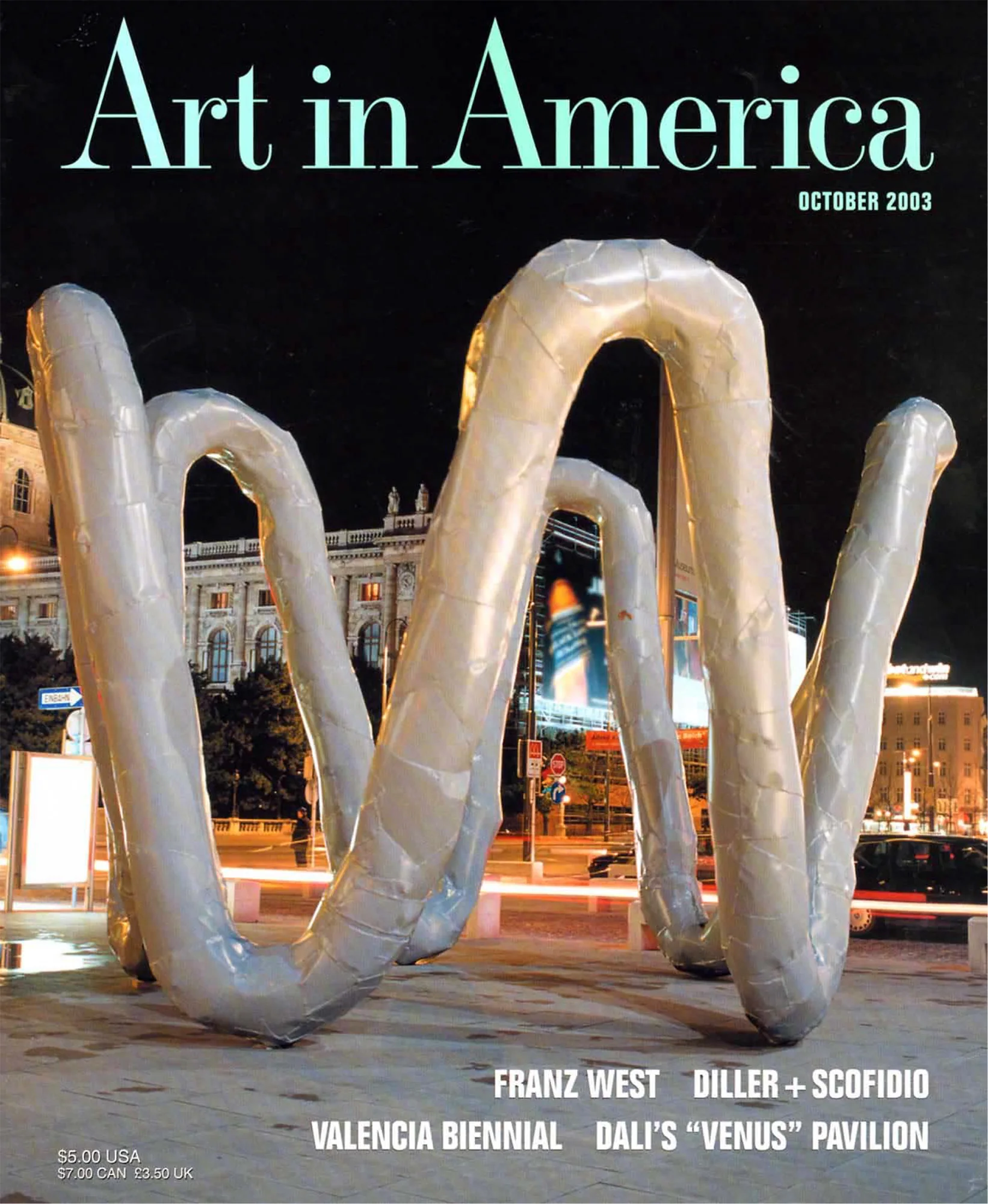
Art in America, October 2003
"Art to Crawl Around In All Summer Long" is the title of a New York Times article about seven large outdoor sculptures installed in a row in front of the Lincoln Center for the Performing Arts under the title "Mostly West". At the southeastern entrance to Central Park, the Doris C. Freedman Plaza, visitors can sit on further outdoor sculptures, each titled "Mercury".
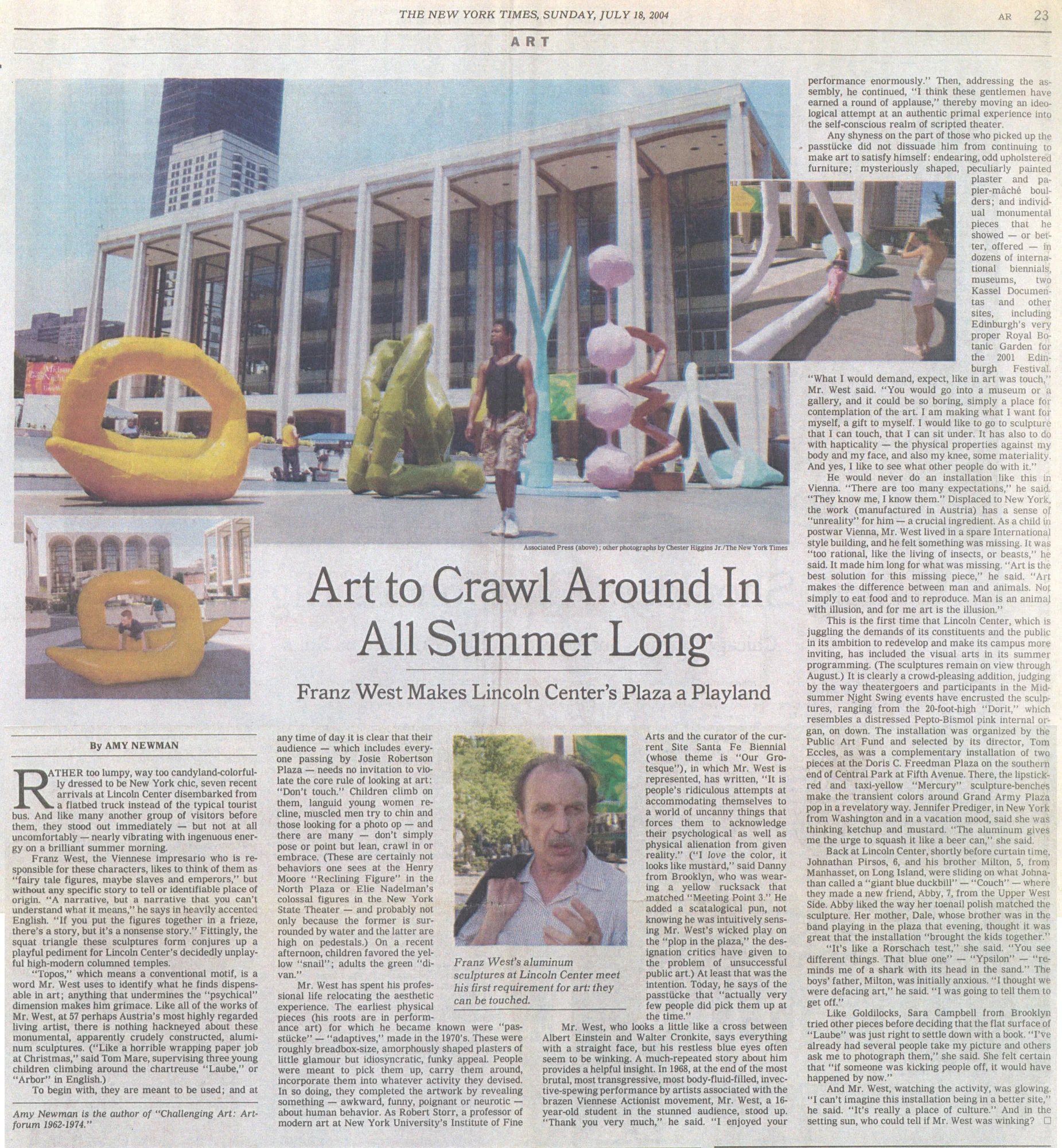
New York Times, July 18, 2004
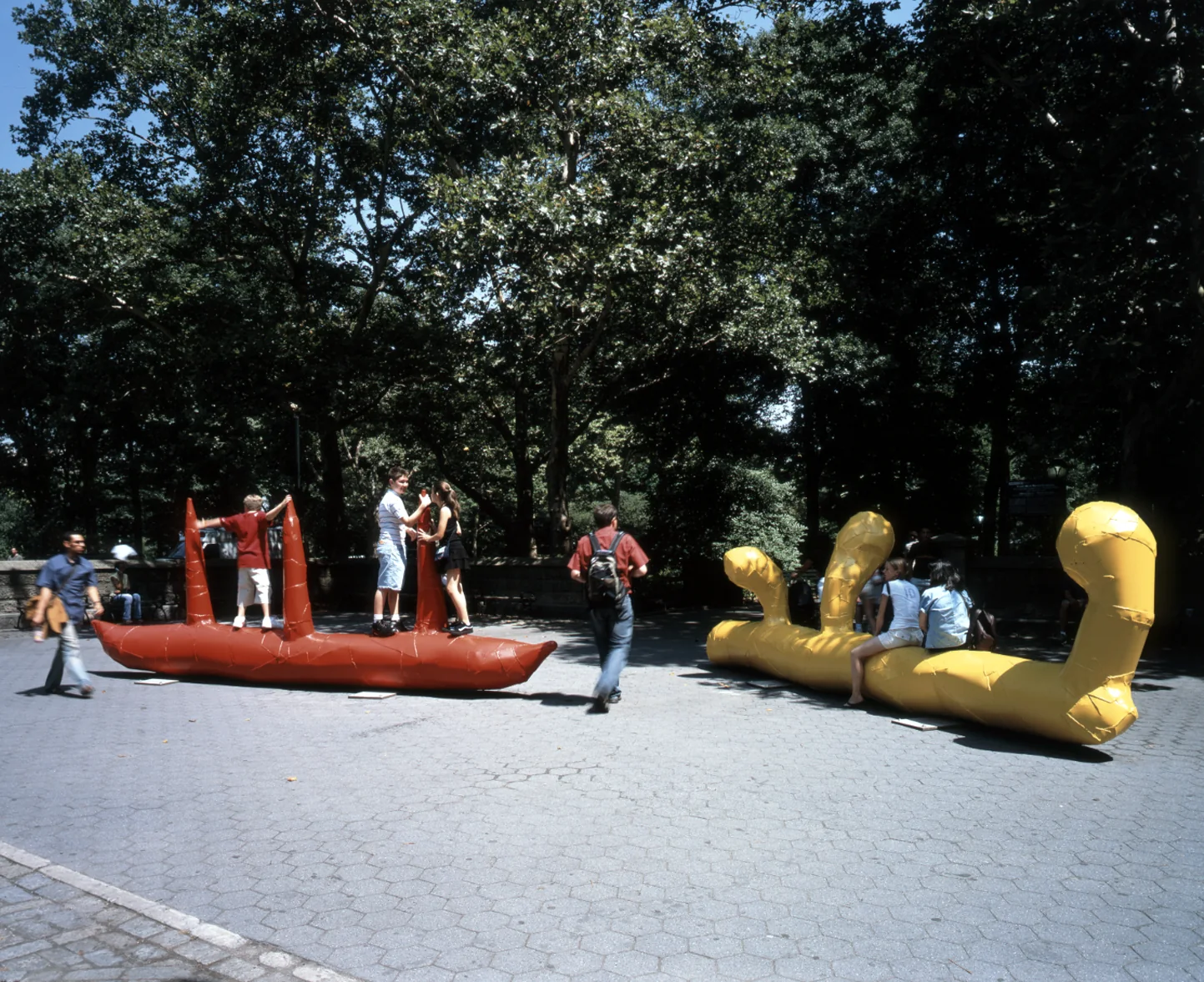
Installation view Doris C. Freedman Plaza, Central Park, New York
Franz West begins creating outdoor sculptures from epoxy resin. This material is more malleable than aluminum and more flexible during the production process, allowing for easier and longer-lasting adaptations.
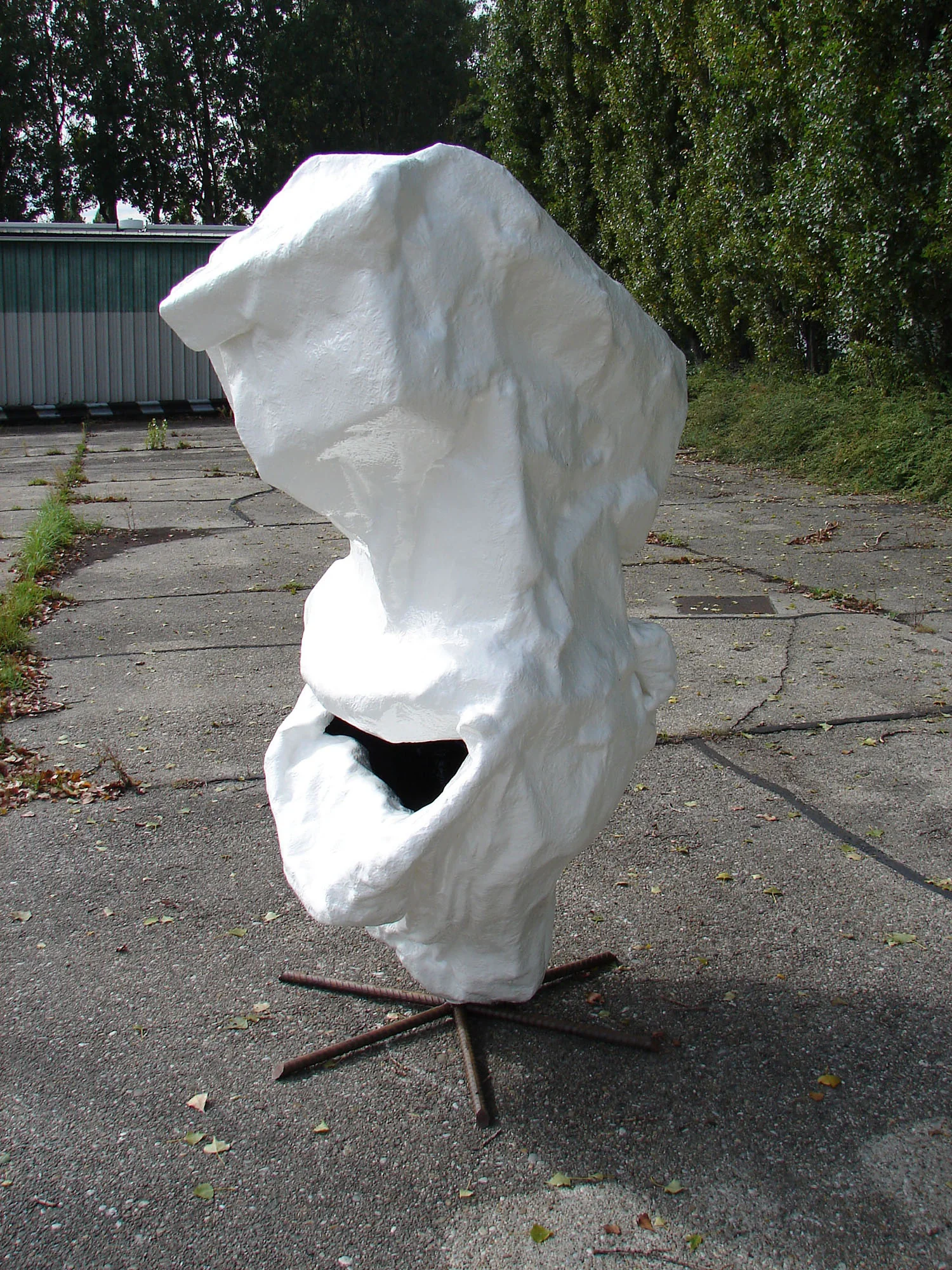
Lemur, 2005
Epoxy resin is also well-suited for coating surfaces. Work tables from the studio, complete with traces of paint, are embedded in the material and elevated to artworks as the series "Working Table in Aspic". West presents these, alongside poster designs, knick-knacks, and other furniture sculptures, in the exhibition "Franz West: Sale", his first major show at the Gagosian Gallery in Beverly Hills, Los Angeles.
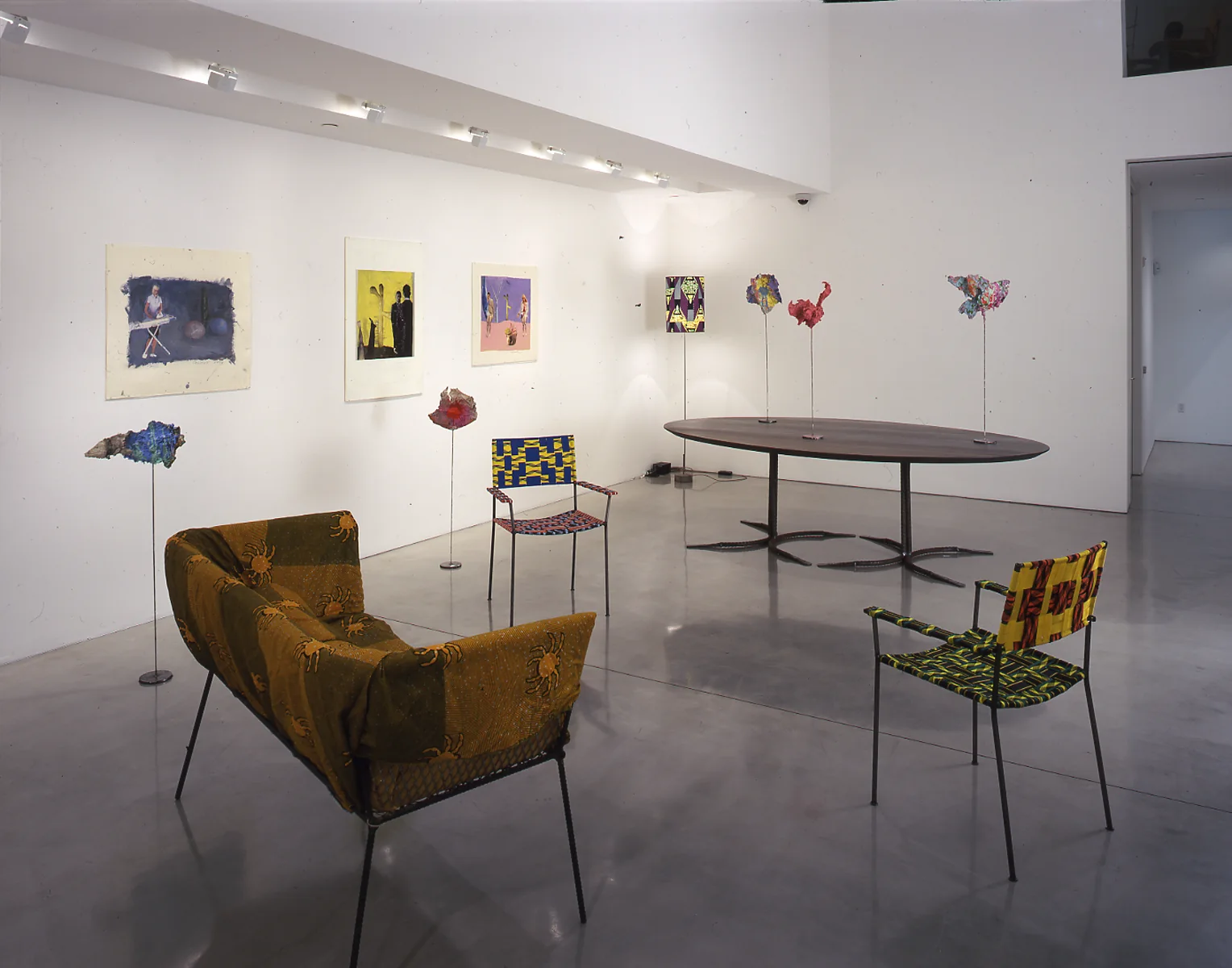
Installation view Gagosian Gallery, LA
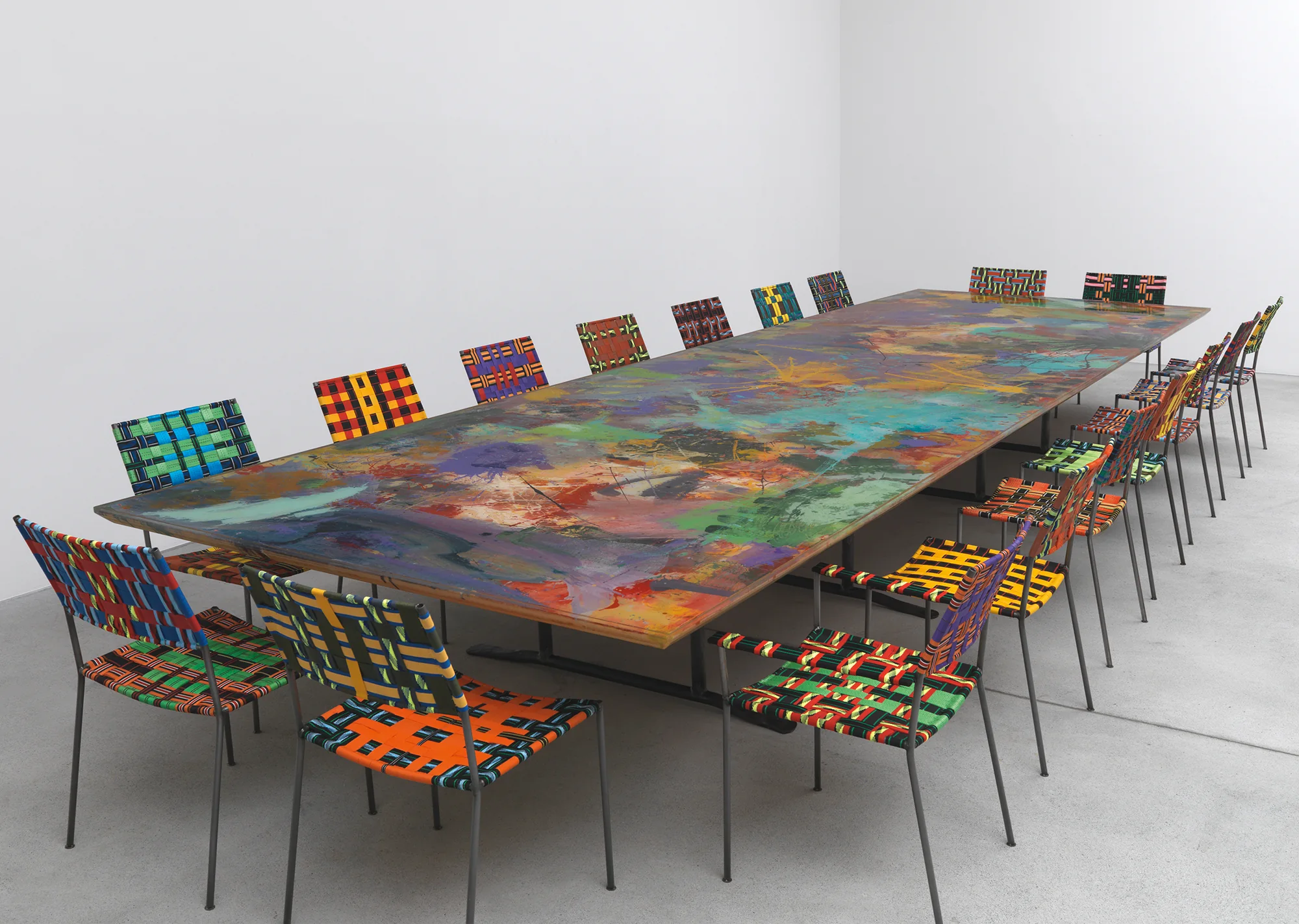
Working table in aspic, 2008
The curator of the 52nd Venice Biennale, Robert Storr, invites Franz West: "The Fragile on its Cloak" consists of four paper-mâché and three aluminum sculptures. The linguistic interplay in the title—between the German "Kloake" (cloaca) and the English word "cloak"—is a deliberate choice that references the exhibition's location in Venice.
At the same time, West organizes the exhibition "The Hamsterwheel" as a side event: intentionally uncurated, it is meant to showcase works by artist friends and disrupt the rules of the art market.
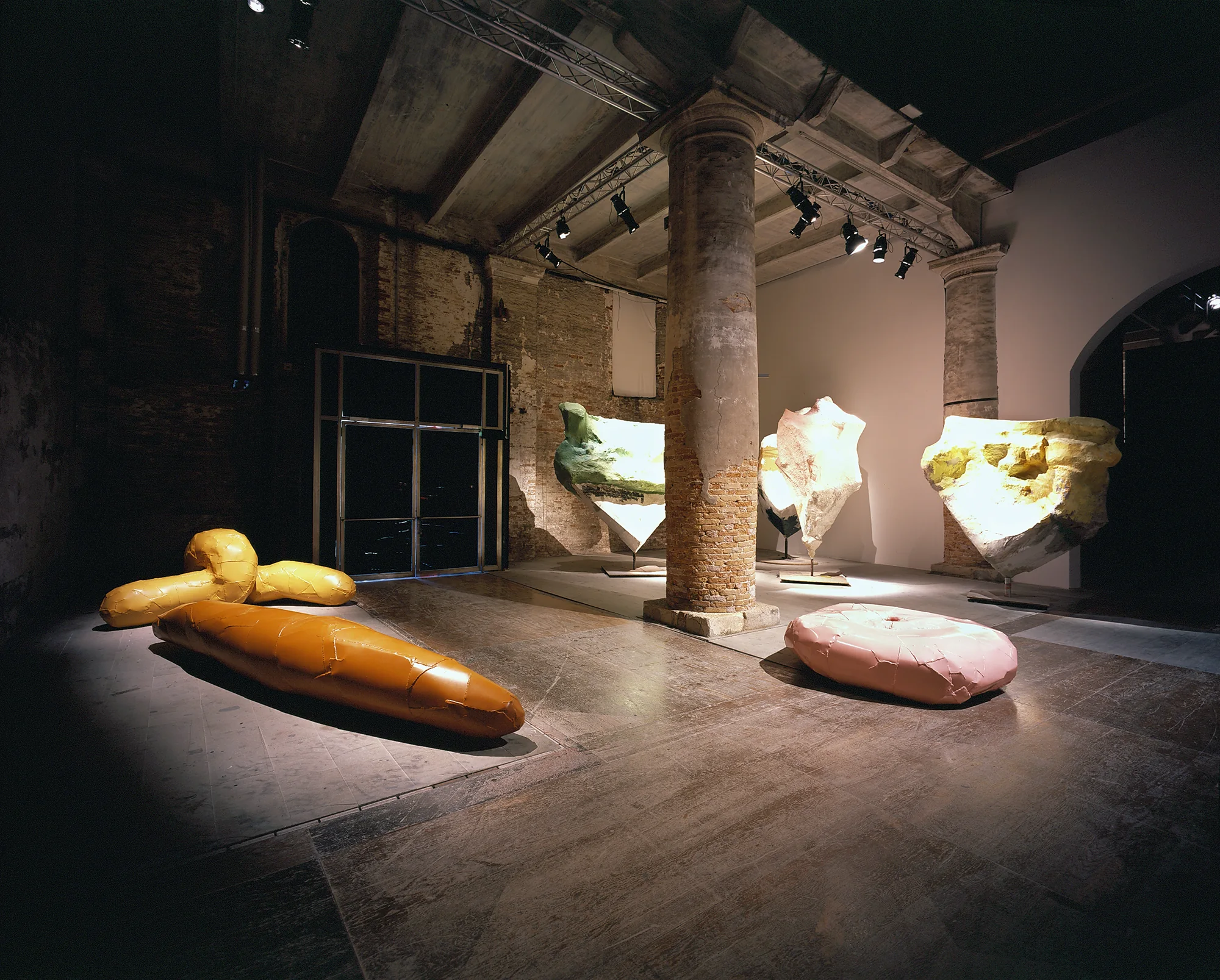
Installation view "The Fragile on its Cloak", 2007
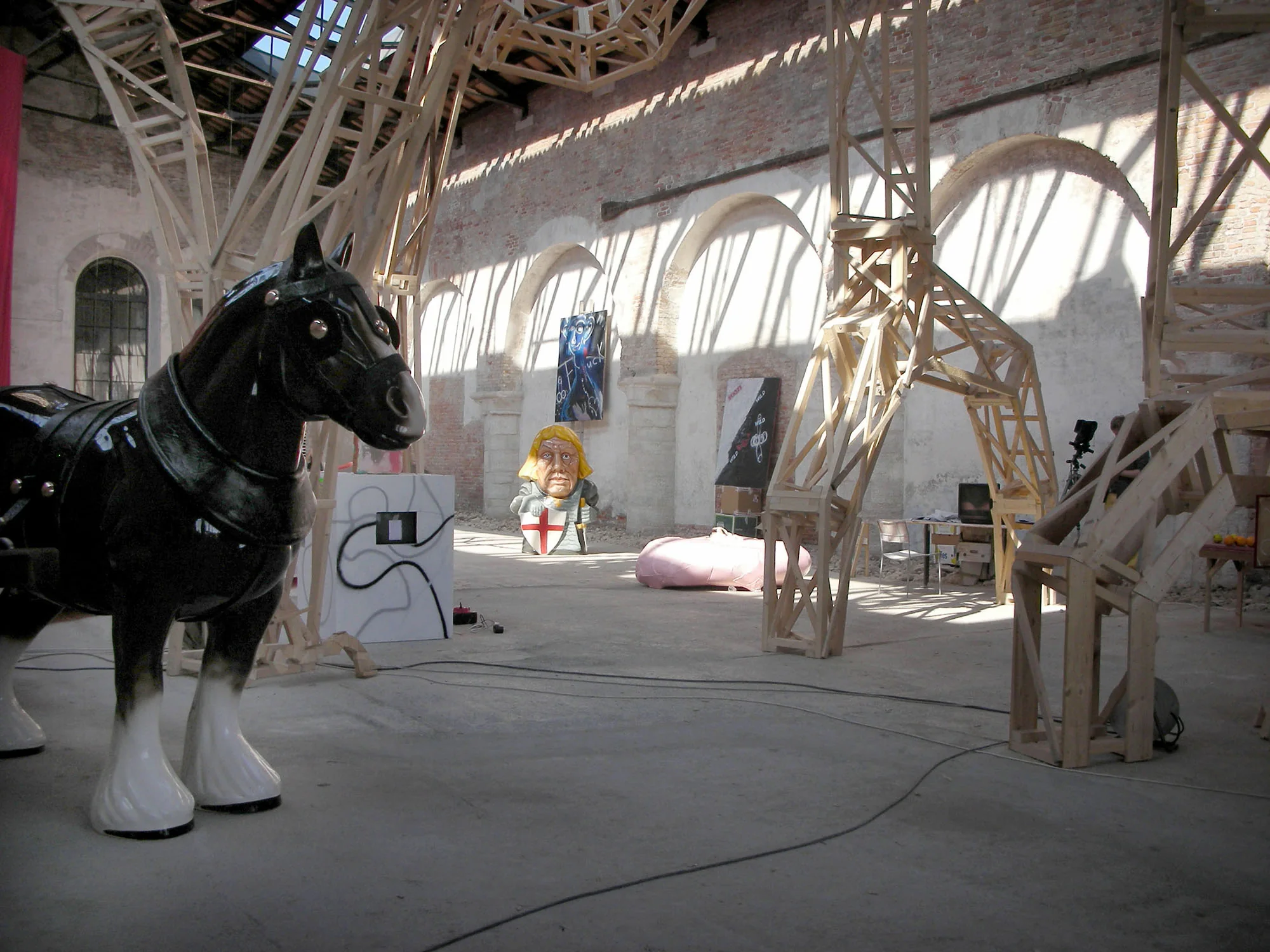
Installation view "The Hamsterwheel"
In the autumn, the Baltimore Museum of Art hosts the first comprehensive U.S. retrospective, "To Build a House You Start with the Roof: Work 1972-2008". Curator Darsie Alexander visits Franz West at his studio on Esteplatz in Vienna. Among numerous other works, the floor-to-ceiling, two-part aluminum sculpture "The Ego and the Id" is installed.
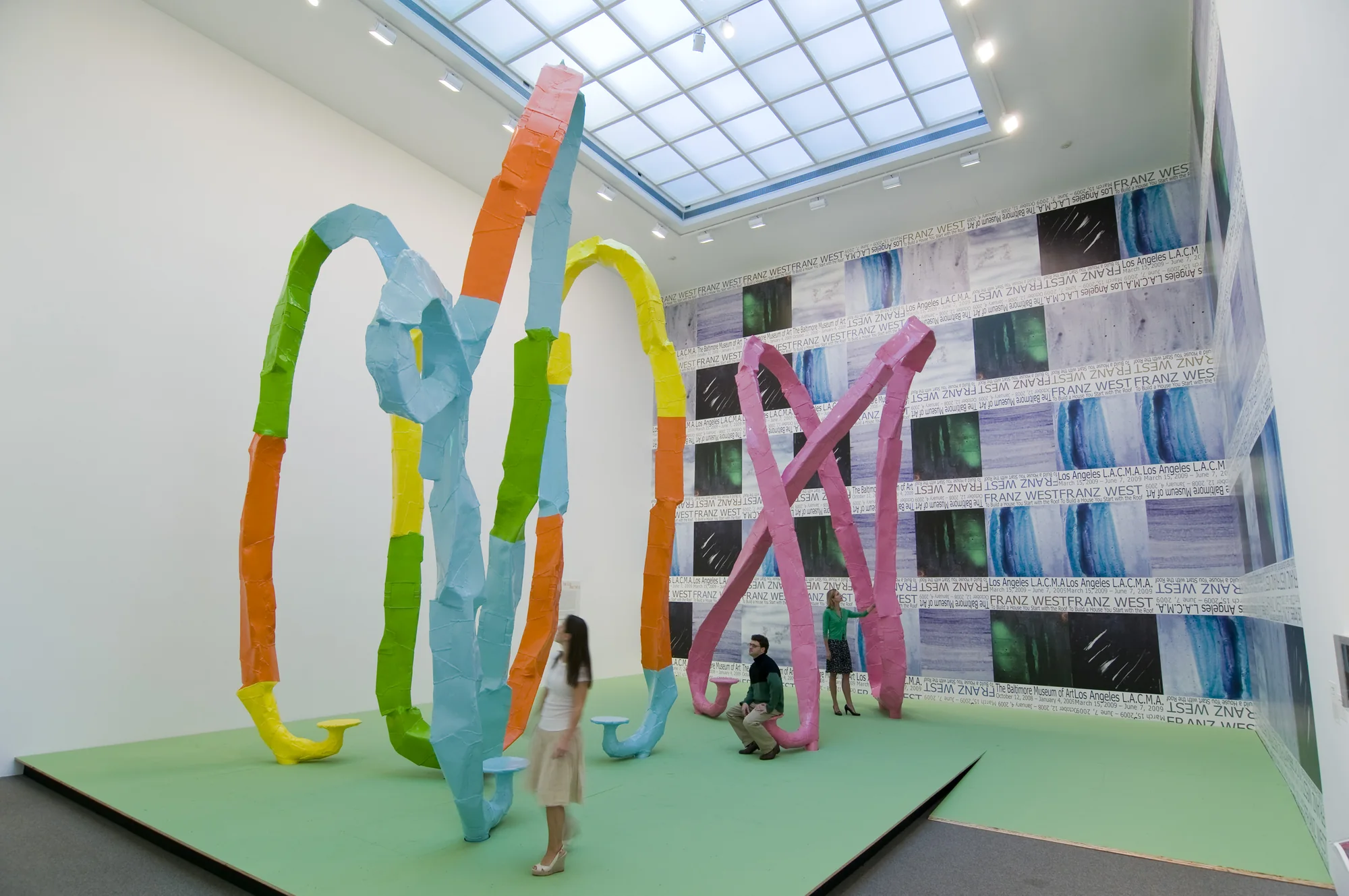
Installation view, Baltimore Museum of Art
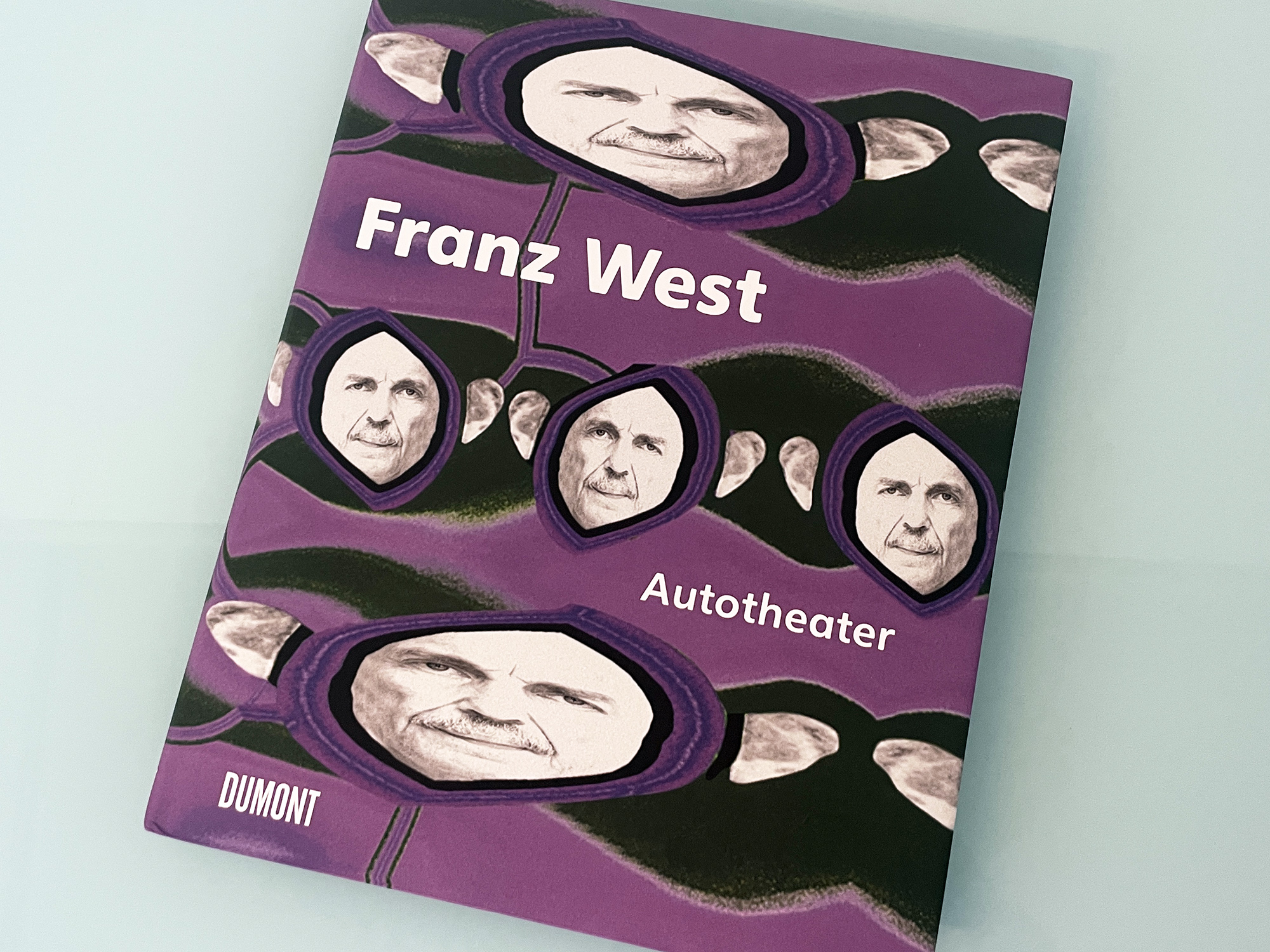
"Considered one of Europe’s most influential living artists, West is known for work that has played a critical role in redefining the possibilities of sculpture and the ways that art is experienced," states the press release for the exhibition "Works from the 1990s" at Zwirner & Wirth in New York that spring. In July, his first solo exhibition in Mexico, "Elefante Blanco", opens in Mexico City, followed in the autumn by the retrospective "Autotheater" at the Museum Ludwig in Cologne.
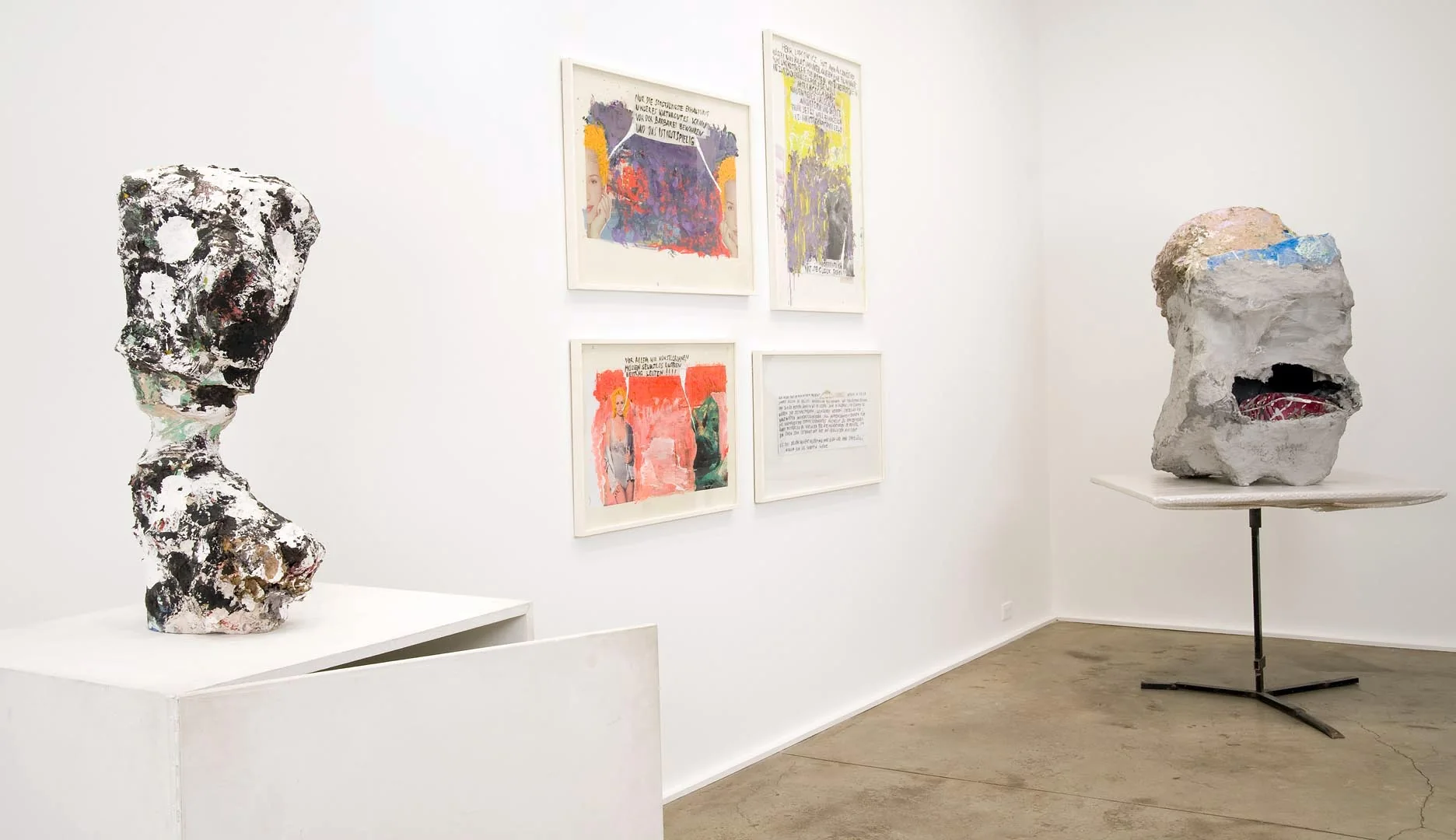
Installation view Zwirner & Wirth, New York
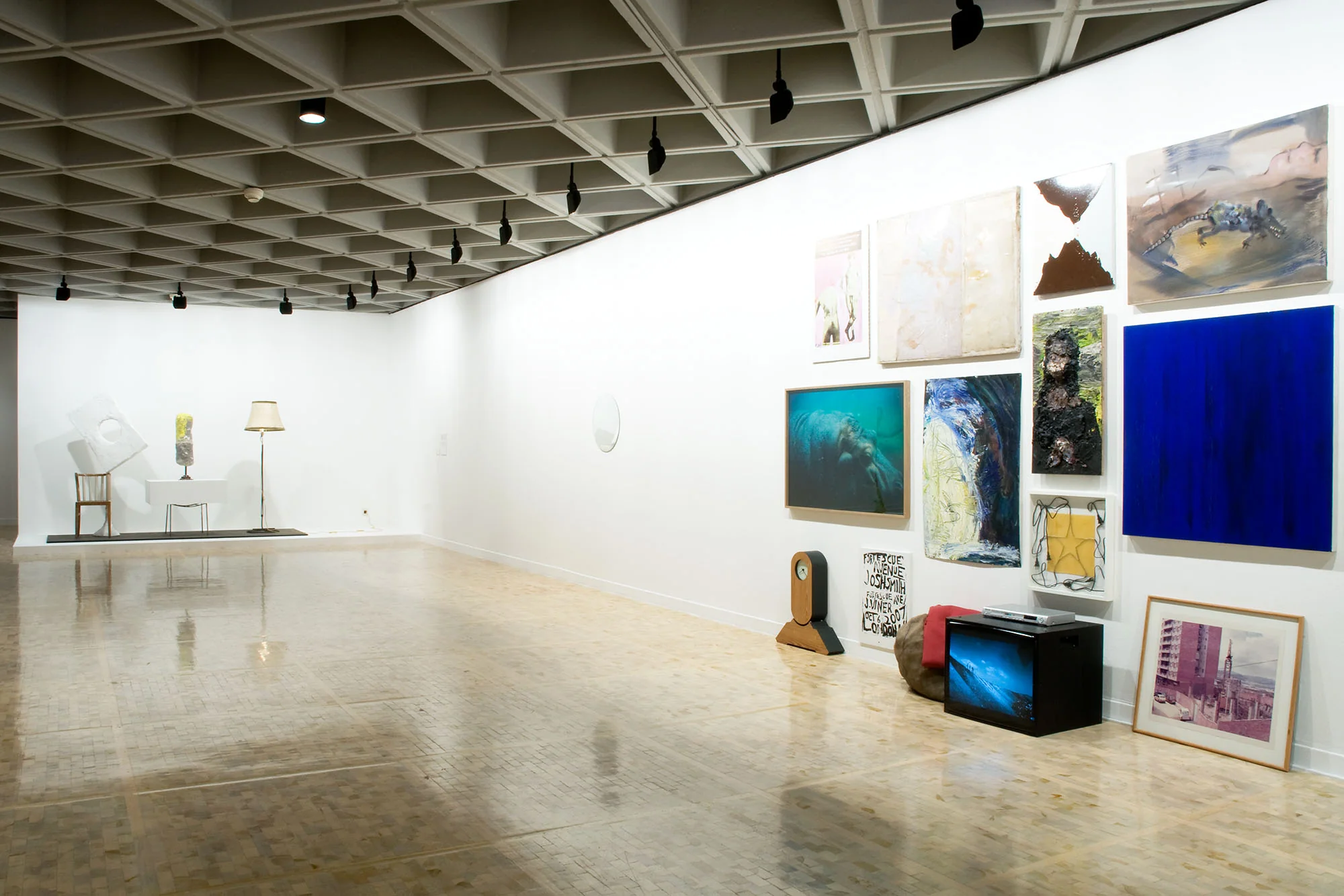
Installation view Museo Tamayo Arte Contemporáneo, Mexico City
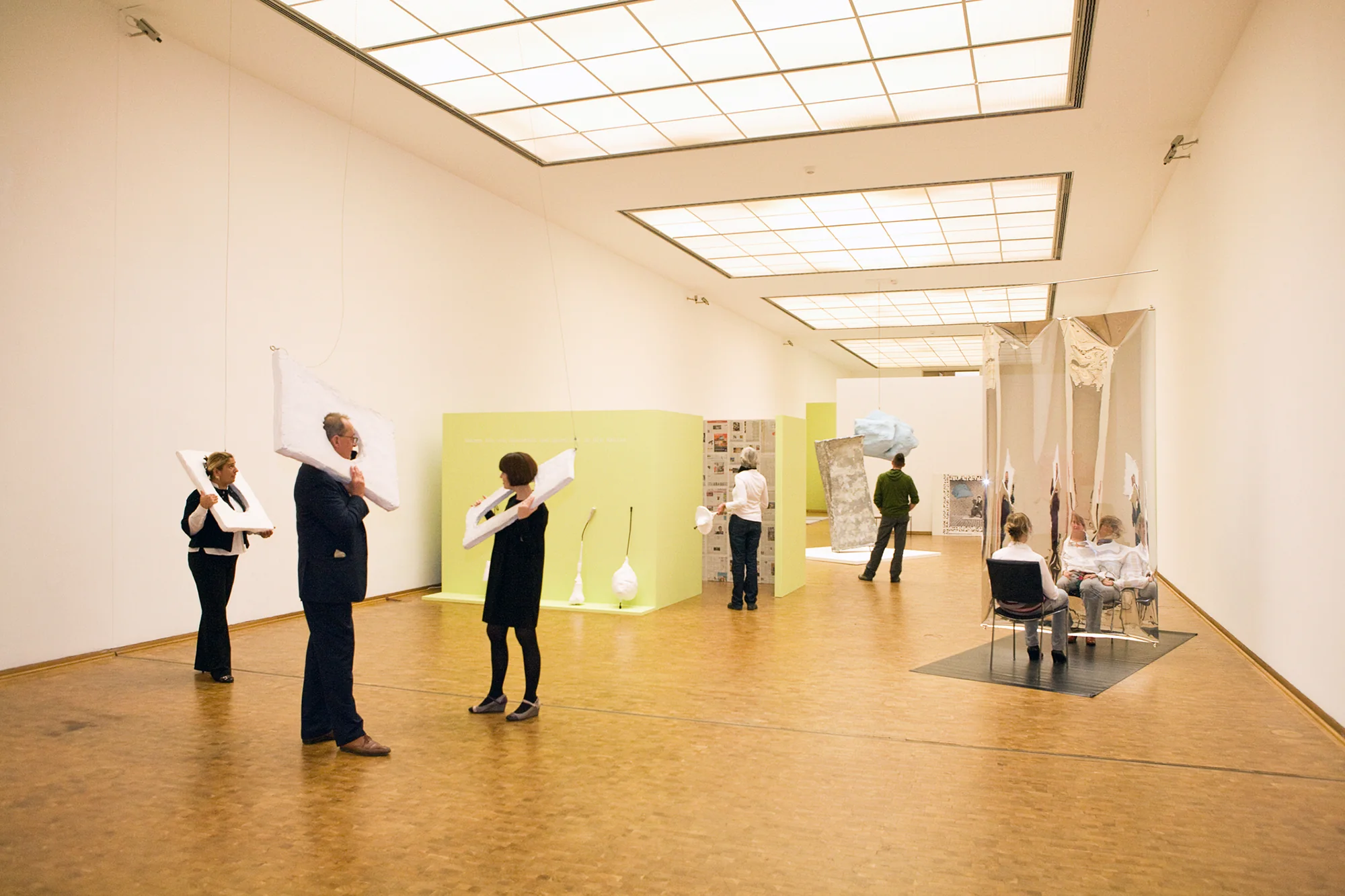
Installation view Museum Ludwig, Cologne
Bice Curiger, curator of the 54th Venice Biennale, invited Franz West and others to design a "para-pavilion": a sculptural or architectural structure intended to house the works of other artists. Franz West presented the installation "Extroversion", which consisted of his studio kitchen "turned inside out", featuring around 40 artworks by West and other artists.
On June 3, during his stay in Venice, Federal President Dr. Heinz Fischer presented Franz West with the Austrian Decoration for Science and Art, the highest honor awarded by the Republic of Austria for scientific or artistic achievement.
On June 4, Franz West received the Golden Lion for Lifetime Achievement at the Venice Biennale.
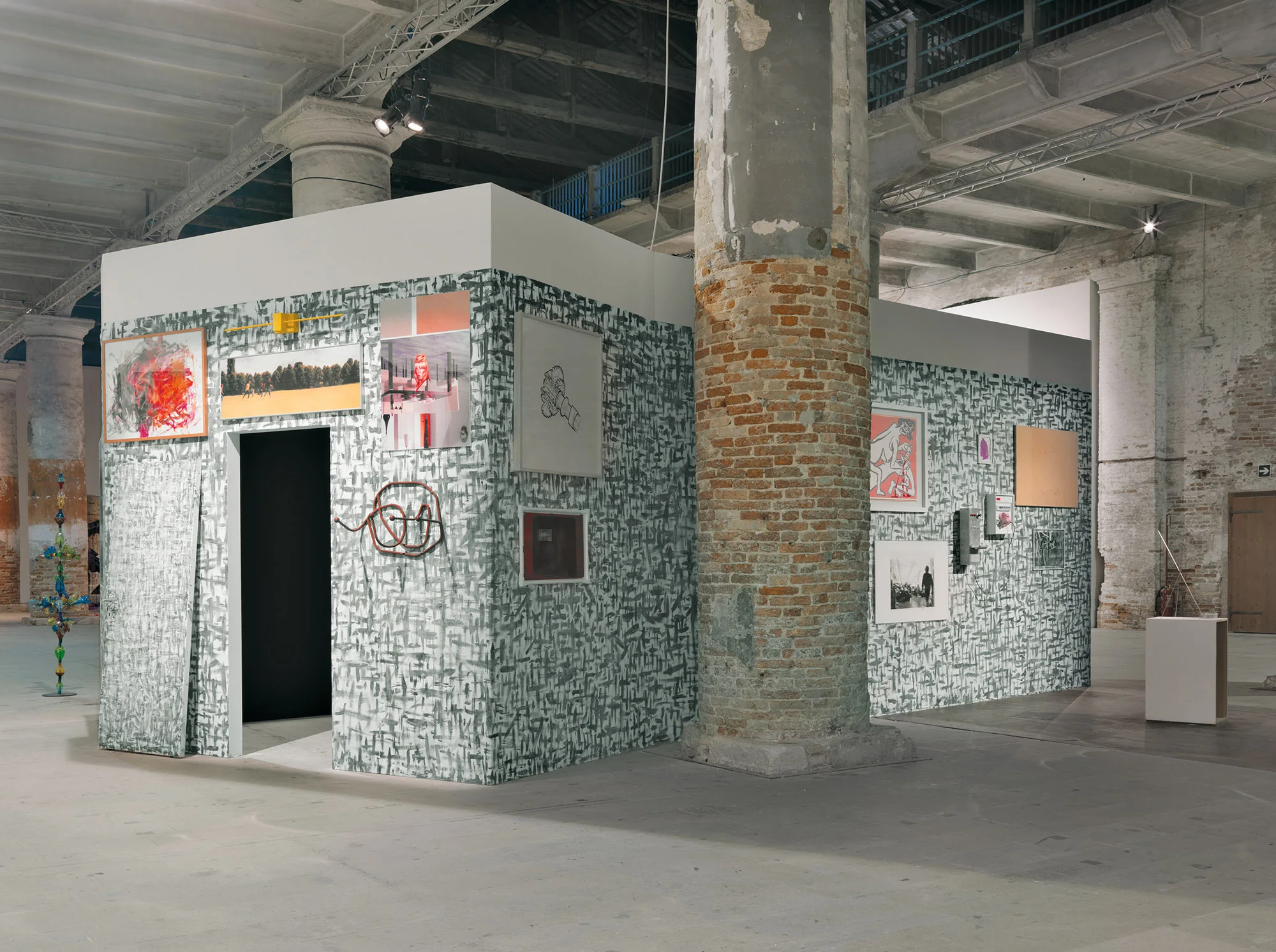
"Extroversion", 2000–2011
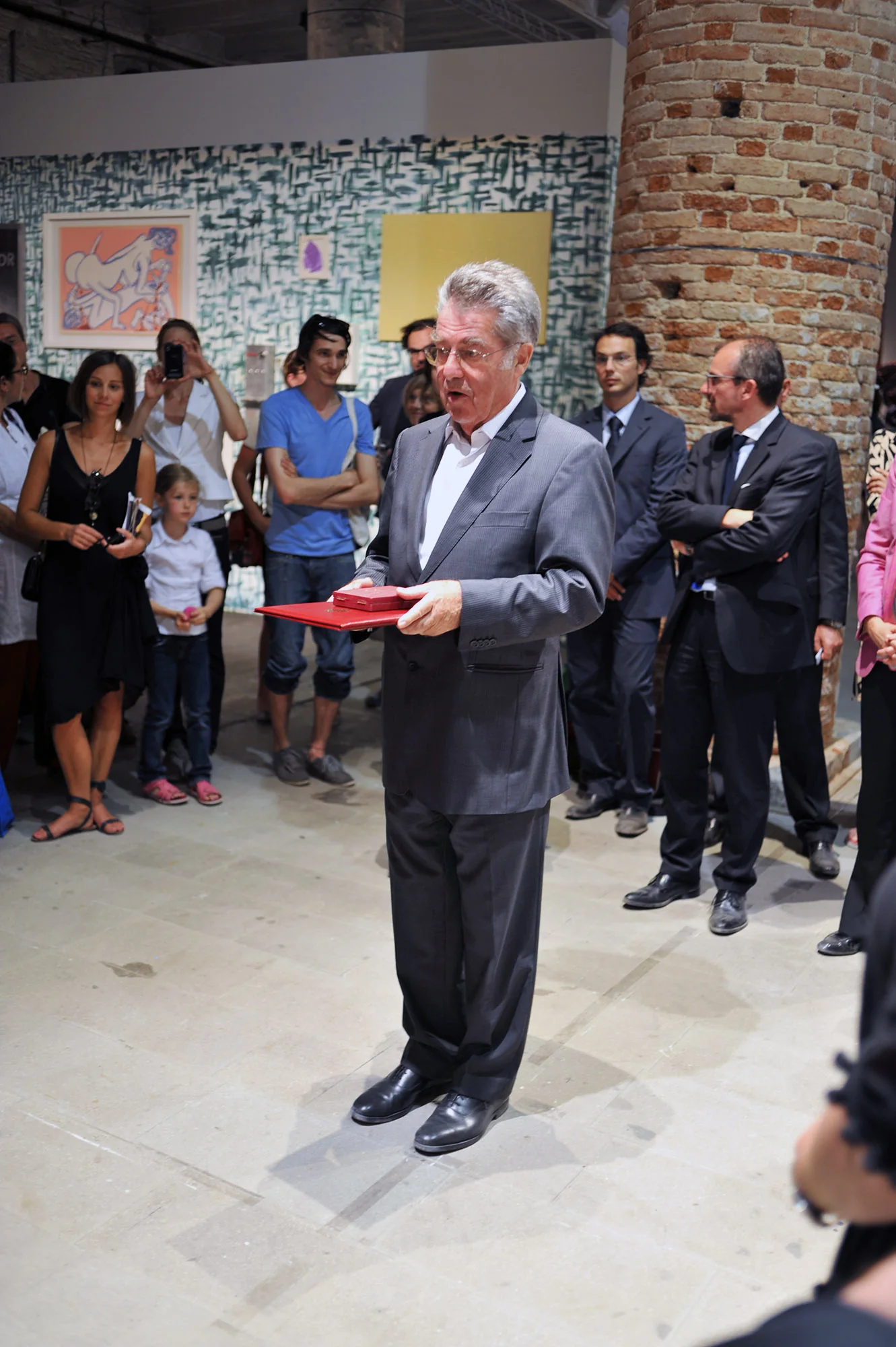
Federal President Heinz Fischer with the decoration in front of the "Extroversion" para-pavilion
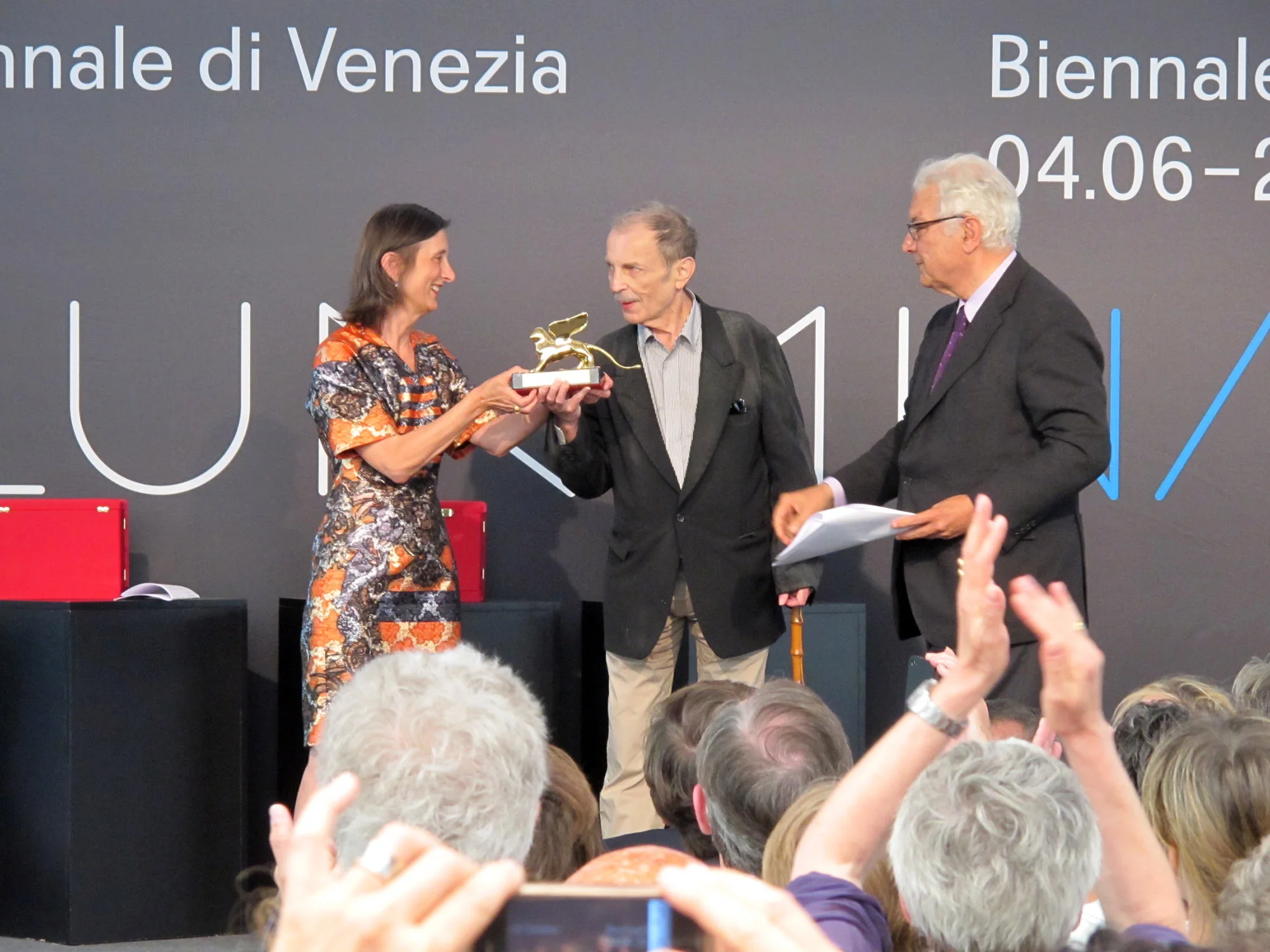
Award ceremony with Bice Curiger
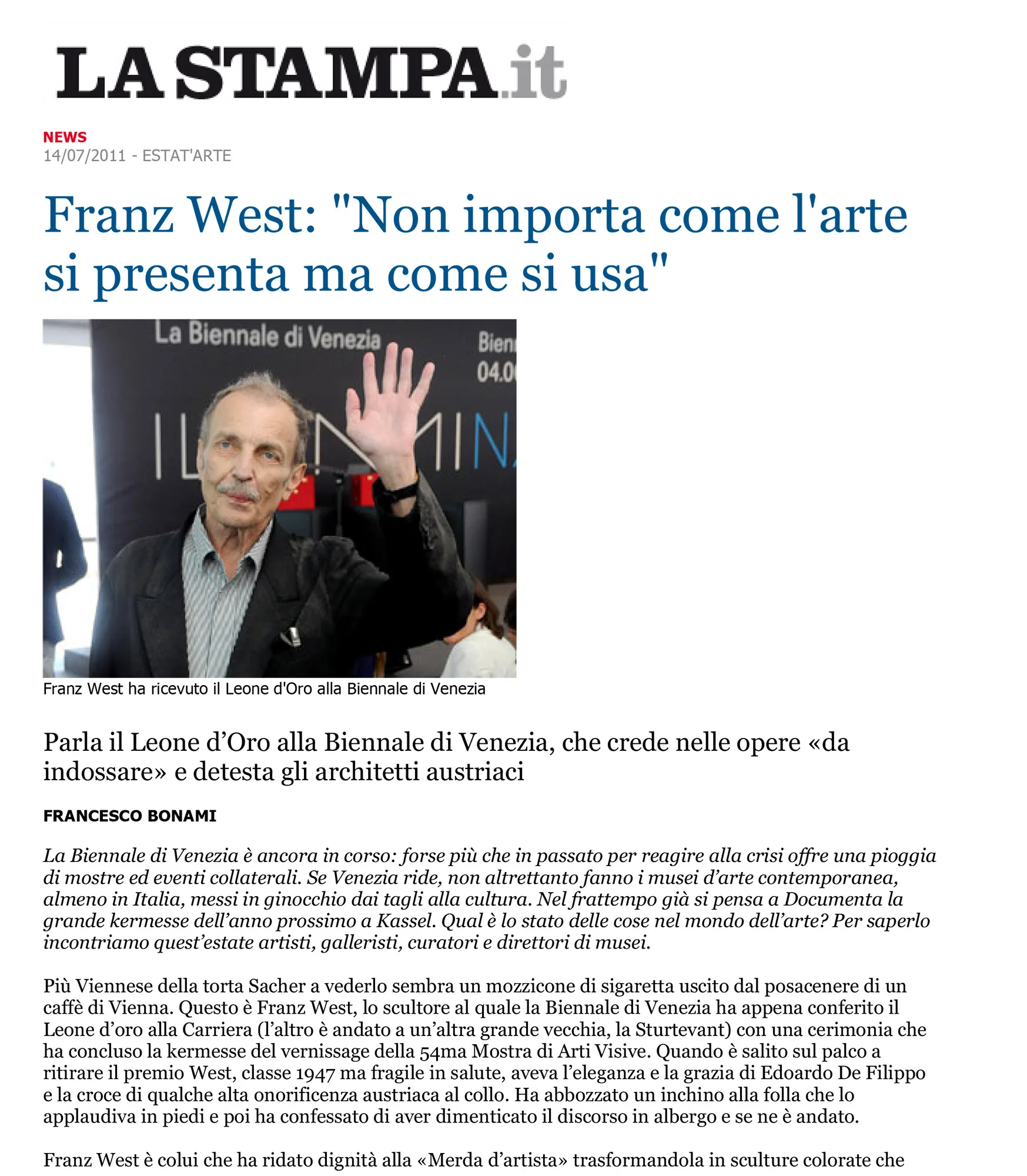
La Stampa, 2011
Franz West was working on the concept for his autumn exhibition "Man with a ball" at the Gagosian Gallery in London (Oct 9 – Nov 10, 2012). He was also involved in planning the retrospective at mumok – Museum moderner Kunst Stiftung Ludwig in Vienna, for which he chose the title "Where is my eight?" (Feb 23 – May 26, 2013). In July, he established the Franz West Privatstiftung.
Franz West passed away in Vienna on July 25, 2012.
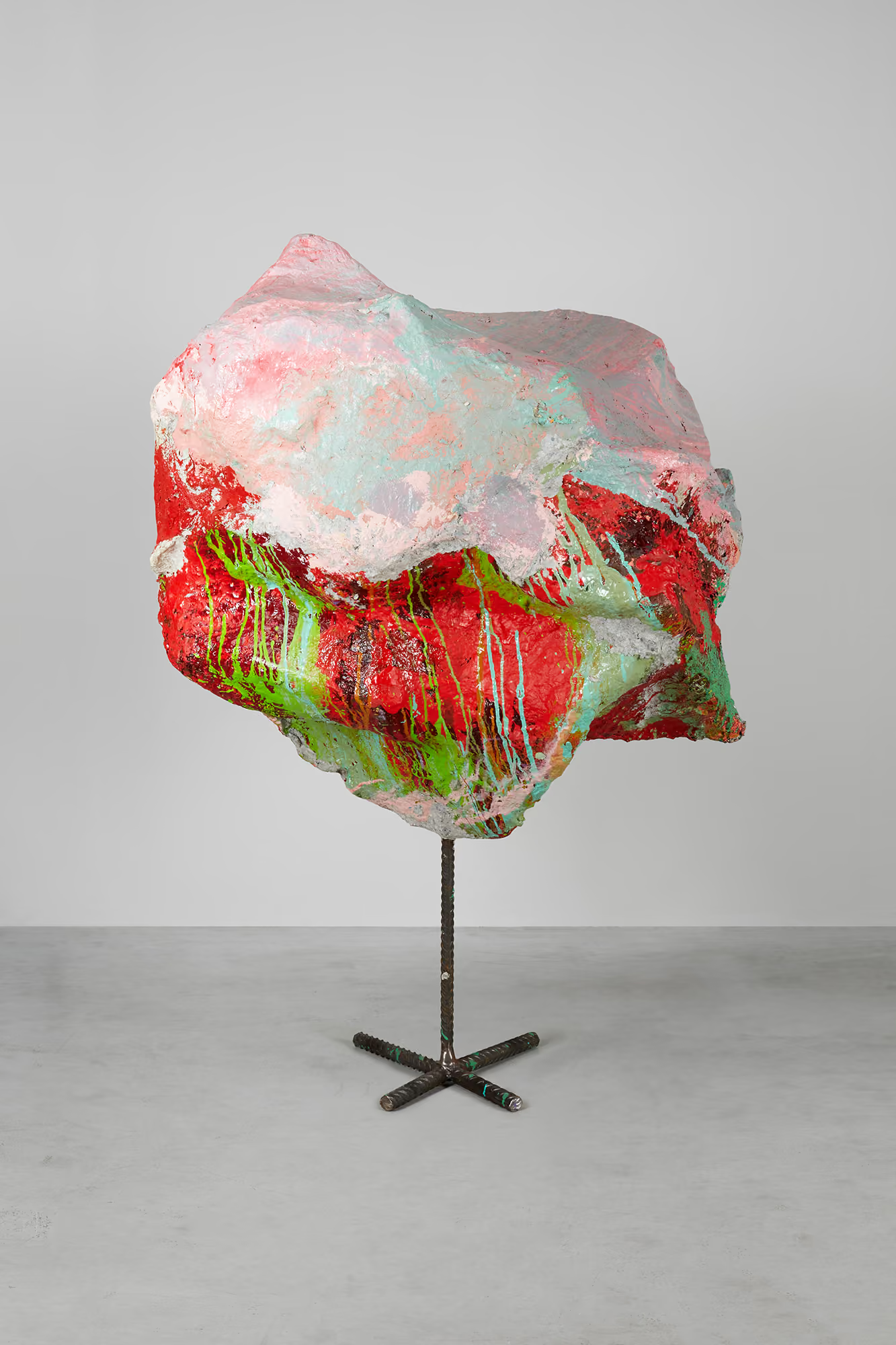
Paper-mâché, cardboard, steel, acrylic paint, gauze, lacquer
143 (H) x 100 x 87 cm
Franz West's body of work includes more than 800 paper-mâché sculptures. Short and long stands made of reinforcing steel, for example, alternate with those made from empty paint cans. Some sculptures, however, have landed directly on the floor like meteorites or hang from the ceiling.
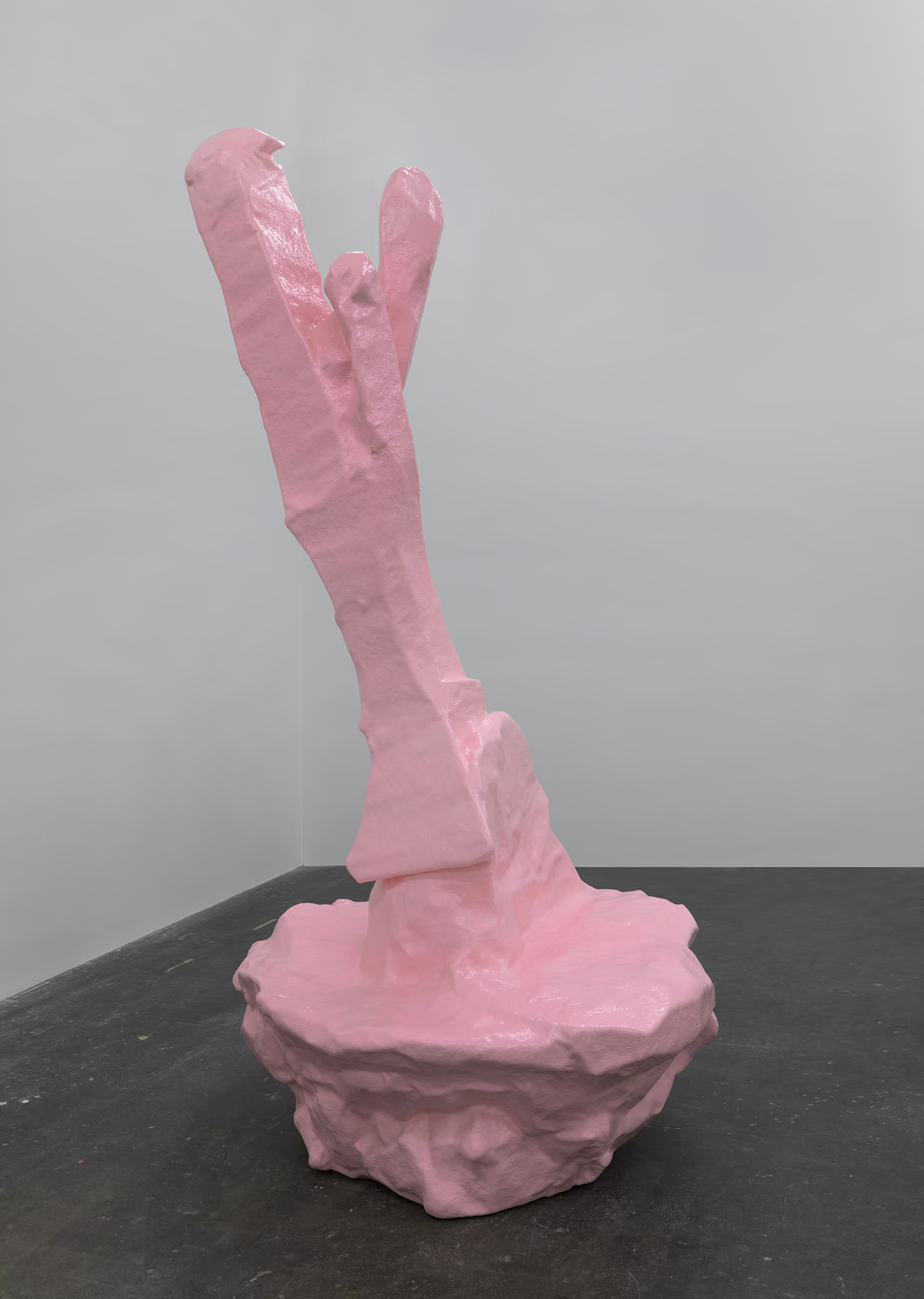
Styrofoam, epoxy resin, synthetic resin lacquer
290 (H) x 160 x 160 cm
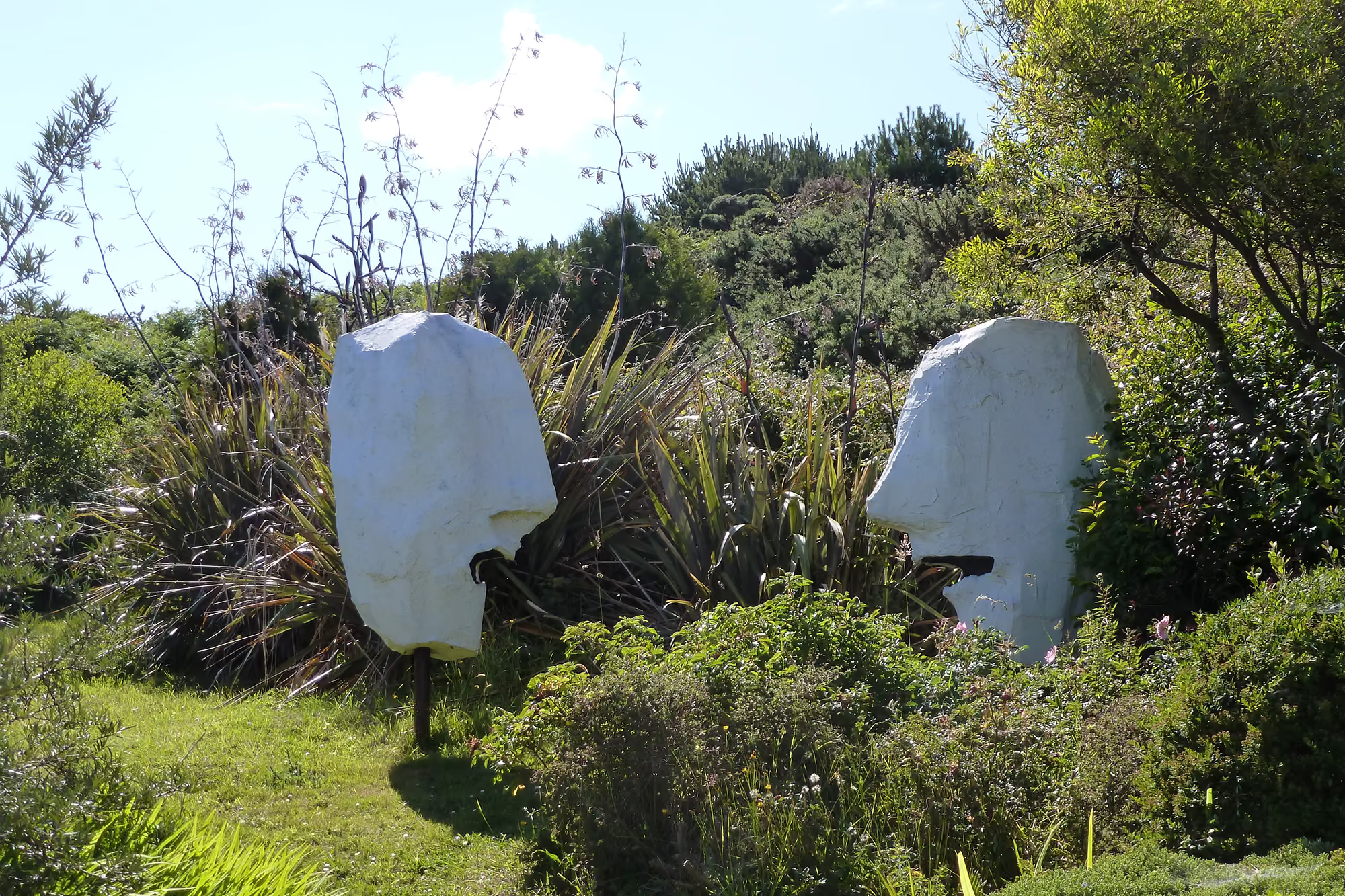
Creating sculptures for outdoor spaces was already of interest to Franz West in the 1970s, which is why he began studying under Bruno Gironcoli, who worked with weather-resistant polyester—a material that is, however, hazardous to health. By the late 1990s, West’s engagement with outdoor spaces intensified, leading to the development of around 300 sculptures, primarily made of aluminum or epoxy resin, some of which are now accessible to the public.
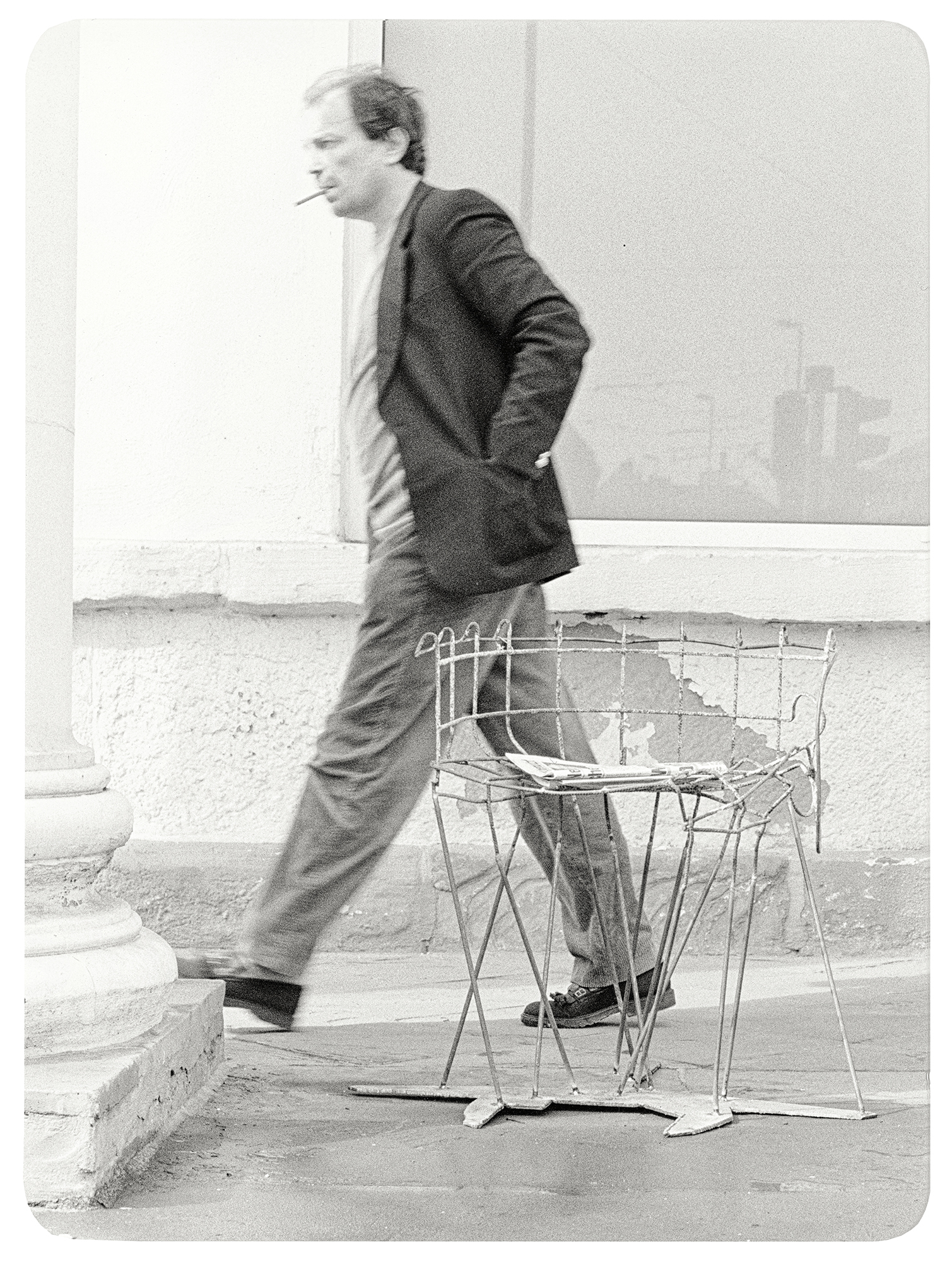
Edition of 25, published by Memphis for Meta Memphis, Milan
Steel
85 x 70 x 72.5 (H) cm
For Franz West, furniture sculptures are an extension of his famous Adaptives: a chair is, as it were, the imprint of a person when they are not walking, lying down, or standing.
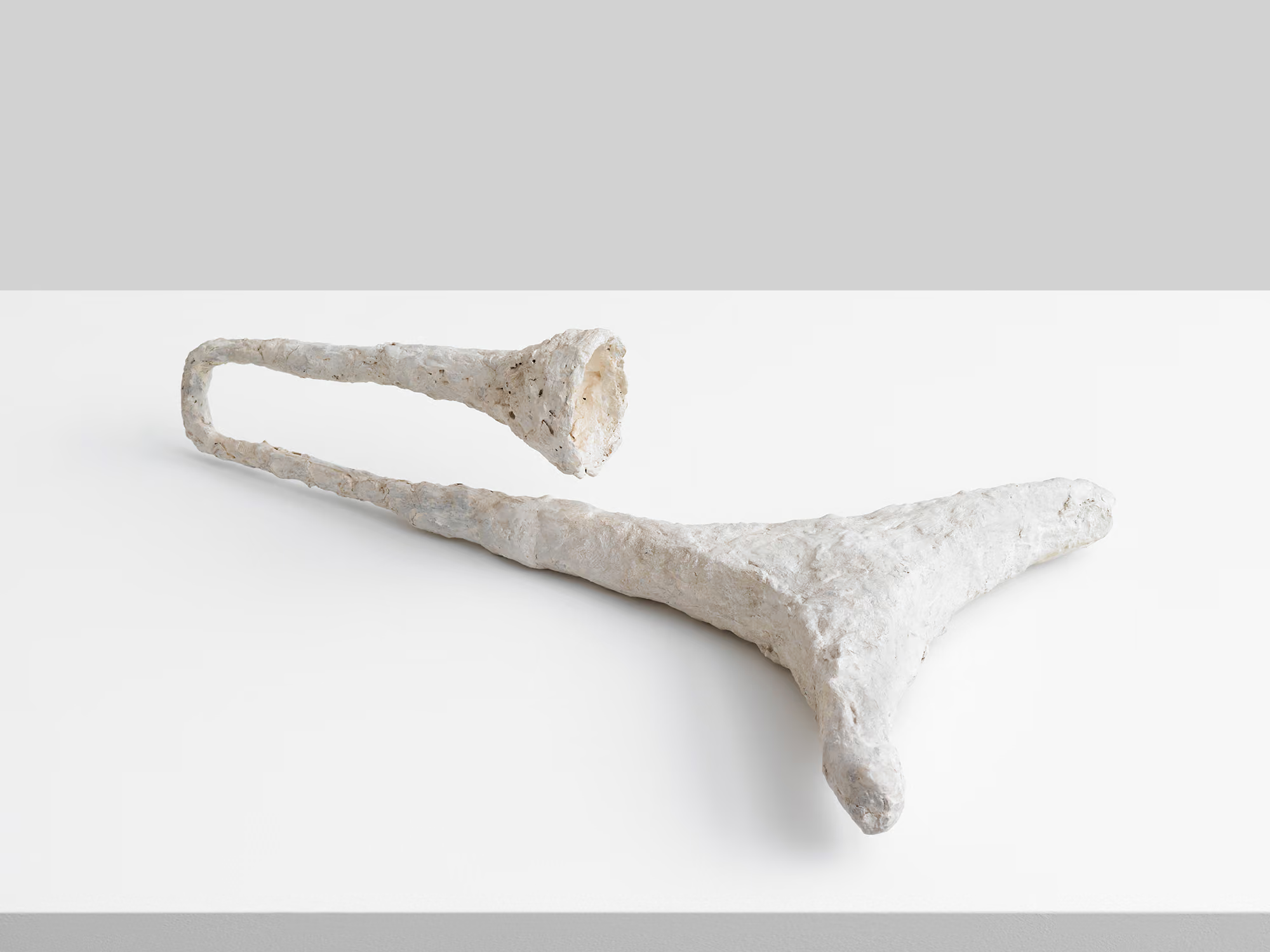
Plaster, metal (shower head)
51 x 33 x 15 cm
In the 1970s, Franz West reinterpreted the traditional concept of sculpture: objects were meant to be used and, when adapted to the body, to gain an additional artistic dimension. The materials used are primarily plaster, gauze, and papier-mâché, which he combined with everyday items such as broomsticks, brushes, handles, or, in this case, a shower head.
An extensive chronology of Franz West was published in the 2009 exhibition catalog for "Autotheater" at the Museum Ludwig in Cologne. The first part was originally written by Eva Badura-Triska for Franz West's first retrospective, "Proforma," at the Museum Moderner Kunst Stiftung Ludwig in the 20er Haus in Vienna. Andrea Überbacher-Kloiber expanded the biography for the catalog up to the year 2009.
This timeline provides an overview of selected milestones in the life and work of Franz West.
Edition: 3
painted cast aluminum,
225 (H) x 115 x 64 cm
245 (H) x 130 x 80 cm
The Lemurs are an interpretation of the human figure. To the Romans, they were the souls of the departed; to Karl Kraus, they were metaphorical specters. In Franz West’s work, the heads often appear in pairs, usually welded from aluminum for outdoor display.