The artistic work of Franz West is defined by participation. The audience is invited to become an active participant. Works emerge through artistic exchange. Franz West develops ideas across various media, transforming a drawing into a sculpture, or reinterpreting a sculpture within a collage. This dense interweaving of individual artistic works reveals a multifaceted oeuvre to the audience.
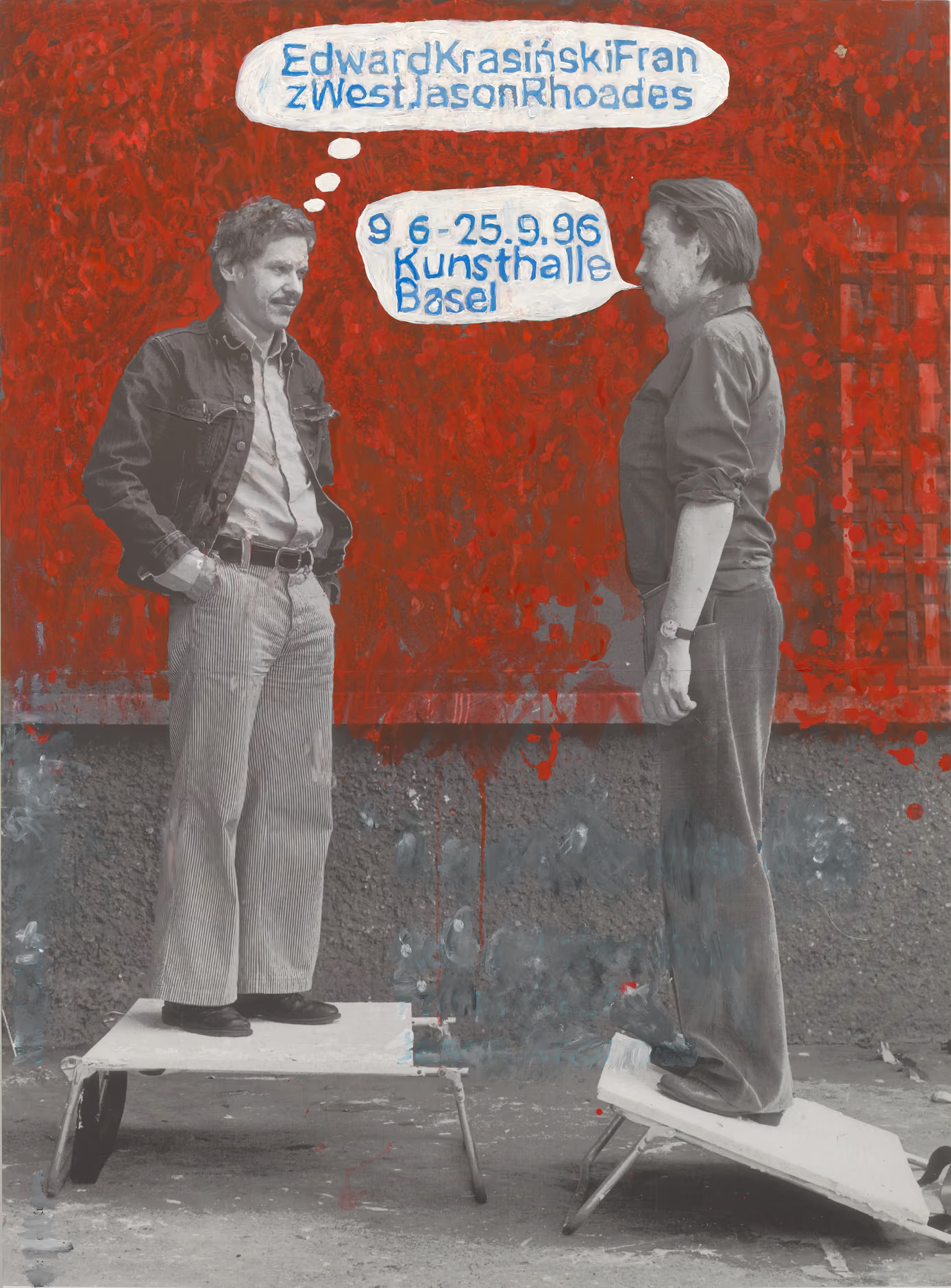
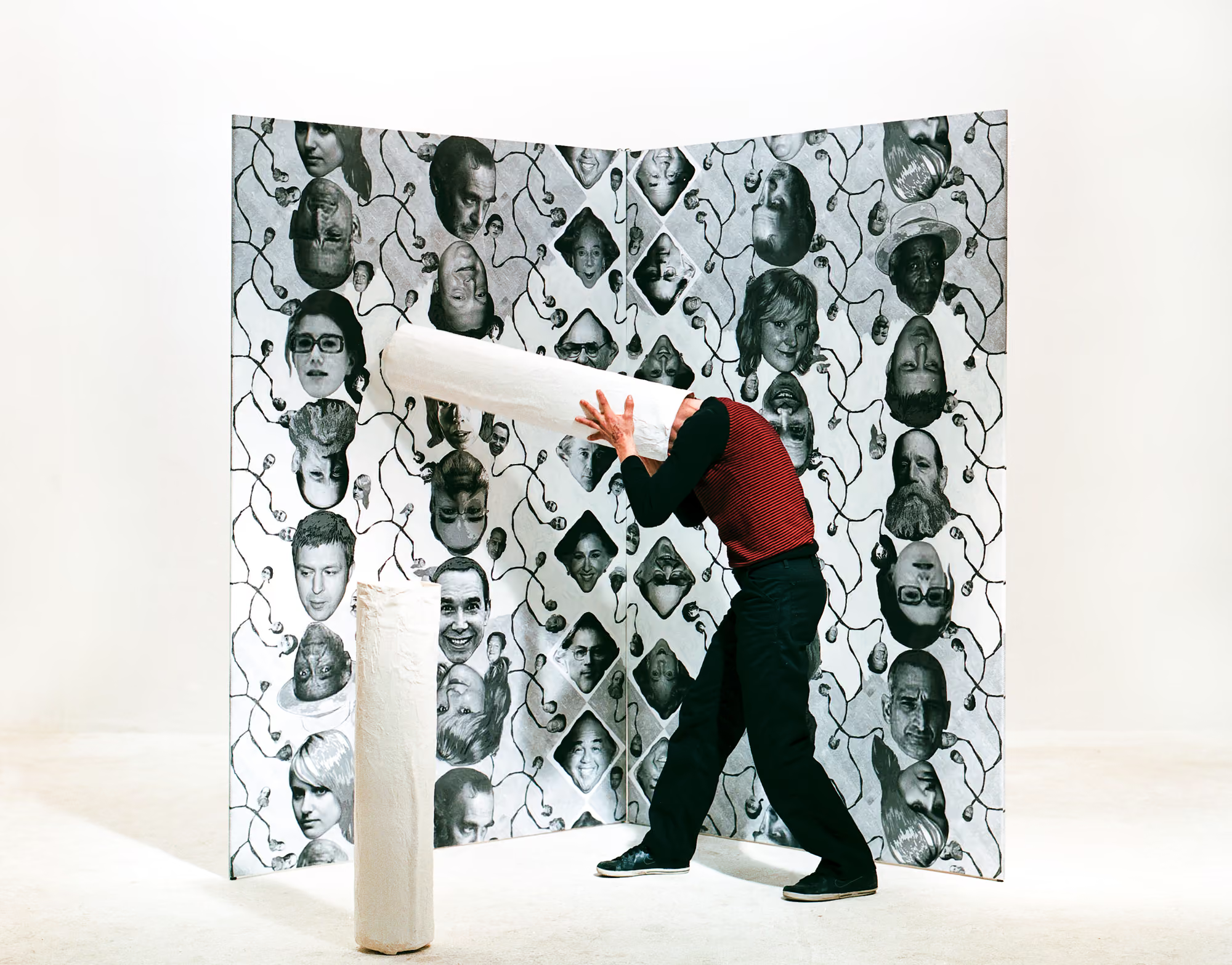
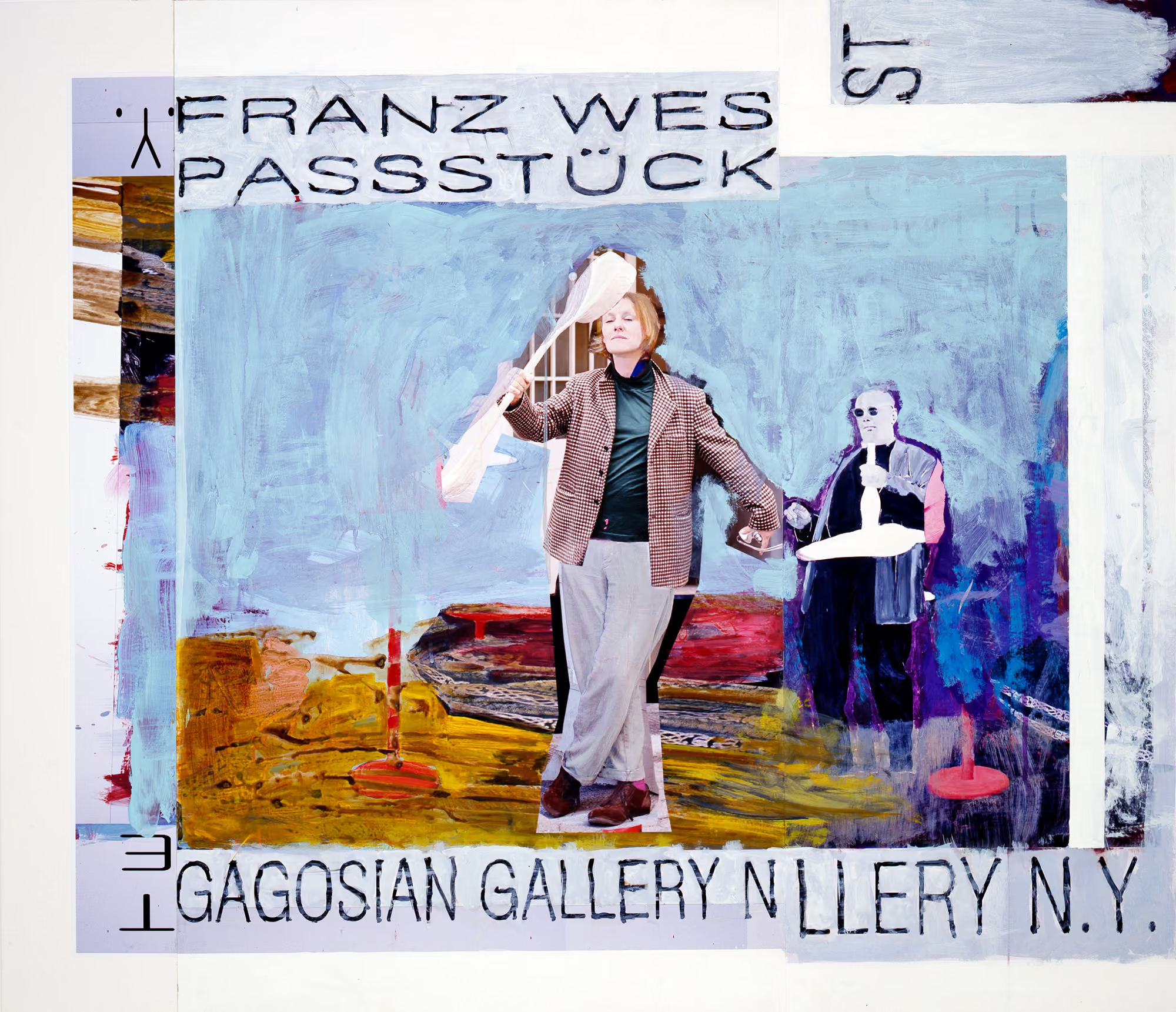
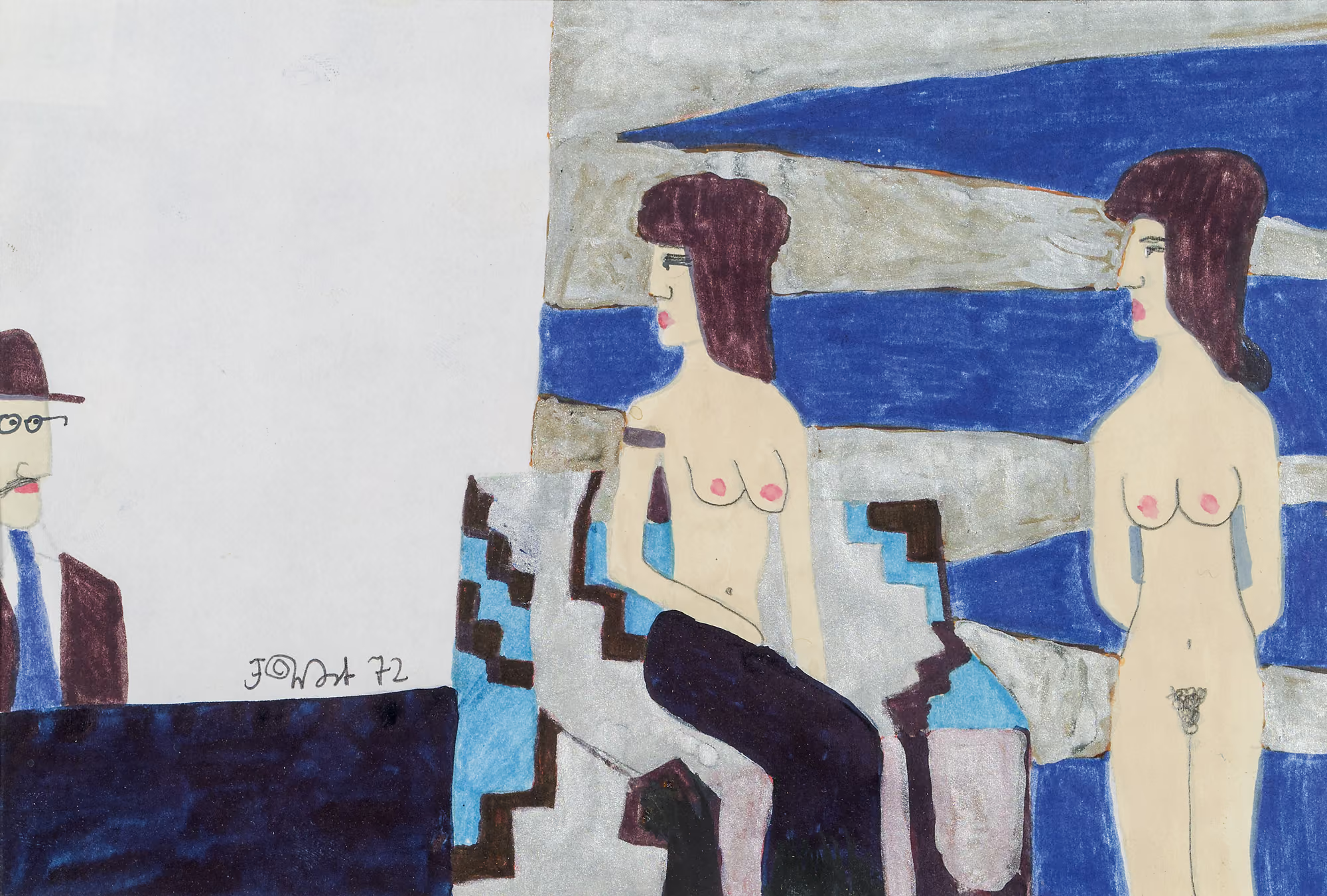
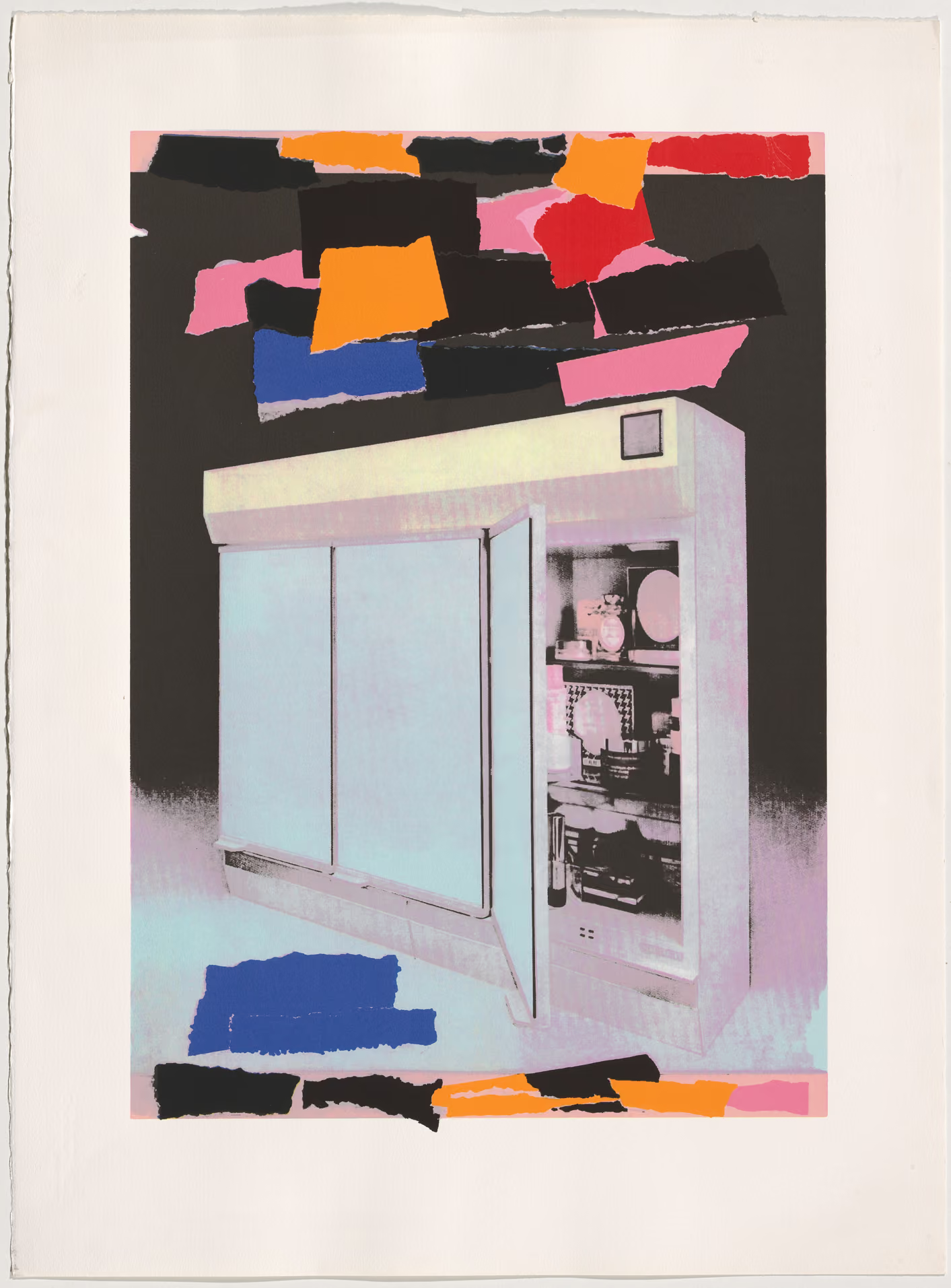
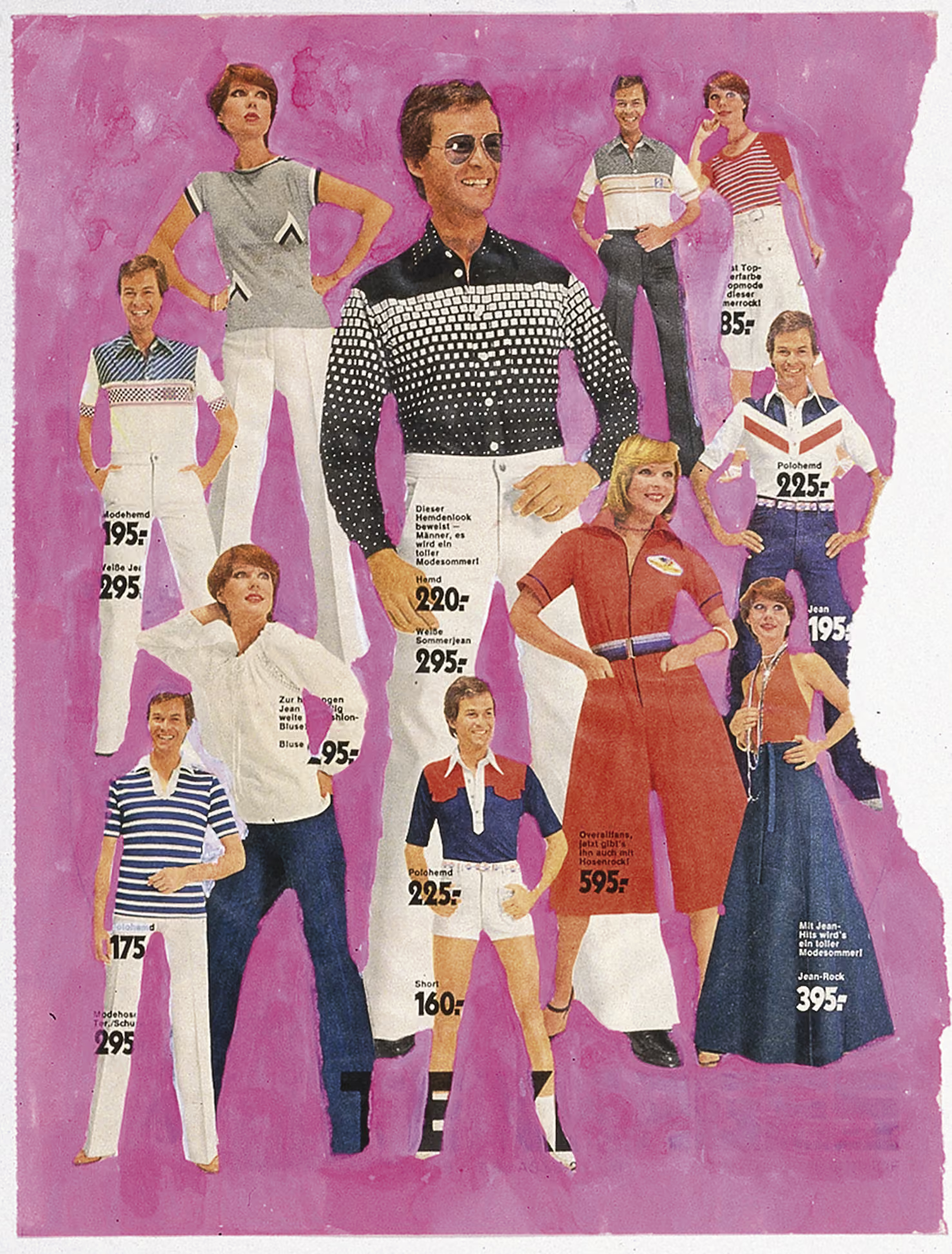
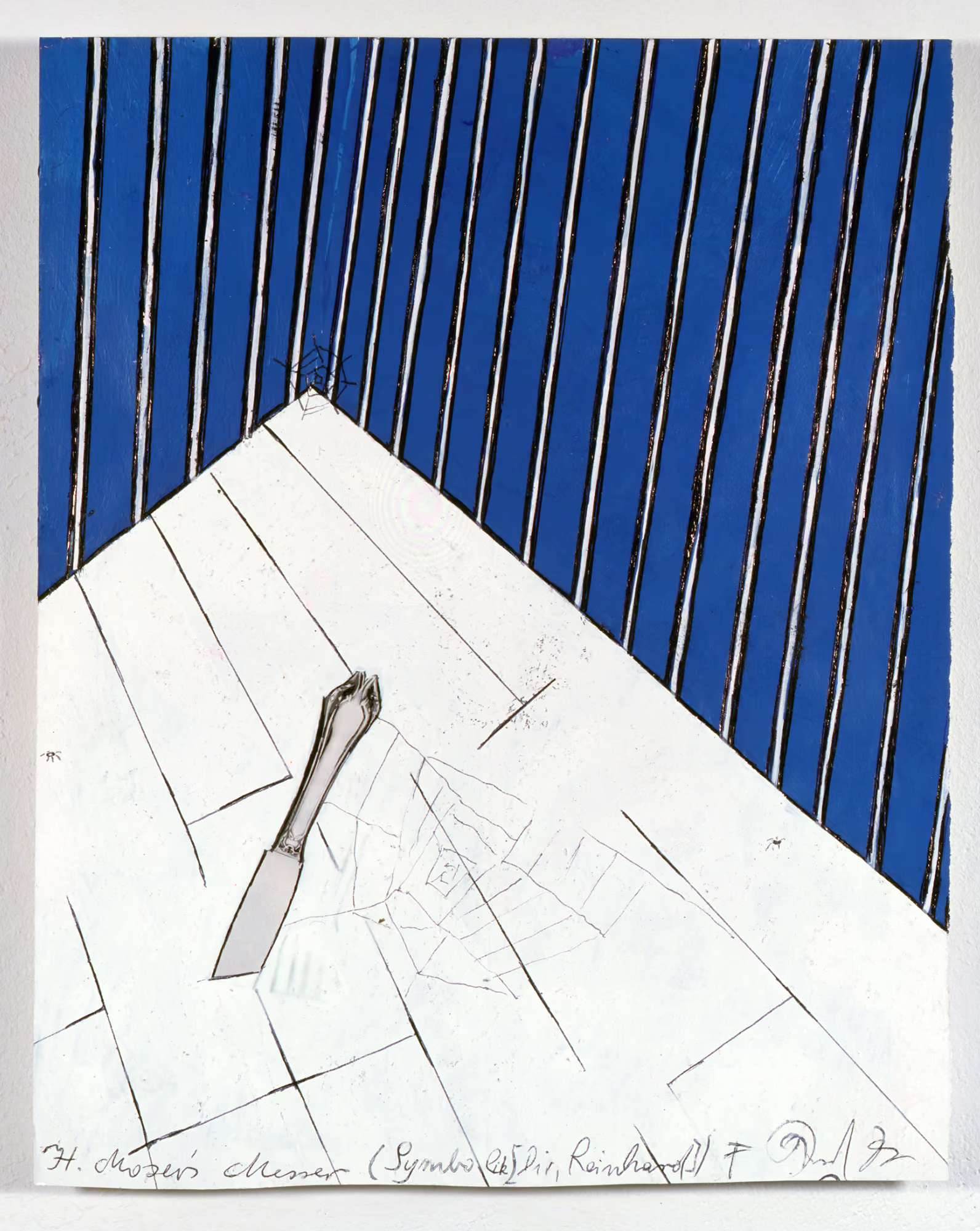
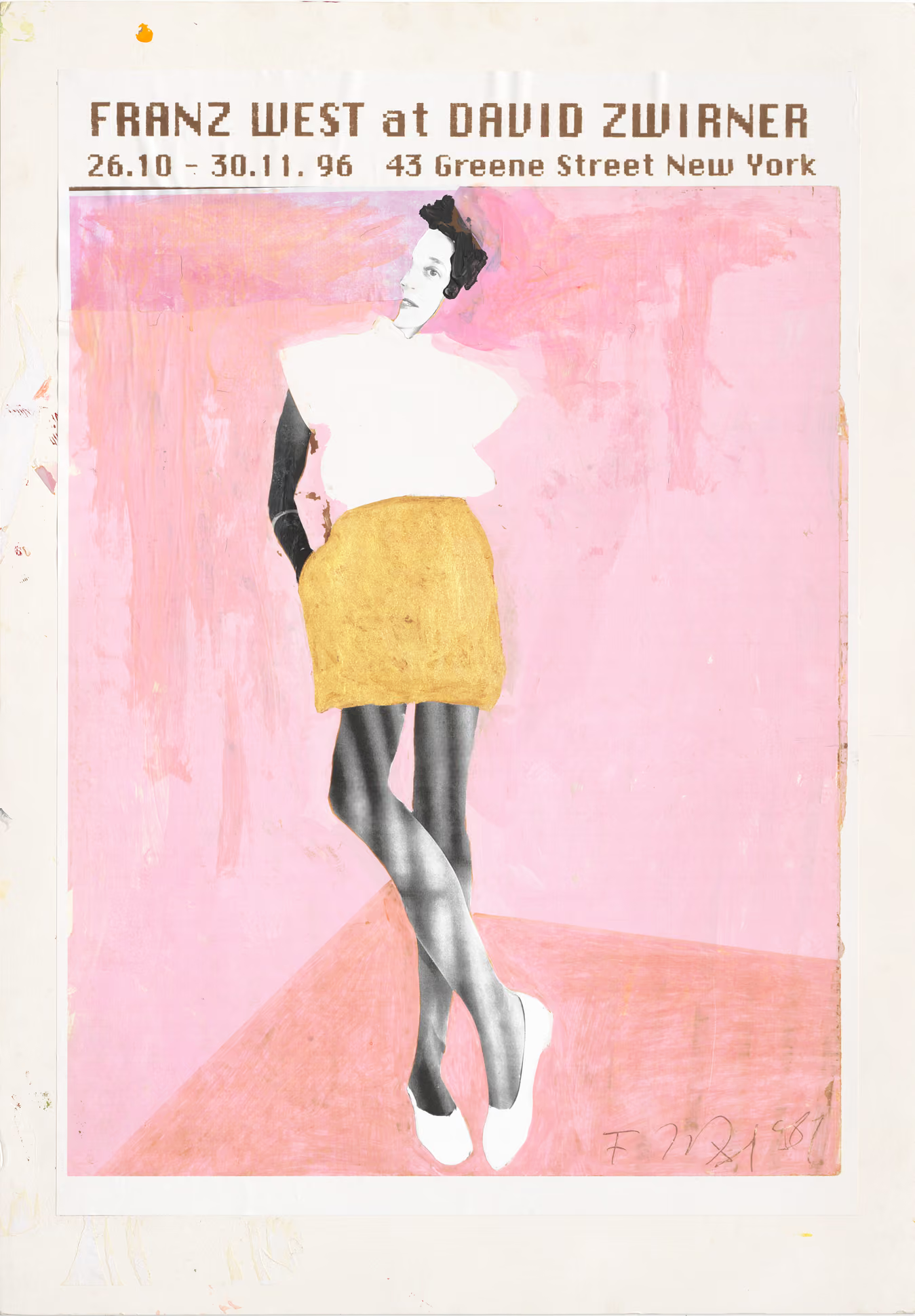
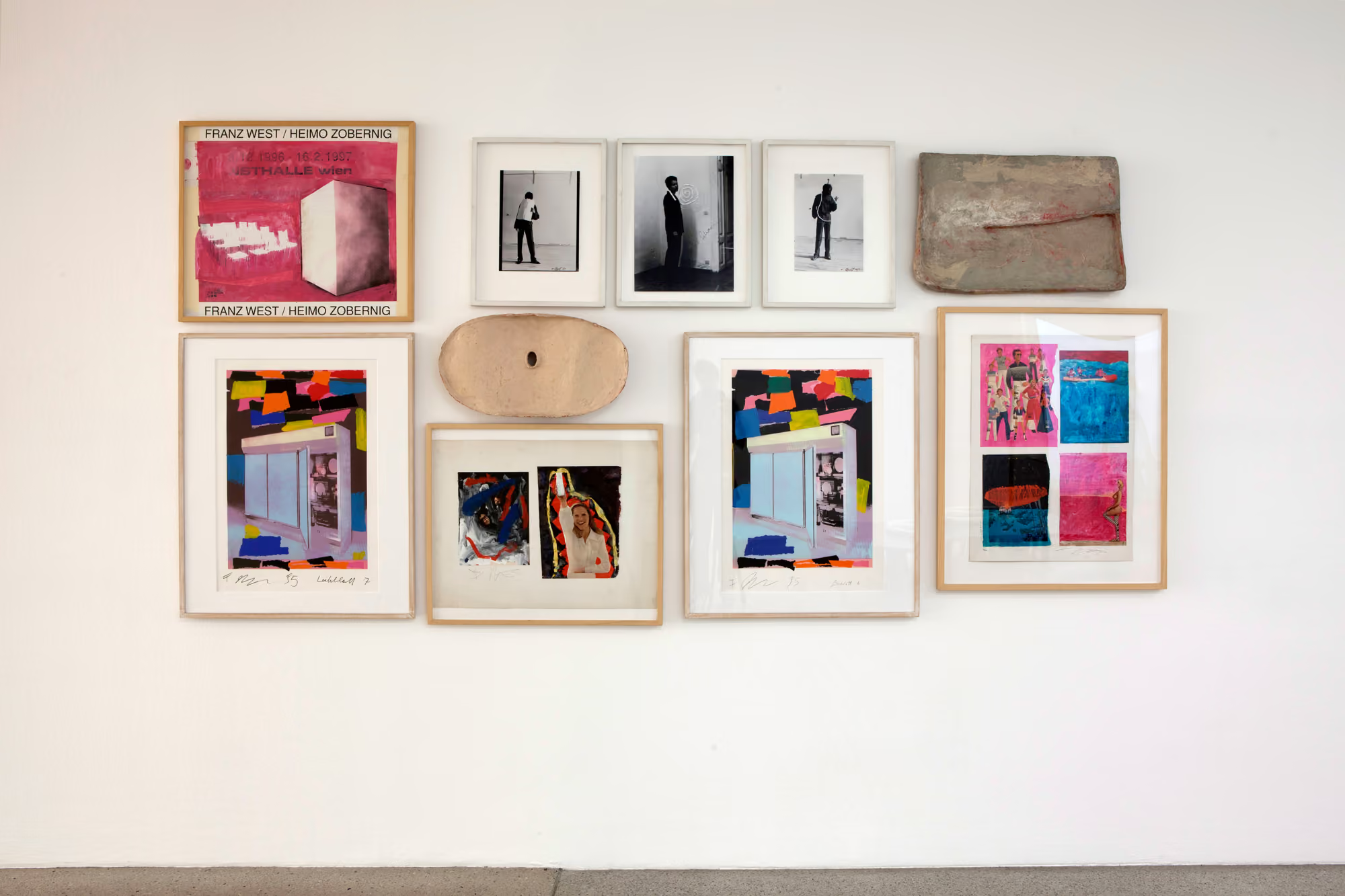
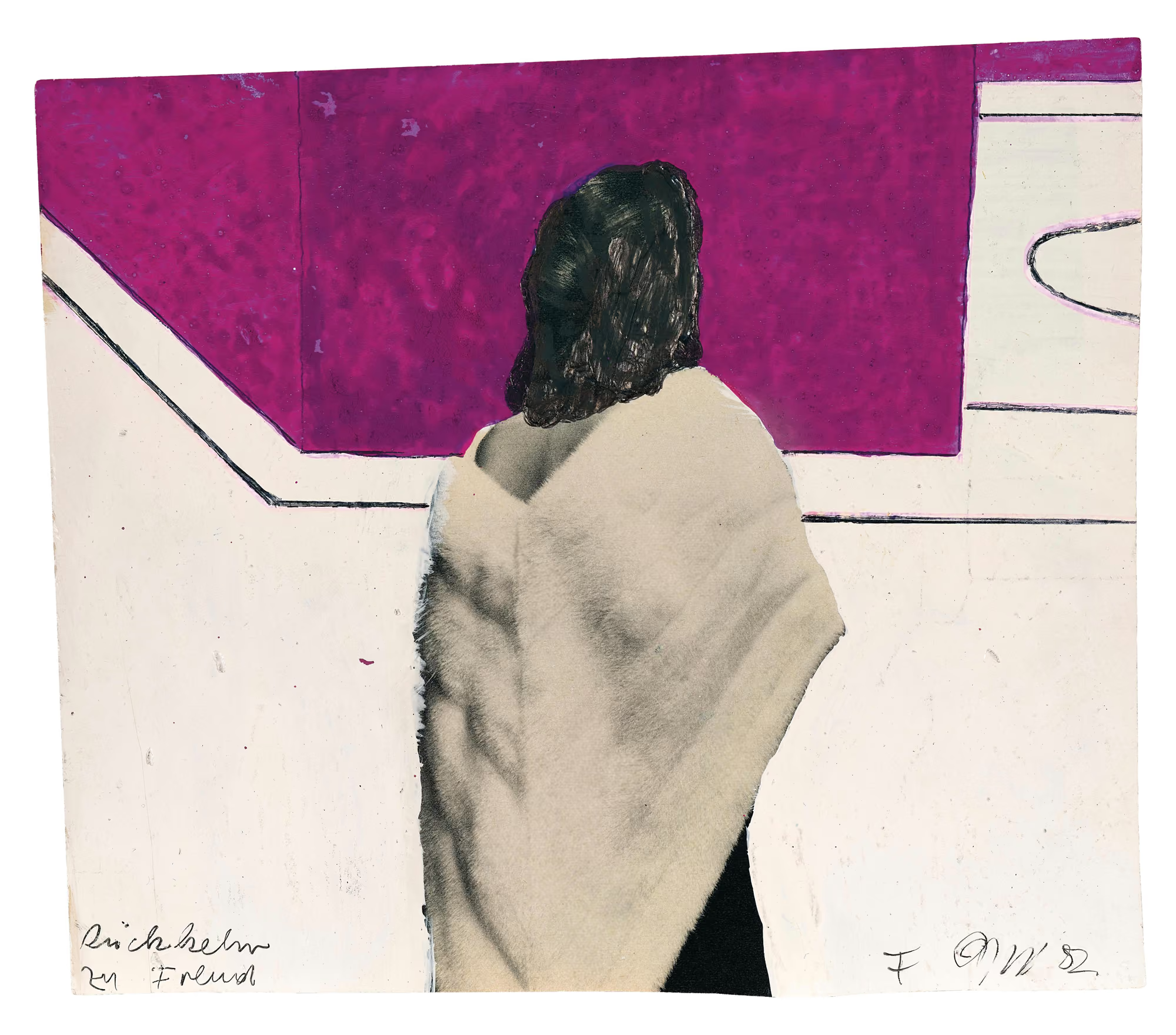
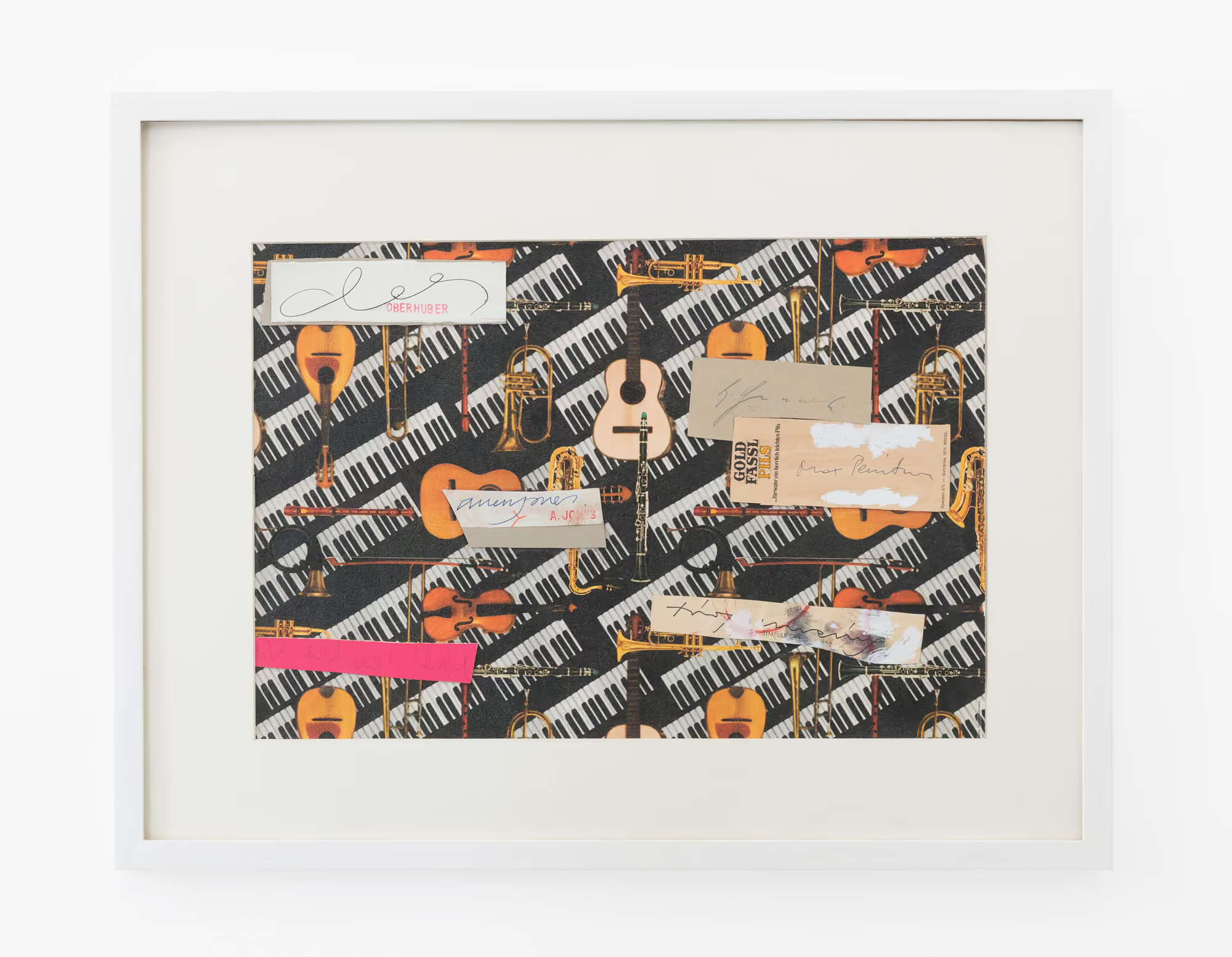
Dating back to around 1970, the first ballpoint pen drawings document his early artistic work. Throughout the early 1970s, Franz West created pencil drawings and gouaches, as well as collages on magazine pages. Some of the magazines were former reading material from his mother's dental practice, and the stationery from the practice sometimes served as the base material for his gouaches. In the 1990s, his collages began to reference his sculptures, especially his Adaptives: photographs were combined with advertising brochures and placed into a colorful cosmos. However, there are also a large number of painted-over magazine pages in which Franz West places the people in, for example, pink, green, or blue rooms with checkered tile floors; combined with additional drawing elements and titles, the shift in context is completed.
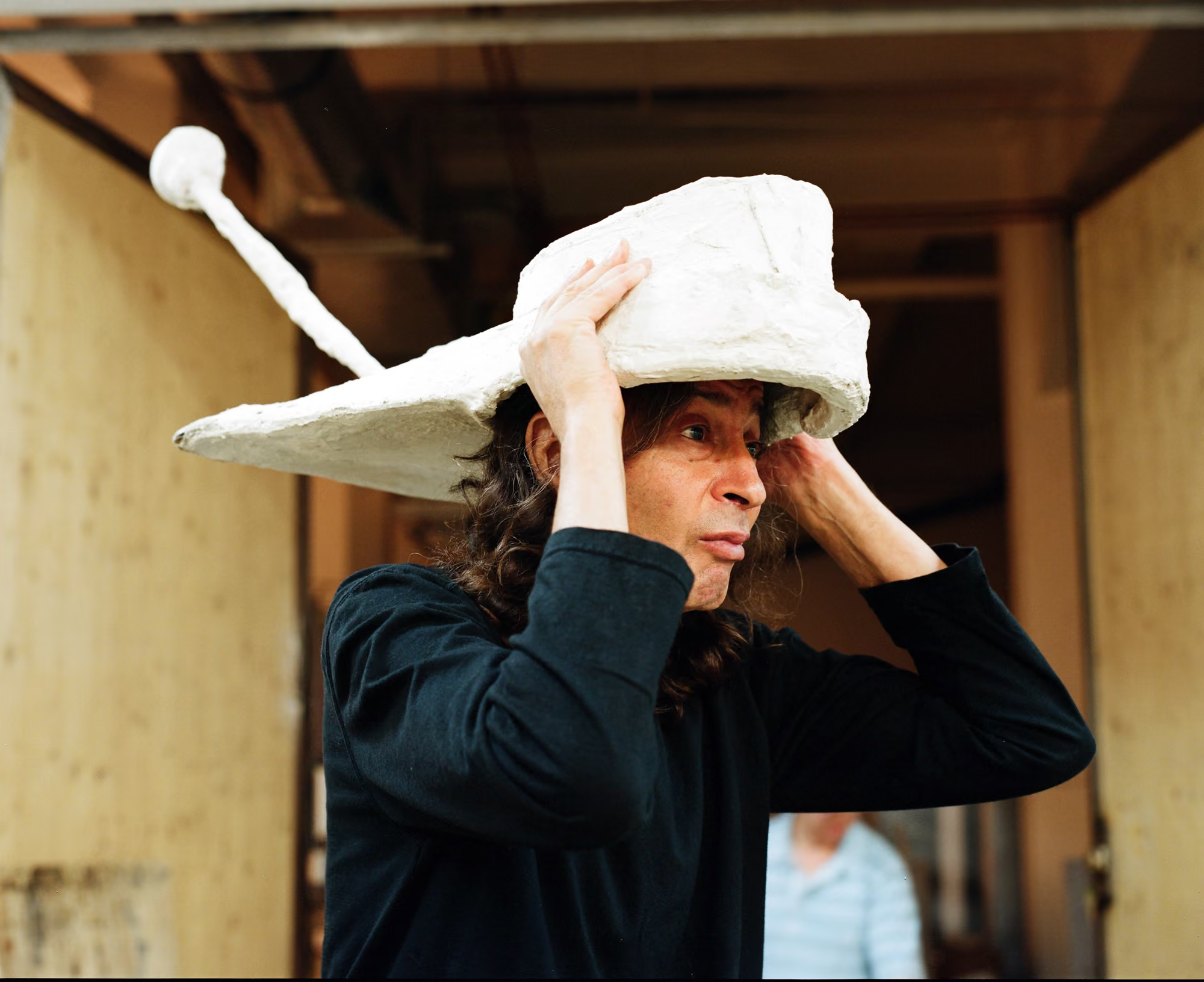
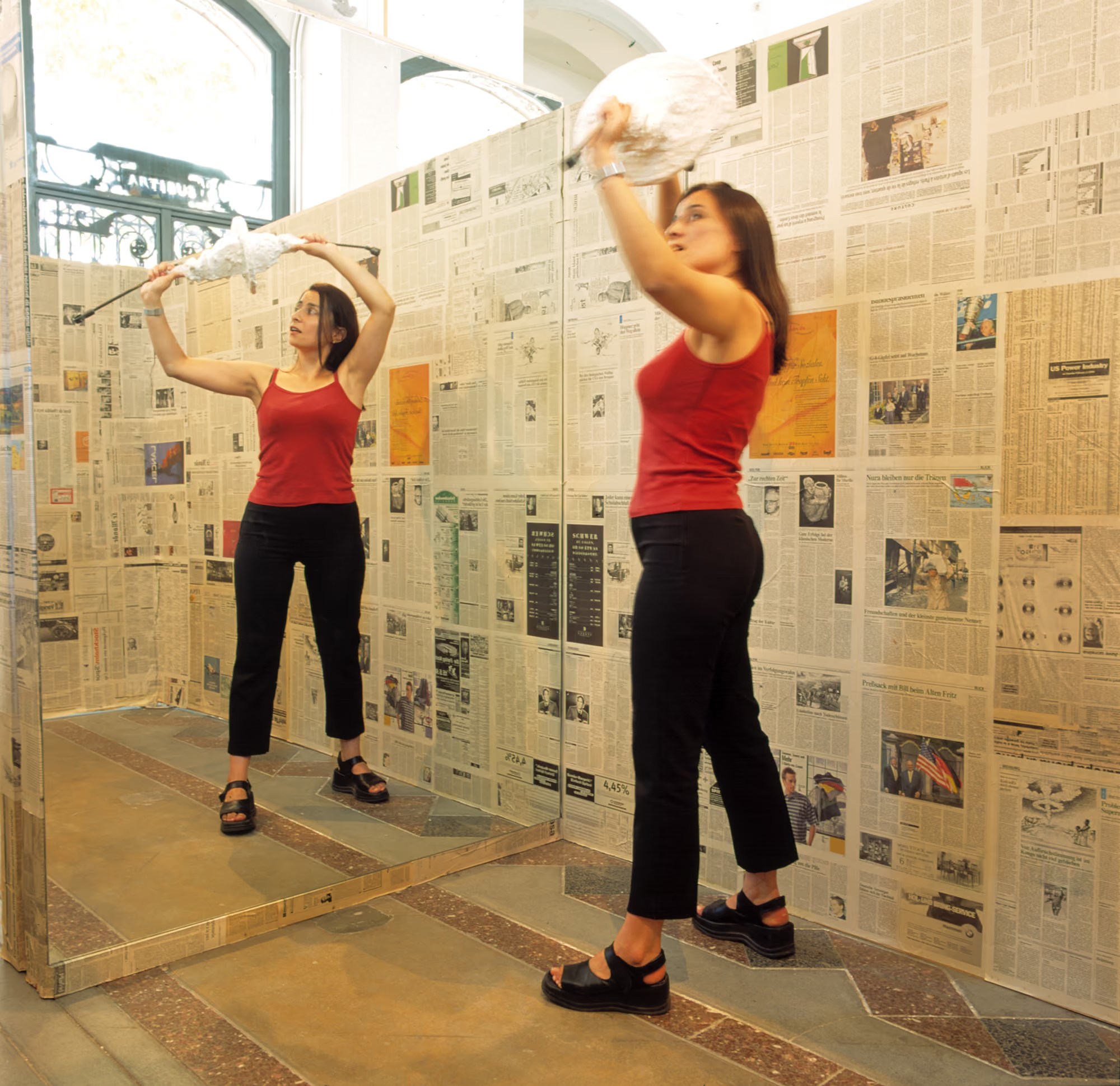
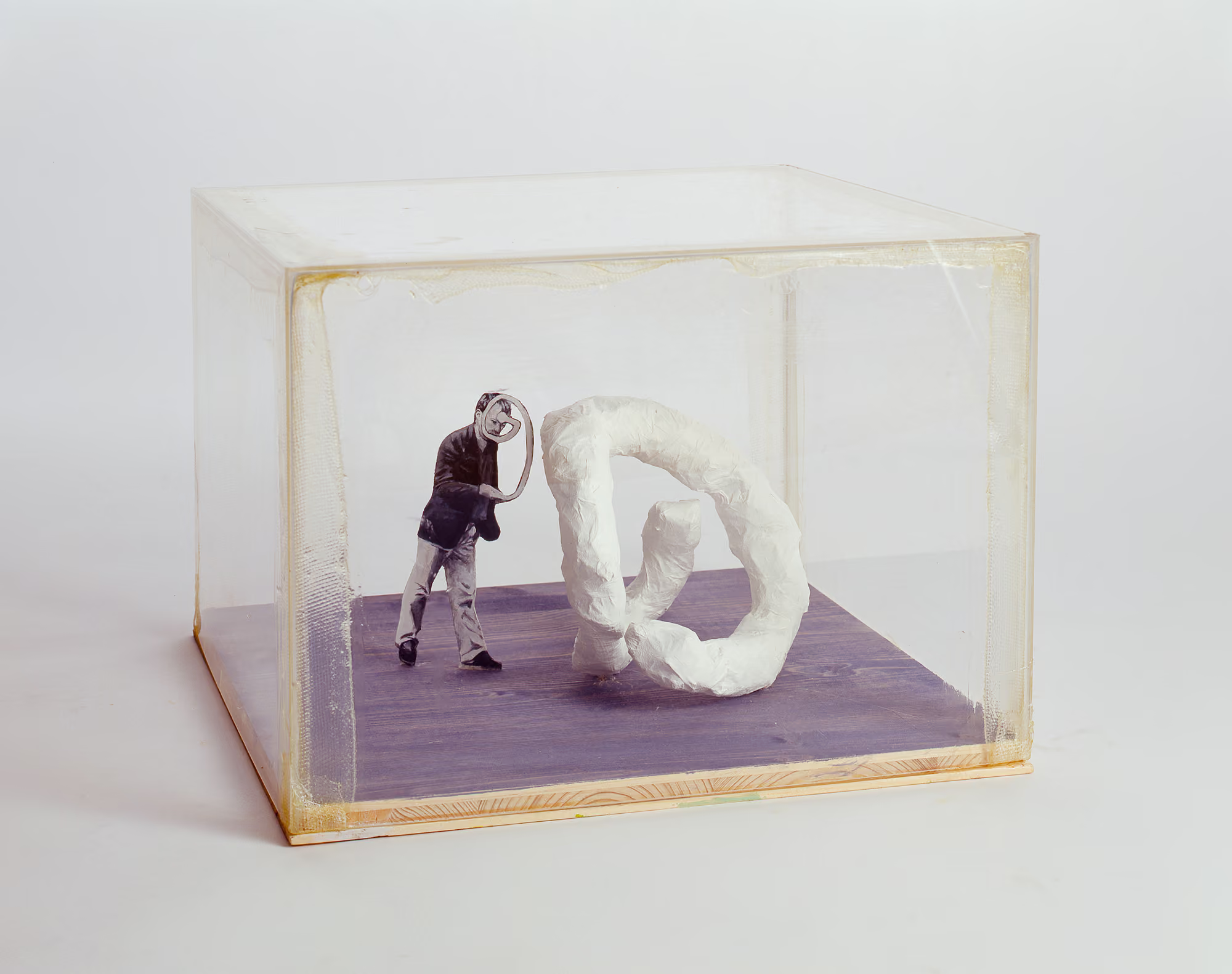
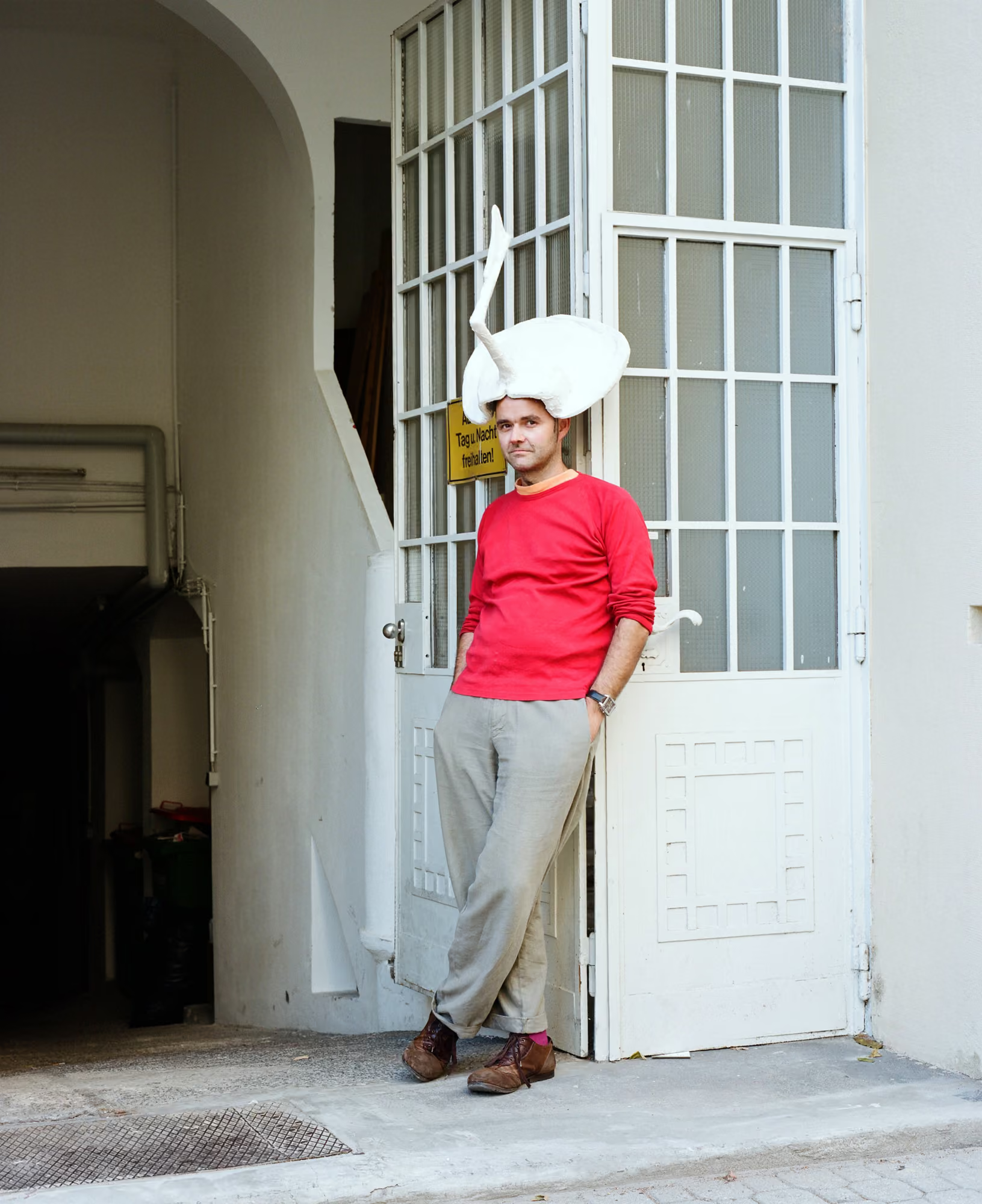
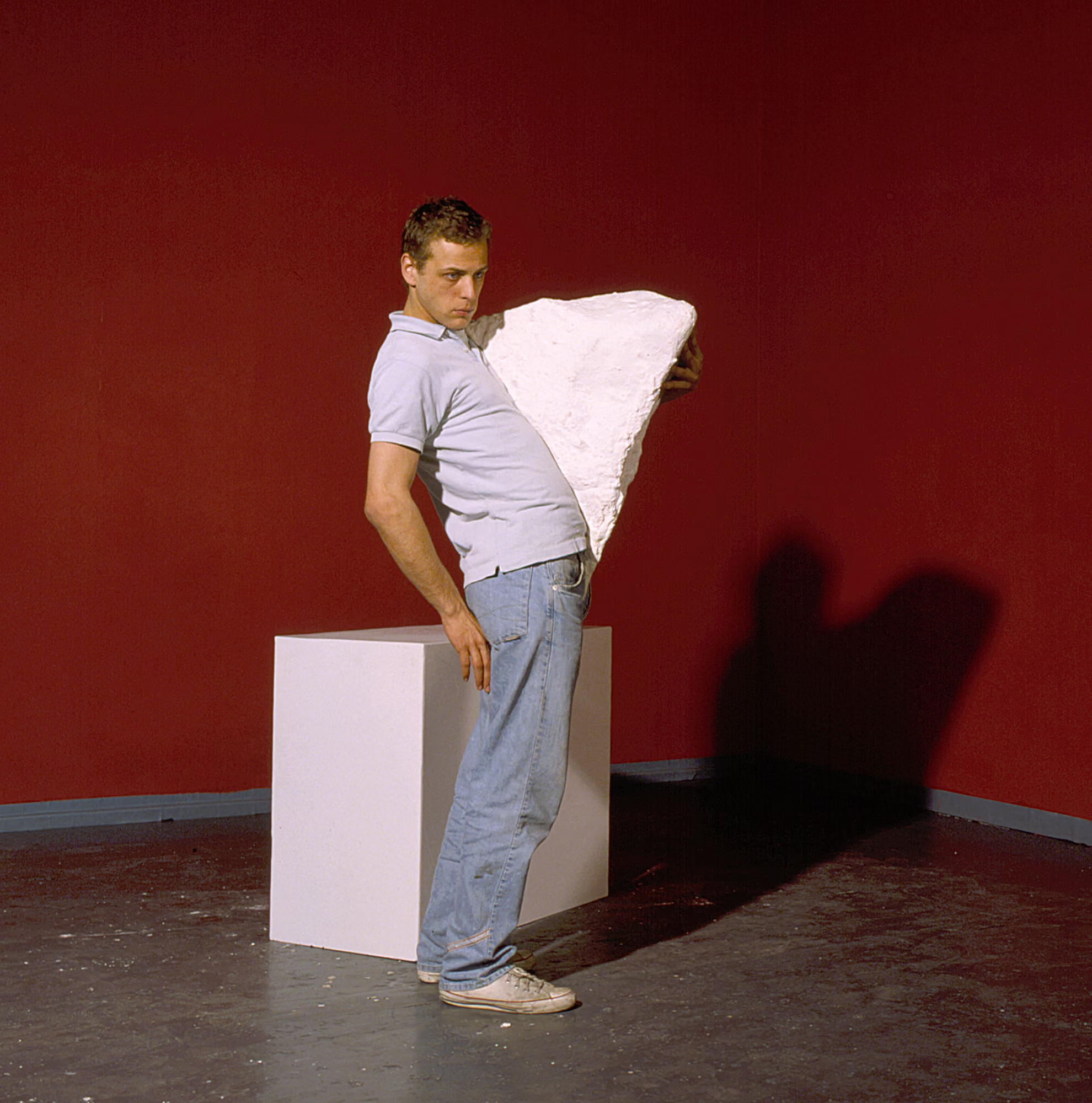
For Franz West, art was meant to be experienced, with the audience acting for themselves. With the idea of the Adaptive (Passstück) he found his own artistic signature in 1974 and revolutionized the art market and the reception of art: the artwork is taken off the pedestal.
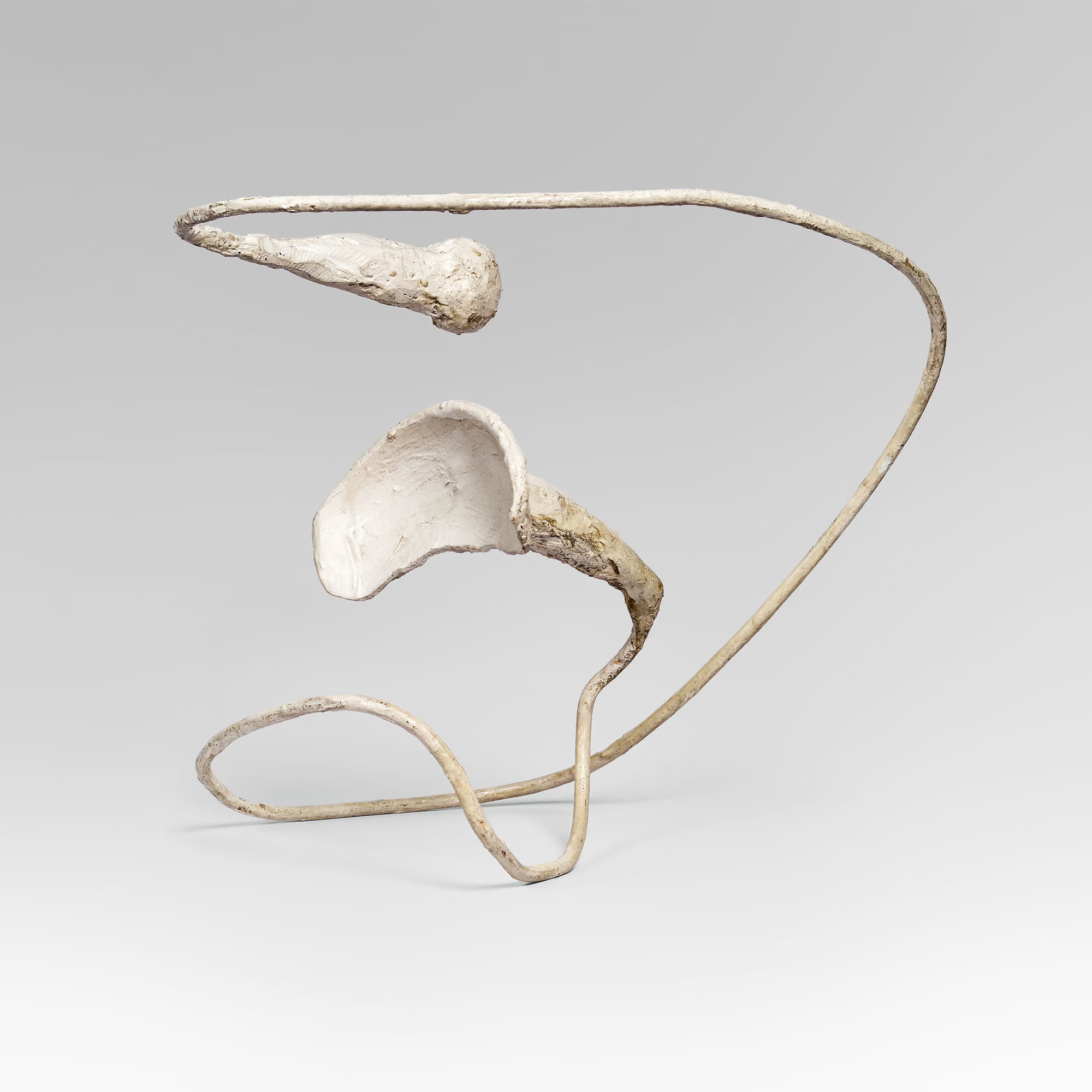
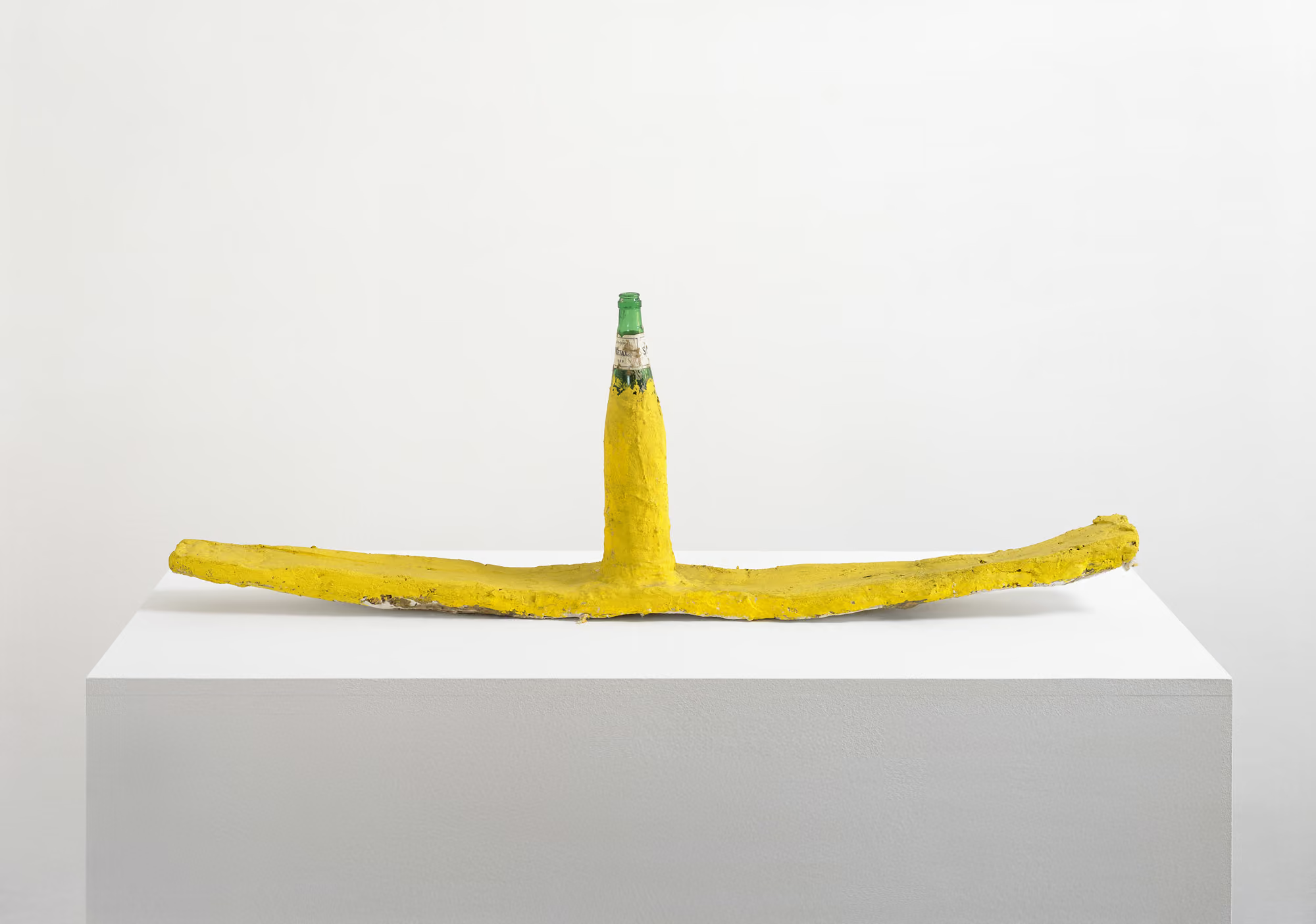
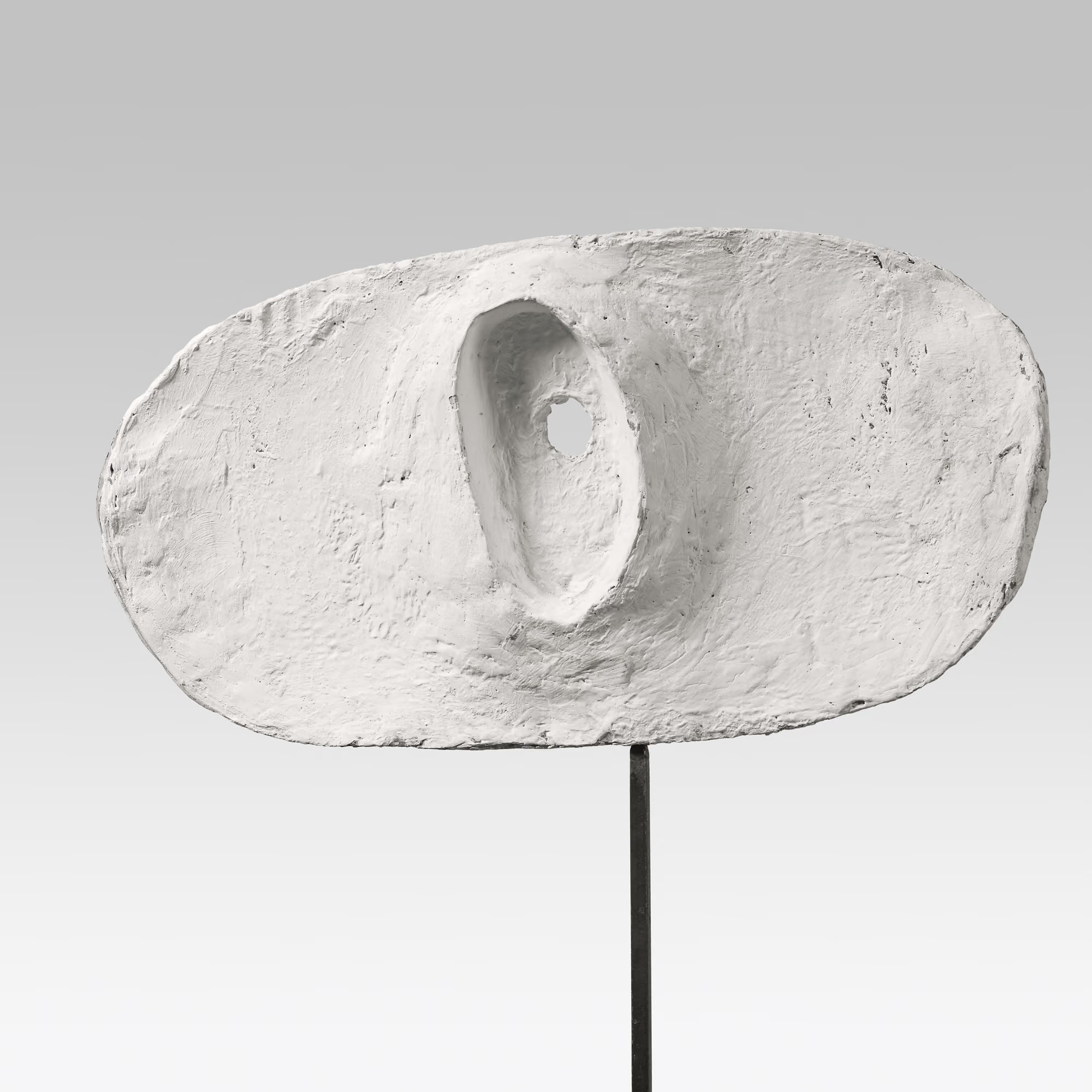
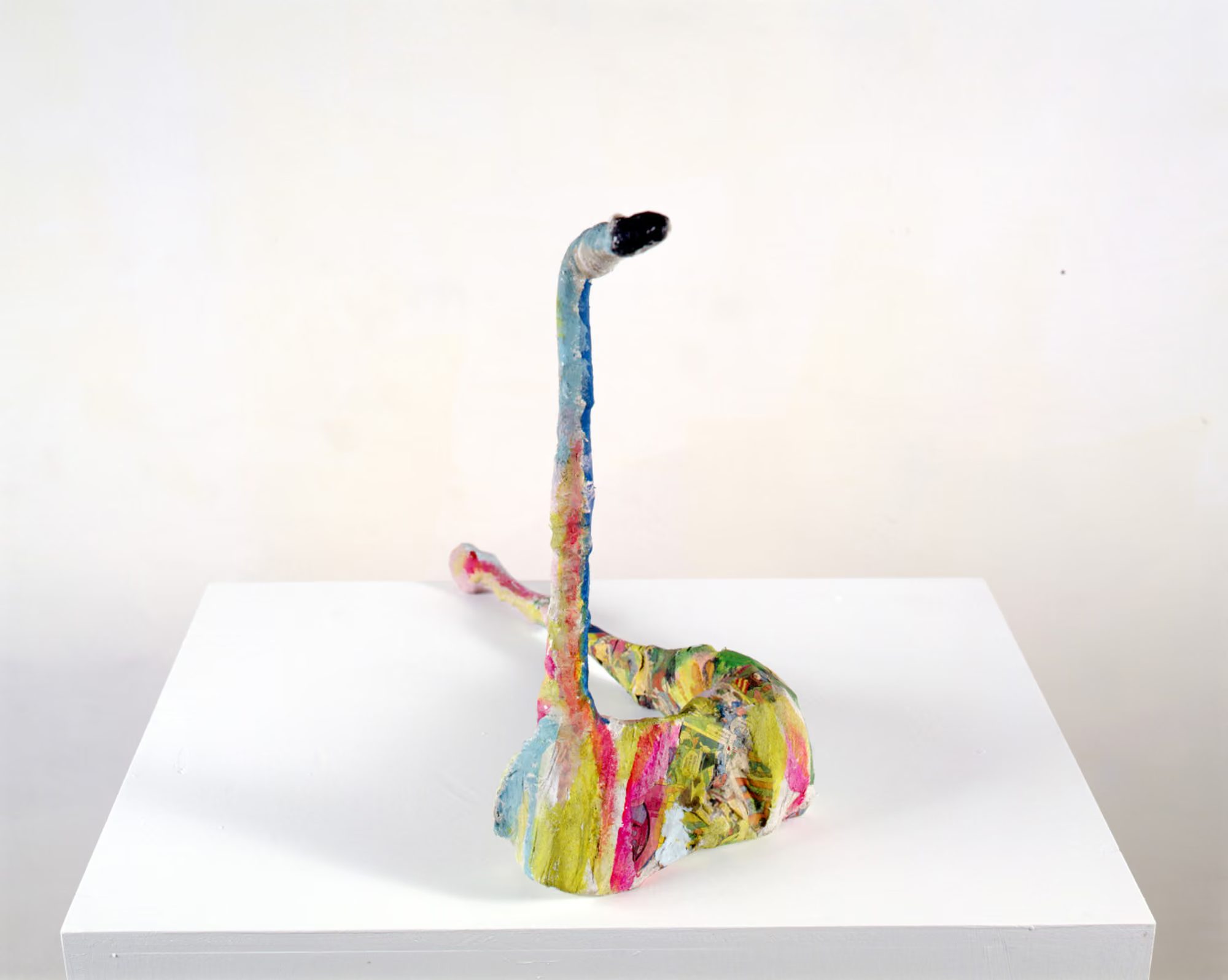
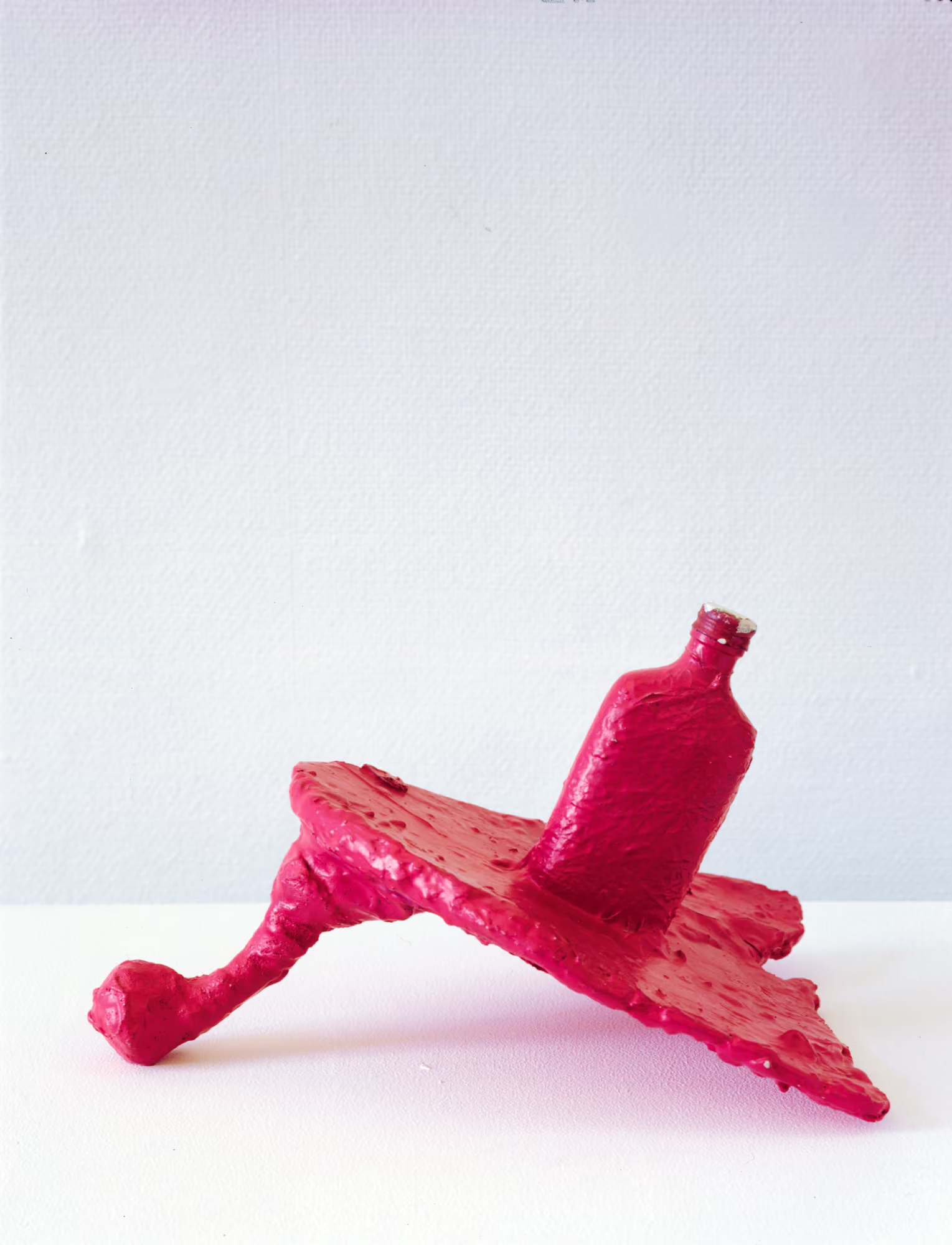
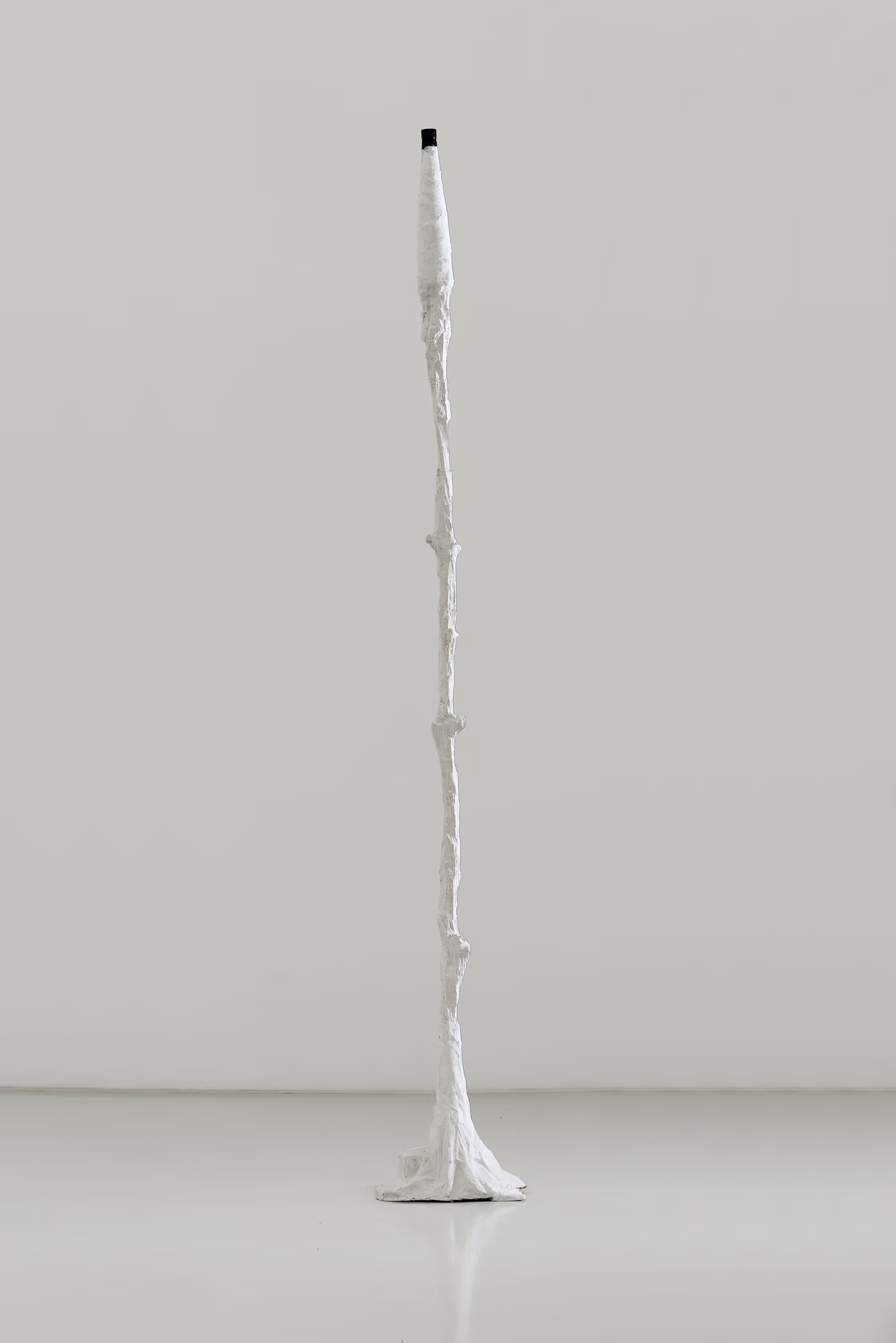
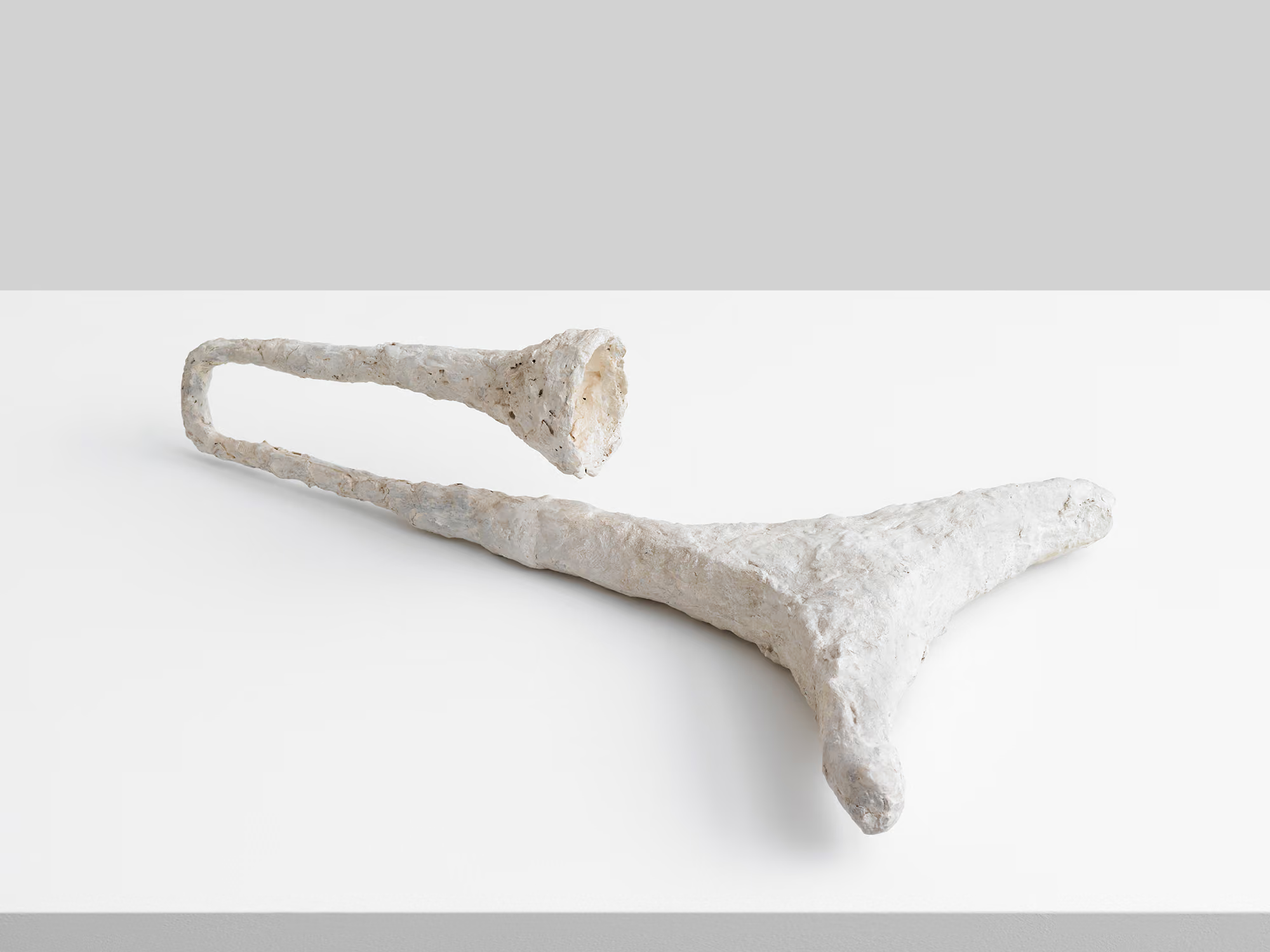
The works were intended to be adapted to the body, hence the name. The Adaptives were mainly made of paper-mâché, plaster, and gauze, often combined with everyday objects such as brooms, coat hangers, or shower heads. Special groups of works in this context also include Refresher (combined with bottles) or Name plates (name paintings featuring lettering).
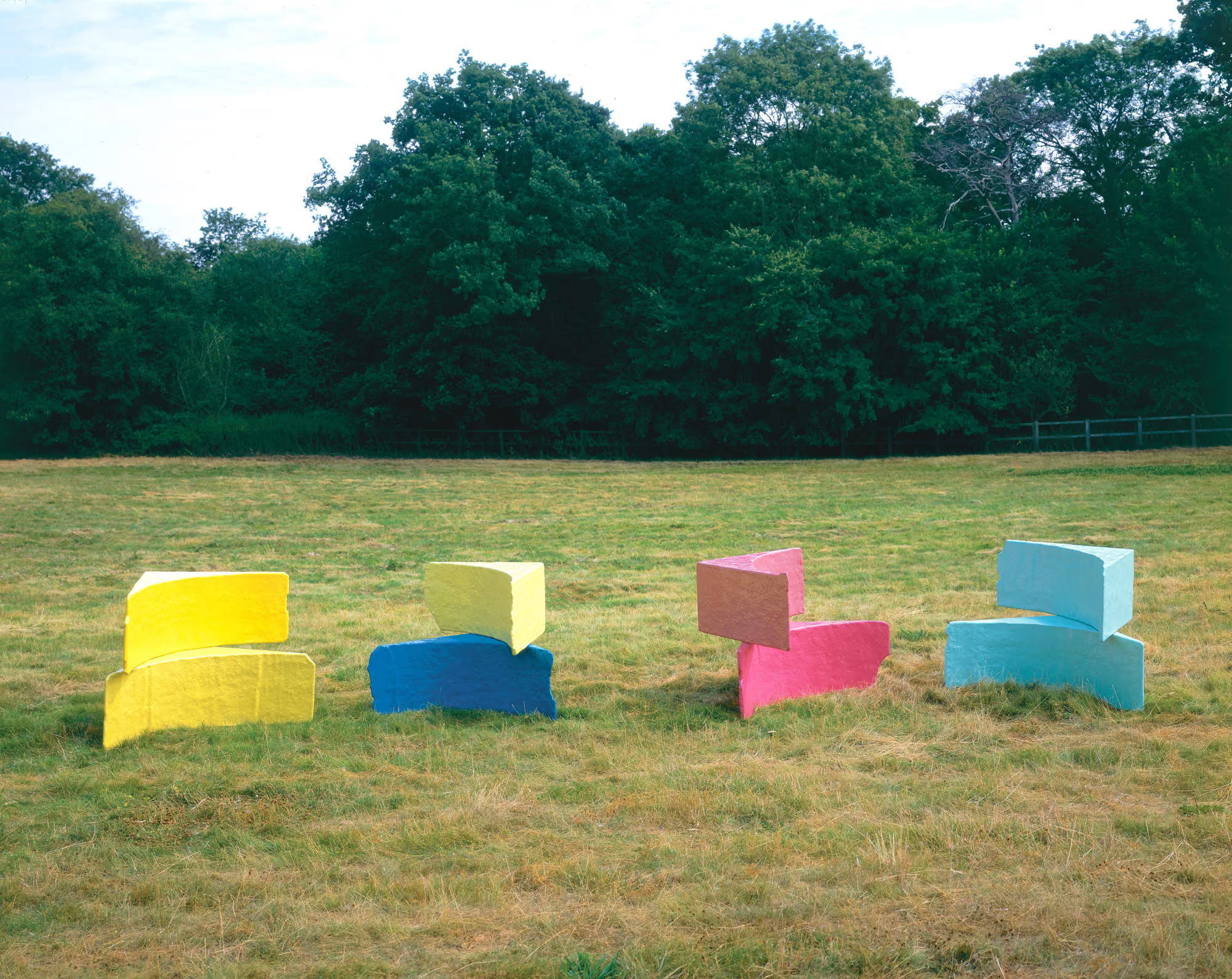
Franz West revolutionized the concept of sculpture with his Adaptives, which led to his furniture sculptures. Sculptures for outdoor spaces form a major group of his work.
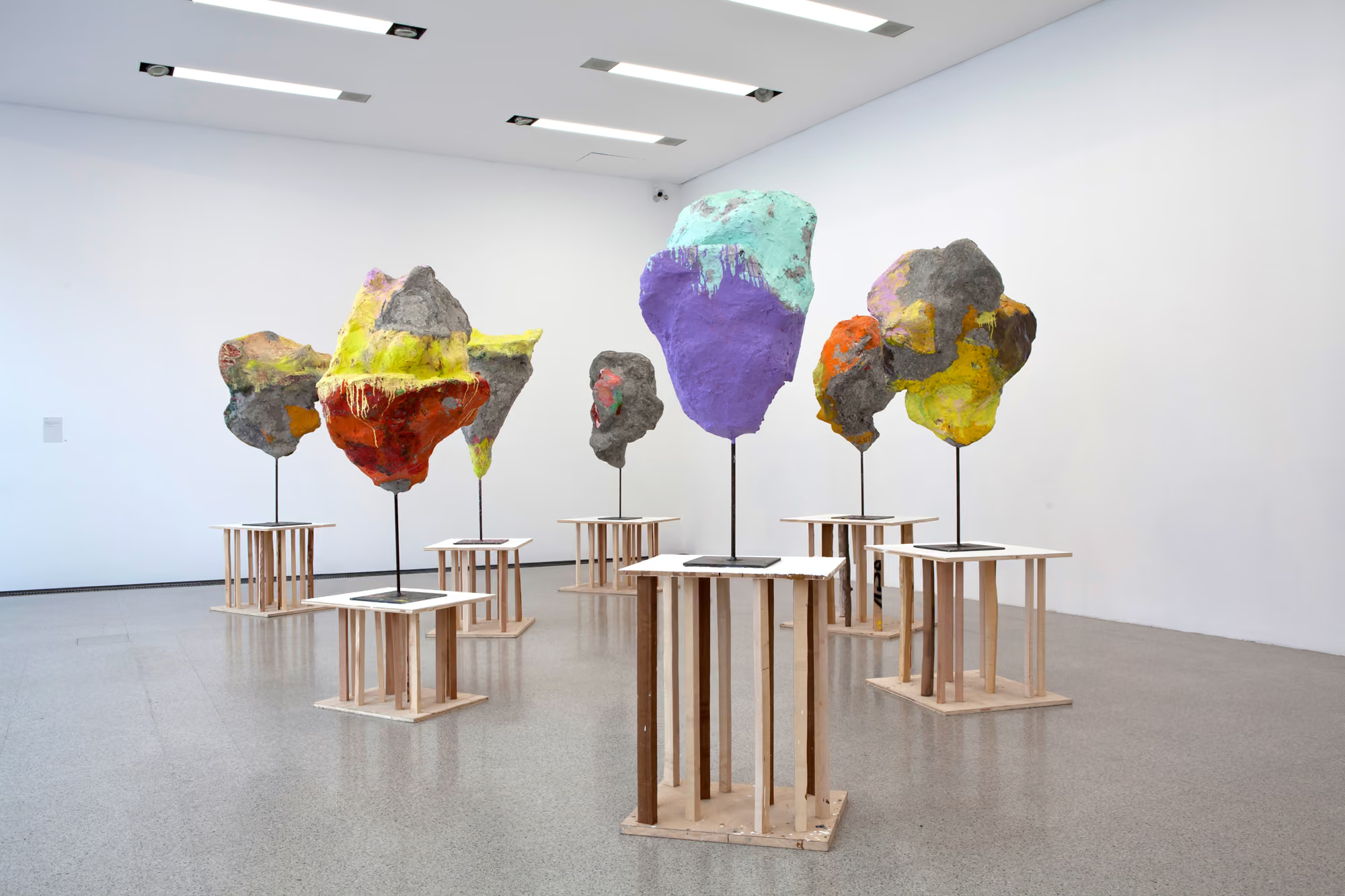
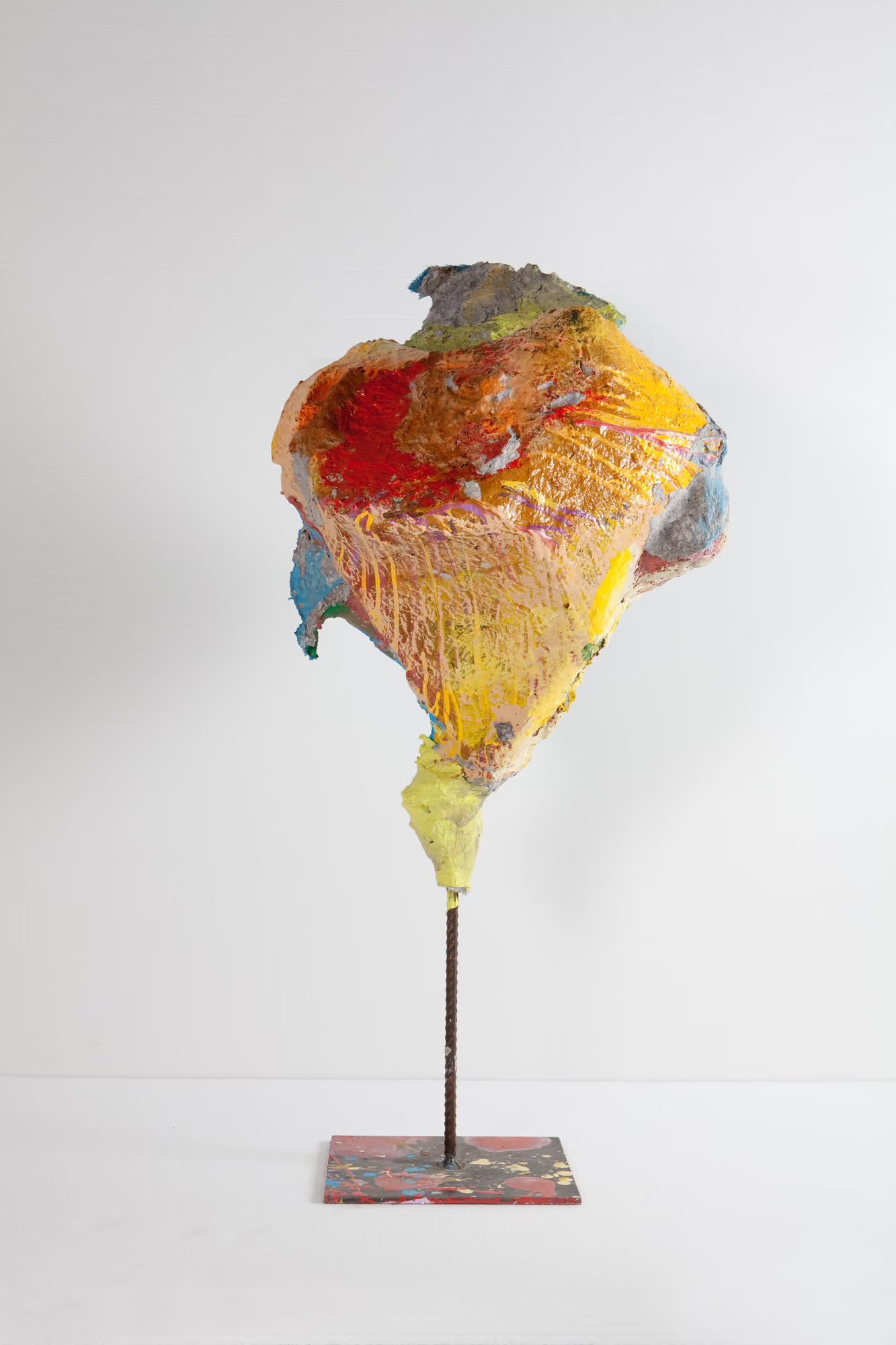
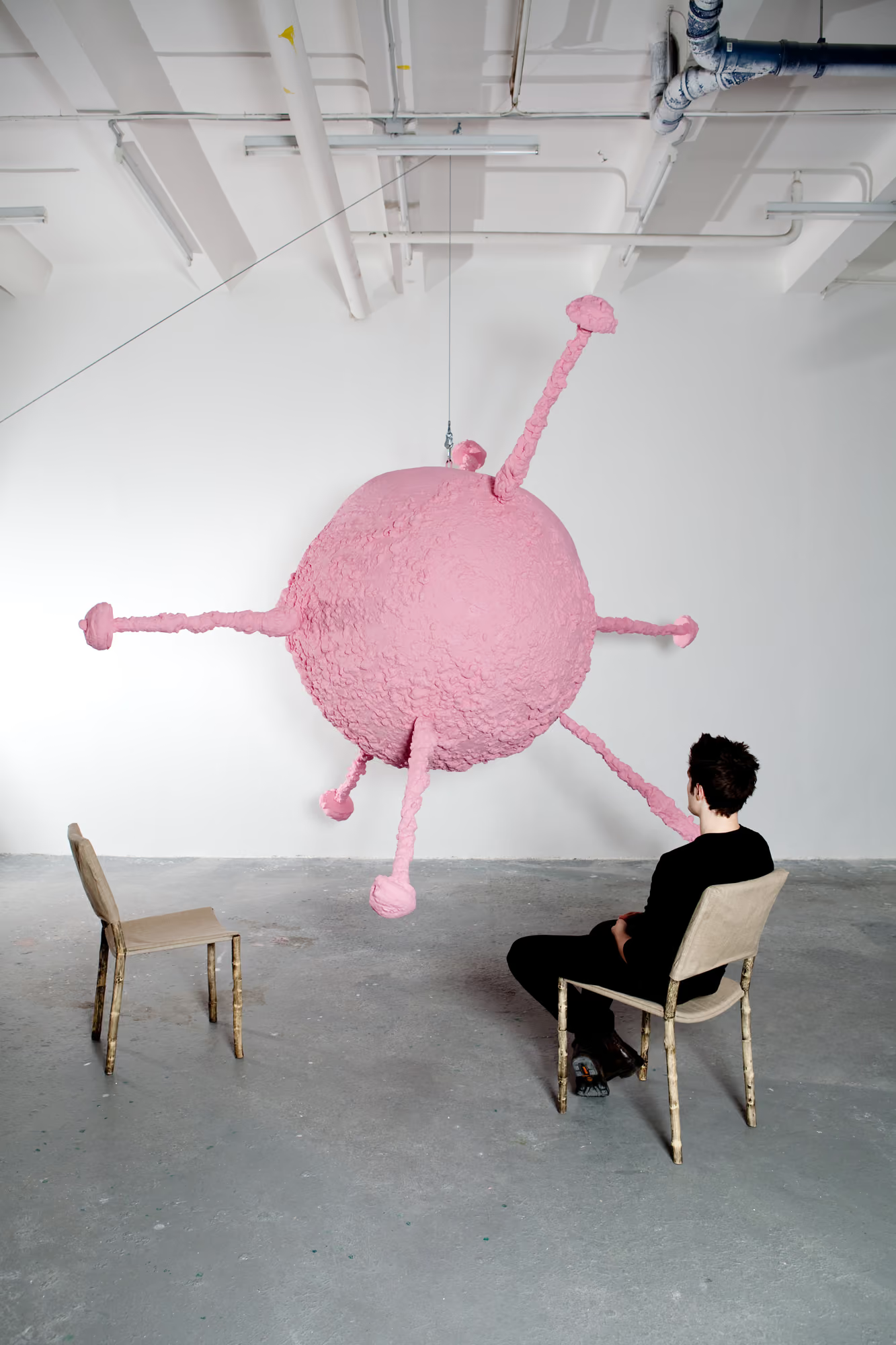
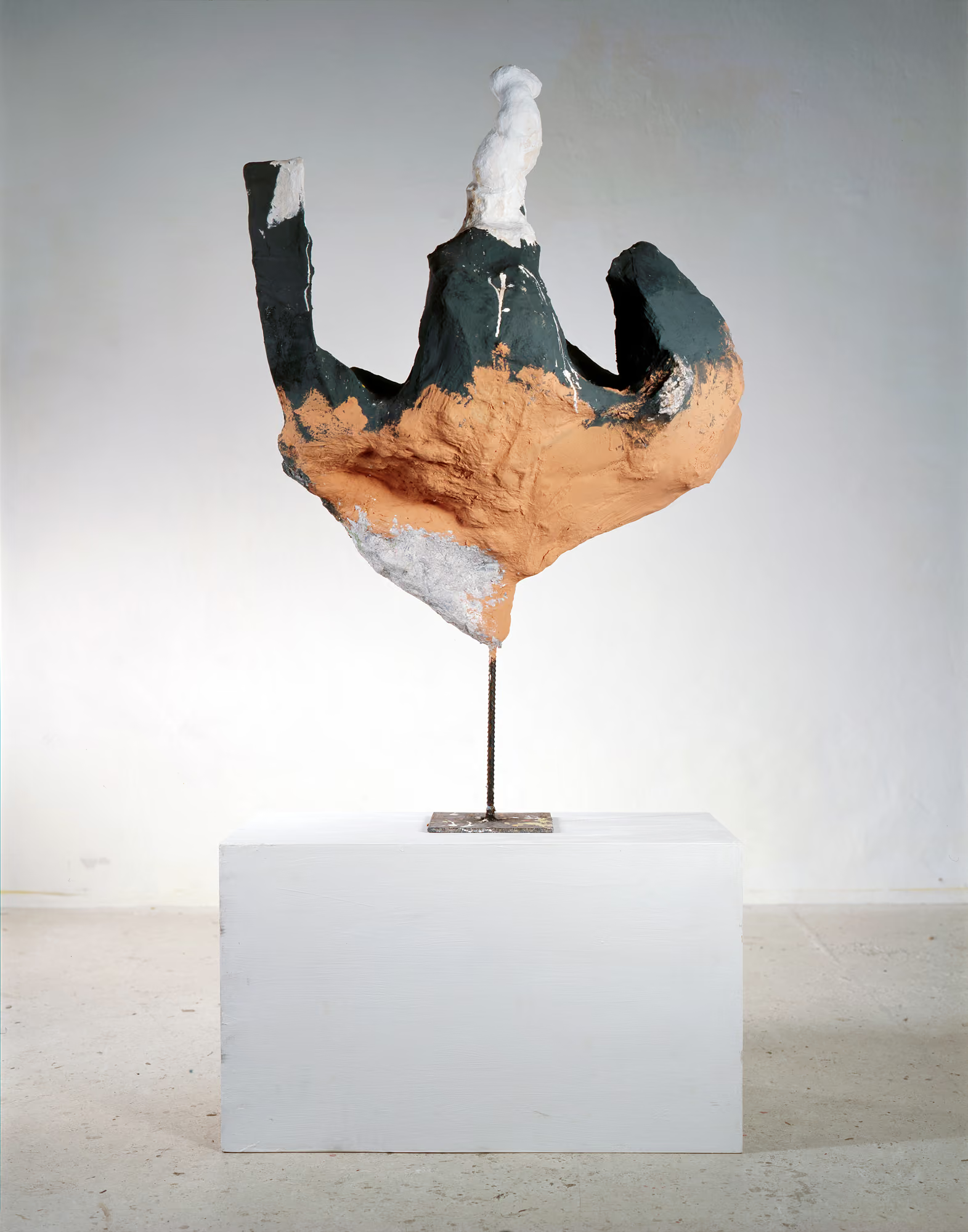
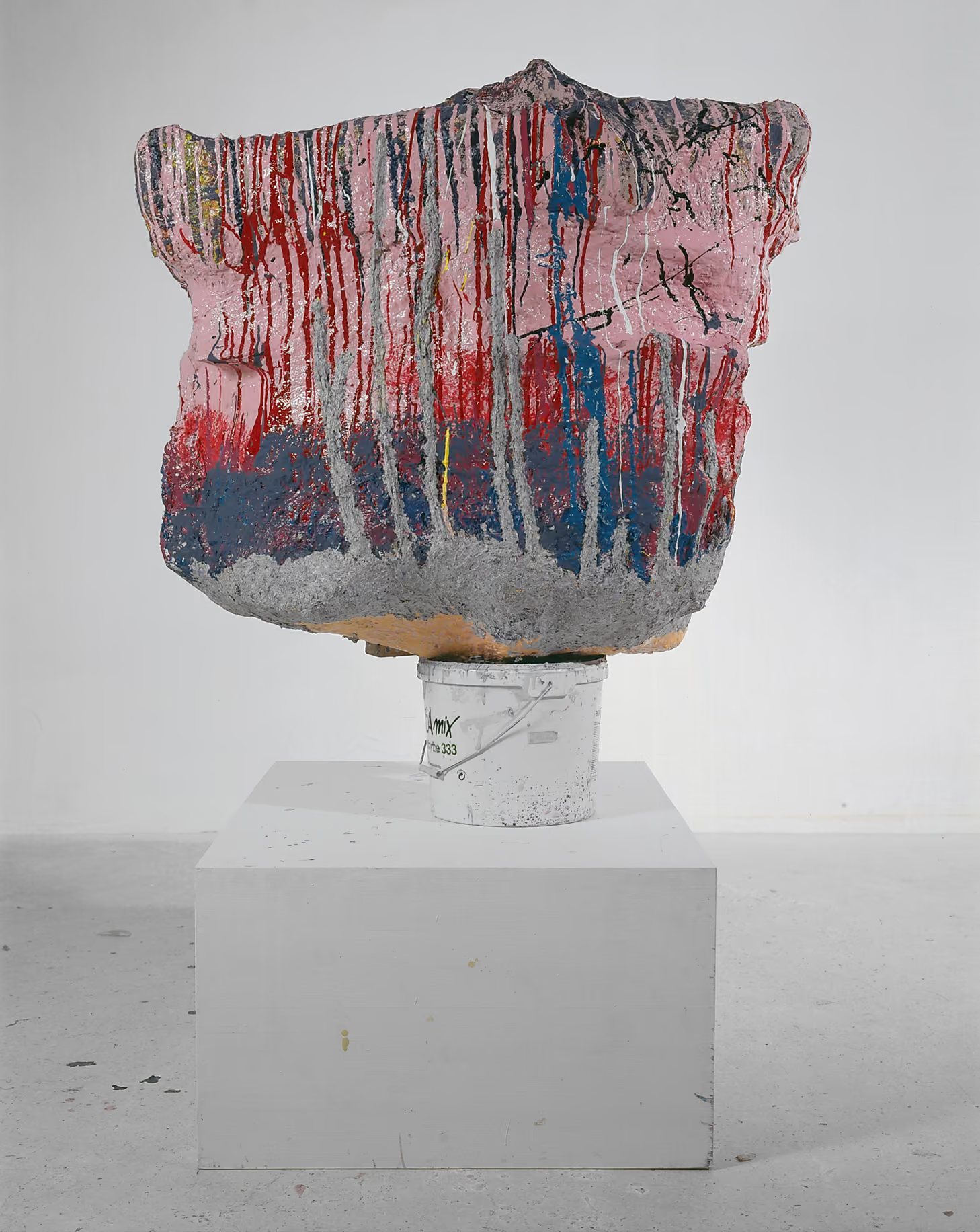
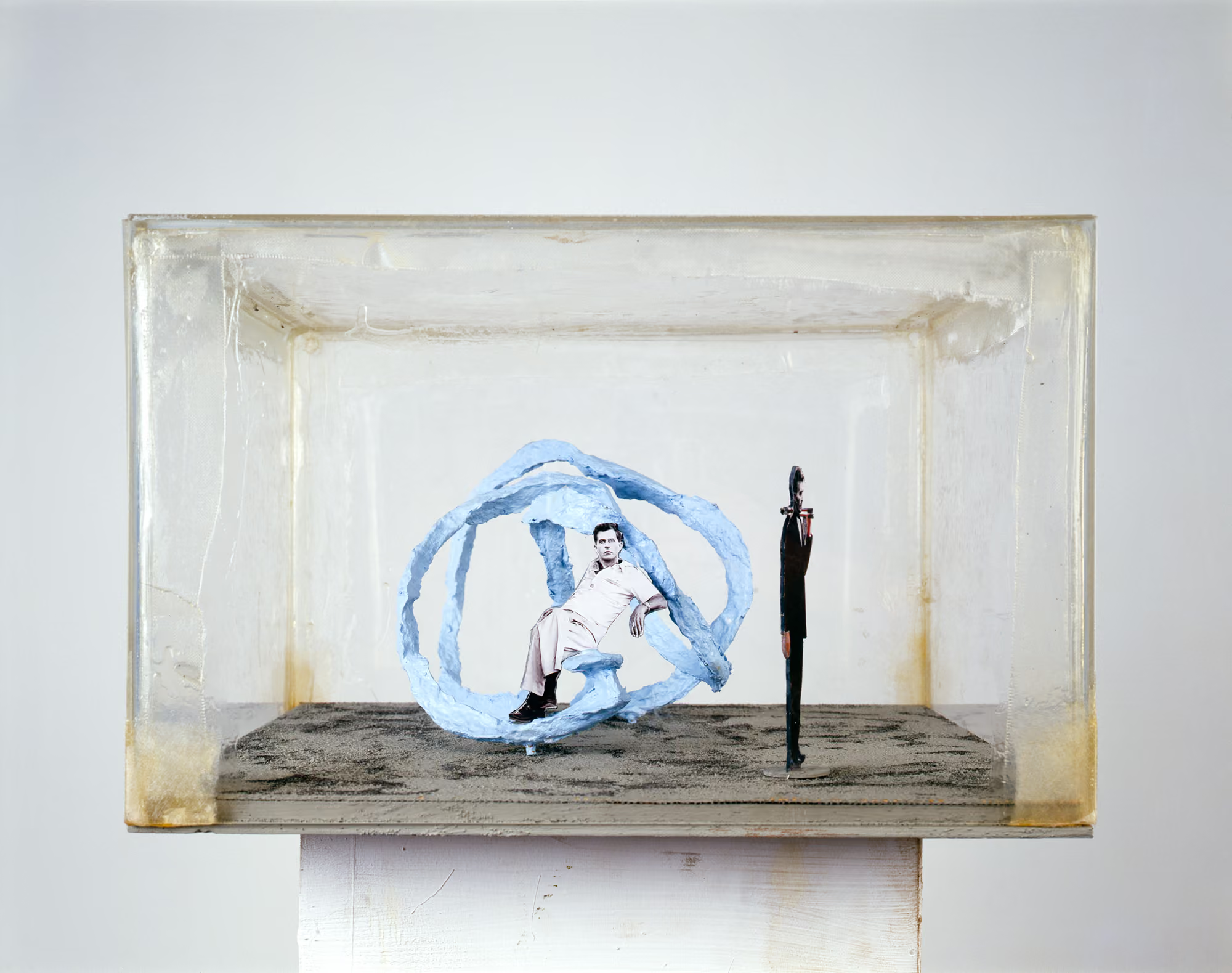
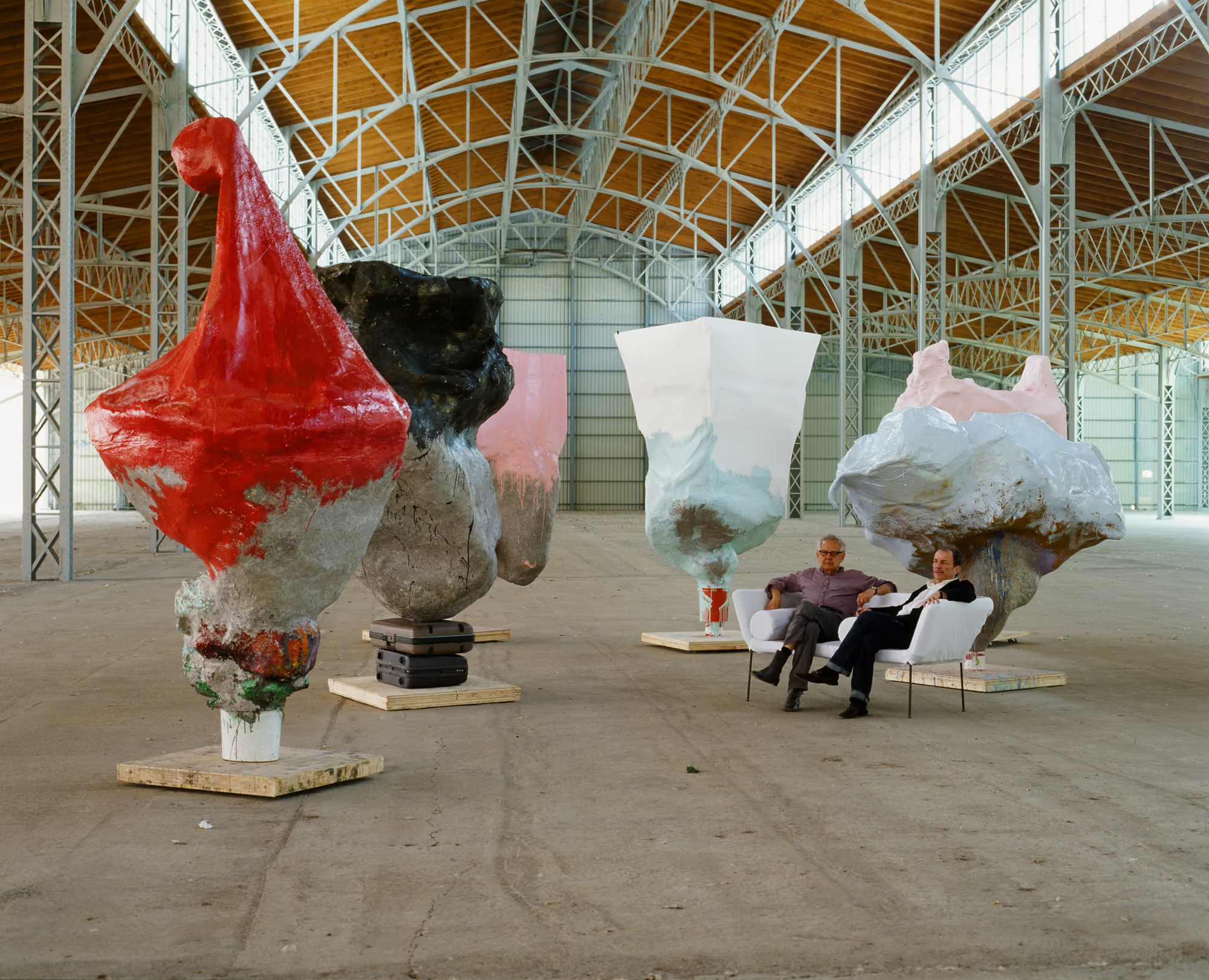
Franz West also expanded the art-historically defined concept of sculpture with his colorful, meteorite-like formations, which were primarily shaped from paper-mâché. Some are supported by paint cans or buckets, often mounted on stands made of reinforcing steel. The formal vocabulary of these sculptures is as numerous as the associations with philosophy, politics, geography, semantics, and more.
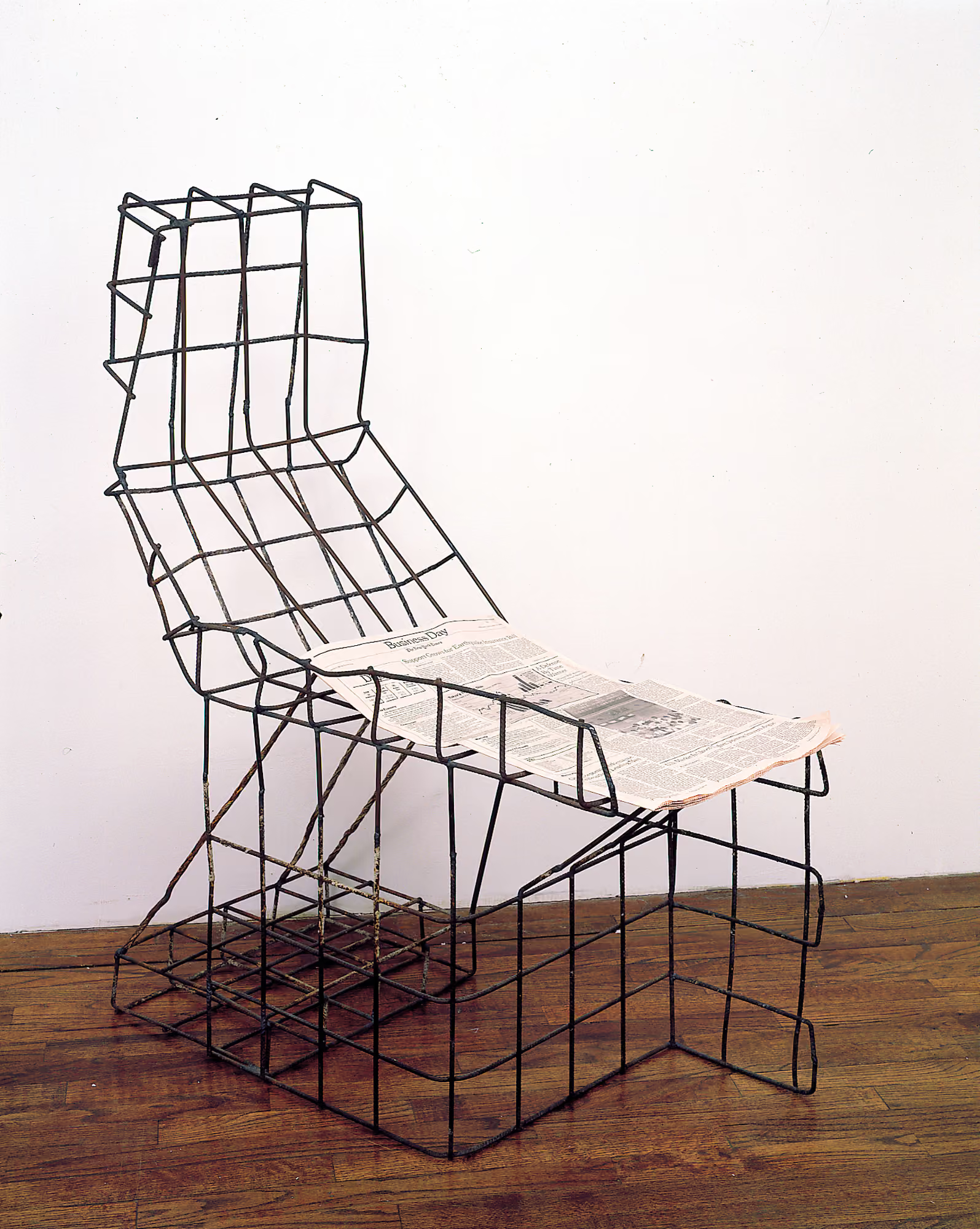
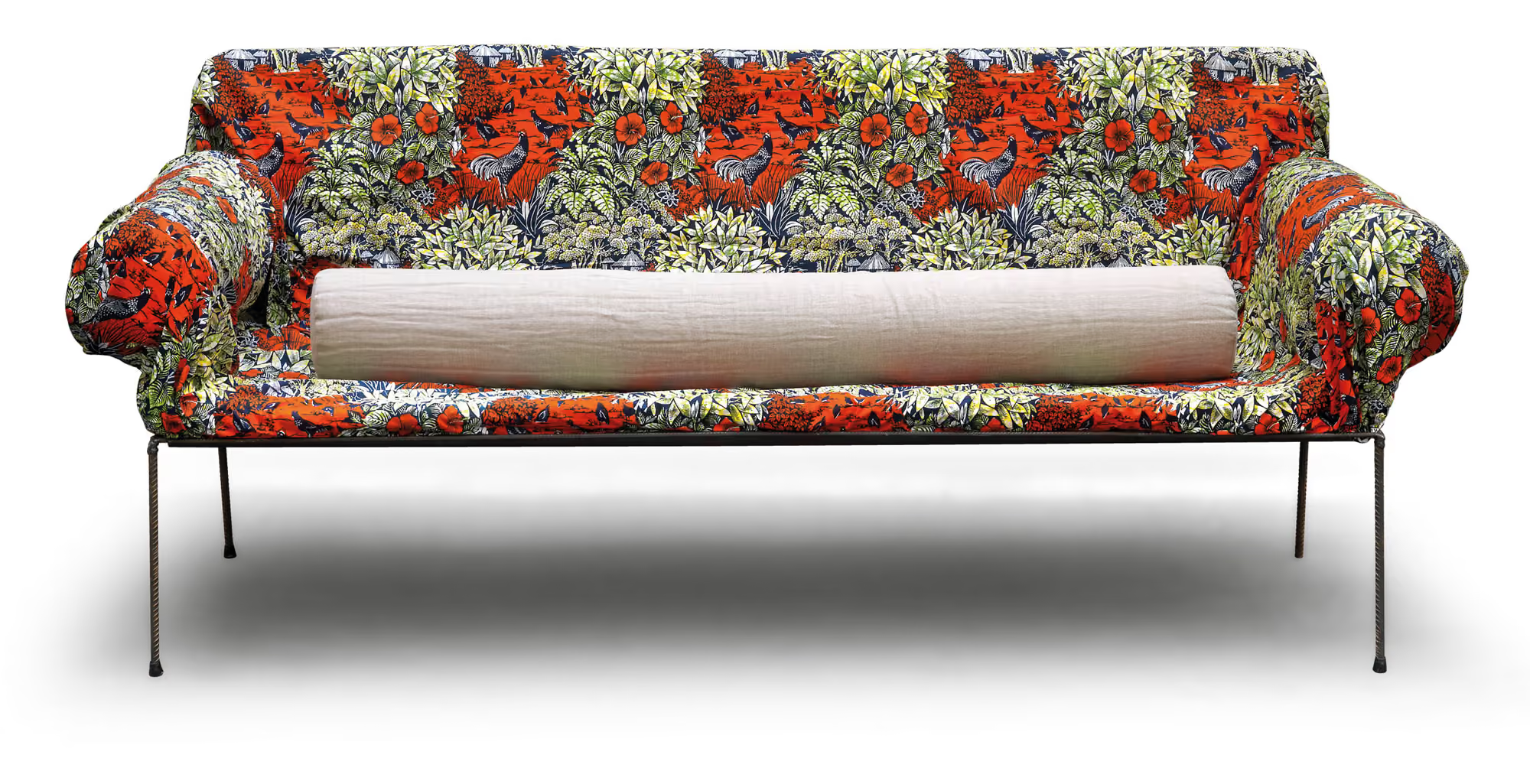
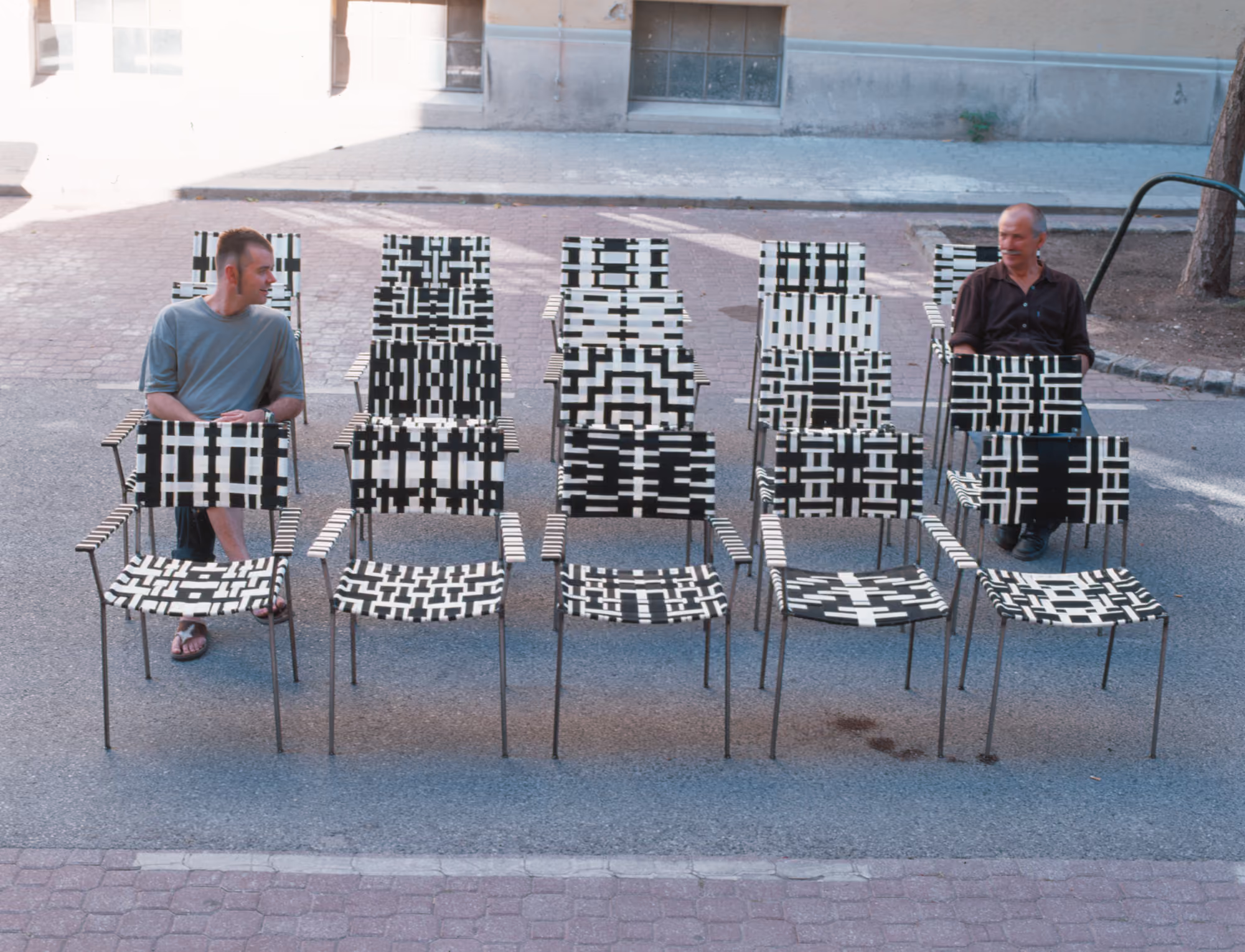
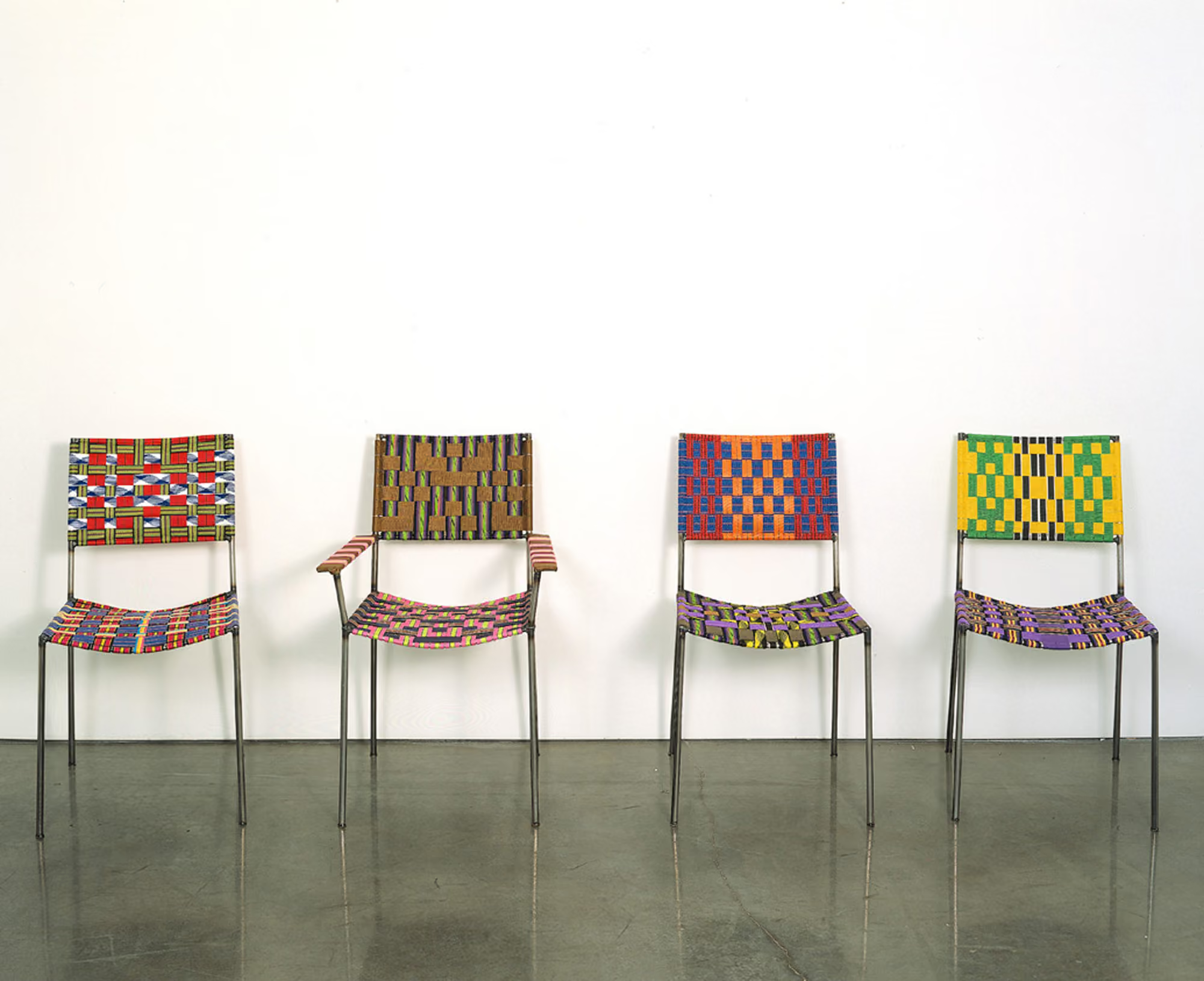
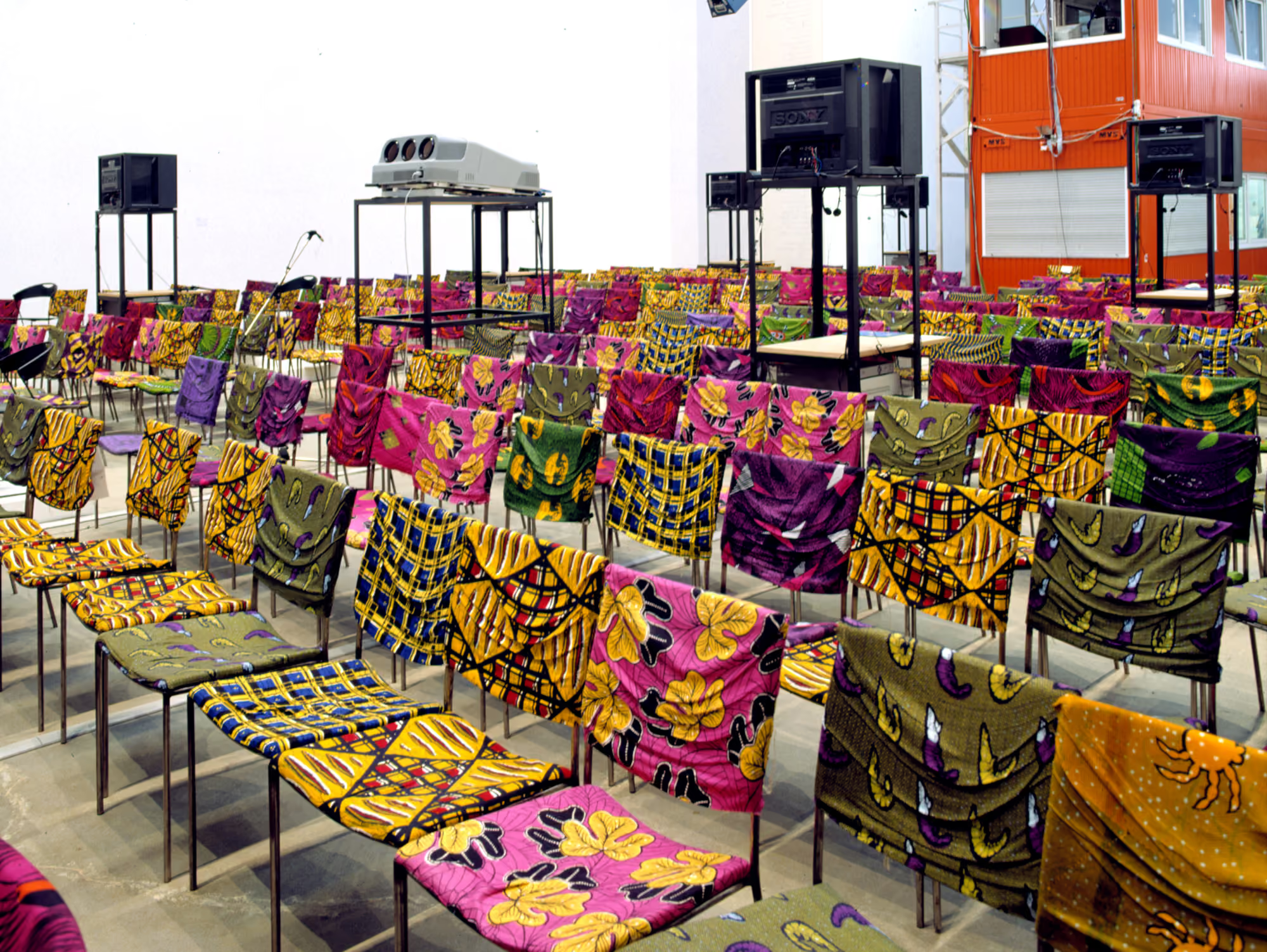
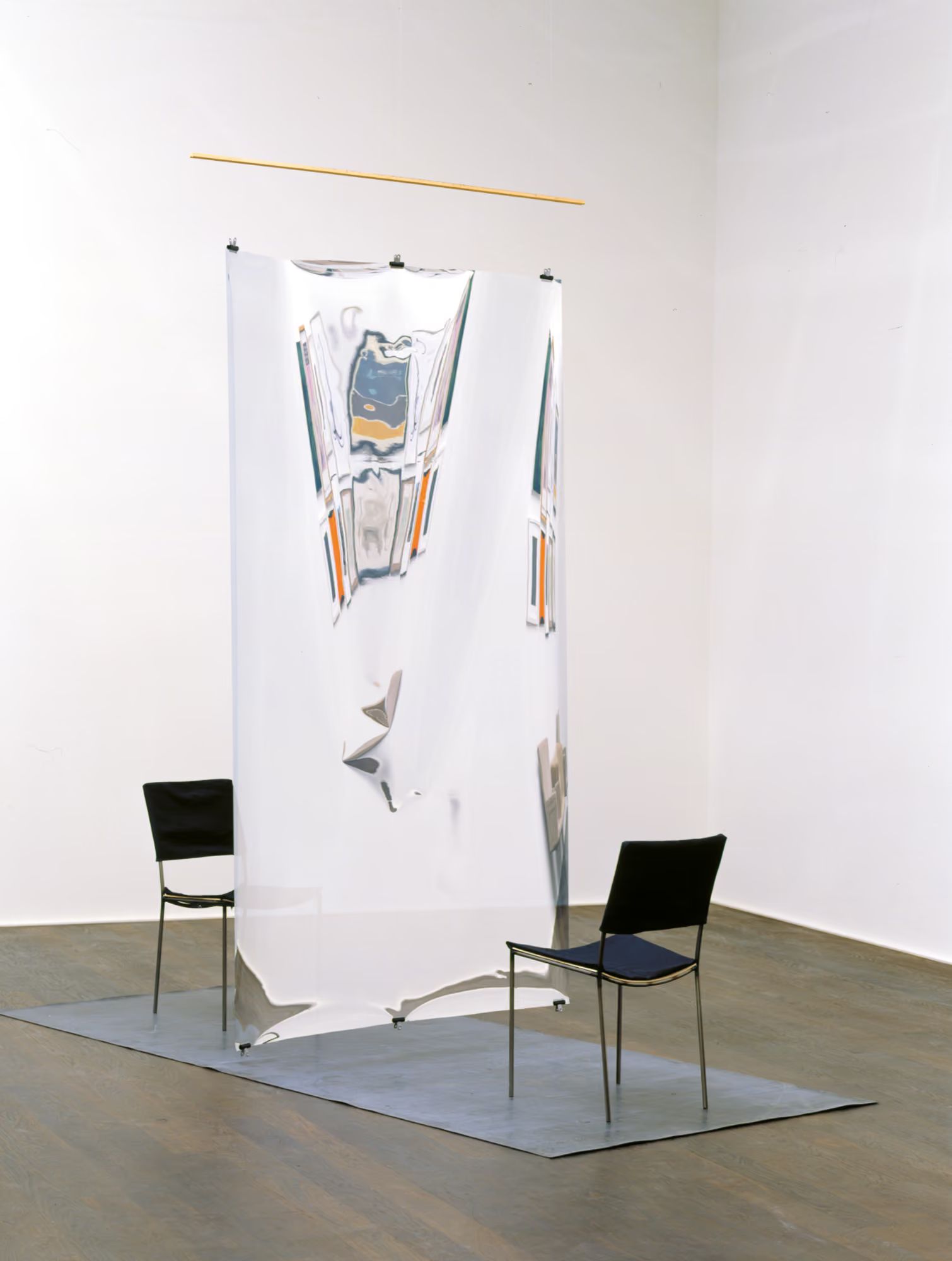
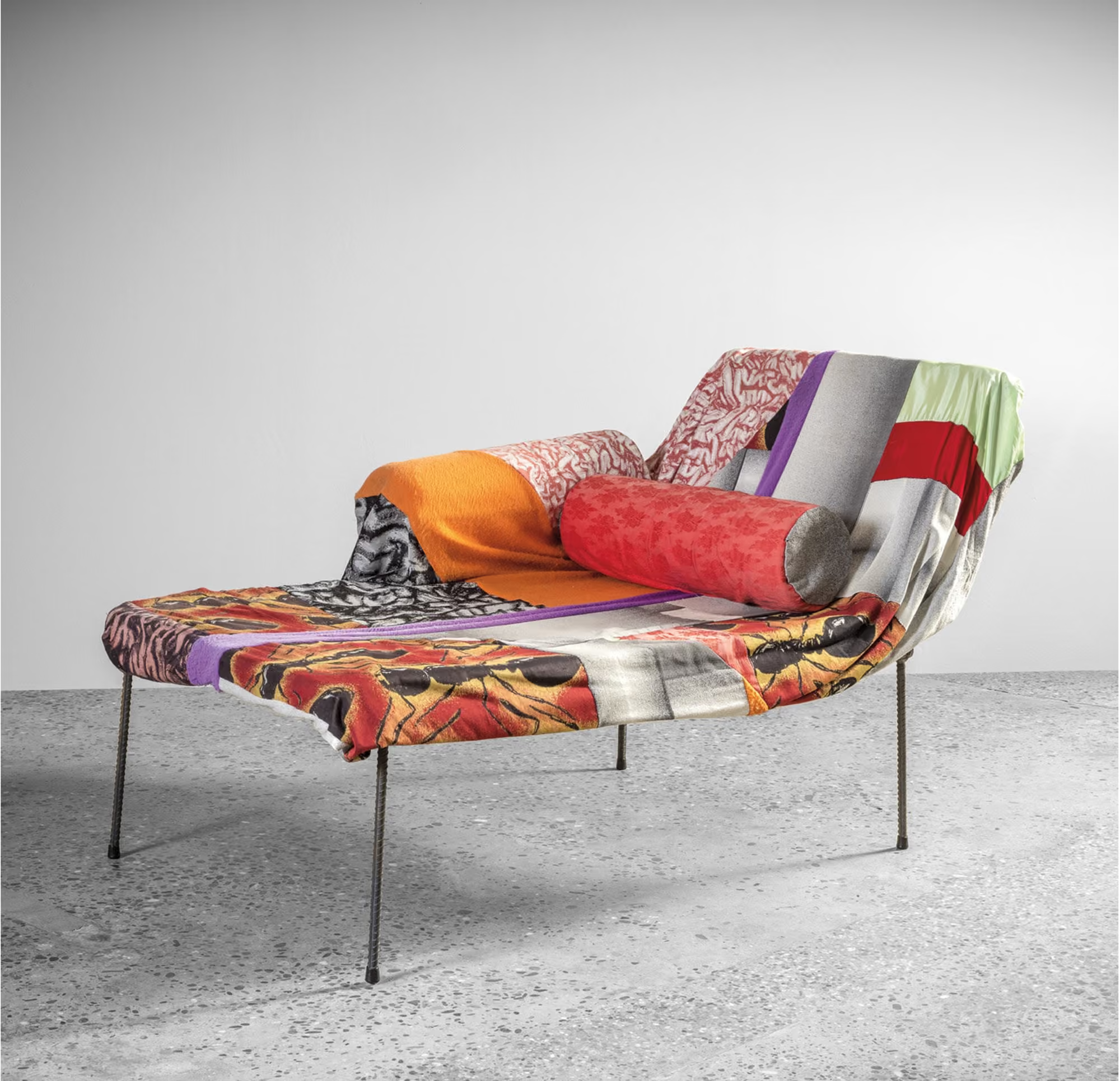
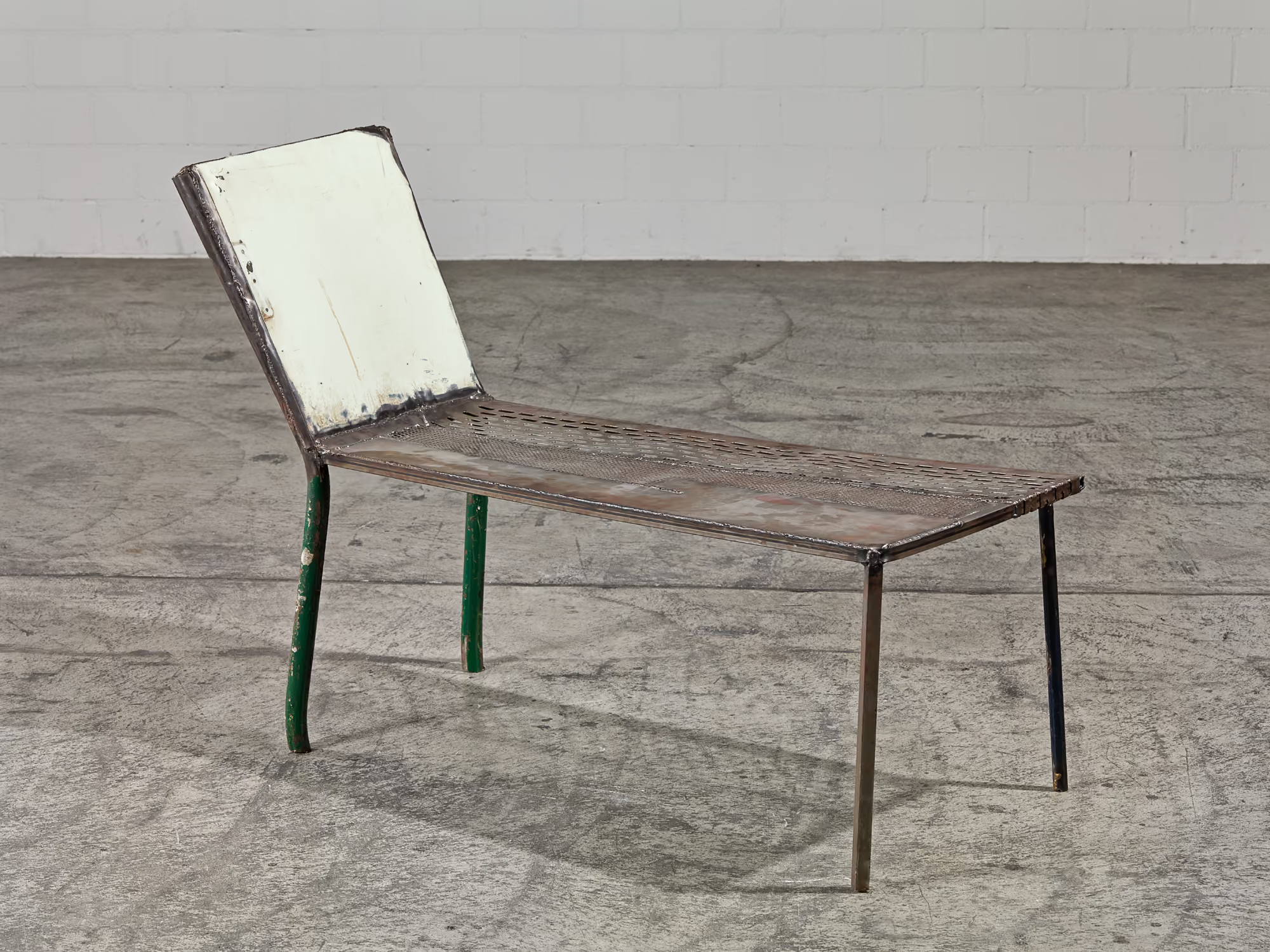
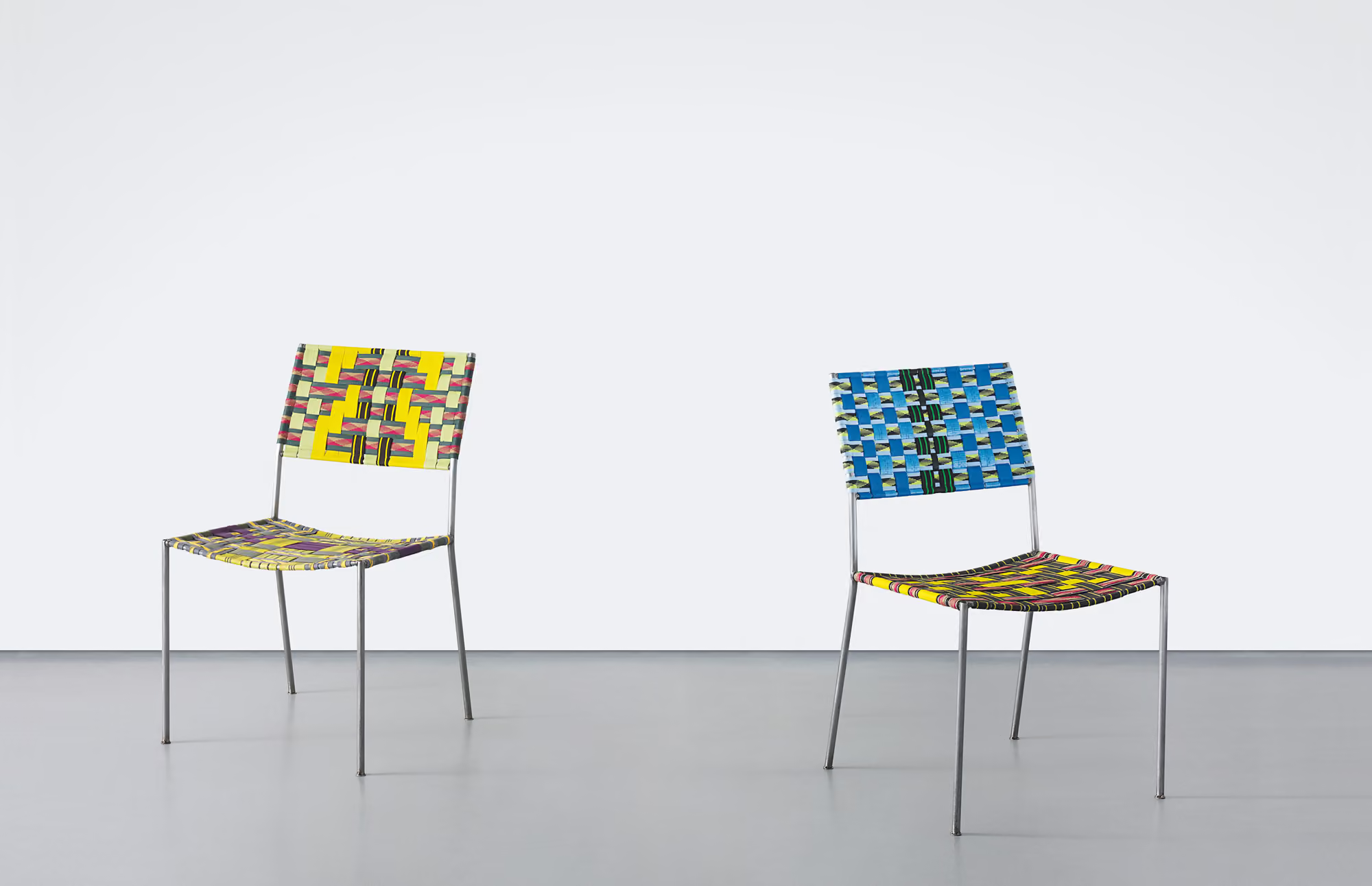
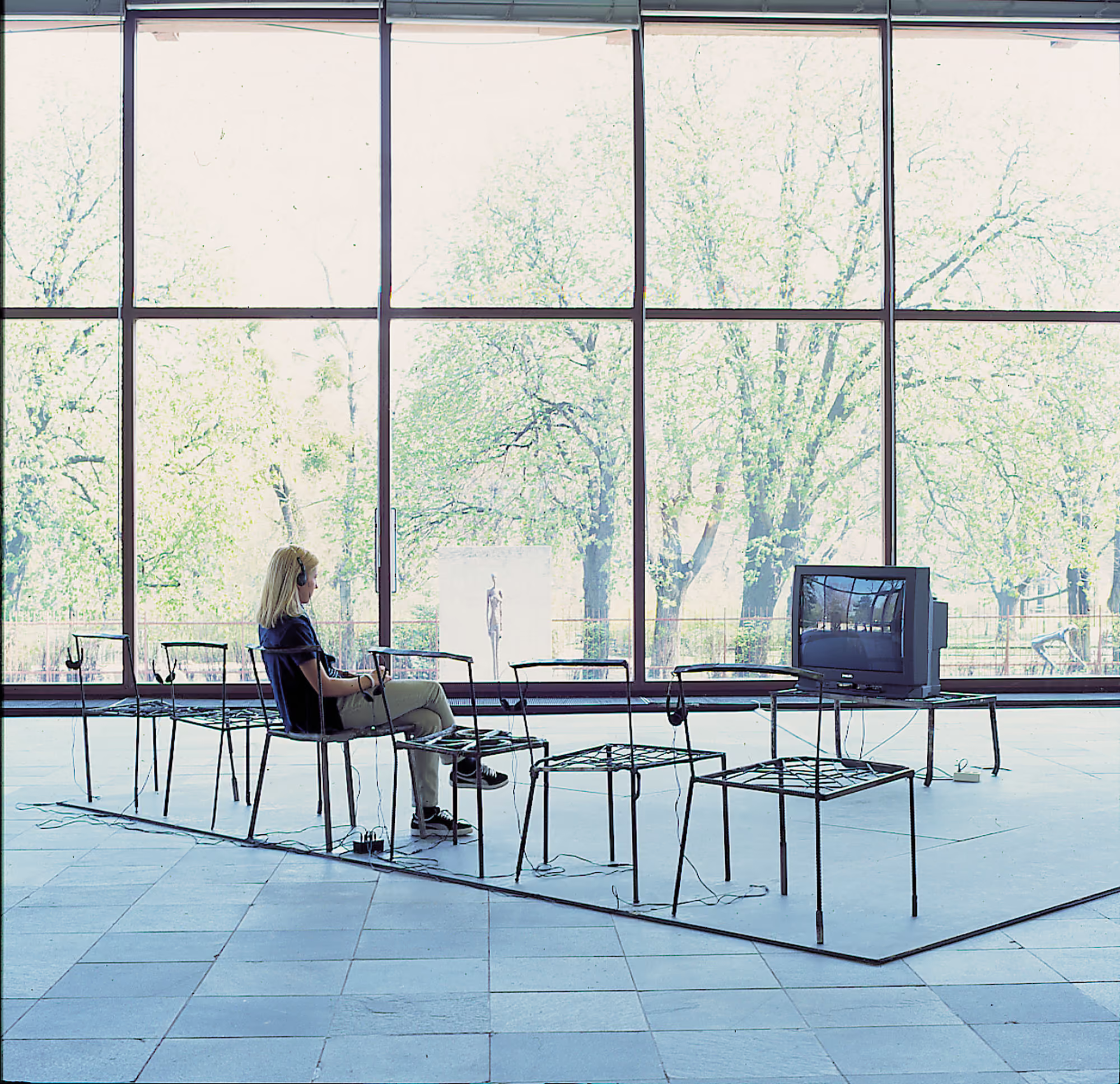
In his furniture, the physical perception of an object meets idleness and contemplation. Franz West was as concerned with the leisure of the artist as he was with that of the viewer. In this sense, the furniture supported the creative process in the studio and was often an integral part of his installations.
The concept of "entering into art" fascinated Franz West during early trips to Italy with his mother:
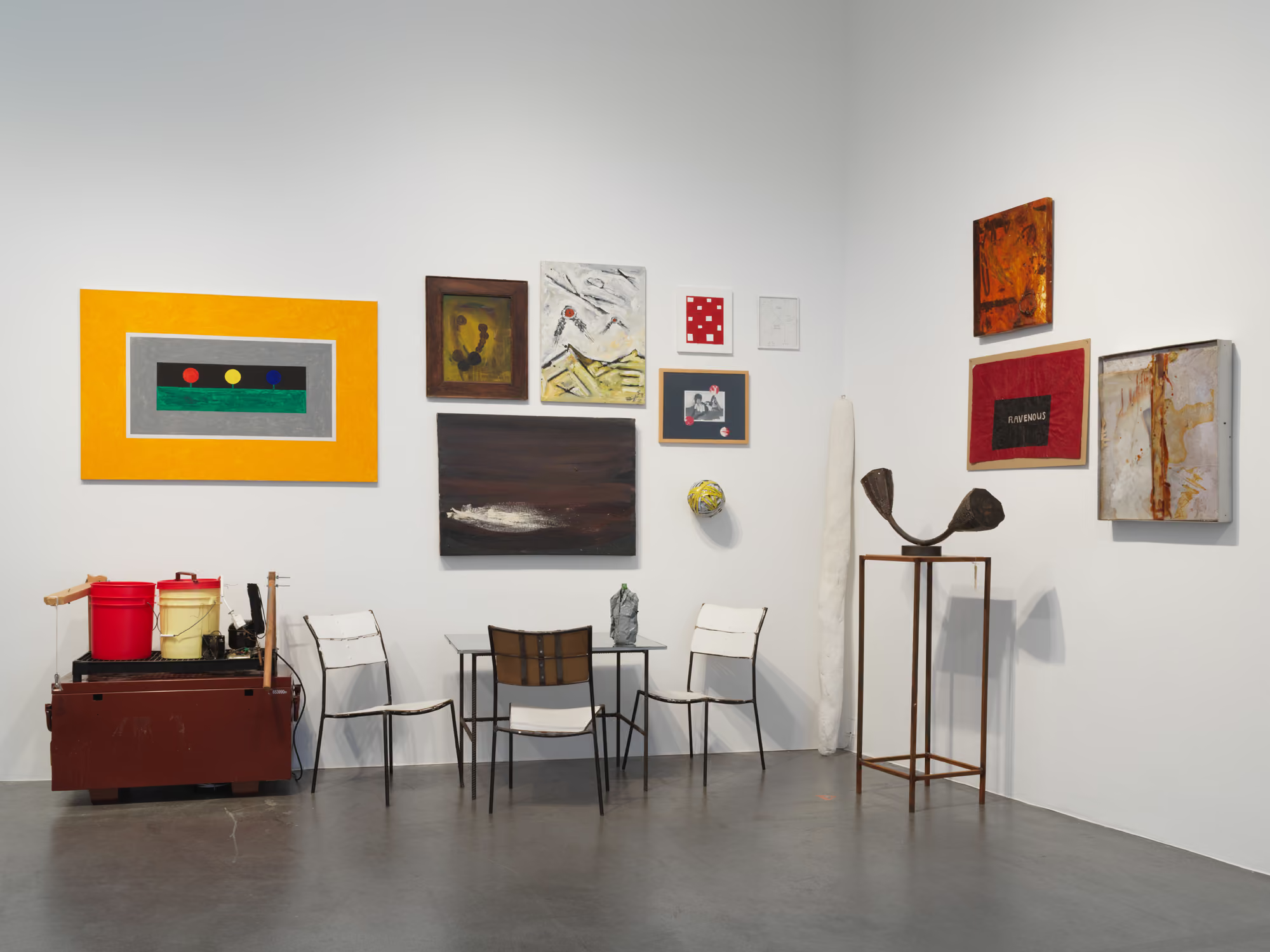
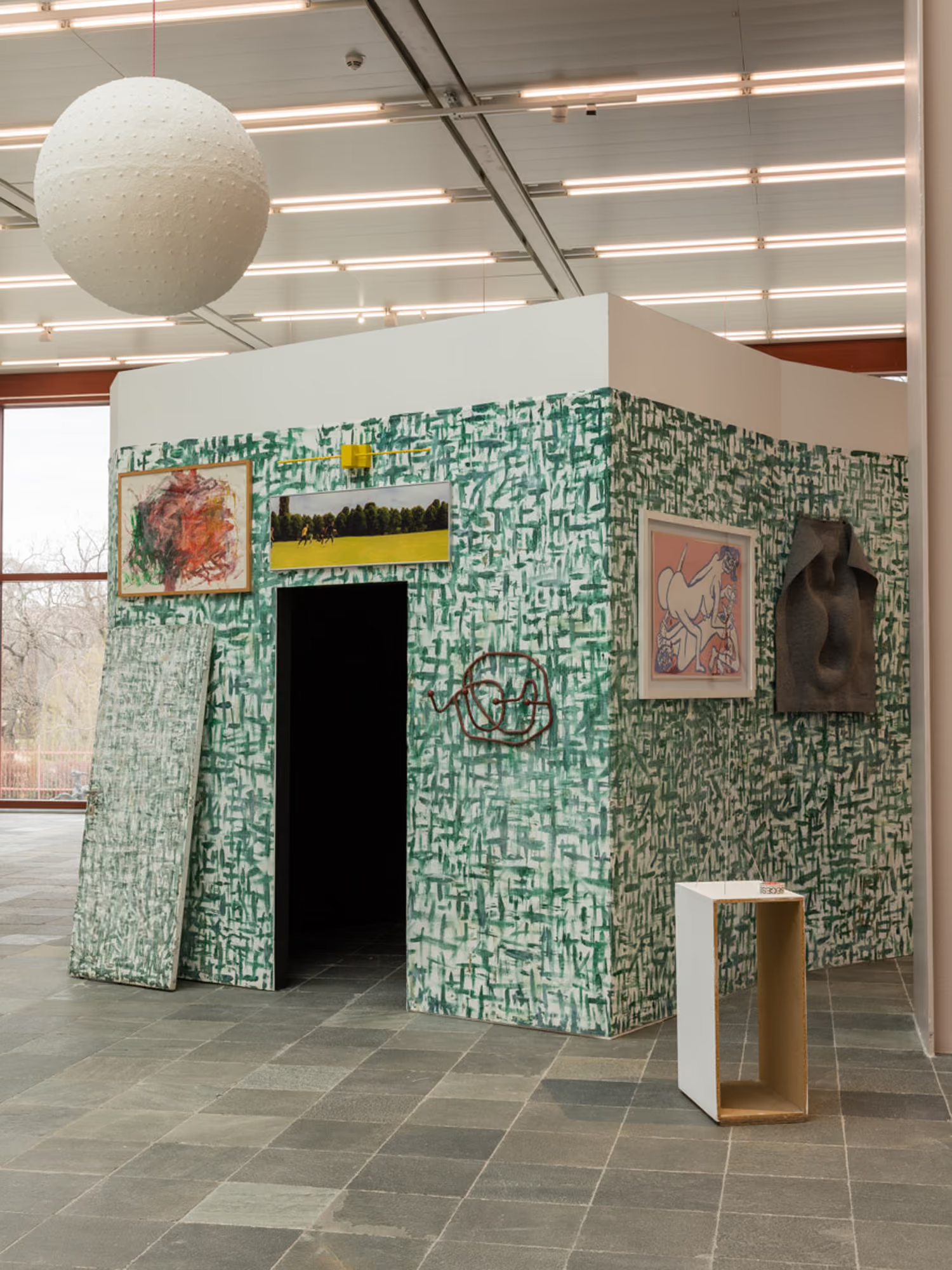
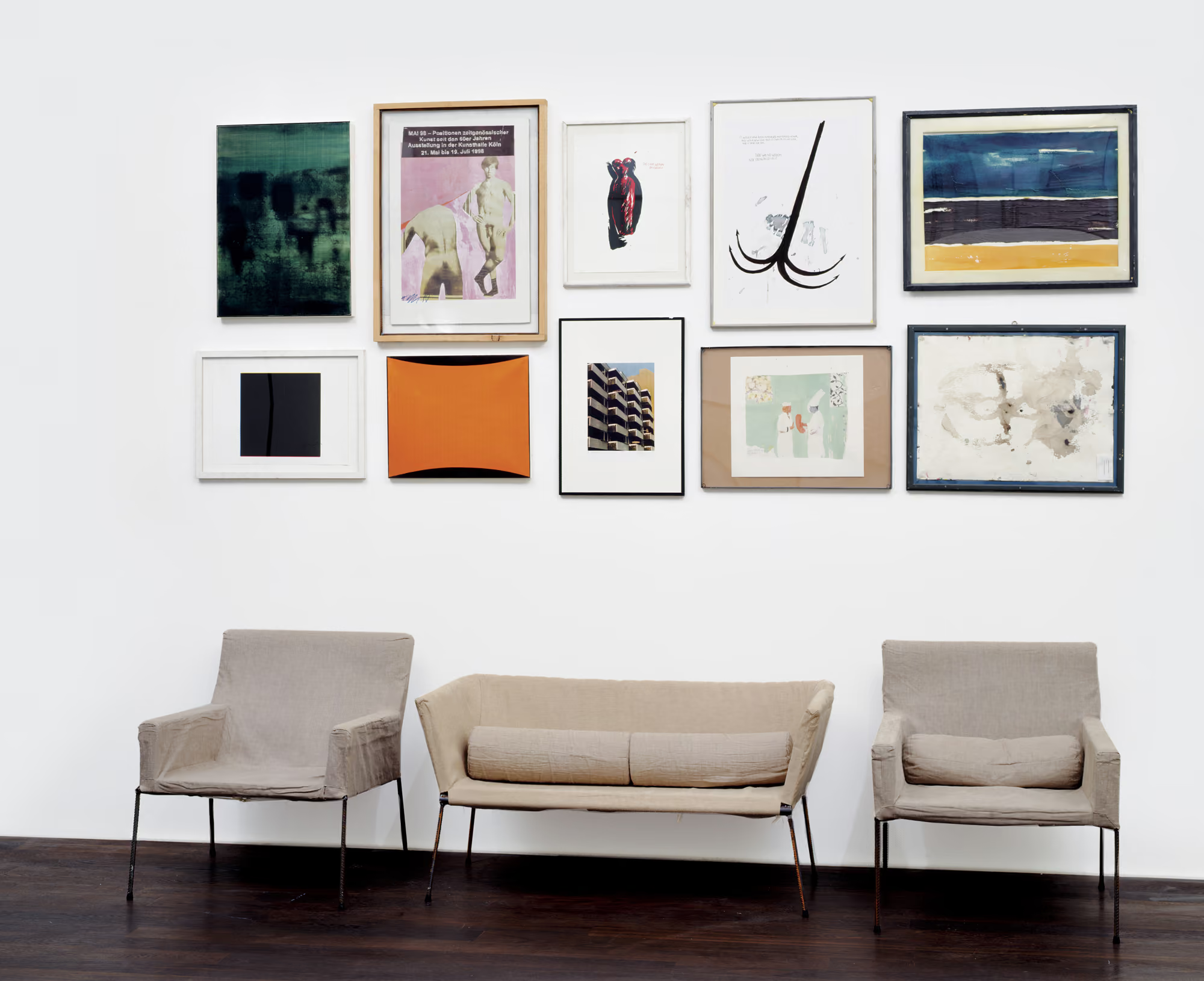
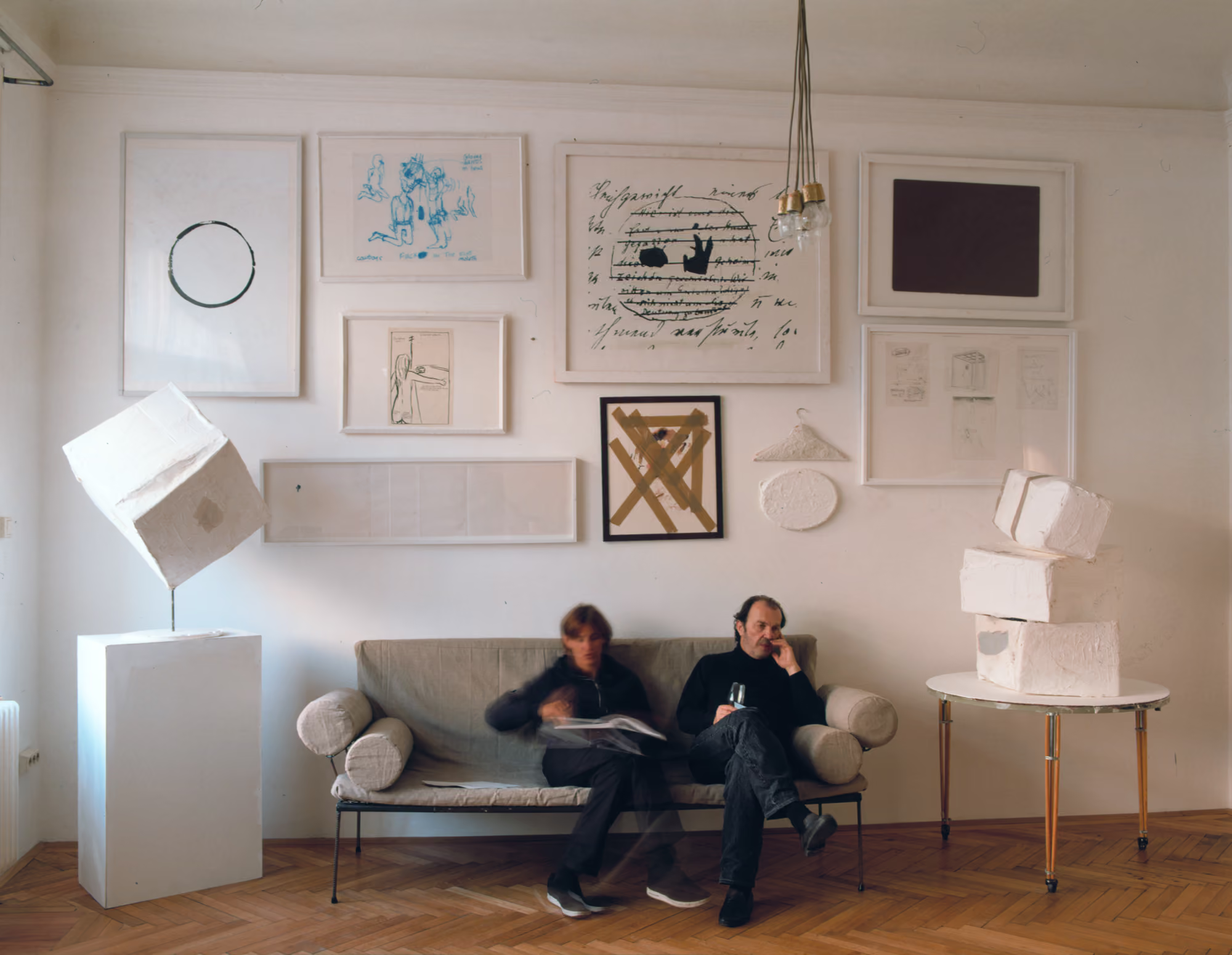
With installations, often a combination of pictures, sculptures, and seating or reclining furniture, Franz West created an artificial space that allows the audience to immerse themselves in the reception of art.
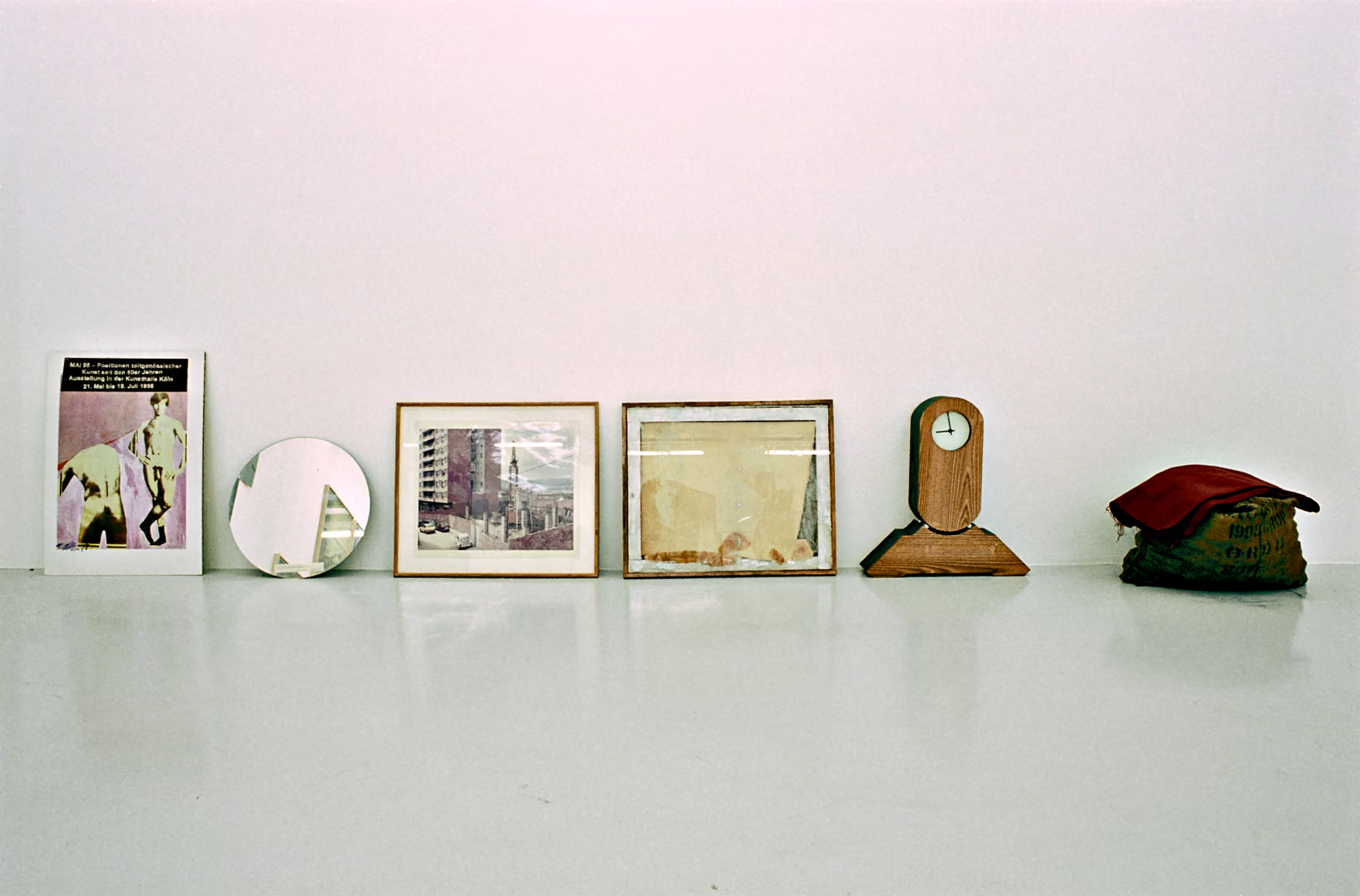
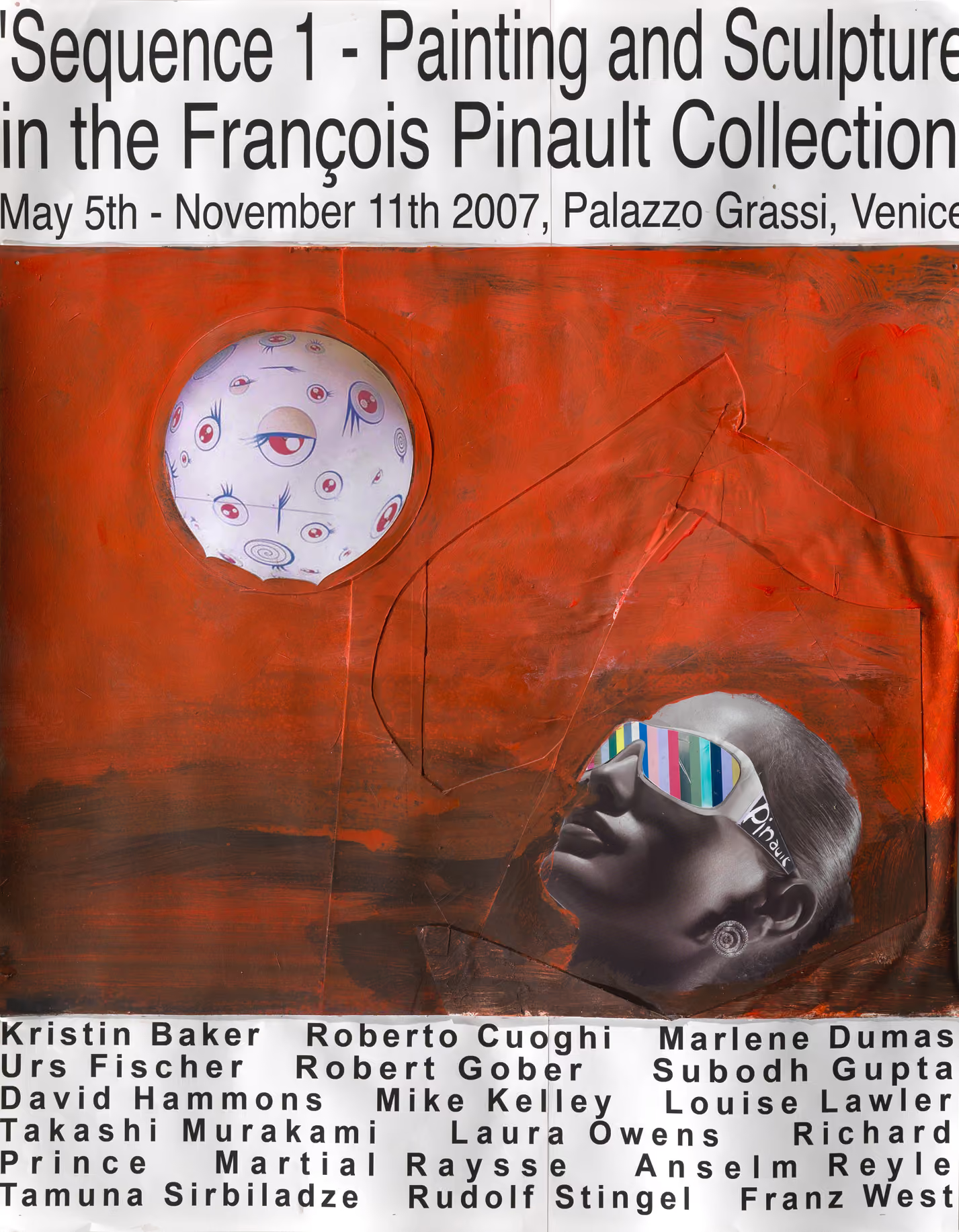
The inclusion of his personal environment was an important part of this: West often grouped paintings and sculptures by artist friends with his own. Large walls of pictures were created, and entire exhibitions were designed collaboratively. In this way, his studio kitchen—stocked with over 40 works by various artists—became the source for "Extroversion," an independent installation shown at the 2011 Biennale di Venezia.
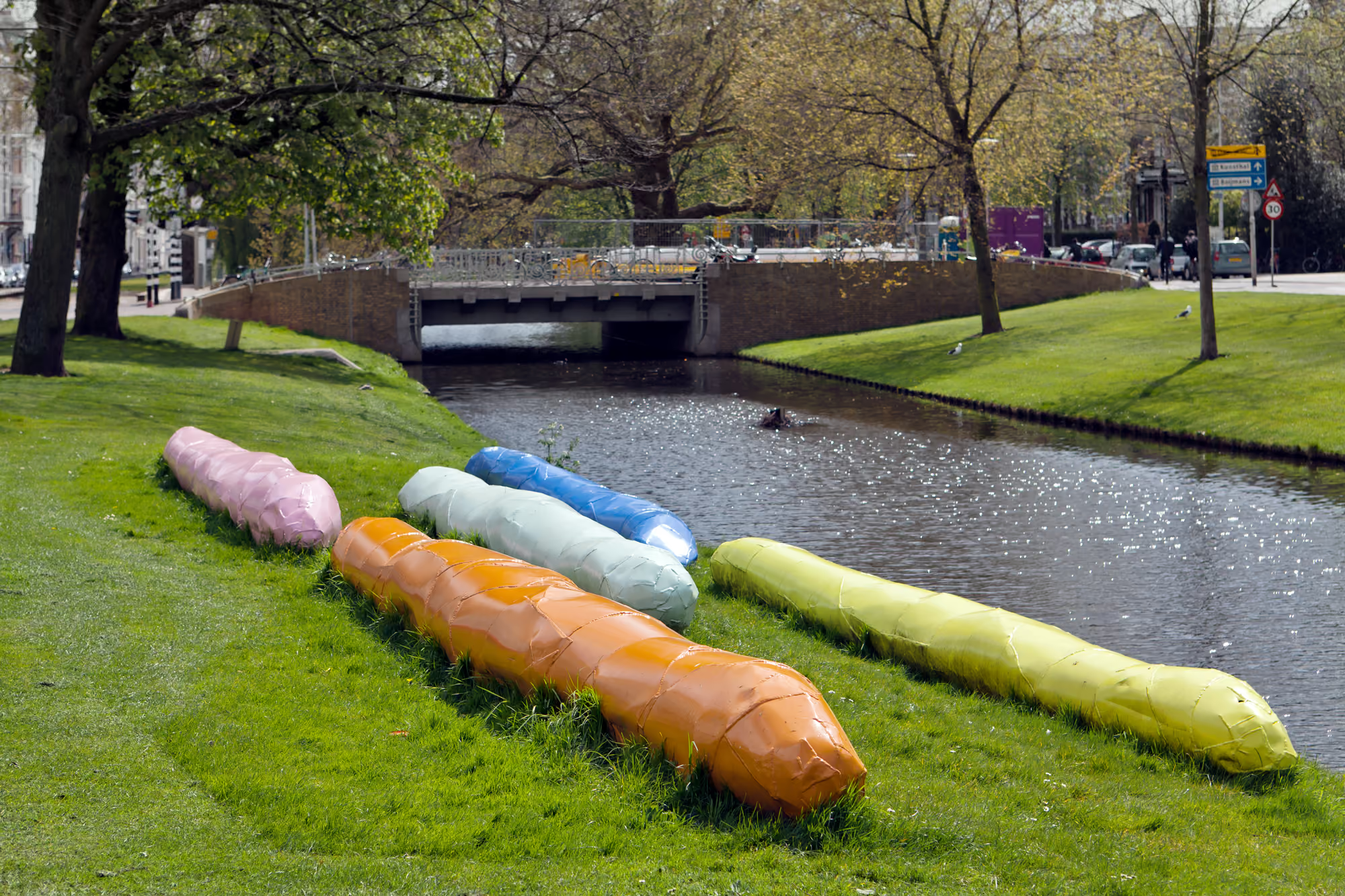
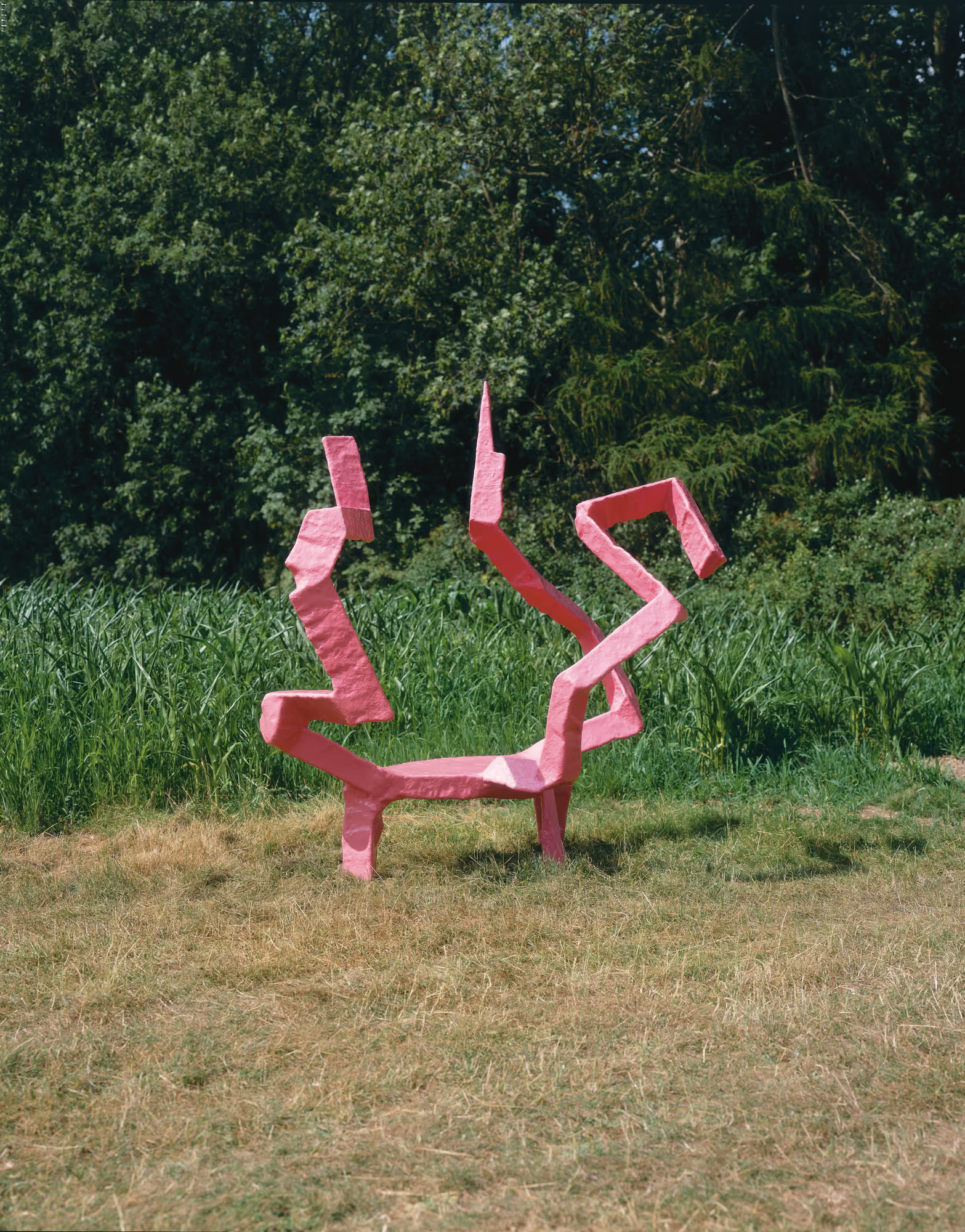
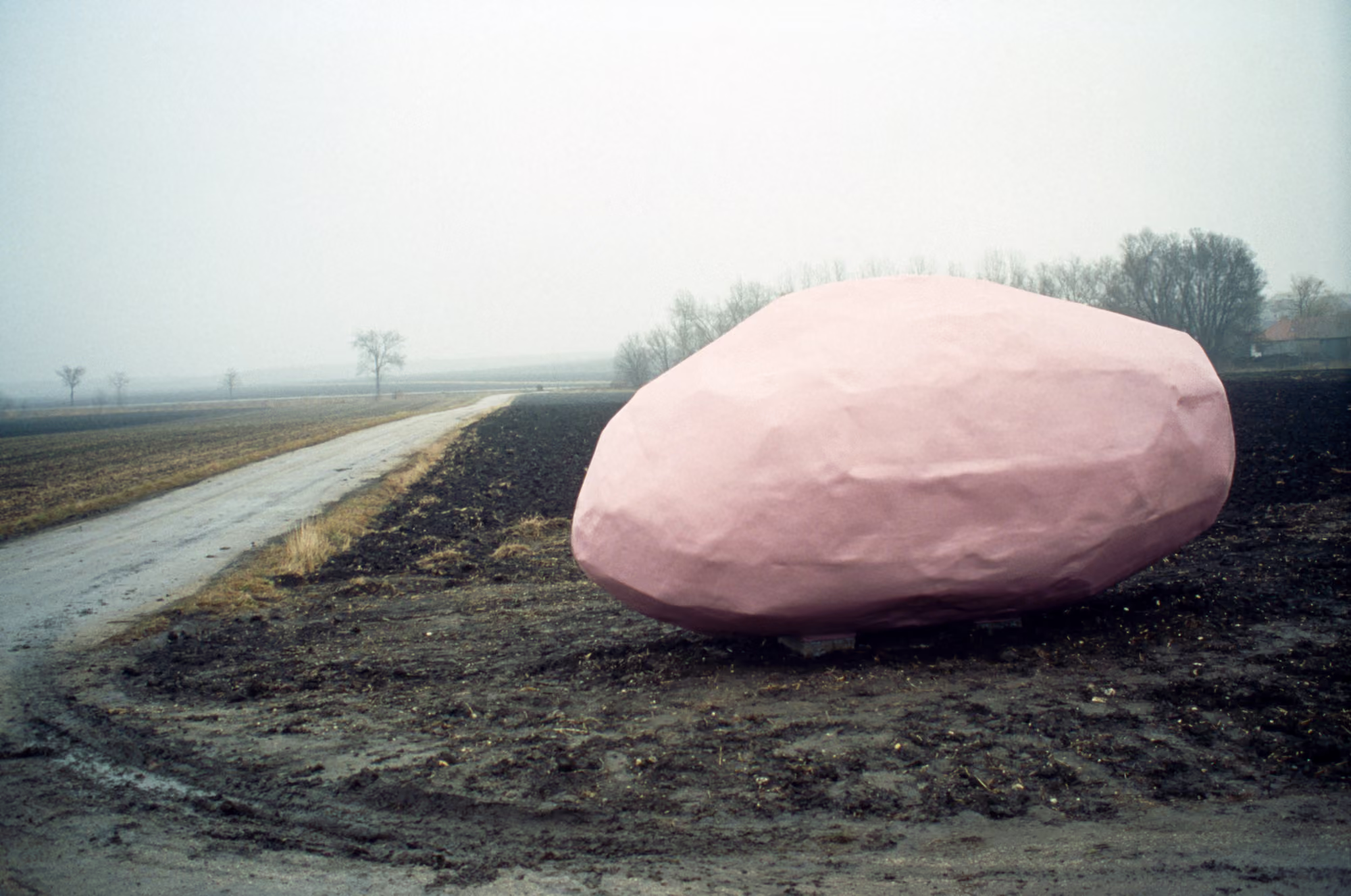
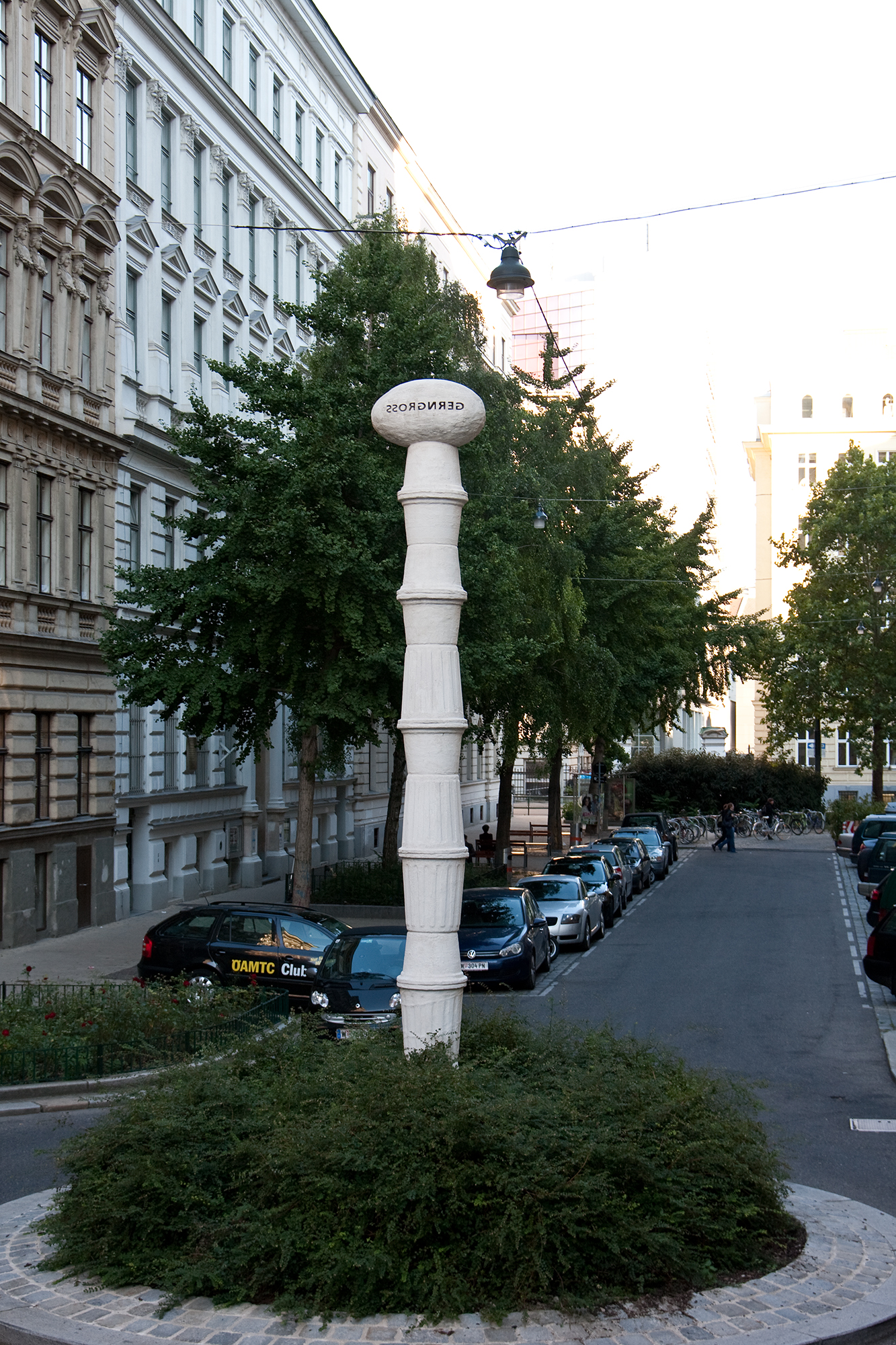
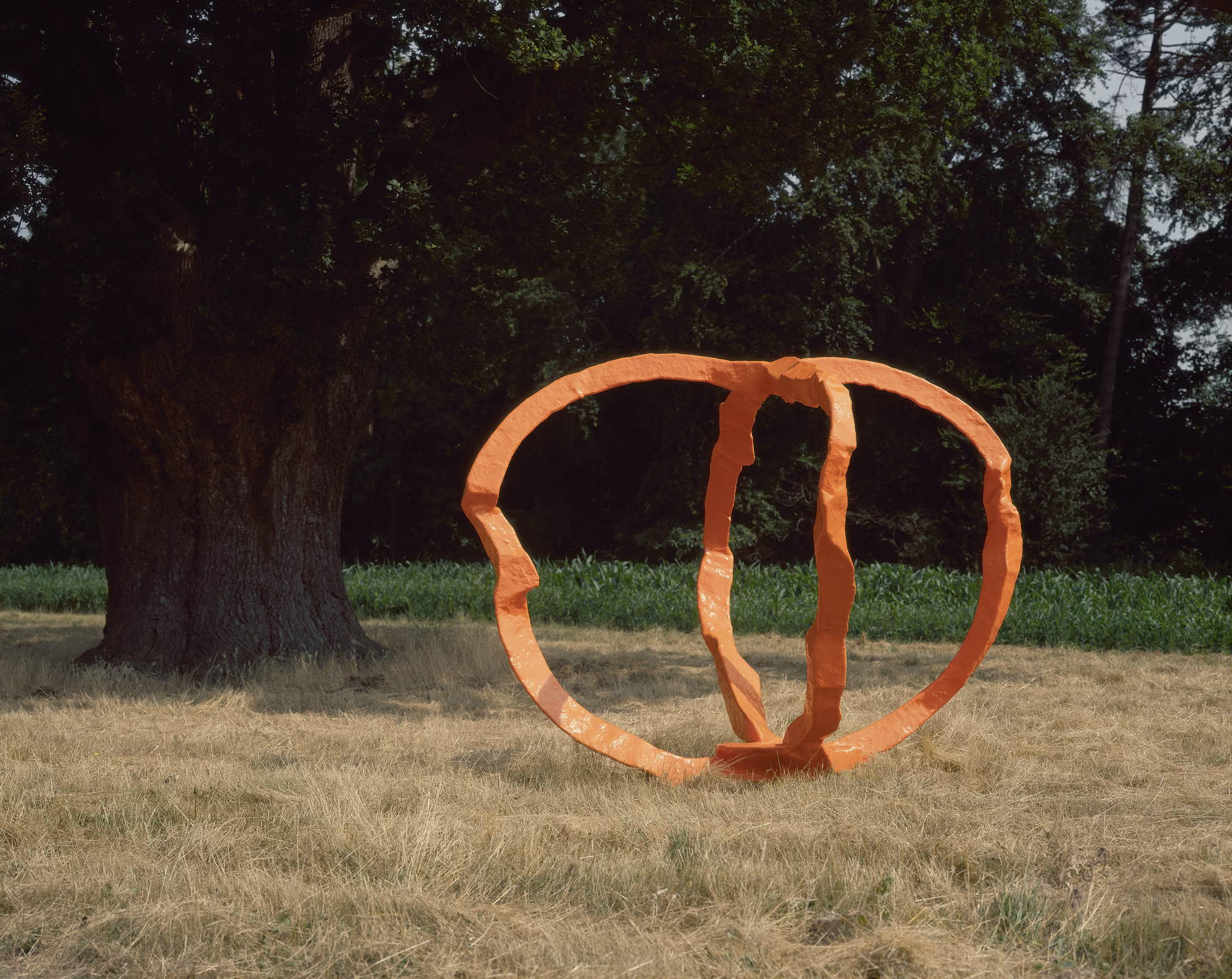
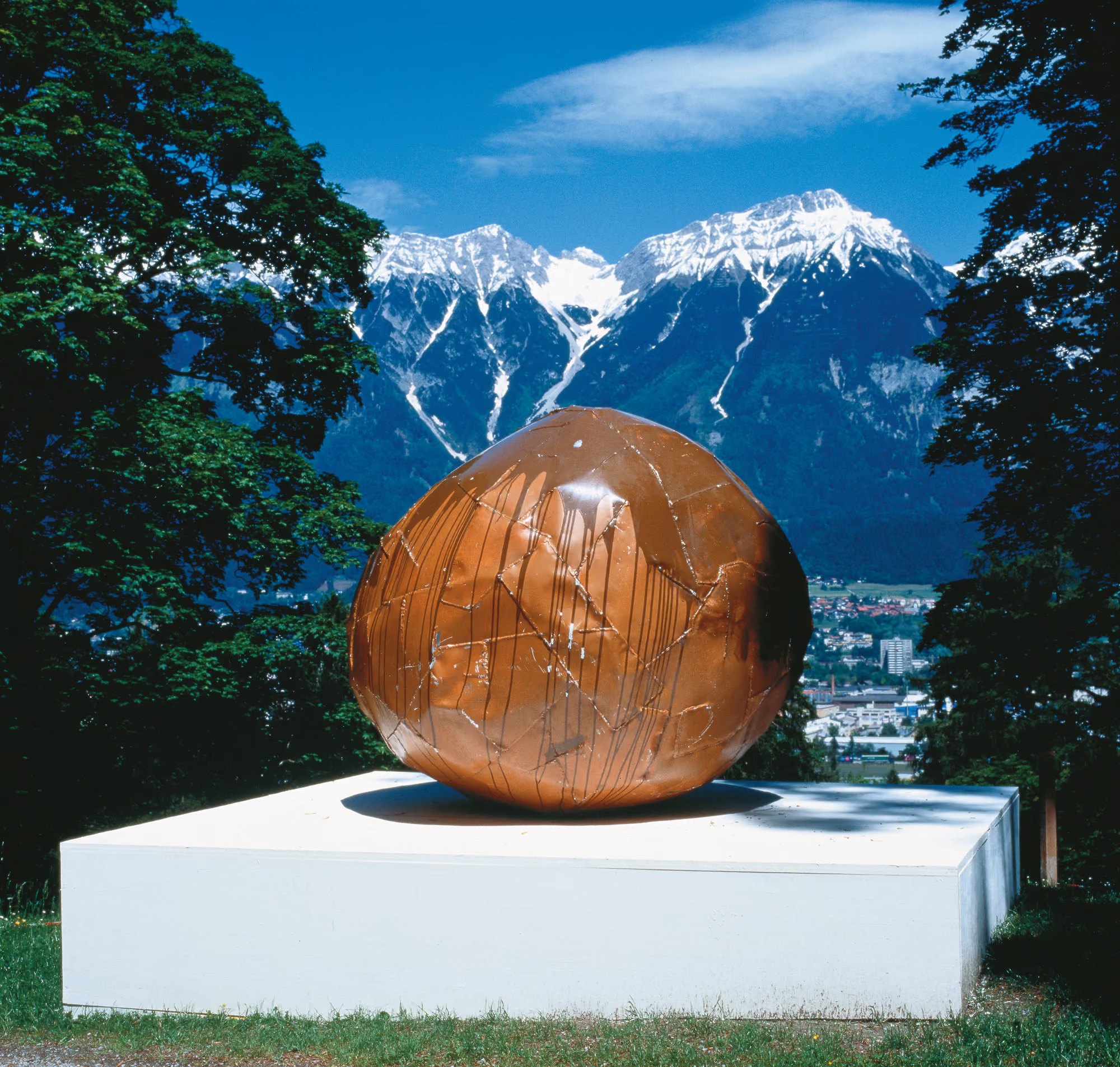
As early as the late 1970s, Franz West was interested in creating sculptures for outdoor spaces. He wanted to work with polyester—a material that is weather-resistant but hazardous to health—because early works made of paper-mâché had lost their original shape due to water ingress in his parents' apartment, turning into what he called "Fladen" (flat cakes).
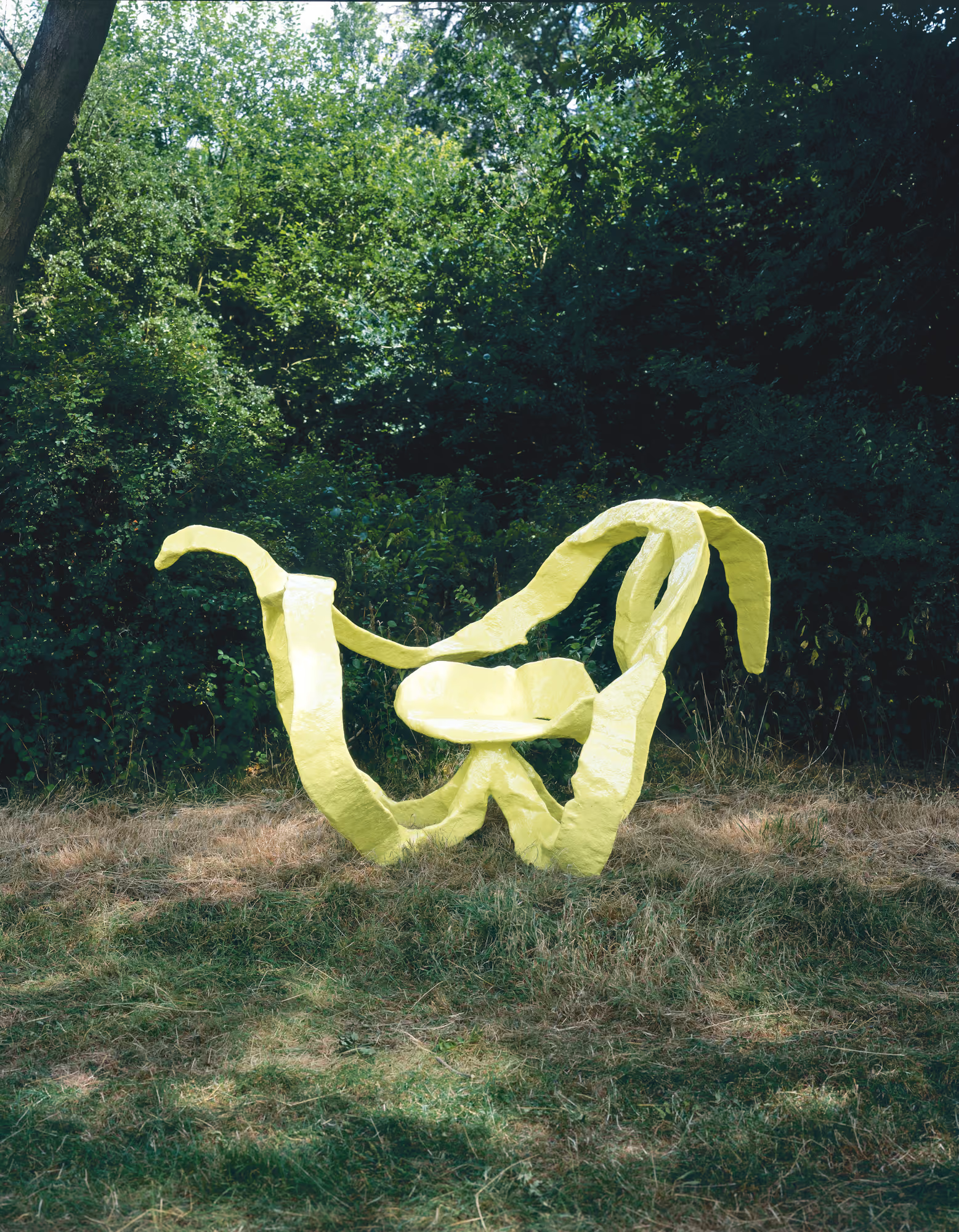
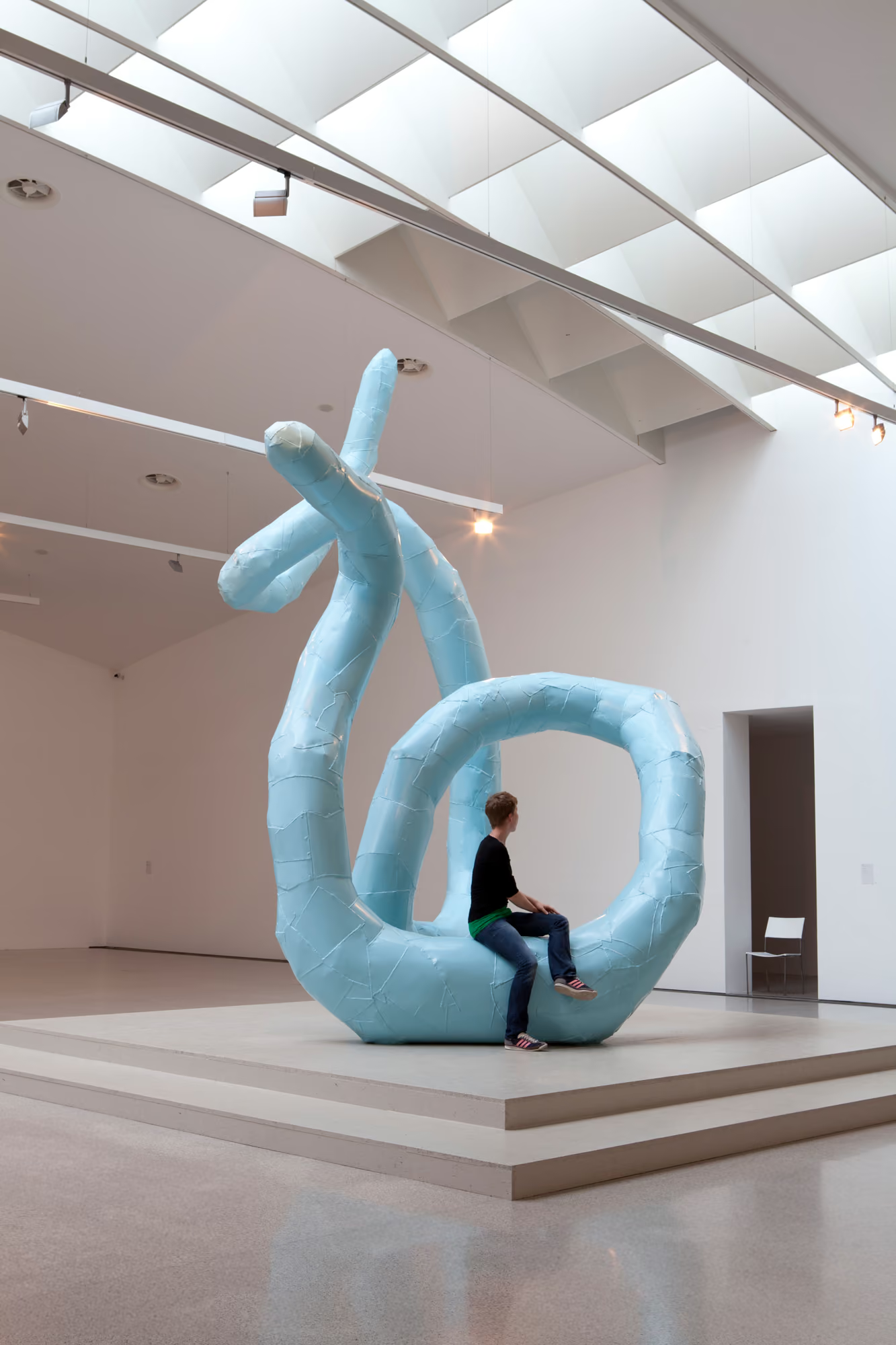
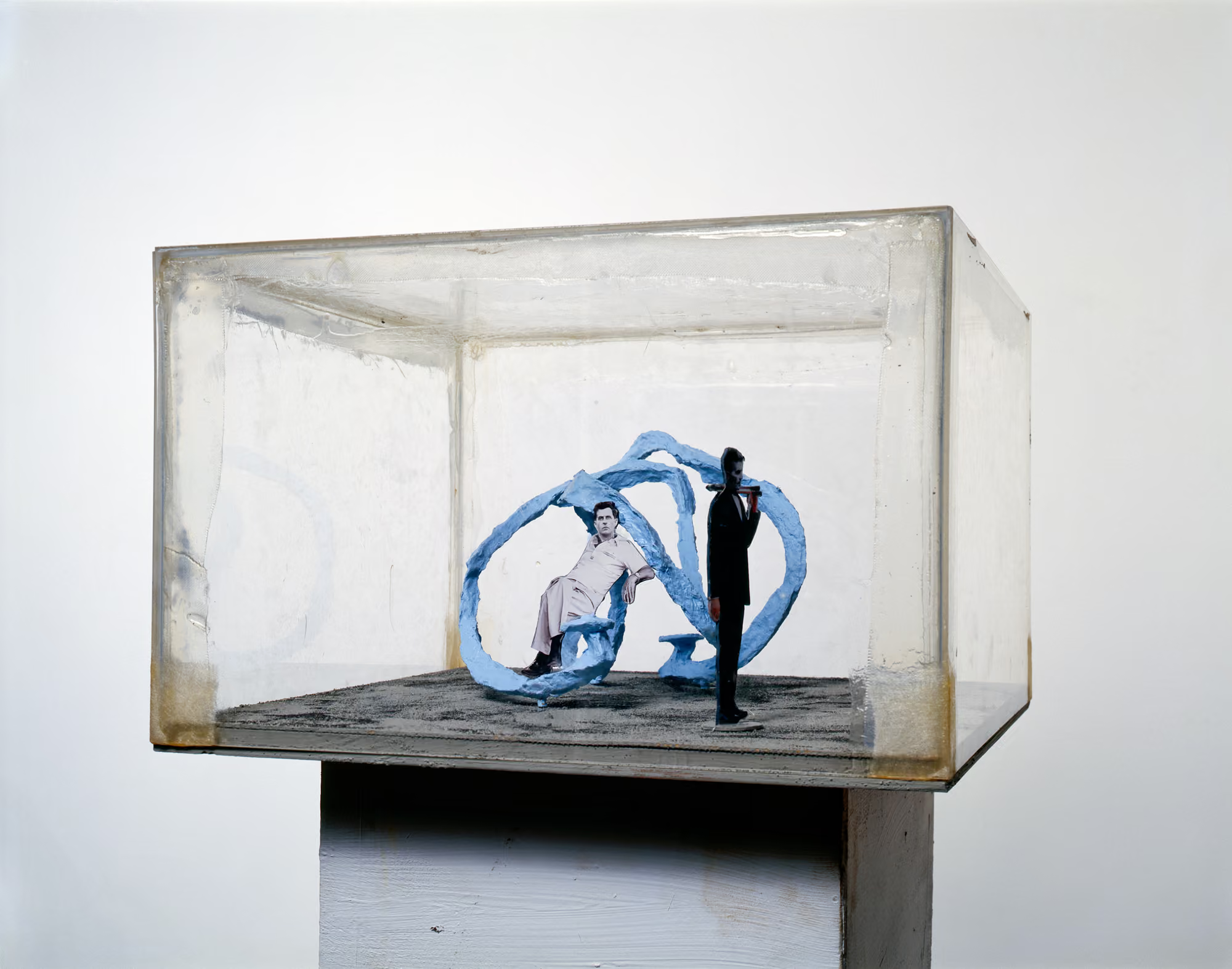
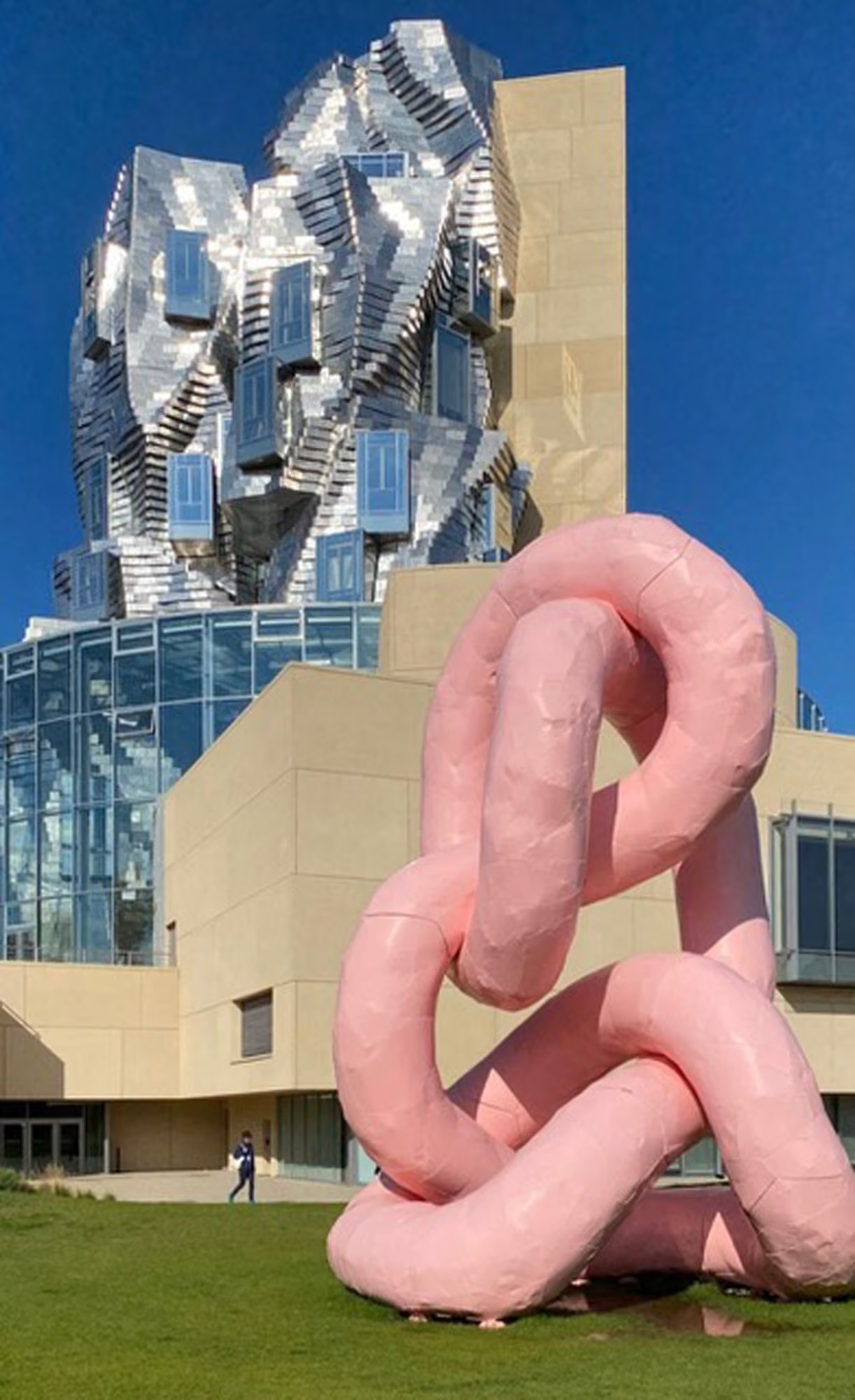
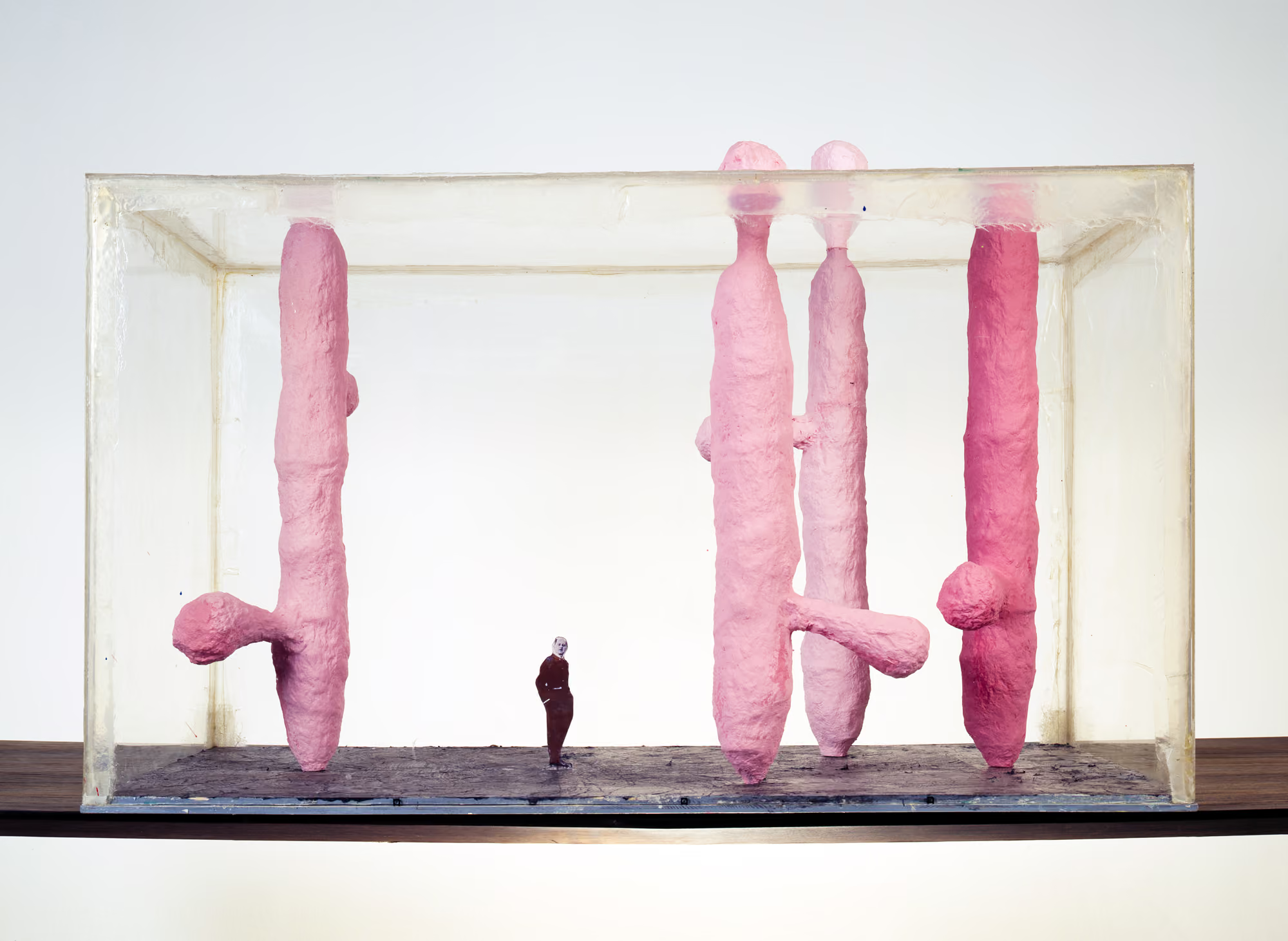
In 1987, using parts of his parents' washing machine, West created "Eo ipso", a metal seating sculpture: his first sculpture for outdoor spaces. It was not until the late 1990s that West began to implement this group of works intensively. Initially, the meter-high sculptures were welded from aluminum, largely based on 1:100 scale models. Later, a core of Styrofoam or paper-mâché was covered with fiberglass mats soaked in epoxy resin. Franz West attributed greater design flexibility to this technique.
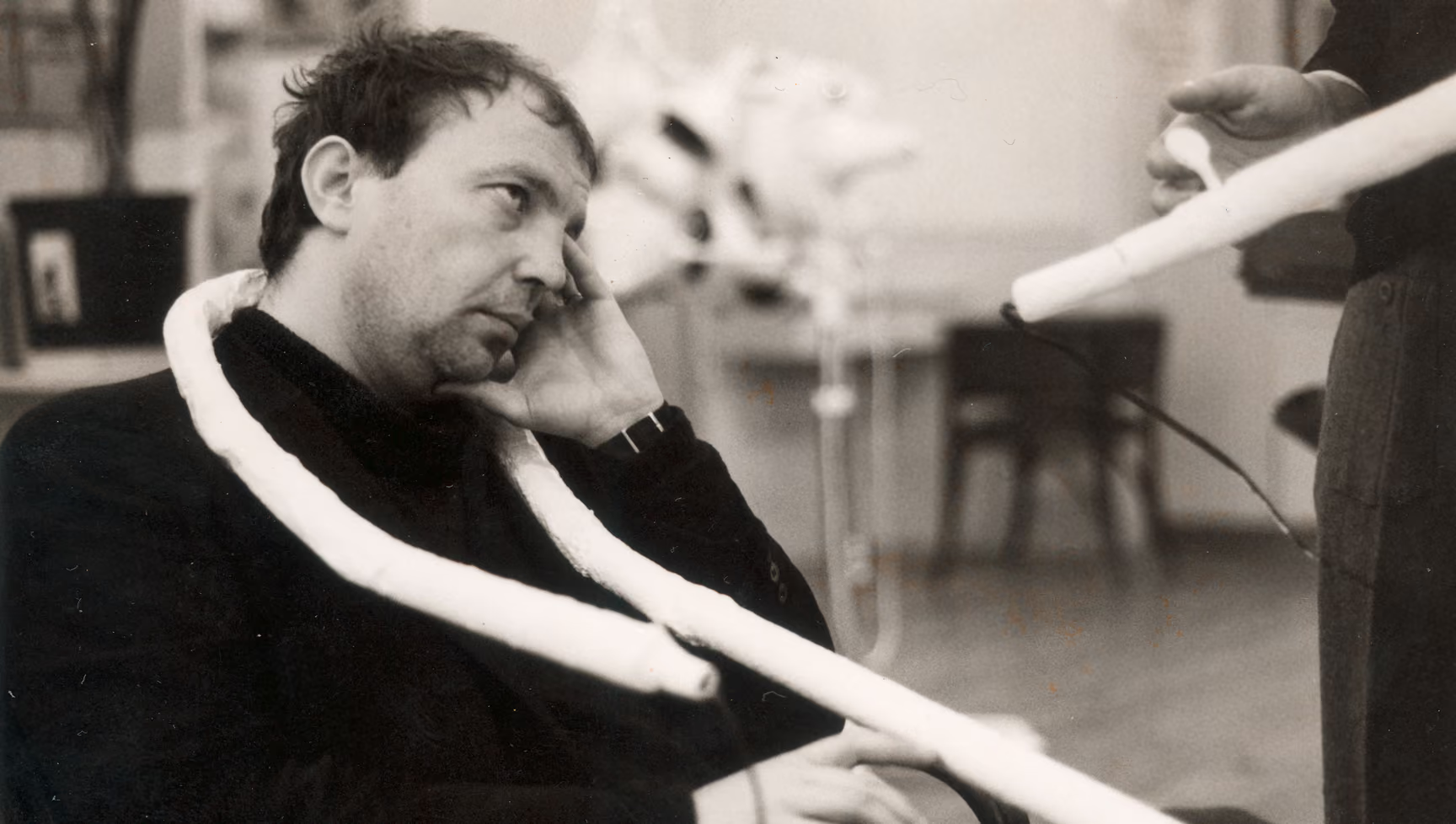
The Albertina Modern and the Wien Museum are dedicating two solo exhibitions to the artist, who would have turned eighty on February 16, 2027, both of which will open simultaneously. At the same time, the Atelier Franz West in Vienna’s 3rd district will open its doors, showcasing artworks by West and his contemporaries that the artist had arranged in his kitchen. This same kitchen served as the model for the so-called "Extroversion" parapavilion, which was installed at the 2011 Venice Biennale.
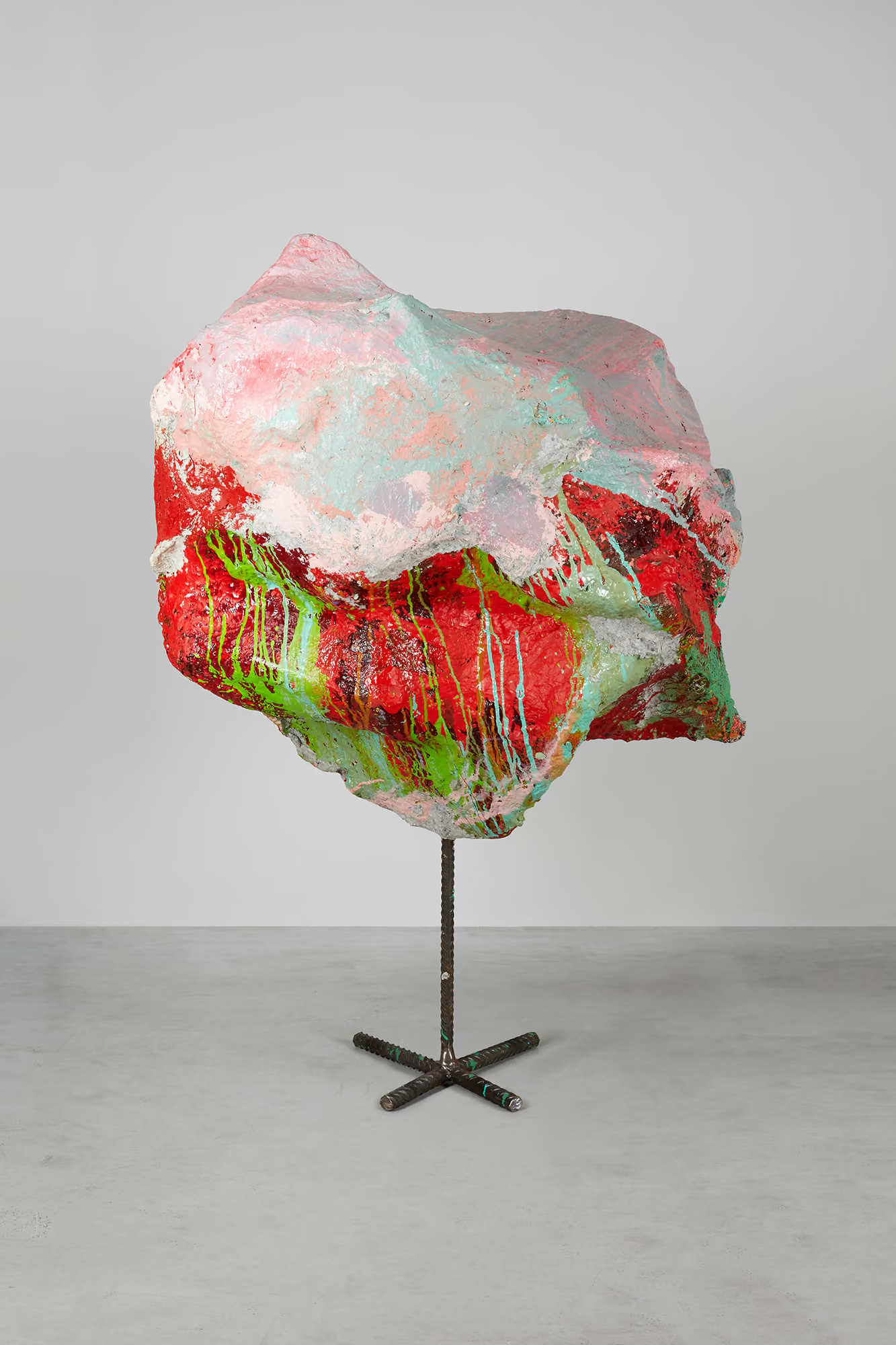
Paper-mâché, cardboard, steel, acrylic paint, gauze, lacquer
143 (H) x 100 x 87 cm
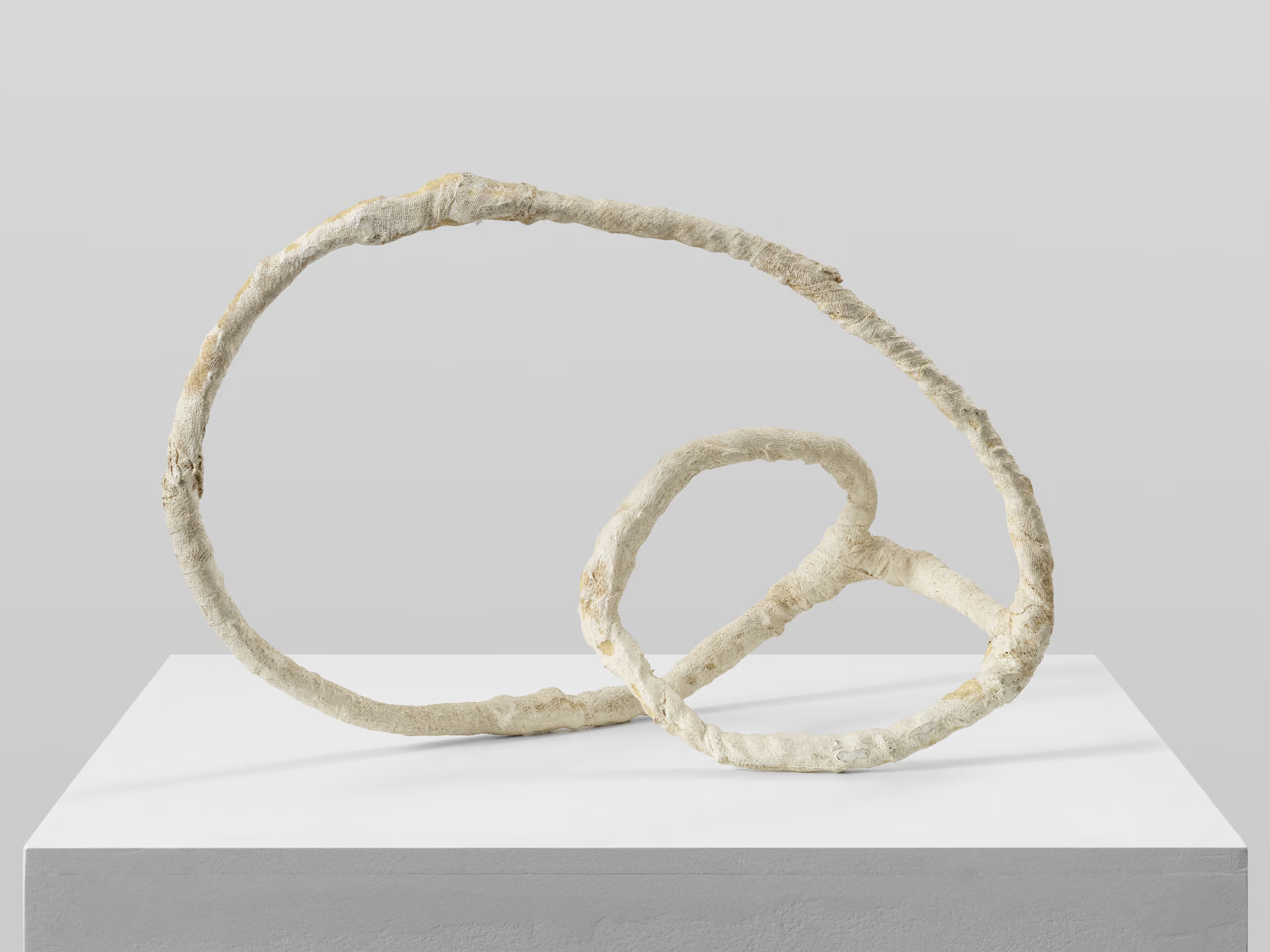
Franz West's body of work includes more than 800 paper-mâché sculptures. Short and long stands made of reinforcing steel, for example, alternate with those made from empty paint cans. Some sculptures, however, have landed directly on the floor like meteorites or hang from the ceiling.
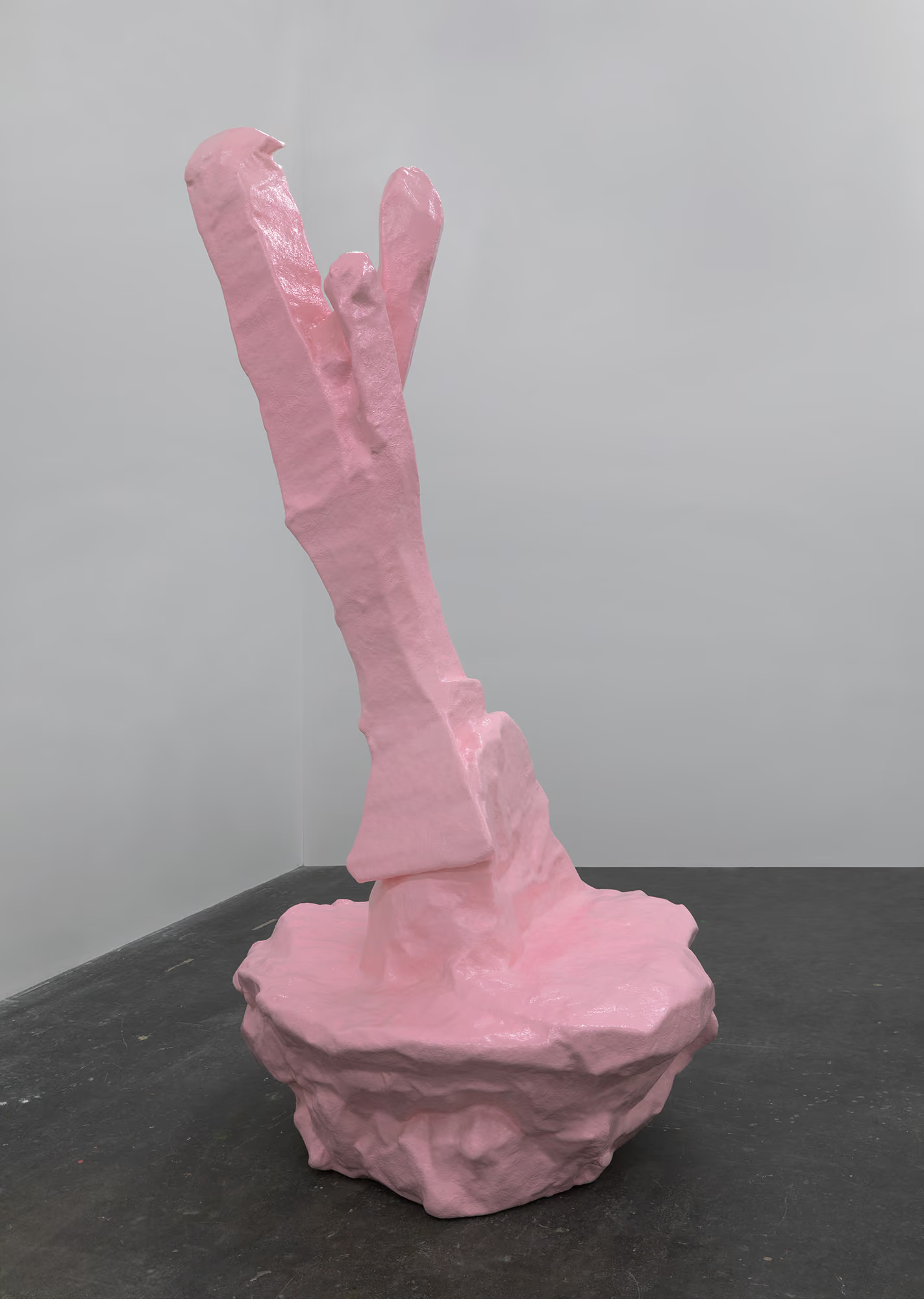
Styrofoam, epoxy resin, synthetic resin lacquer
290 (H) x 160 x 160 cm
Creating sculptures for outdoor spaces was already of interest to Franz West in the 1970s, which is why he began studying under Bruno Gironcoli, who worked with weather-resistant polyester—a material that is, however, hazardous to health. By the late 1990s, West’s engagement with outdoor spaces intensified, leading to the development of around 300 sculptures, primarily made of aluminum or epoxy resin, some of which are now accessible to the public.
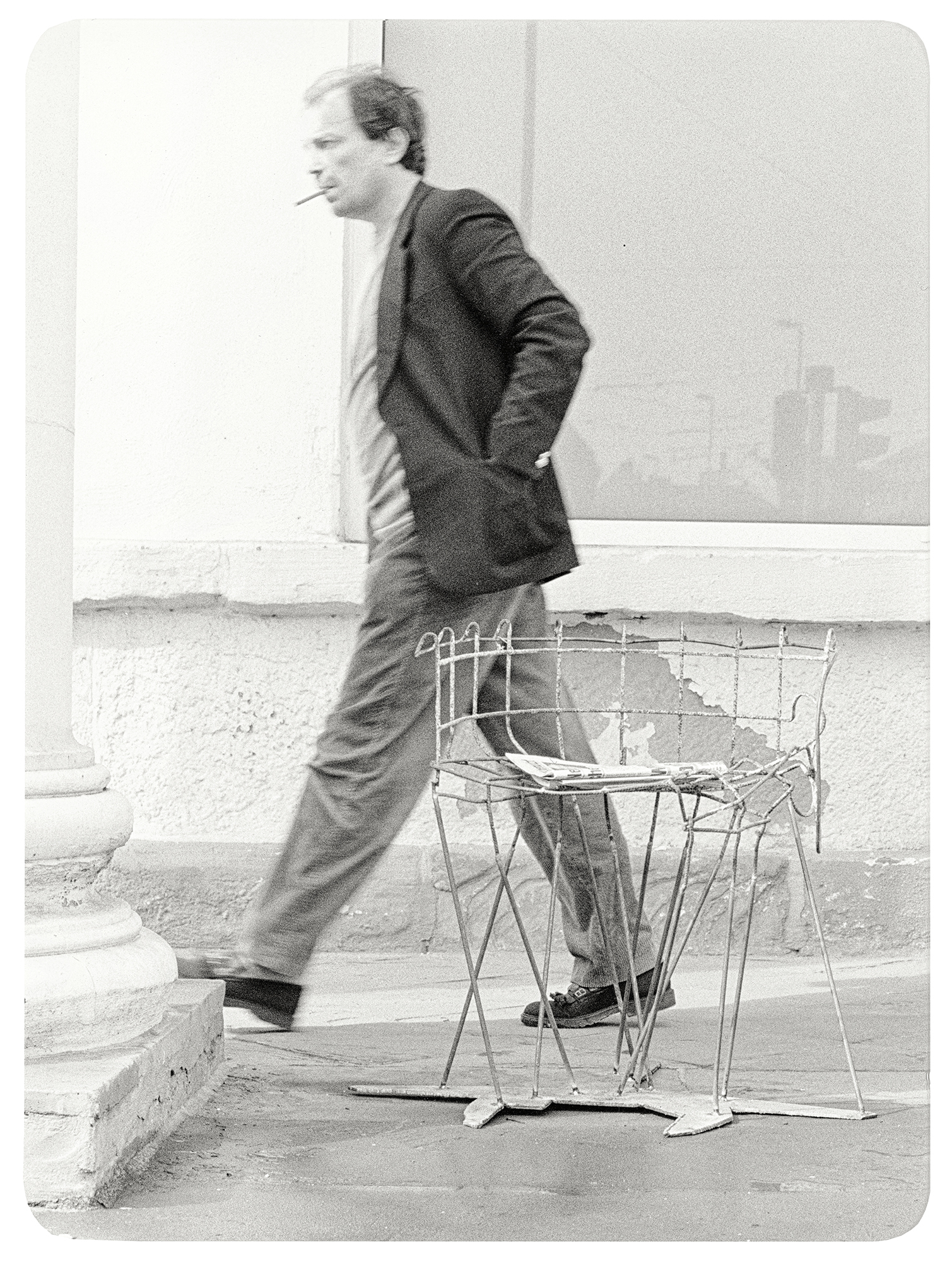
Edition of 25, published by Memphis for Meta Memphis, Milan
Steel
85 x 70 x 72.5 (H) cm
For Franz West, furniture sculptures are an extension of his famous Adaptives: a chair is, as it were, the imprint of a person when they are not walking, lying down, or standing.
Plaster, metal (shower head)
51 x 33 x 15 cm
In the 1970s, Franz West reinterpreted the traditional concept of sculpture: objects were meant to be used and, when adapted to the body, to gain an additional artistic dimension. The materials used are primarily plaster, gauze, and papier-mâché, which he combined with everyday items such as broomsticks, brushes, handles, or, in this case, a shower head.
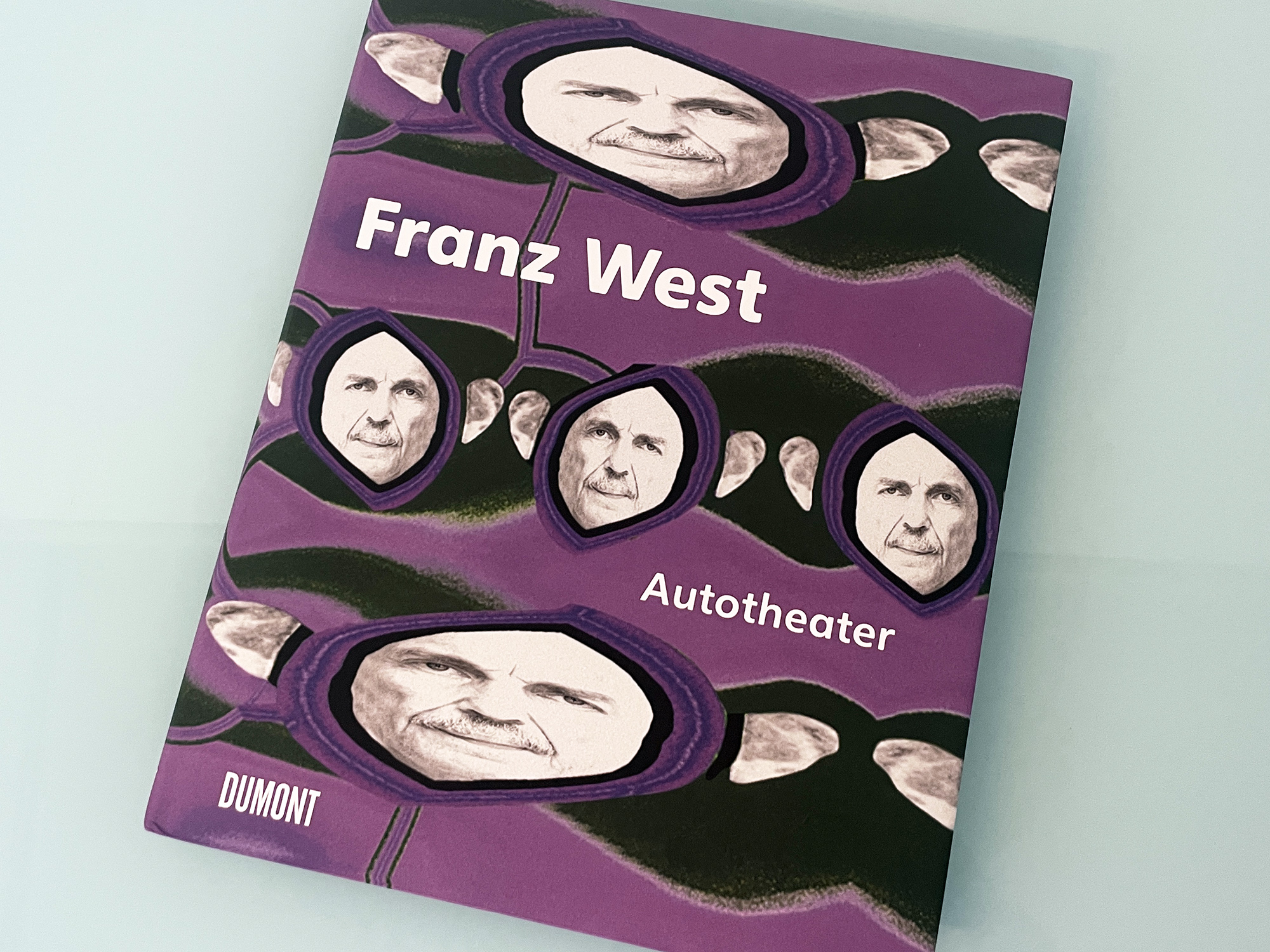
An extensive chronology of Franz West was published in the 2009 exhibition catalog for "Autotheater" at the Museum Ludwig in Cologne. The first part was originally written by Eva Badura-Triska for Franz West's first retrospective, "Proforma," at the Museum Moderner Kunst Stiftung Ludwig in the 20er Haus in Vienna. Andrea Überbacher-Kloiber expanded the biography for the catalog up to the year 2009.
This timeline provides an overview of selected milestones in the life and work of Franz West.
Edition: 3
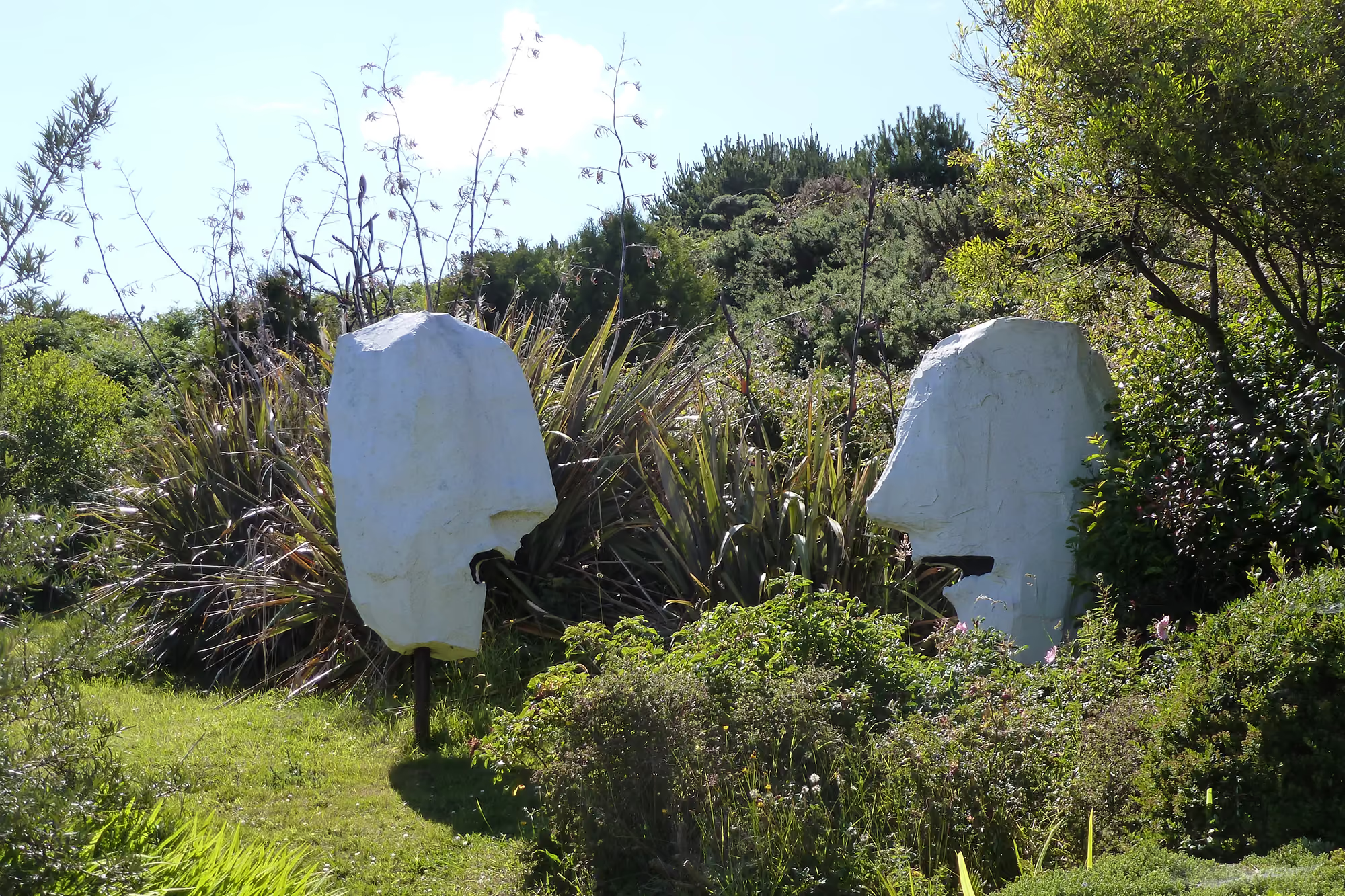
painted cast aluminum,
225 (H) x 115 x 64 cm
245 (H) x 130 x 80 cm
The Lemurs are an interpretation of the human figure. To the Romans, they were the souls of the departed; to Karl Kraus, they were metaphorical specters. In Franz West’s work, the heads often appear in pairs, usually welded from aluminum for outdoor display.