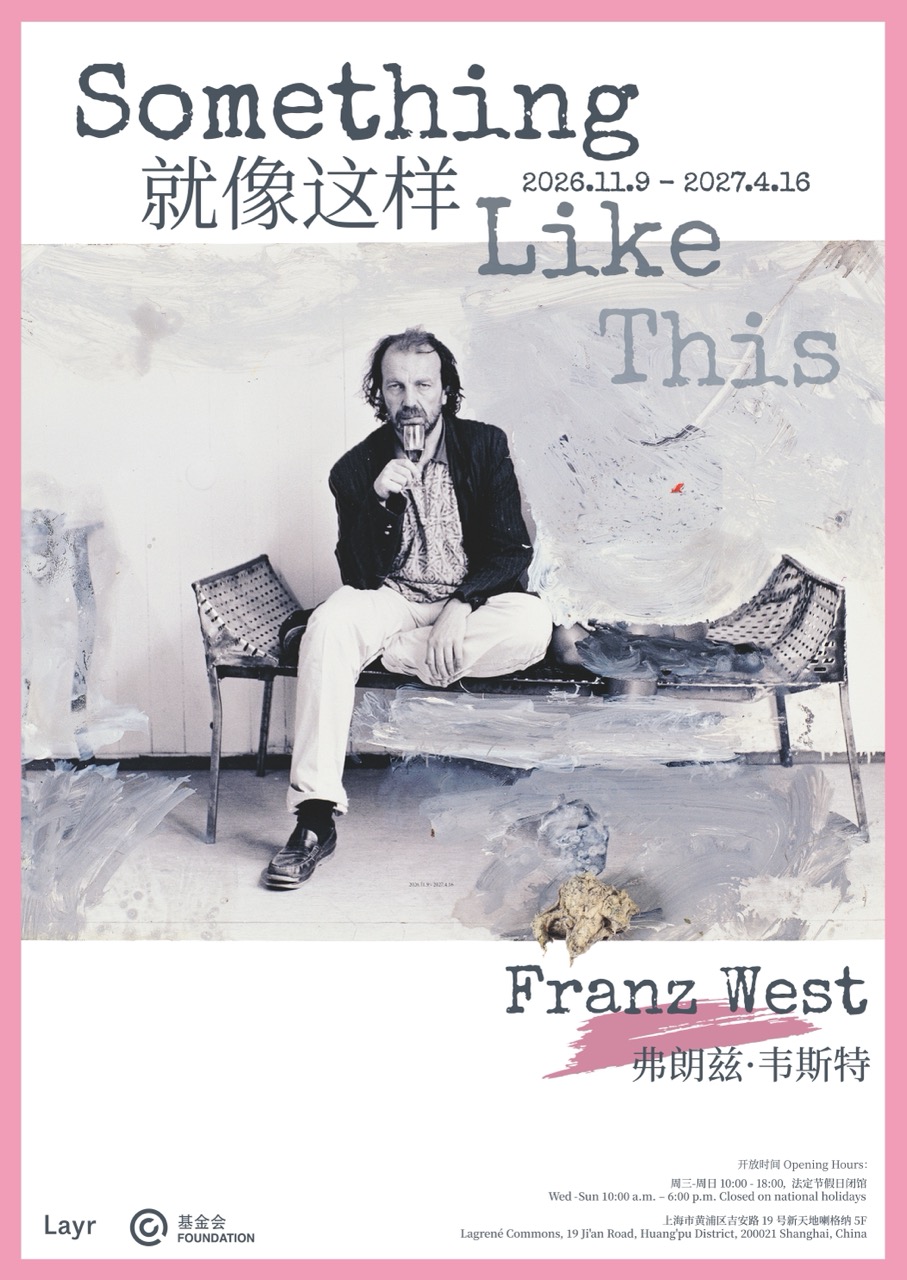
Franz West. Something Like This ist Franz Wests erste institutionelle Einzelausstellung in China. Die Ausstellung zeigt zentrale Werke aus der Franz West Privatstiftung und der Sammlung von Gaby und Wilhelm Schürmann. Sie wurde von Xiao Zong kuratiert und von der Franz West Privatstiftung sowie dem Archiv Franz West, Wien, unterstützt.
"A new chapter for Cc Foundation and Hol Platform begins at Lagrené Commons, Shanghai, a new cultural destination developed by XINTIANDI and jointly operated by David Chau and Xu Zhen. On November 9, Cc Foundation inaugurated its new space with five solo exhibitions by Franz West, 汪建伟 Wang Jianwei, 尉洪磊 Yu Honglei, Melike Kara, and 王行云 Wang Xingyun."
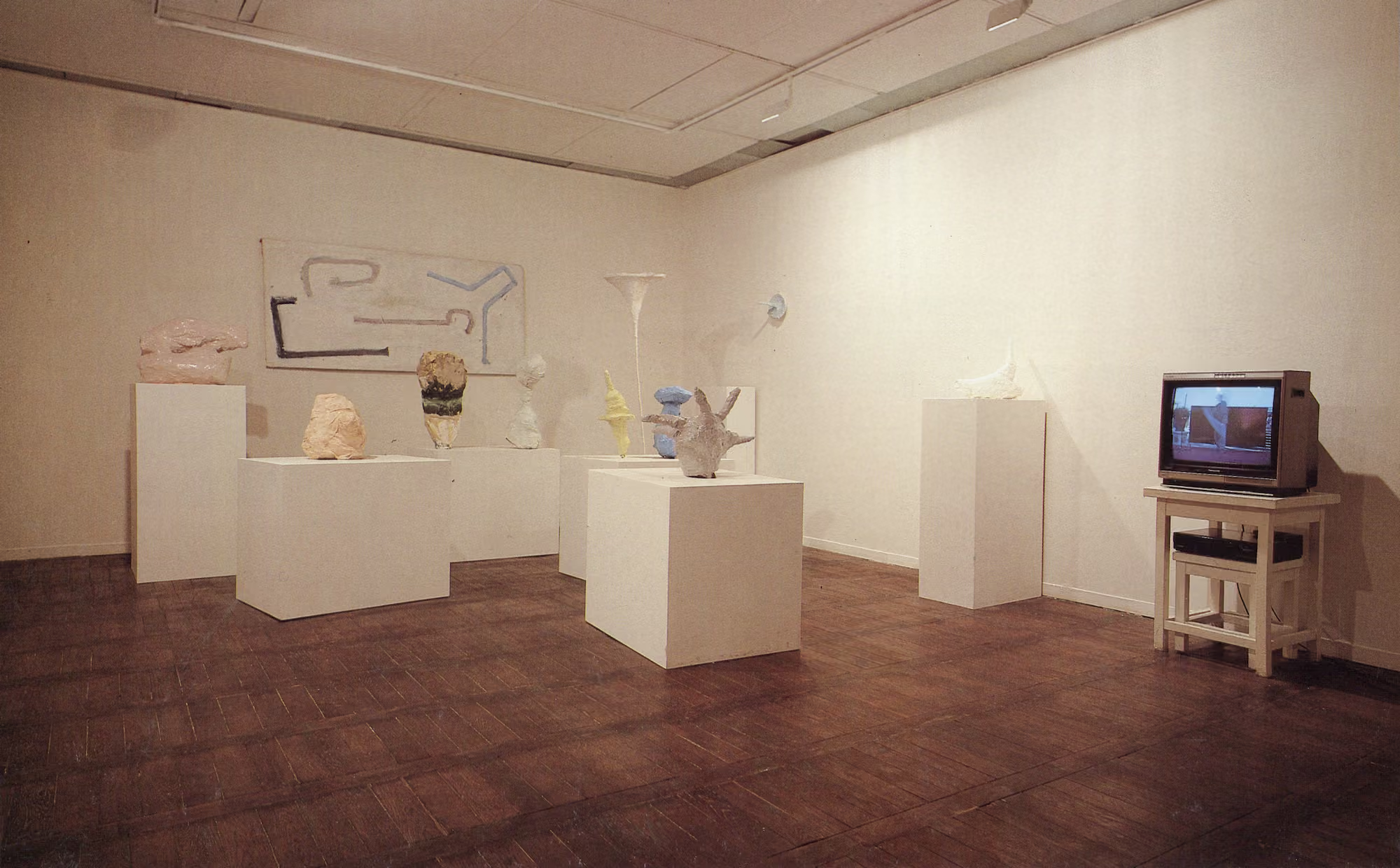
The inaugural exhibition at David Zwirner in New York in 1993 was titled "Investigations of American Art". The titles of several works reference this theme: "Pan Am Building", "Statue of Liberty", and "American".
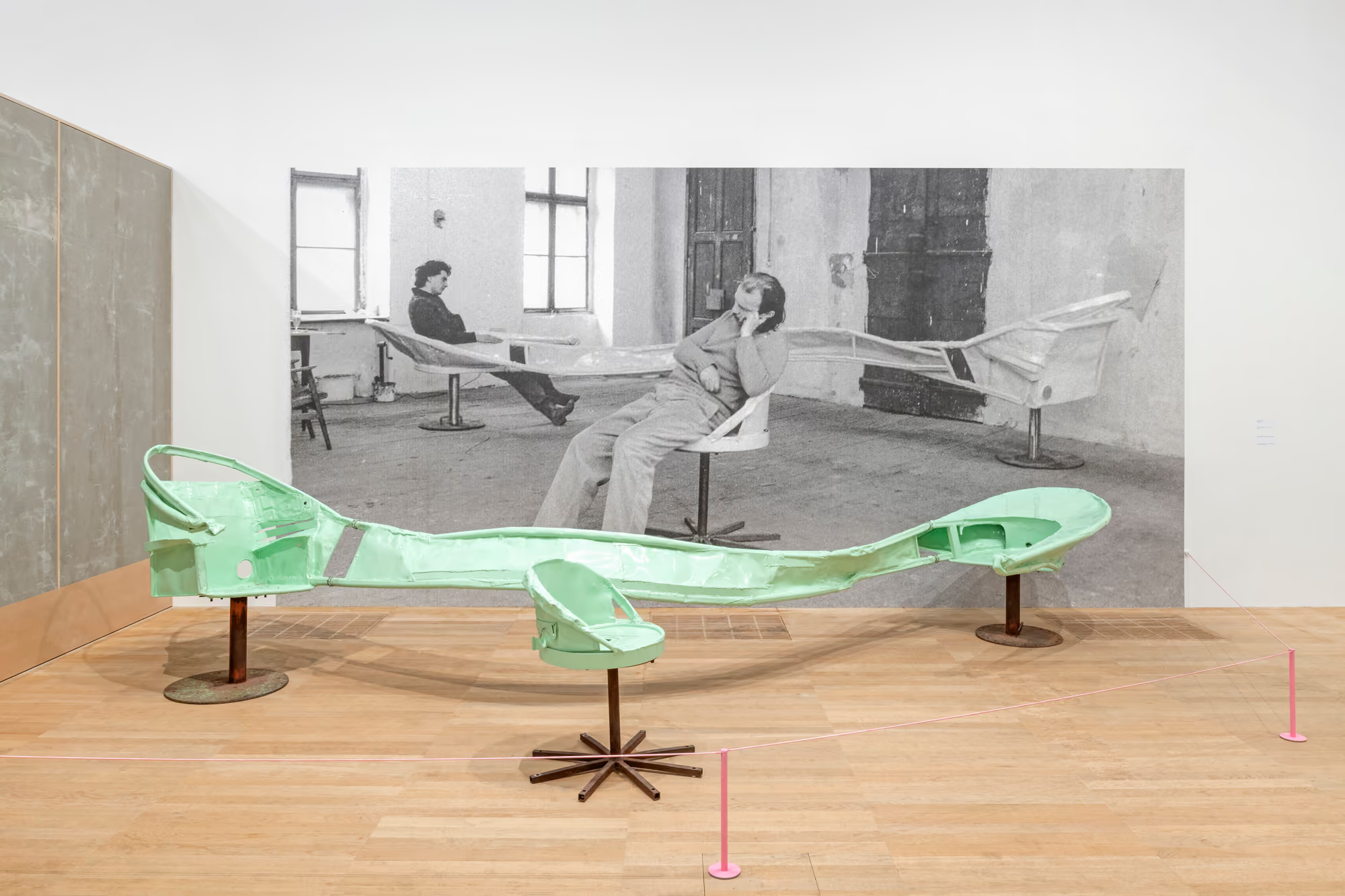
"Eo ipso", 1987
Painted iron
two parts: 118 x 546 x 115 cm, 83 x 57 x 52 cm
The outdoor sculpture "Eo ipso" from 1987 at the "Franz West" retrospective at Tate Modern, London, 2019. Per the owner's instructions, the sculpture may no longer be displayed outdoors.
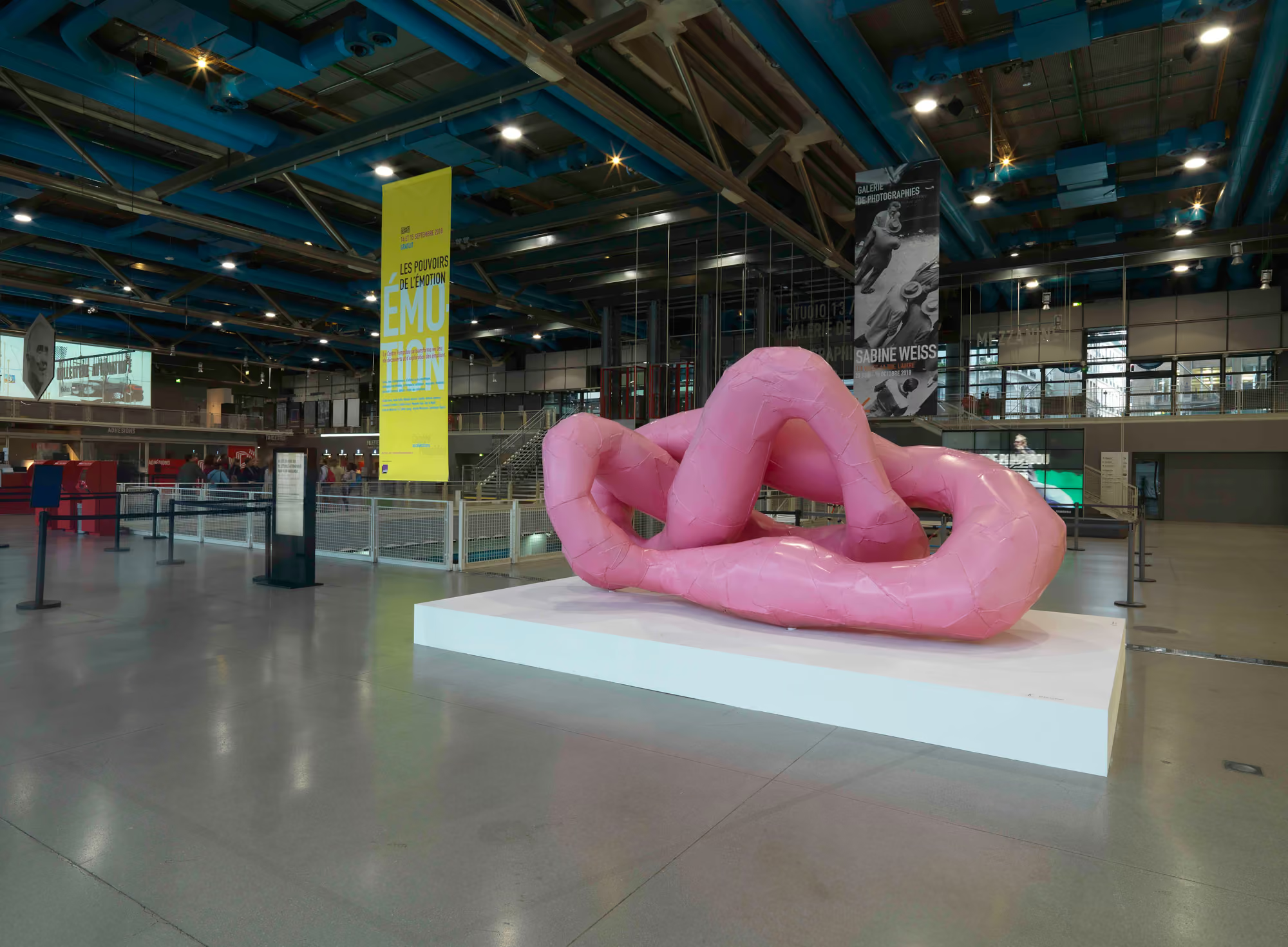
"Rrose/Drama", 2001
Painted aluminium
210 x 240 x 540 cm
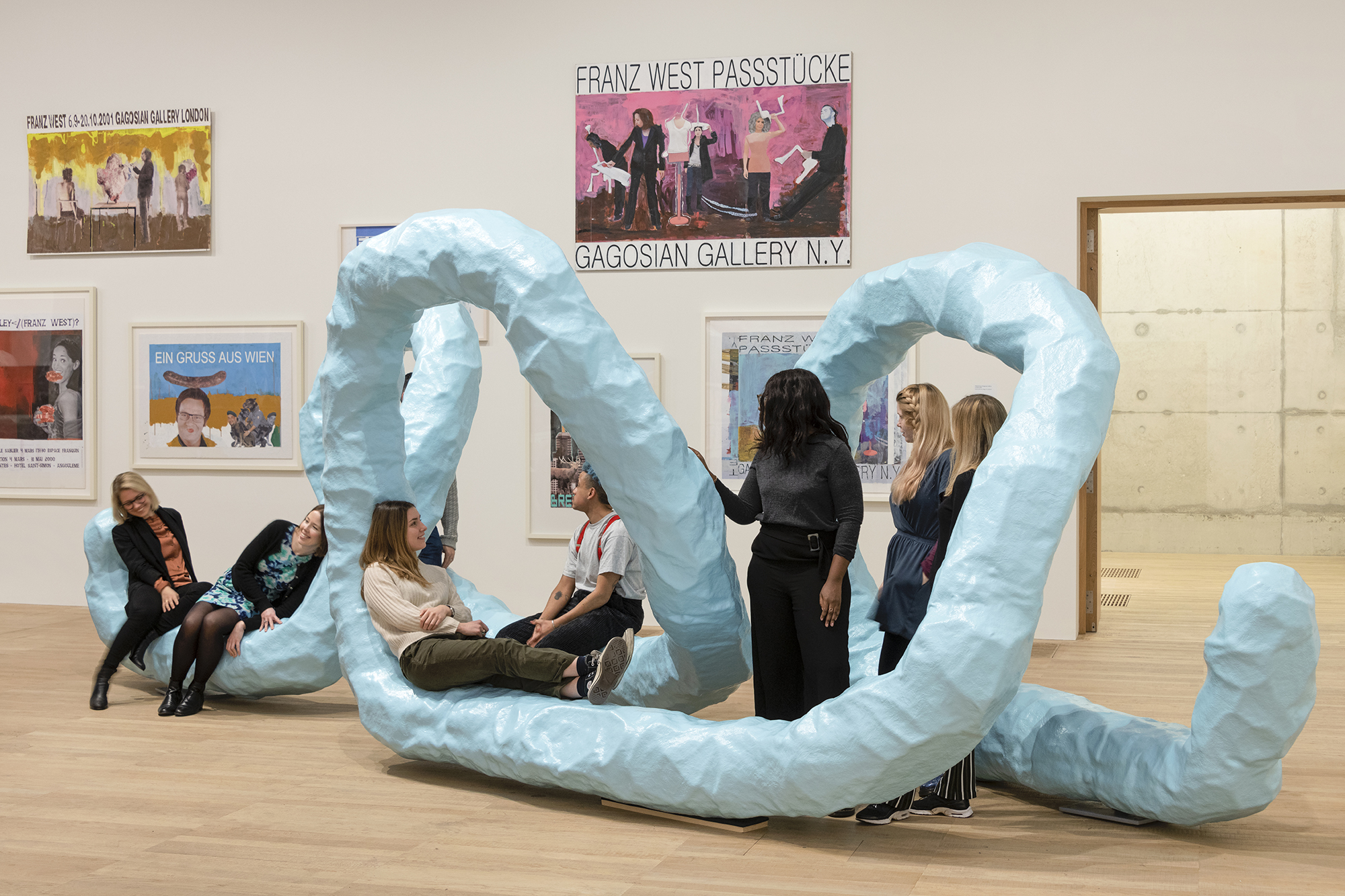
According to Franz West, the work represents an intestinal tract that could never empty itself because it has no opening. Hence the reference to "drama." The photo shows the sculpture in 2018 at the "Franz West" retrospective at the Centre Pompidou in Paris.
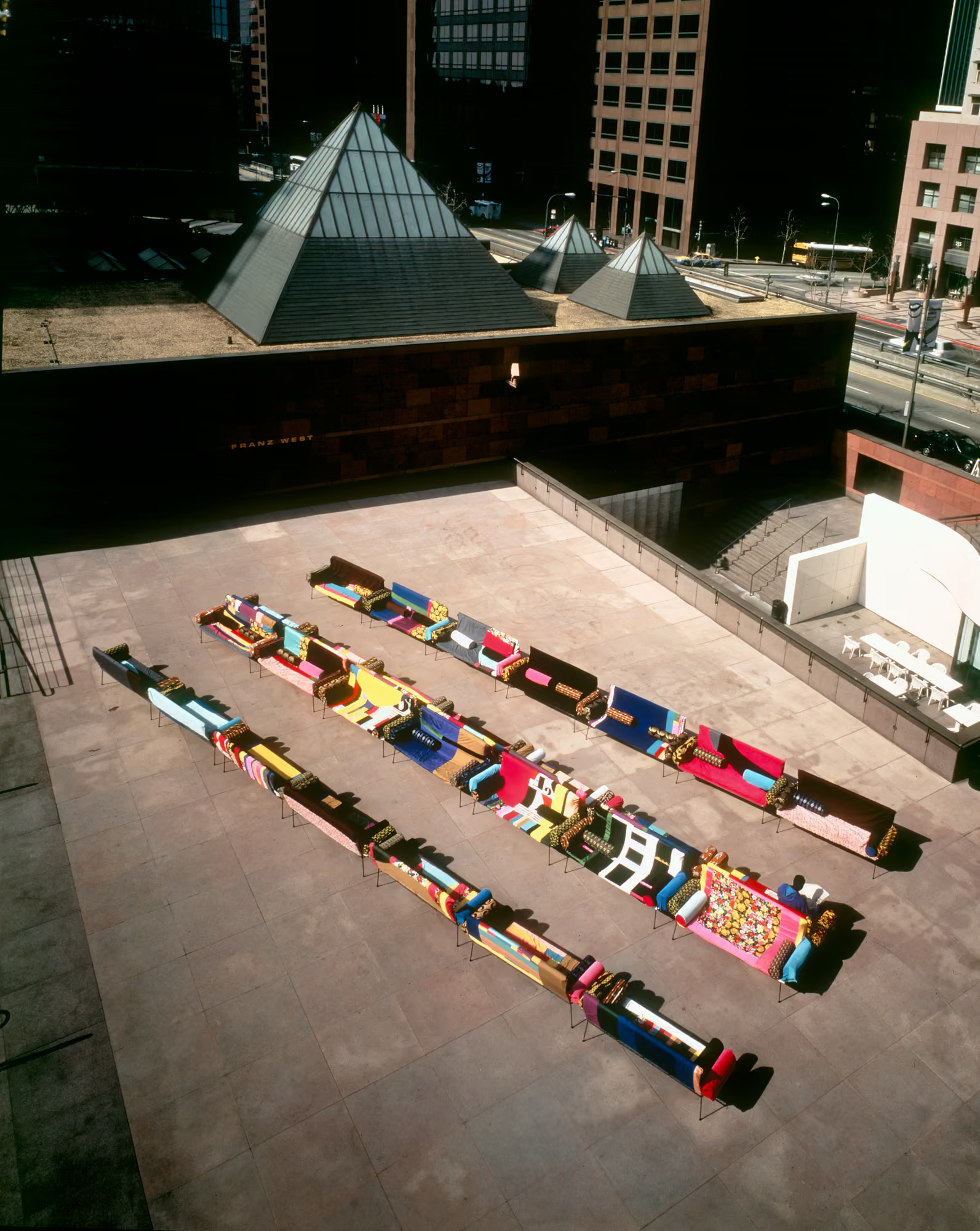
In 1994, under the title "Test", Franz West placed 28 divans with colorful covers by Gilbert Bretterbauer on the plaza in front of the Museum of Contemporary Art in Los Angeles.
"Test is the synthesis of three influences: 1. an exhibition by Chris Burden, in which the artist spent the entire duration of the exhibition in a protected space above the exhibition entrance; 2. Joseph Beuys' thesis that 'everyone is an artist'; and 3. my collaboration at documenta titled Auditorium."
"Take a seat and stay as long as you like. Ideally, of course, you would stay for the entire duration of the exhibition. The covers were designed and produced by Gilbert Bretterbauer. Together, the 28 divans form a composition that would be visible from an imaginary point above the plaza. If you would like to lie down, please remove your shoes to protect the artwork." (Text from the invitation card)
Subsequently, the same divans were exhibited on the roof of the Dia Center for the Arts in New York, this time with black-and-white covers—again by Gilbert Bretterbauer. The installation was titled "Rest" here.
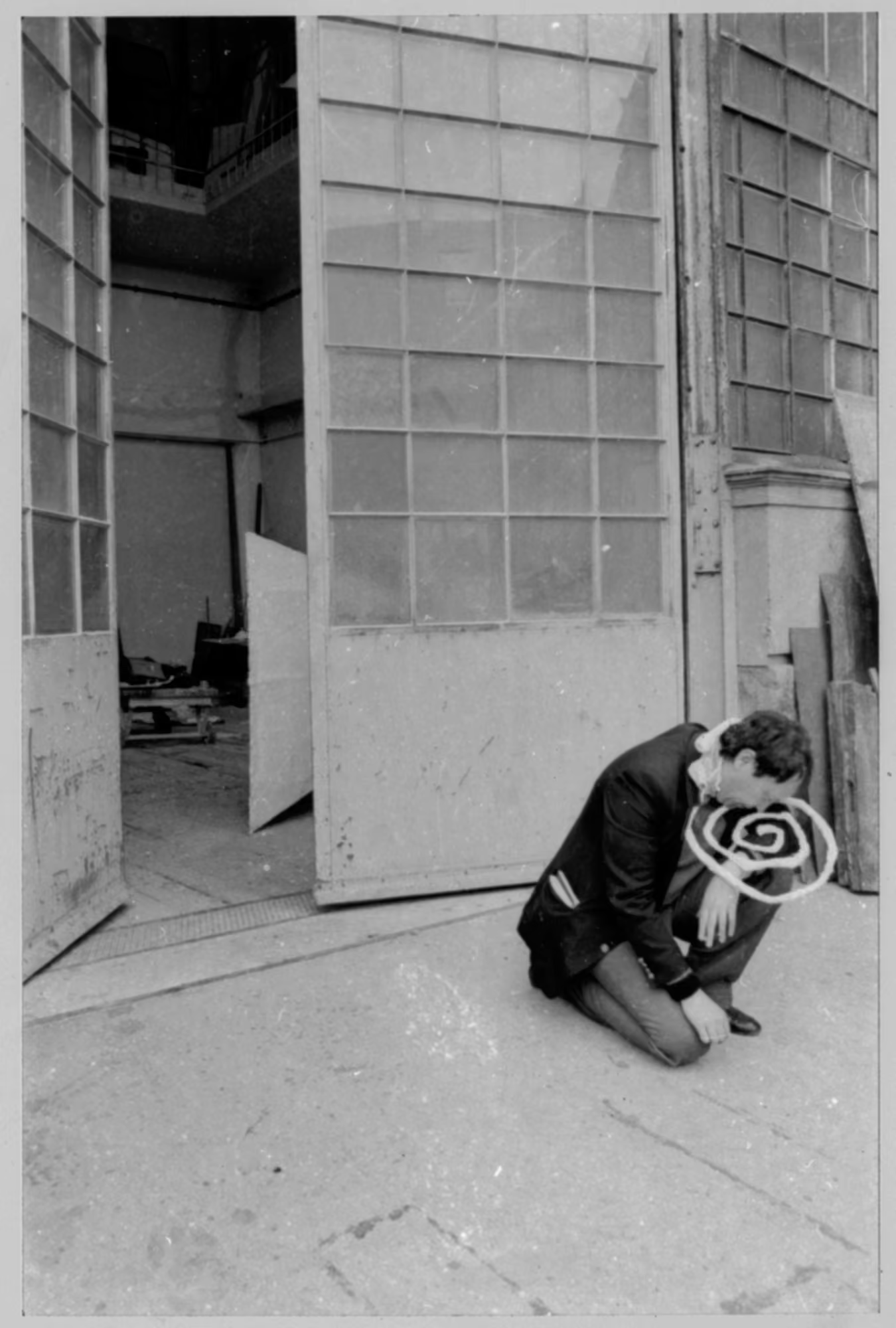
Franz West with one of his Adaptives in 1983 in front of the Academy of Fine Arts building in the Vienna Prater. Behind the metal gates were the studios of Bruno Gironcoli's class. Franz West used the space as a studio from 1978 until approximately 1982/83.
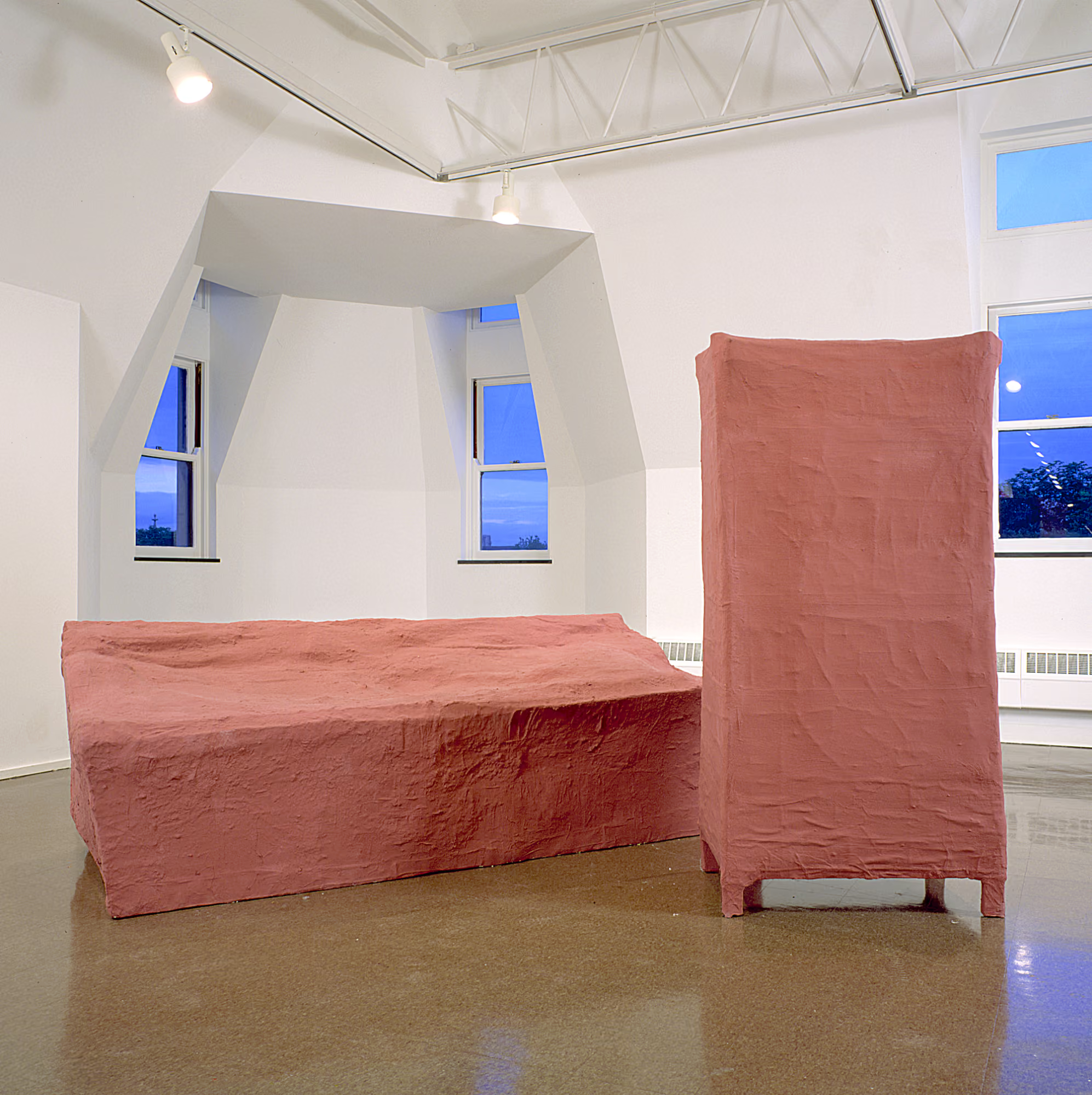
“Aberration”, 1990
Wood, plastic, emulsion paint
Box: 160 x 80 x 58 cm
Table: 100 x 79 x 226 cm
The two-part sculpture “Aberration” (1990) at the Renaissance Society in Chicago, an exhibition that also featured works by Austrian artists Herbert Brandl and Otto Zitko.
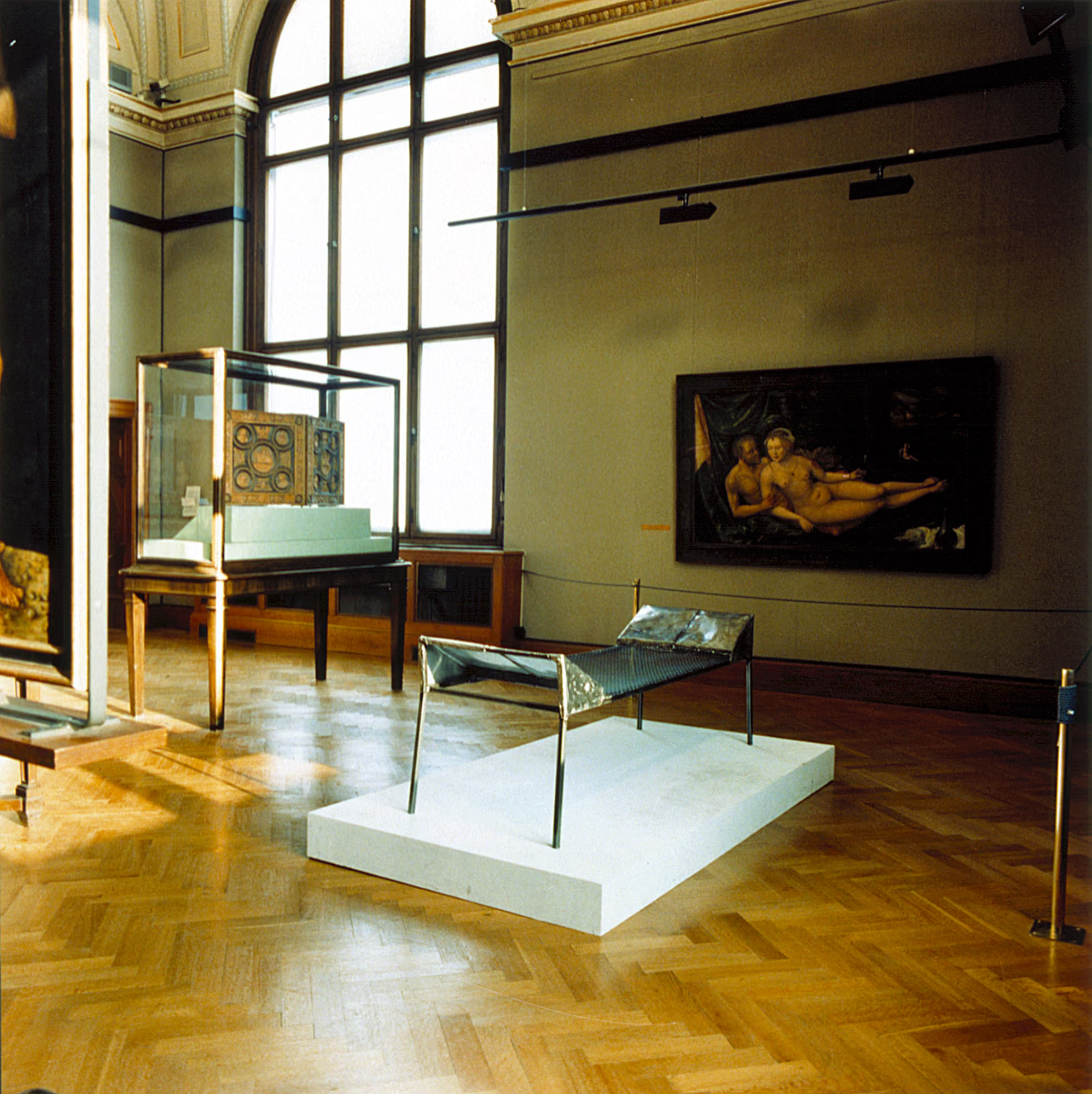
The 1989 Franz West exhibition at the Kunsthistorisches Museum was the first to feature a living artist. Fifteen pieces of furniture for sitting and lying down were positioned in front of famous paintings from art history, and visitors were encouraged to use them: lying down or sitting becomes part of the work itself.
"The perception of art takes place through the pressure points created while reclining."
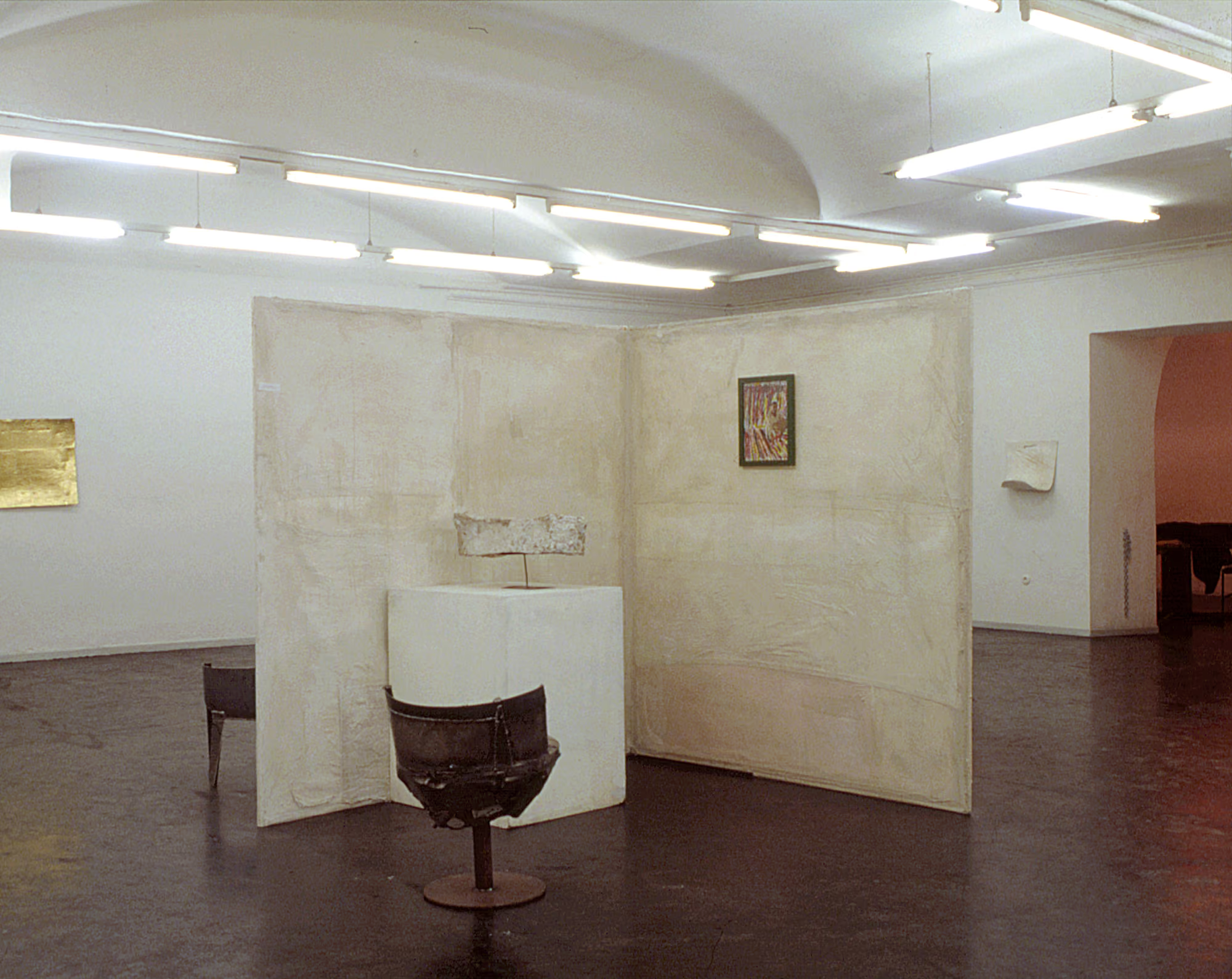
The installation Wegener rooms was exhibited in 1988 at the Peter Pakesch Gallery at Ballgasse 6 in Vienna. The four constructed rooms are each furnished with a seat, a sculpture on a pedestal, and a framed collage.
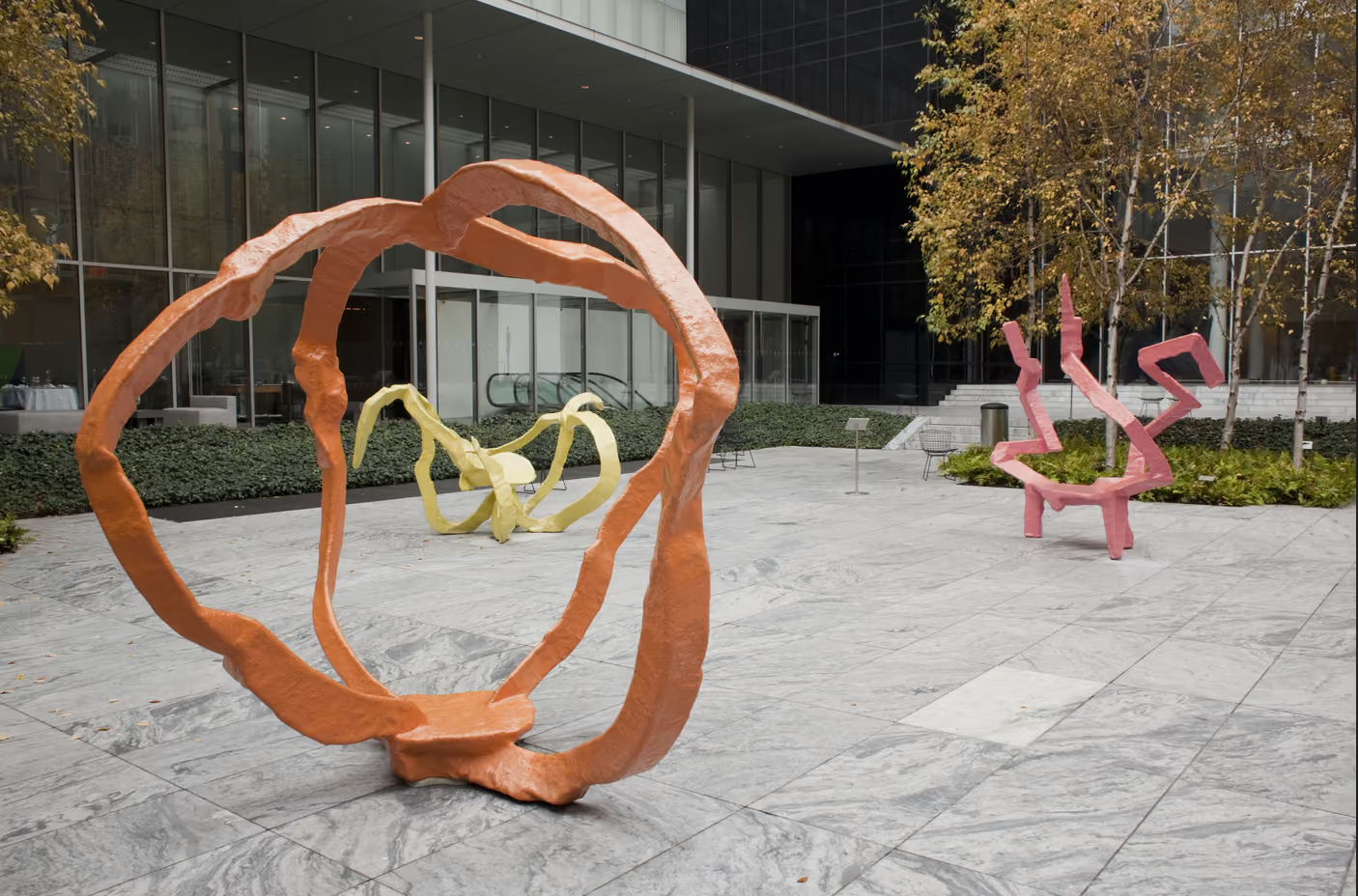
"Lotus", 2006
Epoxy resin
166 (H) x 210 x 290 cm
"Maya’s Dream", 2006
Epoxy resin, synthetic resin lacquer, concrete
250 (H) x 260 x 180 cm
Untitled, 2006
Epoxy resin
230 (H) x 305 x 280 cm
In the summer of 2009, modern and contemporary sculptures from the collection were installed in The Abby Aldrich Rockefeller Sculpture Garden at the MoMA – Museum of Modern Art in New York. Alongside works by artists including Claes Oldenburg and Alexander Calder, three outdoor sculptures by Franz West were on display: "Lotus", "Maya's Dream", and one Untitled piece.
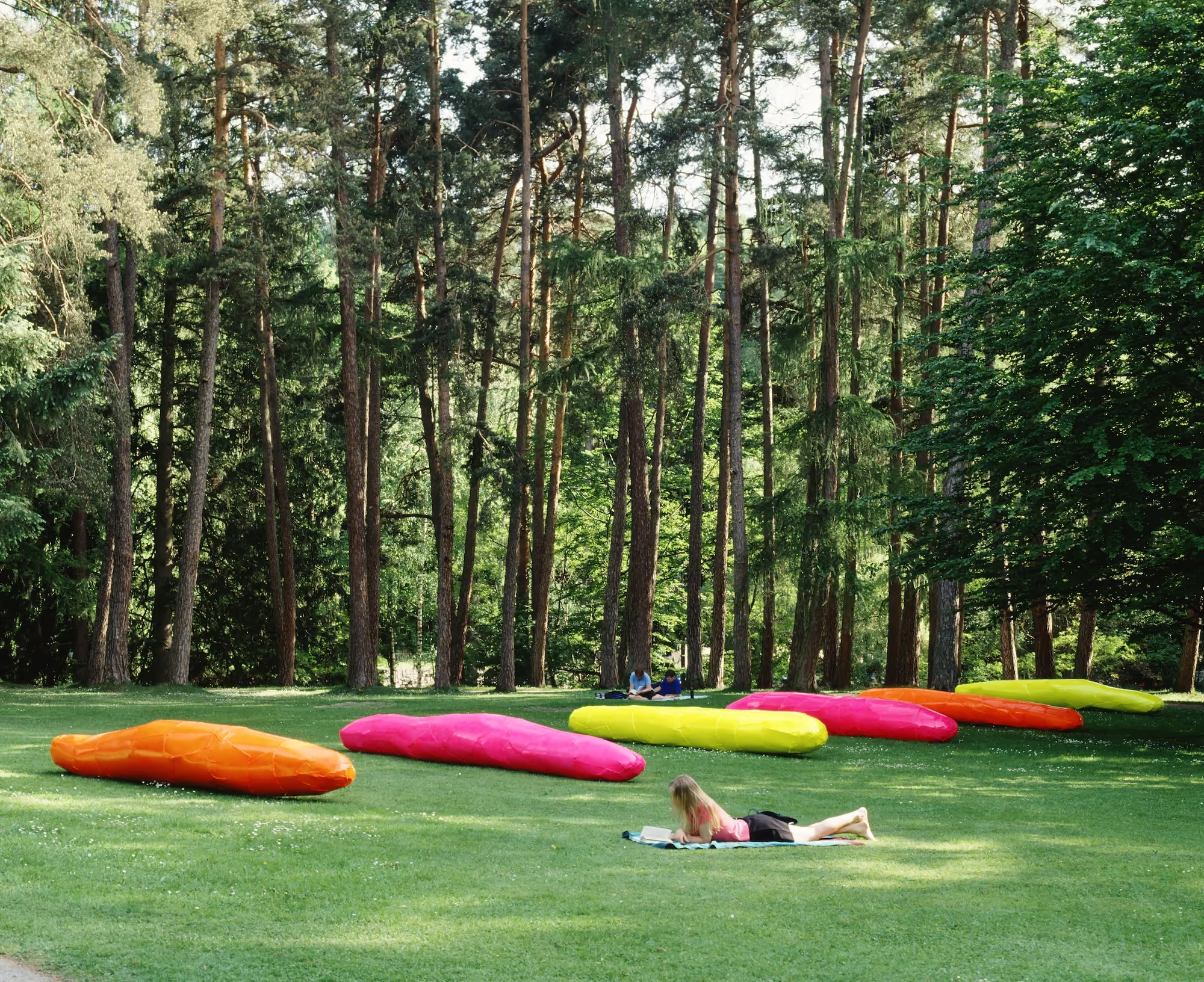
The colorful "Sitzwuste" are seating sculptures made of painted aluminum, measuring up to 7 meters in length. They were first exhibited in the park of Ambras Castle in Innsbruck in 2000.
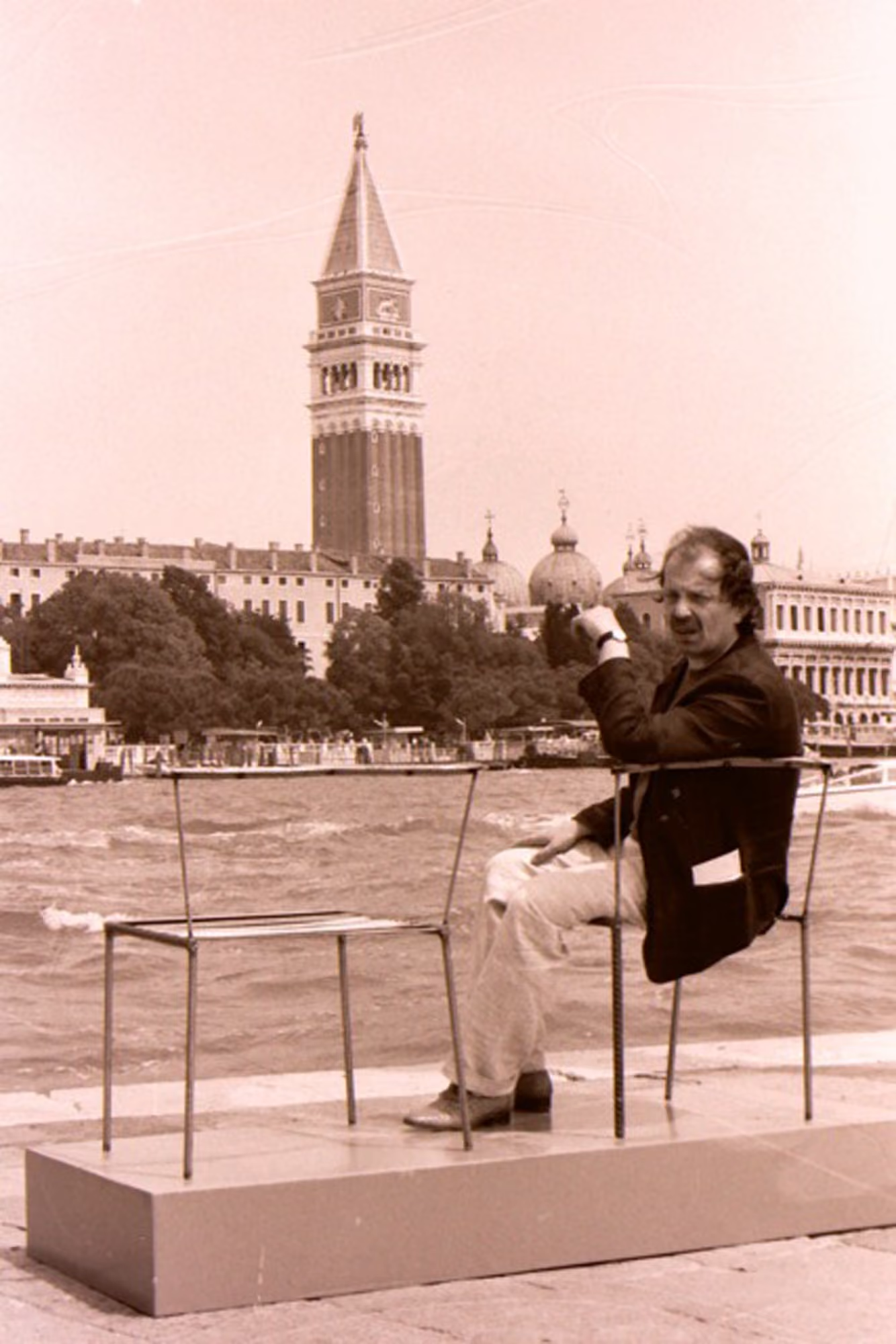
During the 1990 Venice Biennale, Franz West placed several metal chairs and chaises on pedestals at the Punta della Dogana on the Grand Canal, in front of Santa Maria della Salute. Over the course of the summer, these were vandalized by users.
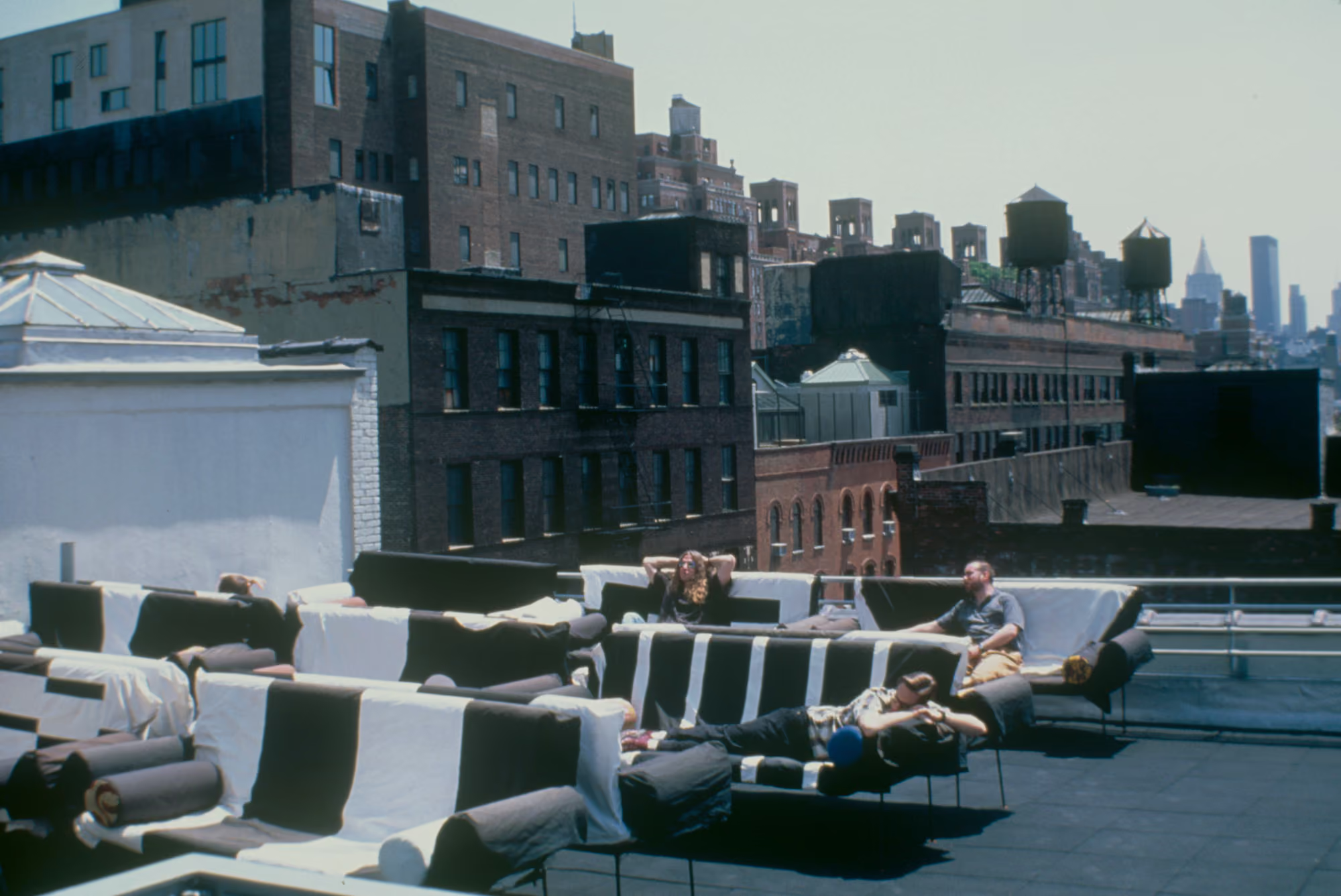
In 1994, under the title "Test", Franz West placed 28 divans with colorful covers by Gilbert Bretterbauer on the platform in front of the Museum of Contemporary Art in Los Angeles. Subsequently, the same divans were exhibited on the roof of the Dia Center for the Arts in New York, this time with black-and-white covers – again by Gilbert Bretterbauer. In this case the installation was titled "Rest".
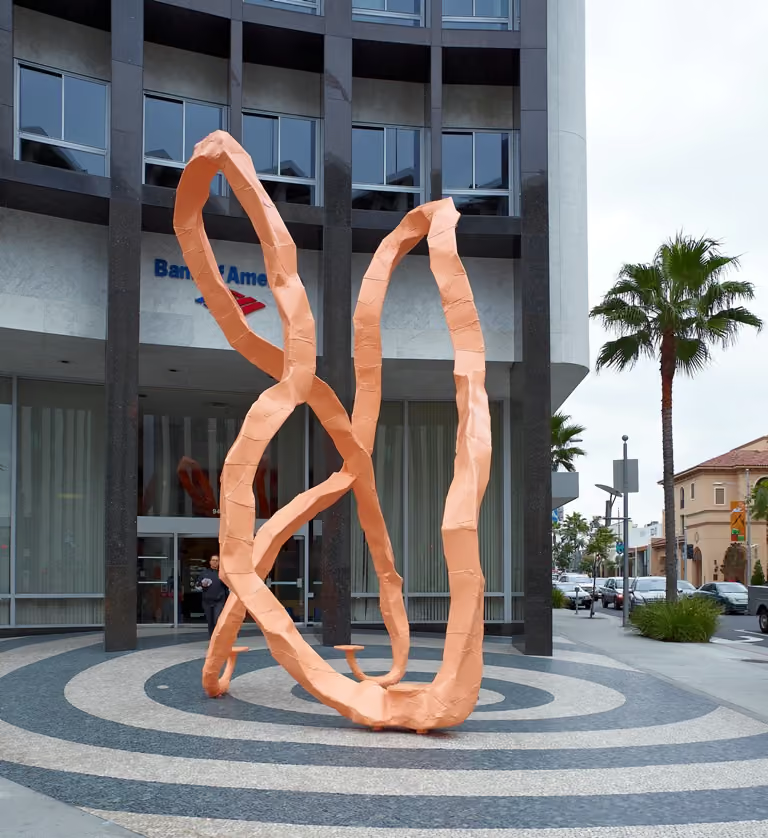
The Unconscious, 2010
Aluminum, polyurethane lacquer
615 (H) x 370 x 310 cm
The term of the unconscious was coined by Sigmund Freud in his psychoanalysis and describes mental areas that are not directly accessible to conscious thought, yet significantly influence it. Franz West was interested in Freud and wrote in the context of this sculpture: "The unconscious manifests itself [...]." Perhaps passersby have this experience when they take a seat on the 6-meter-high sculpture.
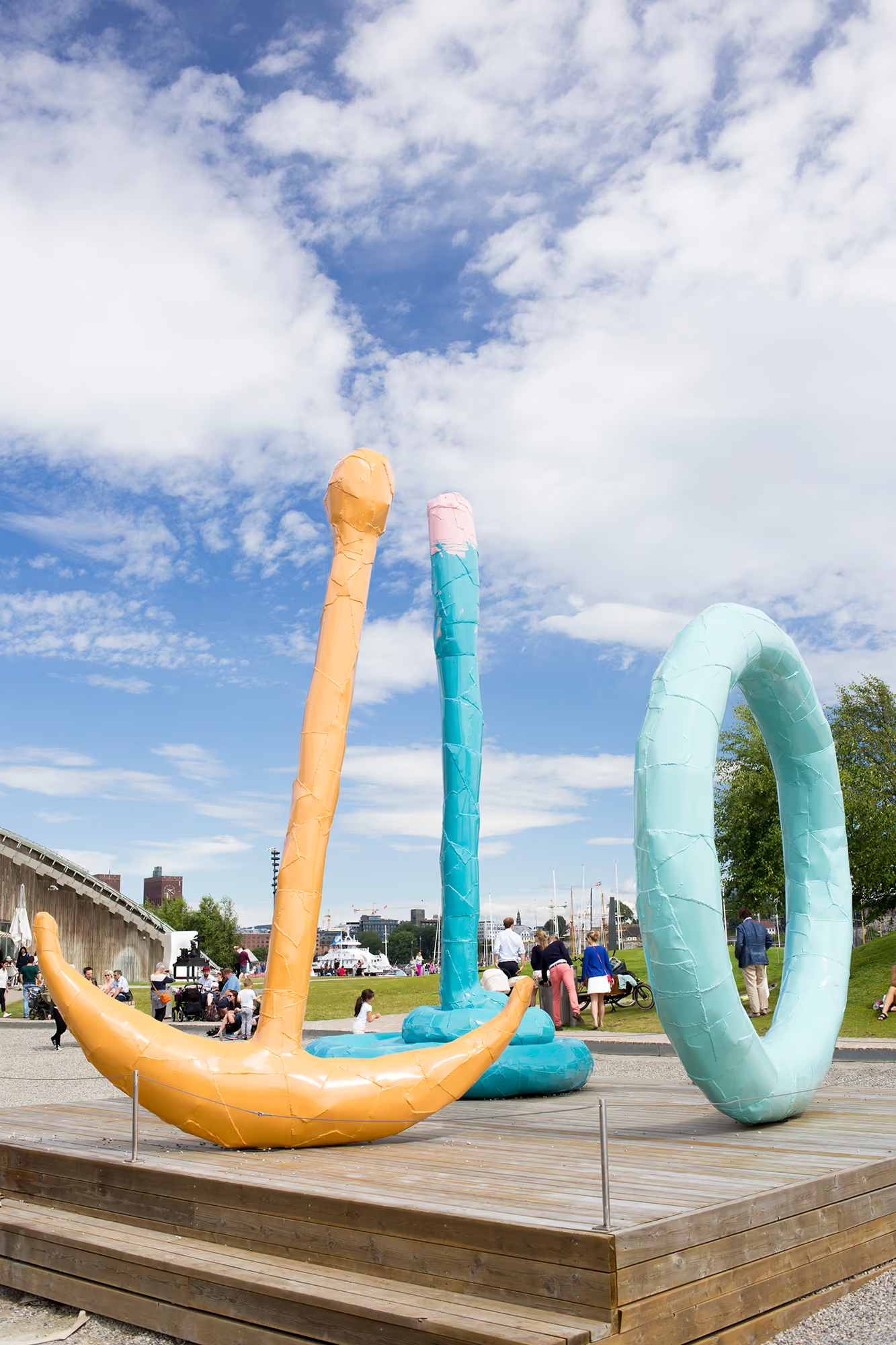
"Spalt", 2003
Painted aluminium
"Anker": 355 x 55 x 500 cm, "Seil": 290 x 290 x 600 cm, "Rettungsring": 400 x 55 x 400 cm
The three-part outdoor sculpture "Spalt" is located in Tjuvholmen Sculpture Park in Oslo, right at the tip of the peninsula near the Astrup Fearnley Museum. The work is part of a collection of contemporary outdoor art and consists of "Anker", "Seil", and "Rettungsring".
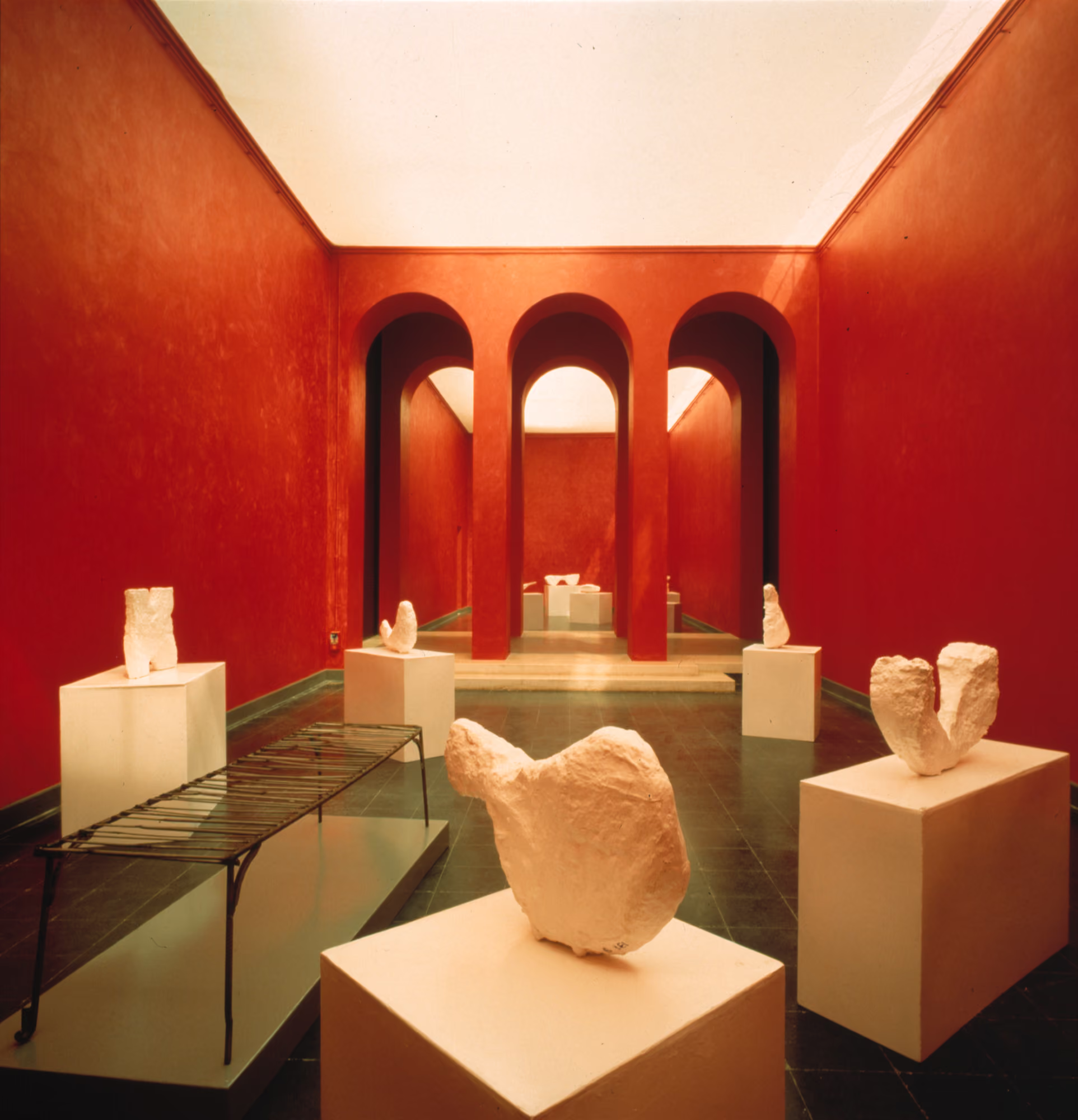
Venice Biennale, Austrian Pavilion 1990
Franz West represented Austria at the Venice Biennale in 1990. The walls of the pavilion were painted an intense red, creating a stark contrast with the white, aluminum-cast Adaptives displayed on white pedestals.

Untitled, 2012
Epoxy resin, metal
3.8 (H) m x D 1.2 m (violet)
3.5 (H) m x D 1.2 m (green)
2.9 (H) m x D 1.3 m (yellow)
2.8 (H) m x D 1 m (pink)
2.5 (H) m x D 0.9 m (dark green)
Franz West had models made for his outdoor sculptures to visualize his ideas and serve as a guide for his assistants during production. This sculpture group was realized posthumously at a 1:100 scale based on the original model and is located at Esteplatz in Vienna's 3rd district, in front of Franz West's former studio, which is also open to visitors. By choosing bright, bold colors, the objects are intentionally placed in contrast to both nature and the urban environment.
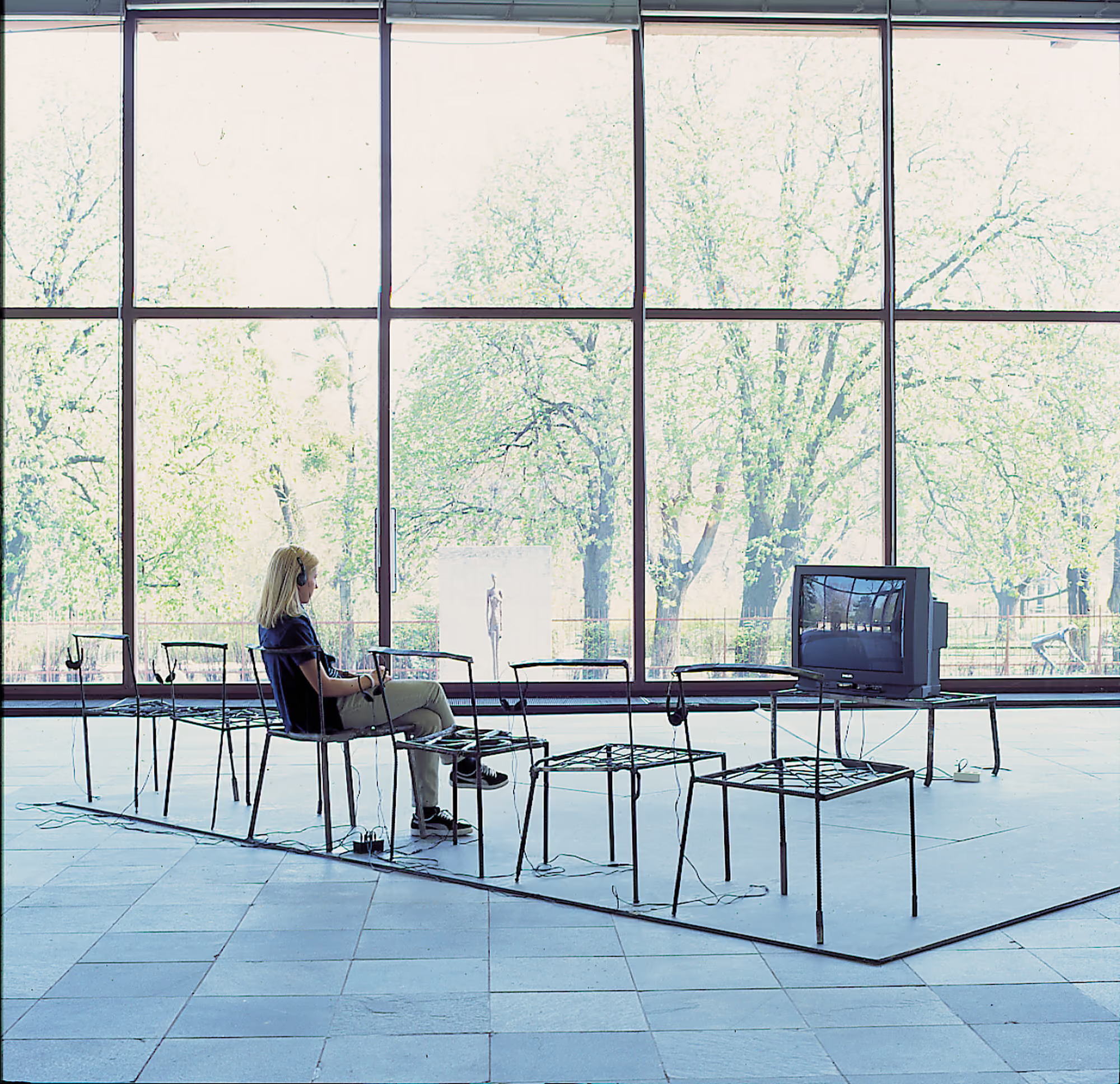
"Proforma" (1996), the first major retrospective of Franz West, takes place at the Museum of Modern Art Ludwig Foundation in the 20er Haus in Vienna. In close collaboration with West, curator Eva Badura-Triska compiles his biography and reconstructs his artistic development up to the mid-1990s. This research forms the foundation for the Franz West Archive.
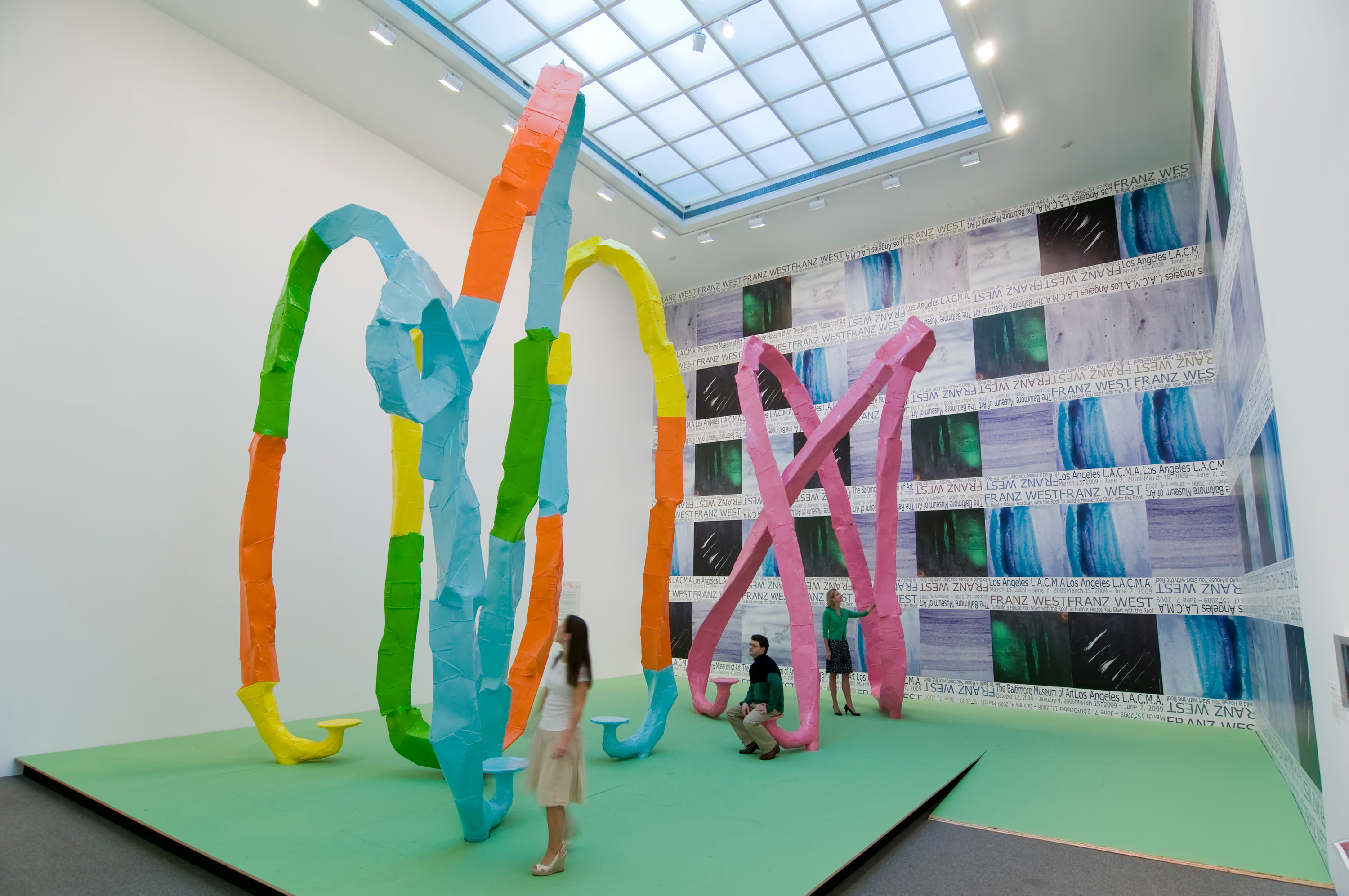
In the fall of 2008, the Baltimore Museum of Art hosted the first major U.S. retrospective, "To Build a House You Start with the Roof: Work 1972-2008". Curator Darsie Alexander visited Franz West at his studio at Esteplatz in Vienna. Among numerous other works, the floor-to-ceiling, two-part aluminum sculpture "The Ego and the Id" was installed.
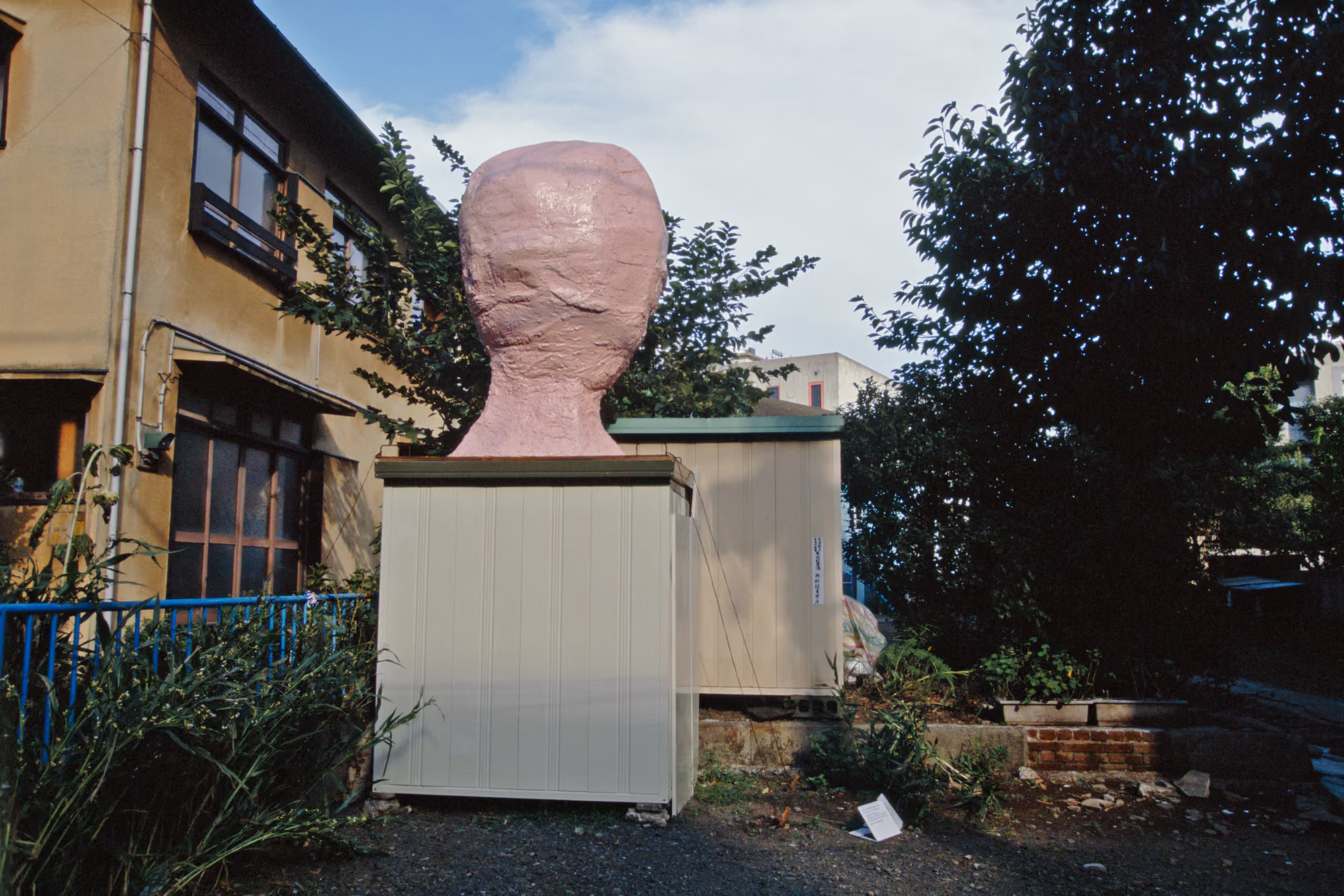
"Beule", 1994
Rubber cement, iron, bamboo, lacquer
250 (H), Ø 150 cm
"Beule" was installed on the roof of the tool shed at a private kindergarten in front of the Watari Museum of Contemporary Art in Tokyo for the 1995 exhibition "Ripple across the water". The work was created in Tsurugi in Ishikawa Prefecture with the assistance of local craftsmen. Instead of being transported back, the sculpture was destroyed.
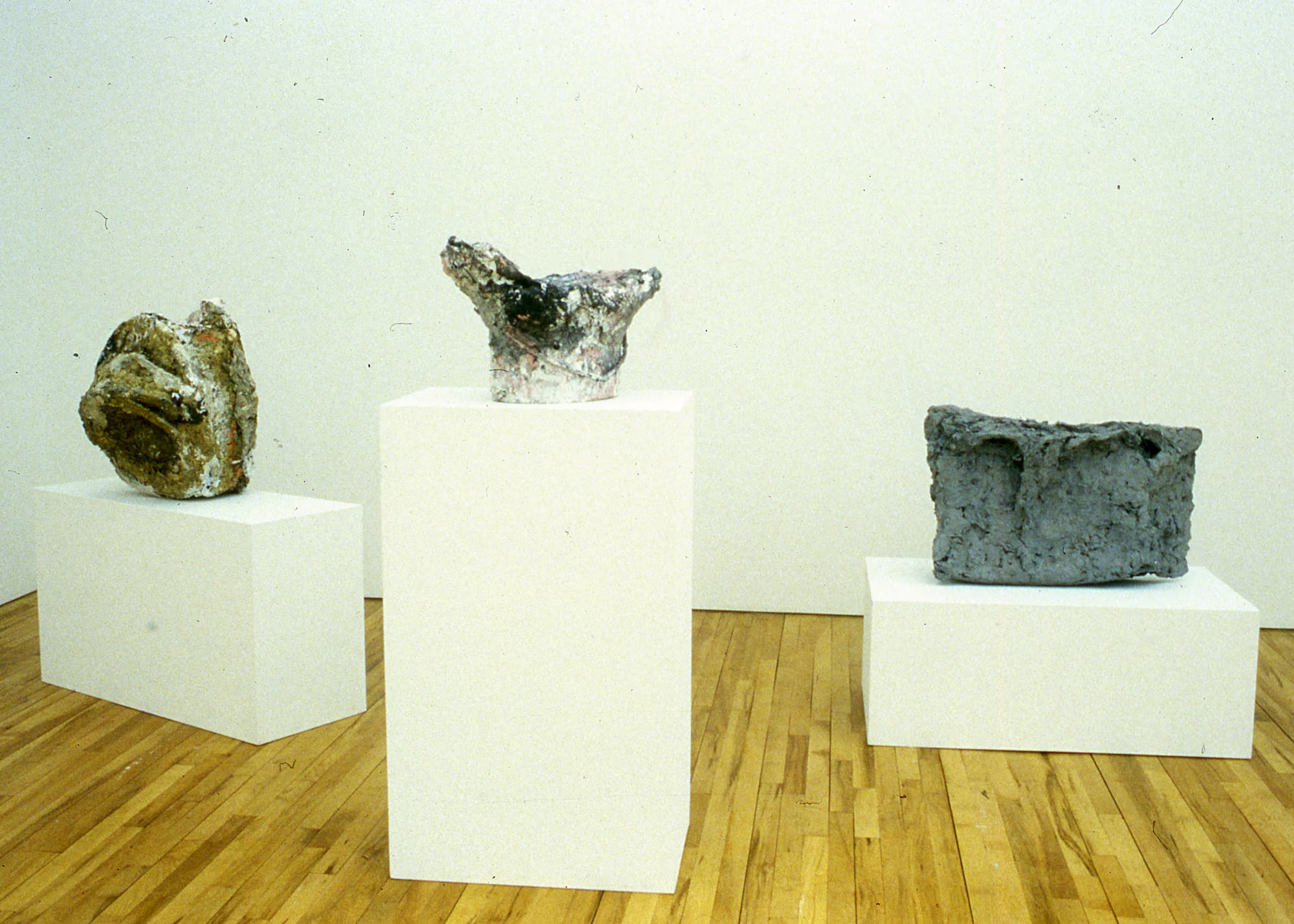
The first exhibition in New York took place in March 1989 at the Koury Wingate Gallery on Broadway, titled "Seats and Sculptures”. Some of the sculptures were painted by Marcus Geiger.
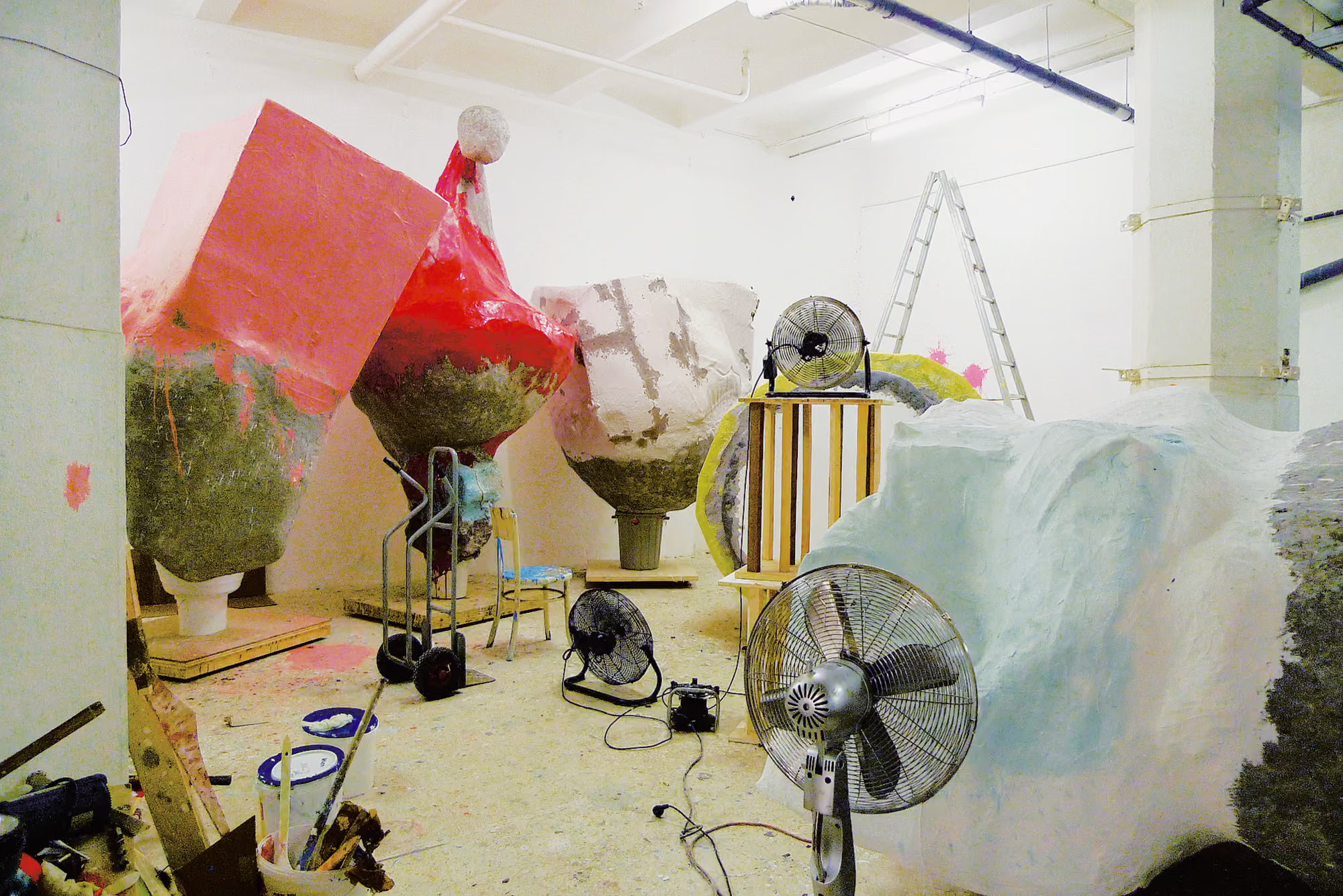
Franz West's former gallerist Peter Pakesch had rented a basement room at Esteplatz 3 as an art depot. West and Heimo Zobernig began using it as a studio around 1994. West took over the basement in 1996 and also rented the adjoining raised ground floor. In 2000, the premises were expanded to include the adjacent apartment, which was used as an office. Esteplatz became the centre of West's artistic work.
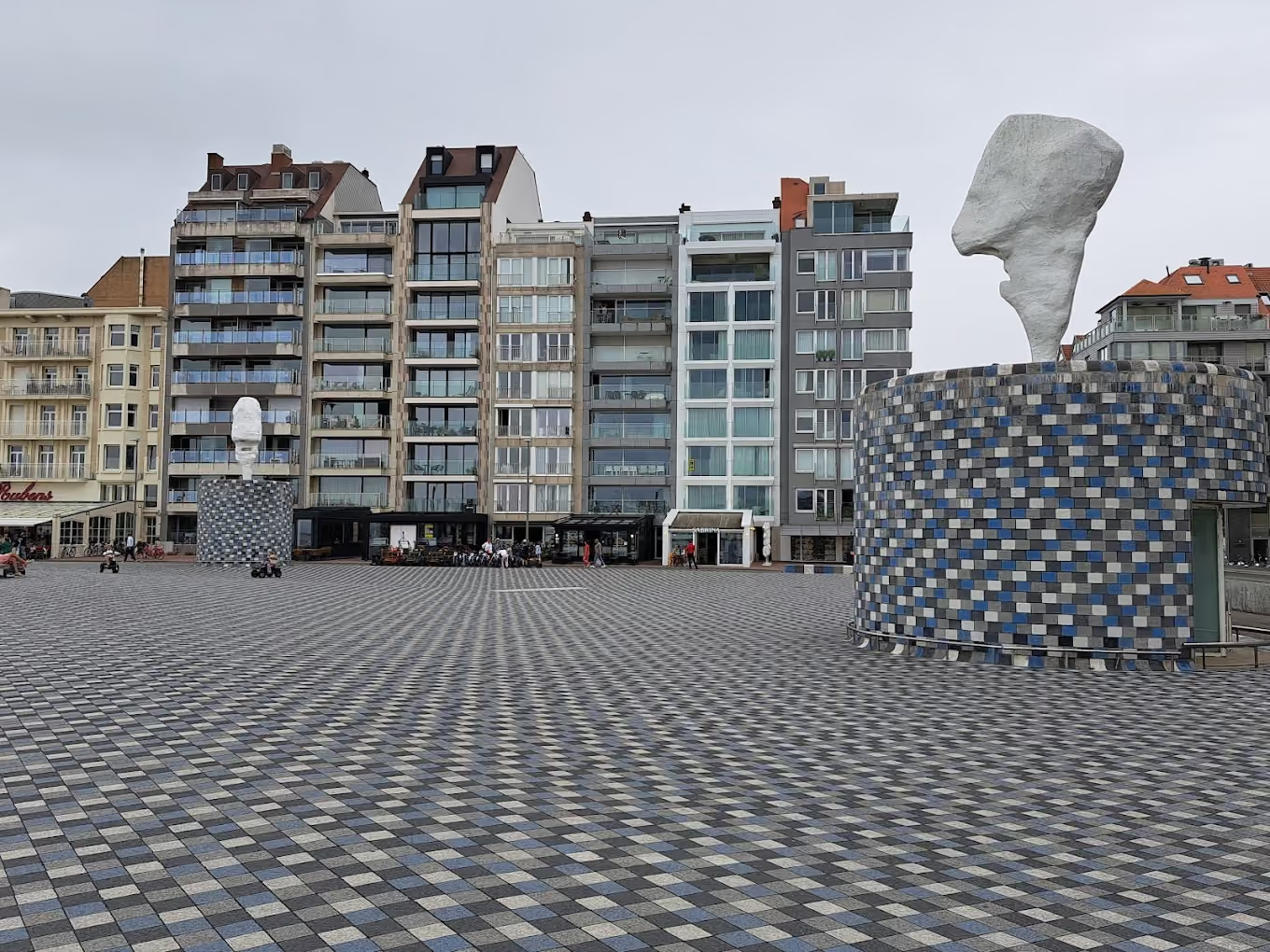
Two Lemurs, 2003
Vubonite
approx. 500 (H) x 225 x 225 cm each
The two lemurs, grotesque hybrids of human figures and ghosts in West's distinctive style, stand on Rubensplein in Knokke-Heist, Belgium. They rest on two cylindrical structures that serve as plinths for the sculptures, exposed to the harsh maritime climate and dazzling light.
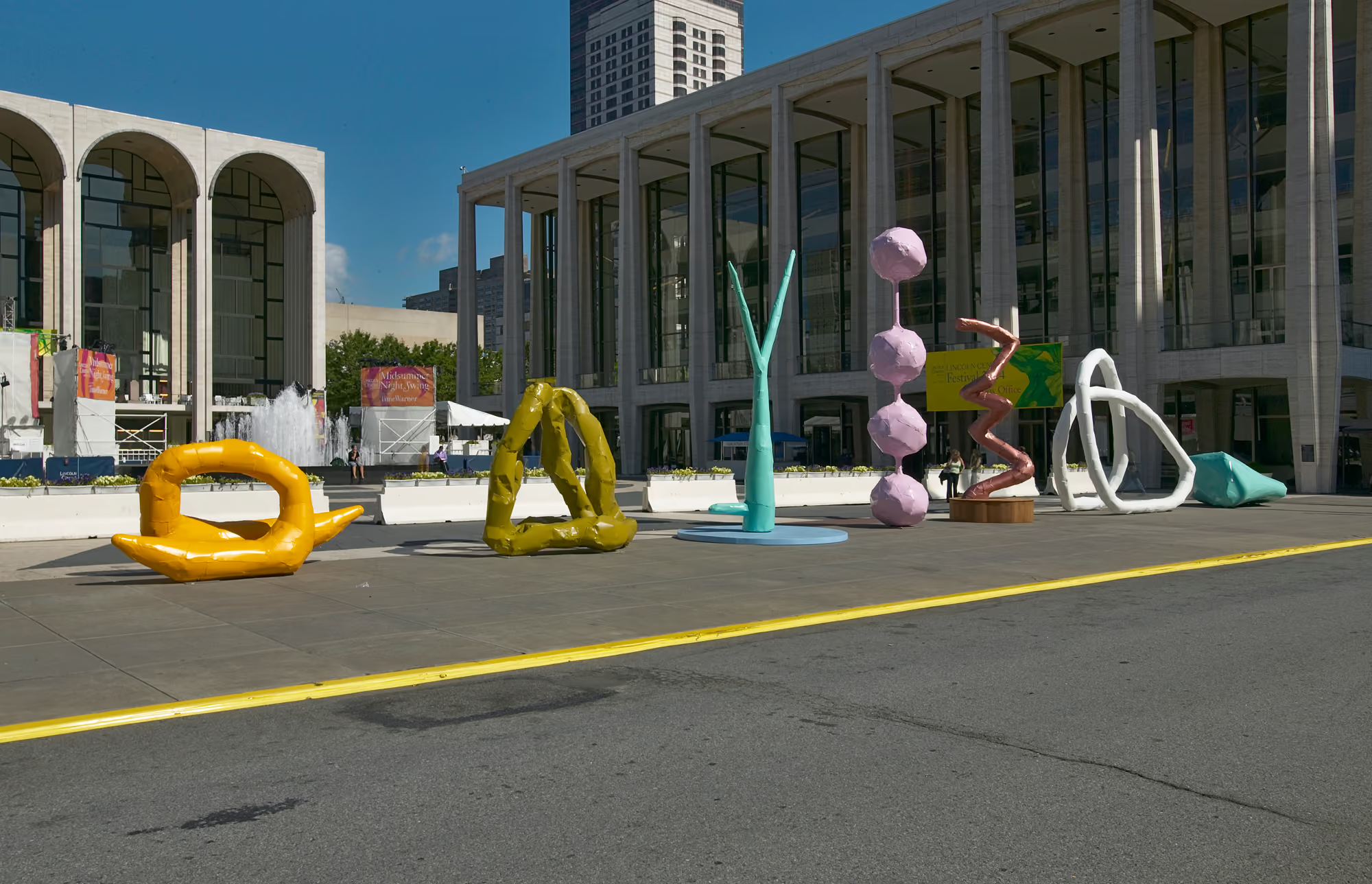
“Mostly West” at Lincoln Center Plaza in New York in 2004 was a temporary installation combining eleven large outdoor sculptures.
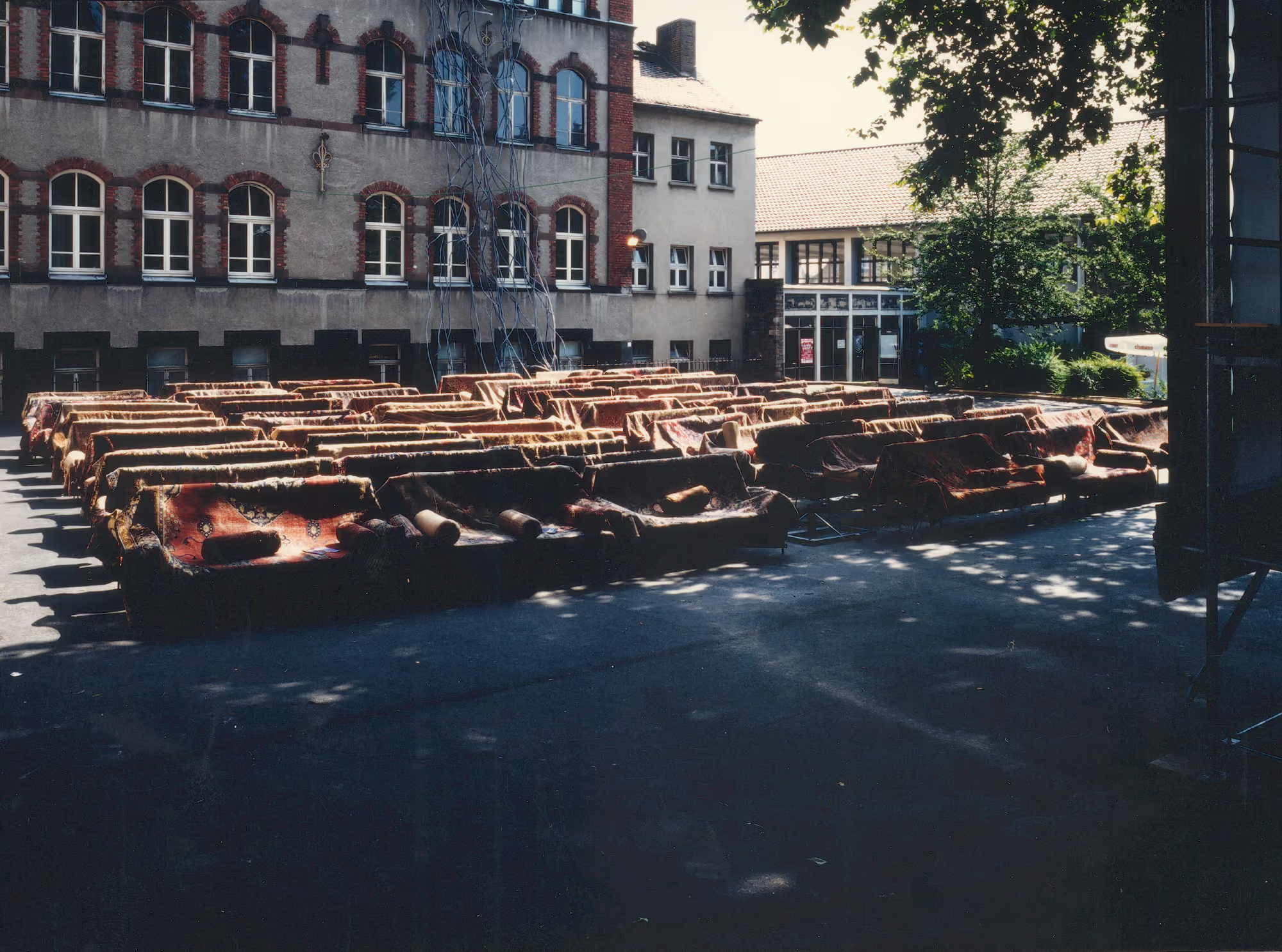
“Auditorium”, 1992
72 divans
Steel, foam, carpet
90 x 110 x 220 cm each
The seating for the open-air cinema at documenta IX in Kassel in 1992 consisted of 72 divans covered with old carpets. Titled “Auditorium”, the installation became one of the exhibition's main attractions.
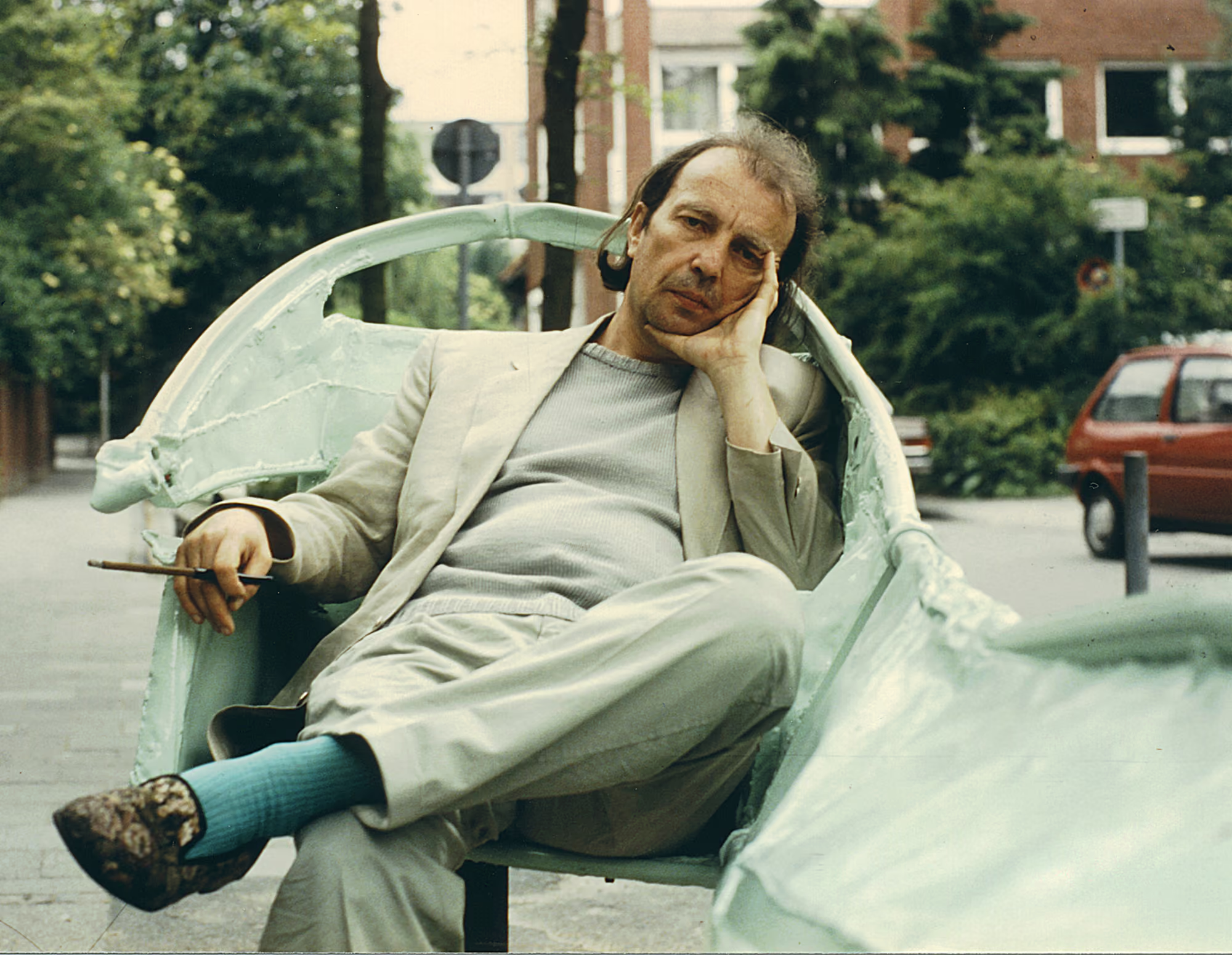
Franz West on his sculpture “Eo ipso”, 1987, made from parts of his parents' washing machine. Shown here at its first installation for Skulptur Projekte Münster in 1987.
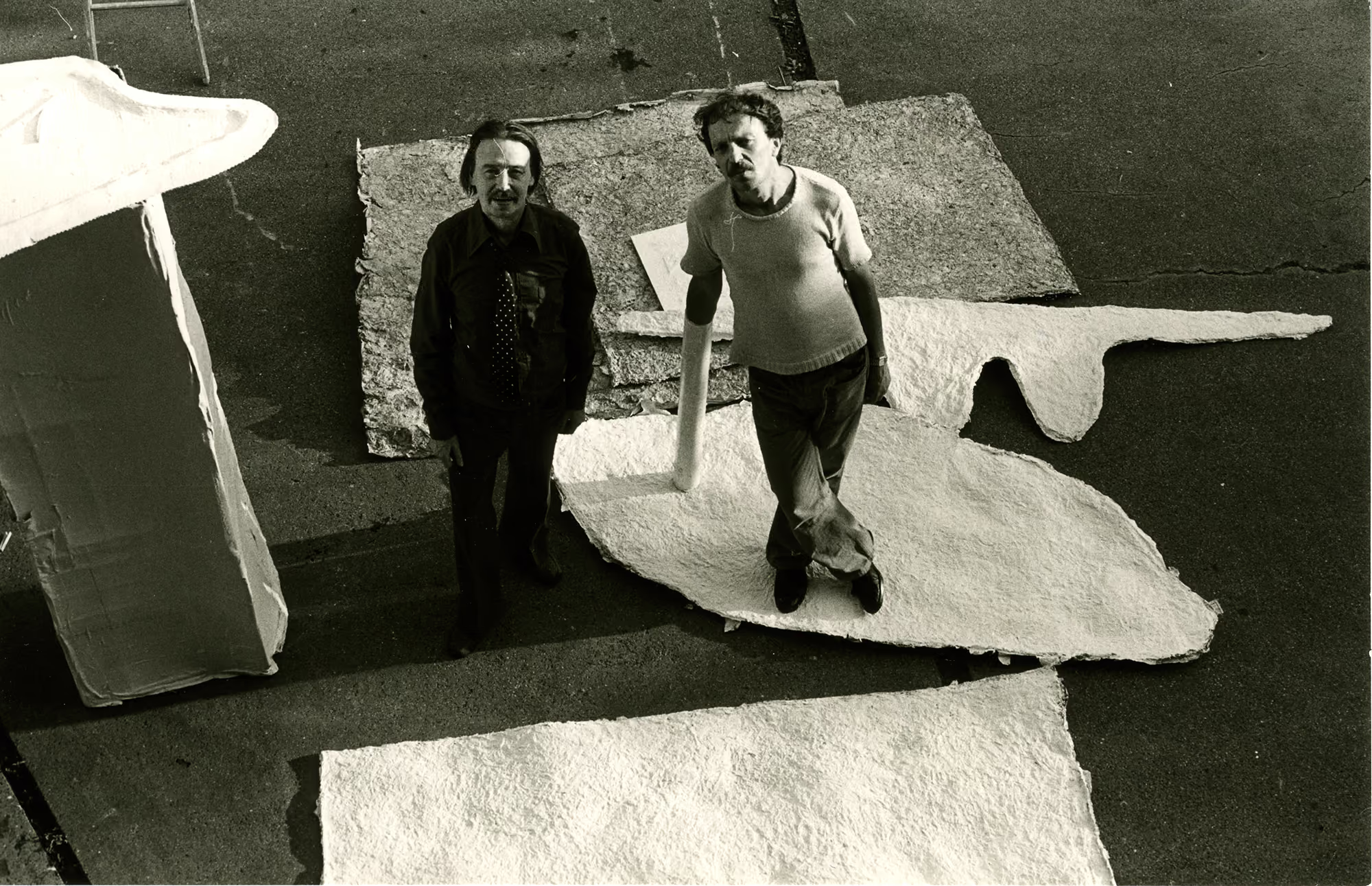
The West family lived in Karl-Marx-Hof. Franz West's mother's dental practice adjoined their apartment and had a profound influence on his artistic work, both in its materials and subject matter. Her social outlook also shaped him: she treated artists with little income free of charge and often welcomed visitors from the art world. The writers Reinhard Priessnitz and Hermann Schürrer and the photographer Friedl Kubelka were both patients and guests.
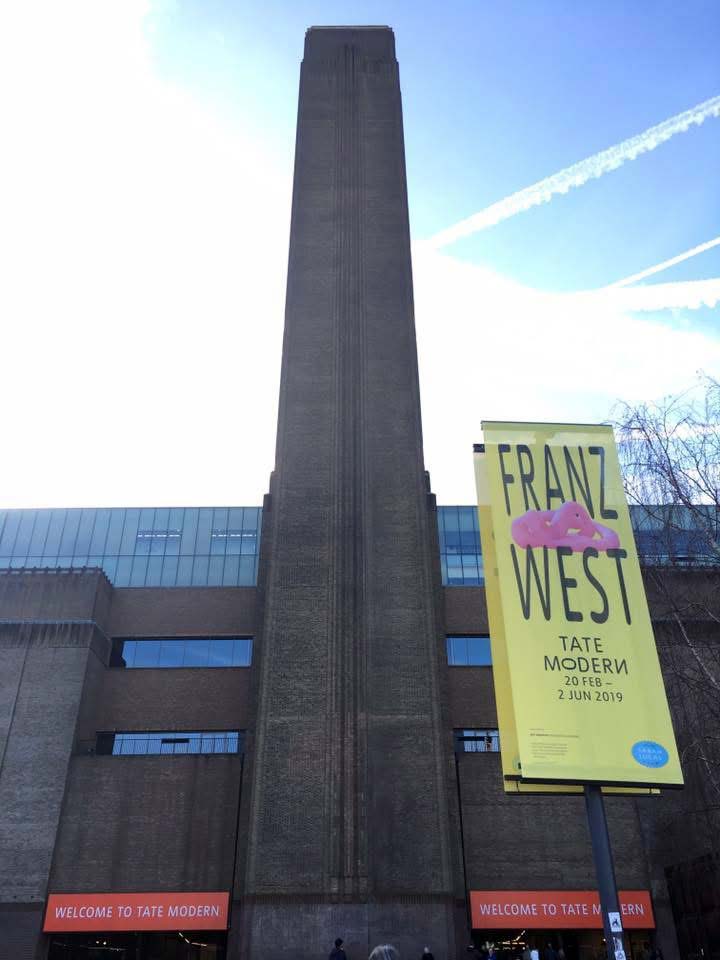
Following the Centre Pompidou exhibition in autumn 2018, the extensive “Franz West” retrospective was on view at Tate Modern in London from February 20 to June 2, 2019.
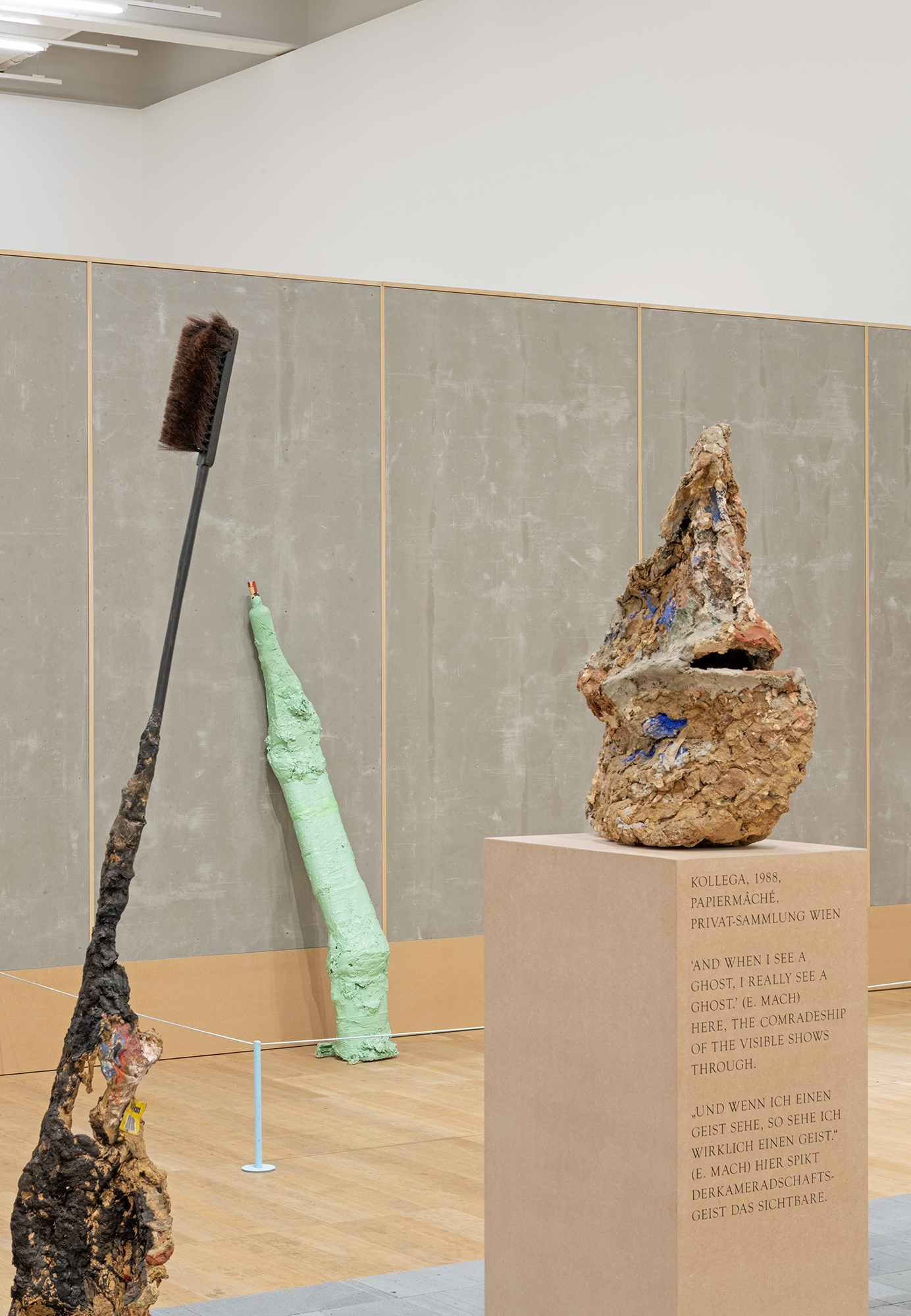
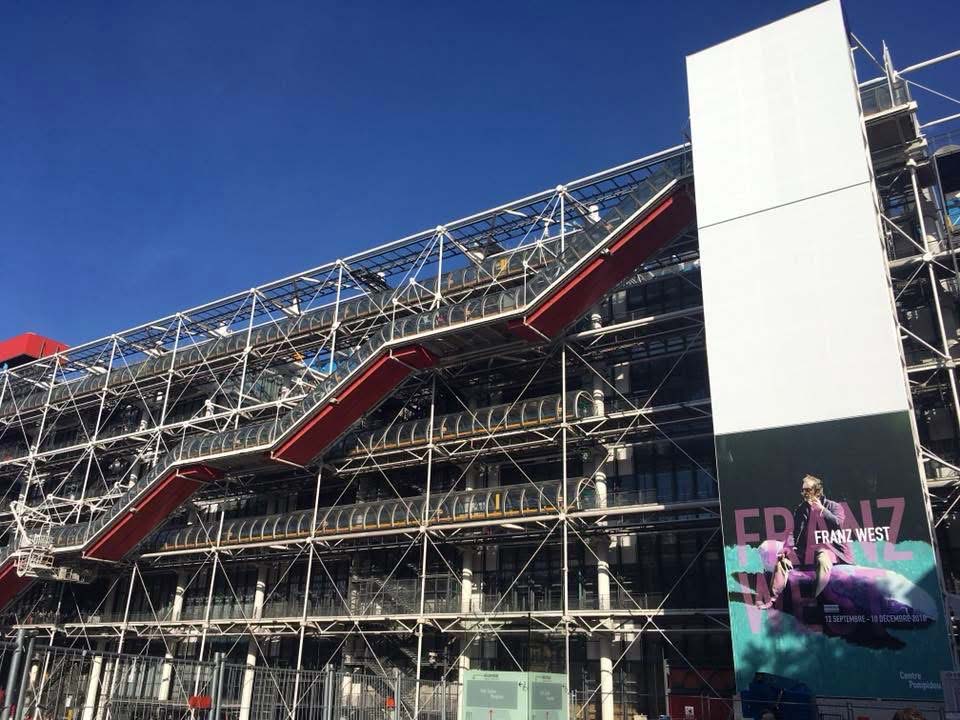
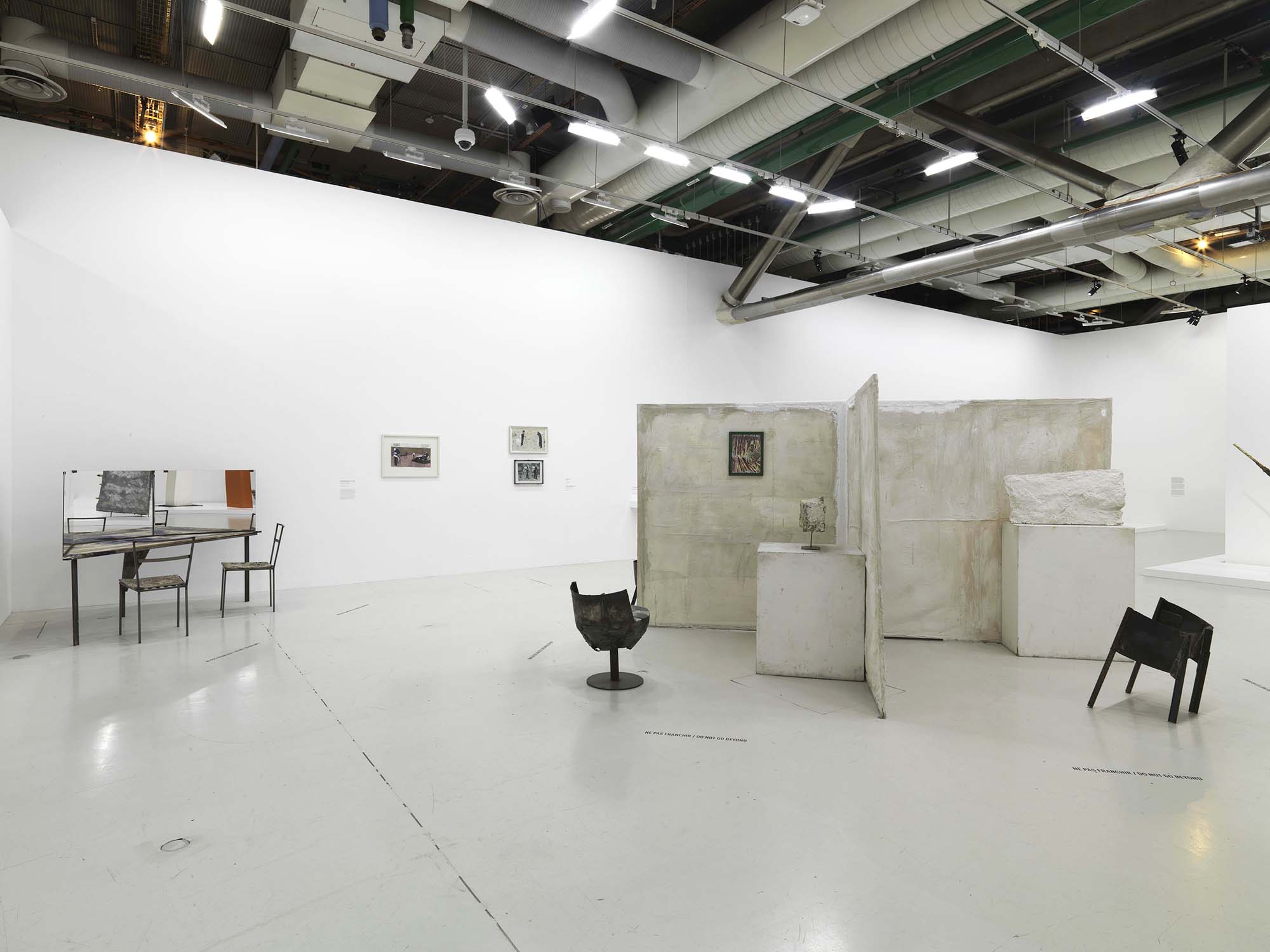
From September 12 to December 10, 2018, the Centre Pompidou presented “Franz West”, a major retrospective featuring around 200 works. Curated by Christine Macel and Mark Godfrey, the extensive exhibition travelled to Tate Modern in spring 2019.
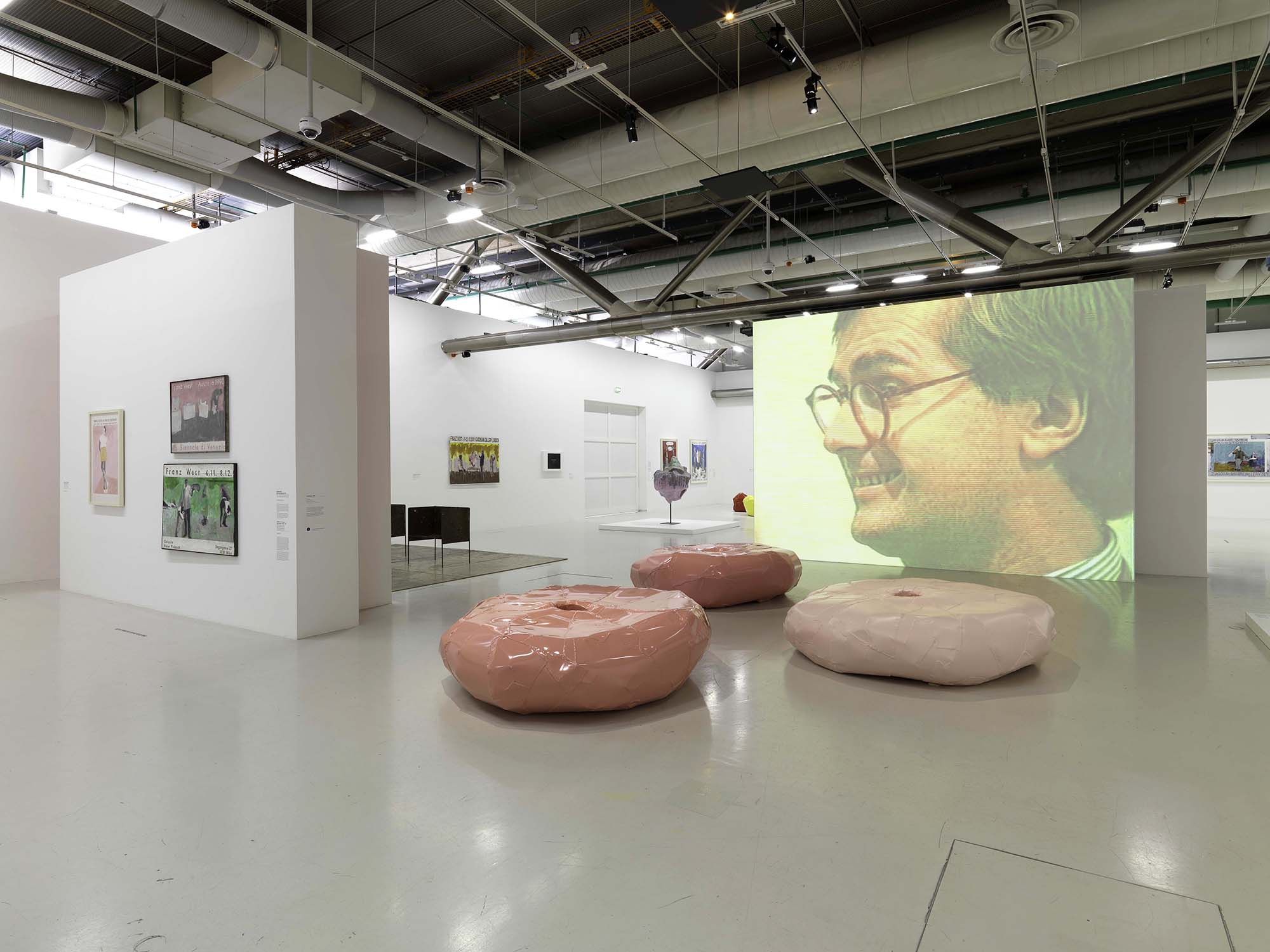
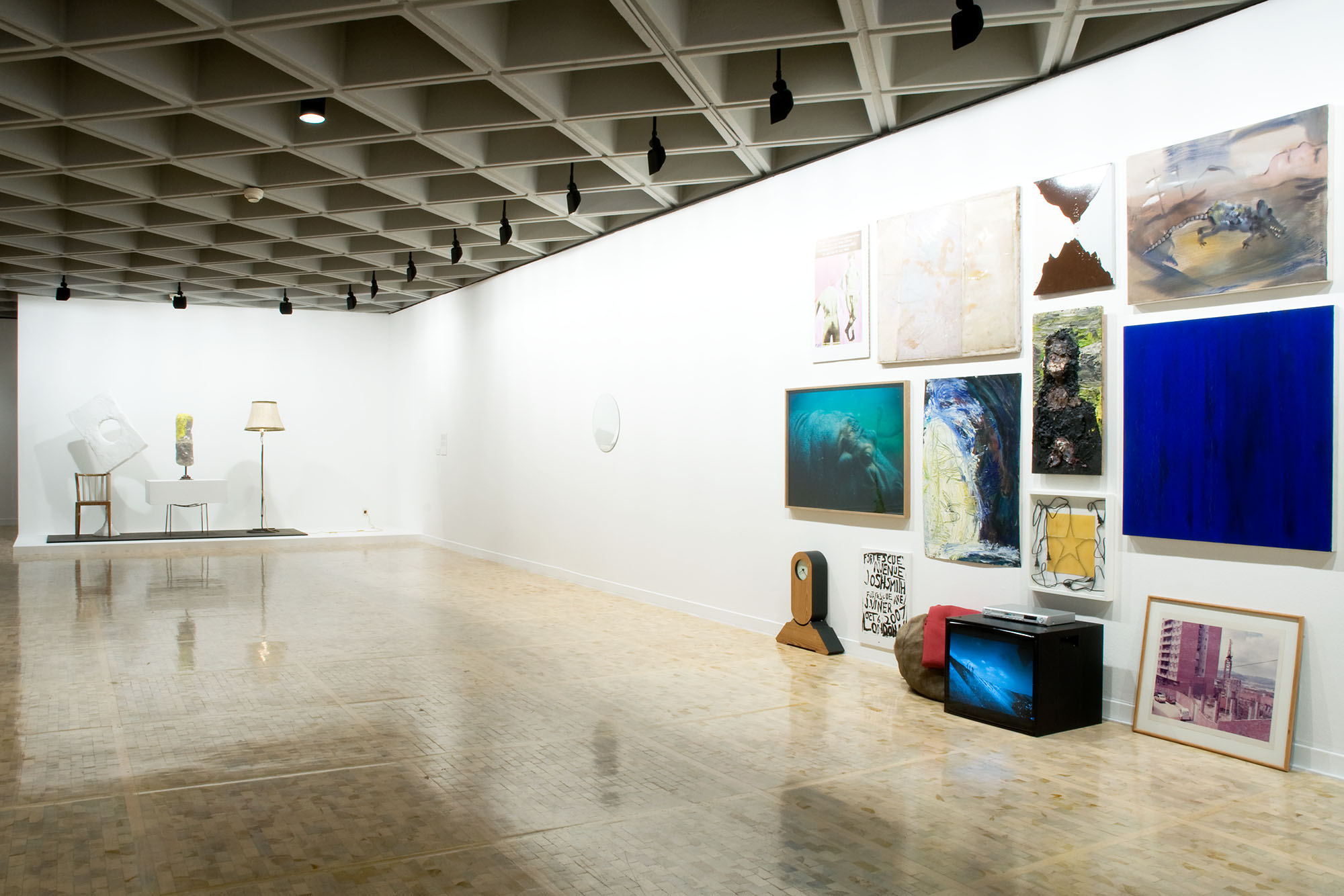
In July 2009, Franz West's first solo exhibition in Mexico City opened: “Elefante Blanco”, curated by Patrick Charpenel.
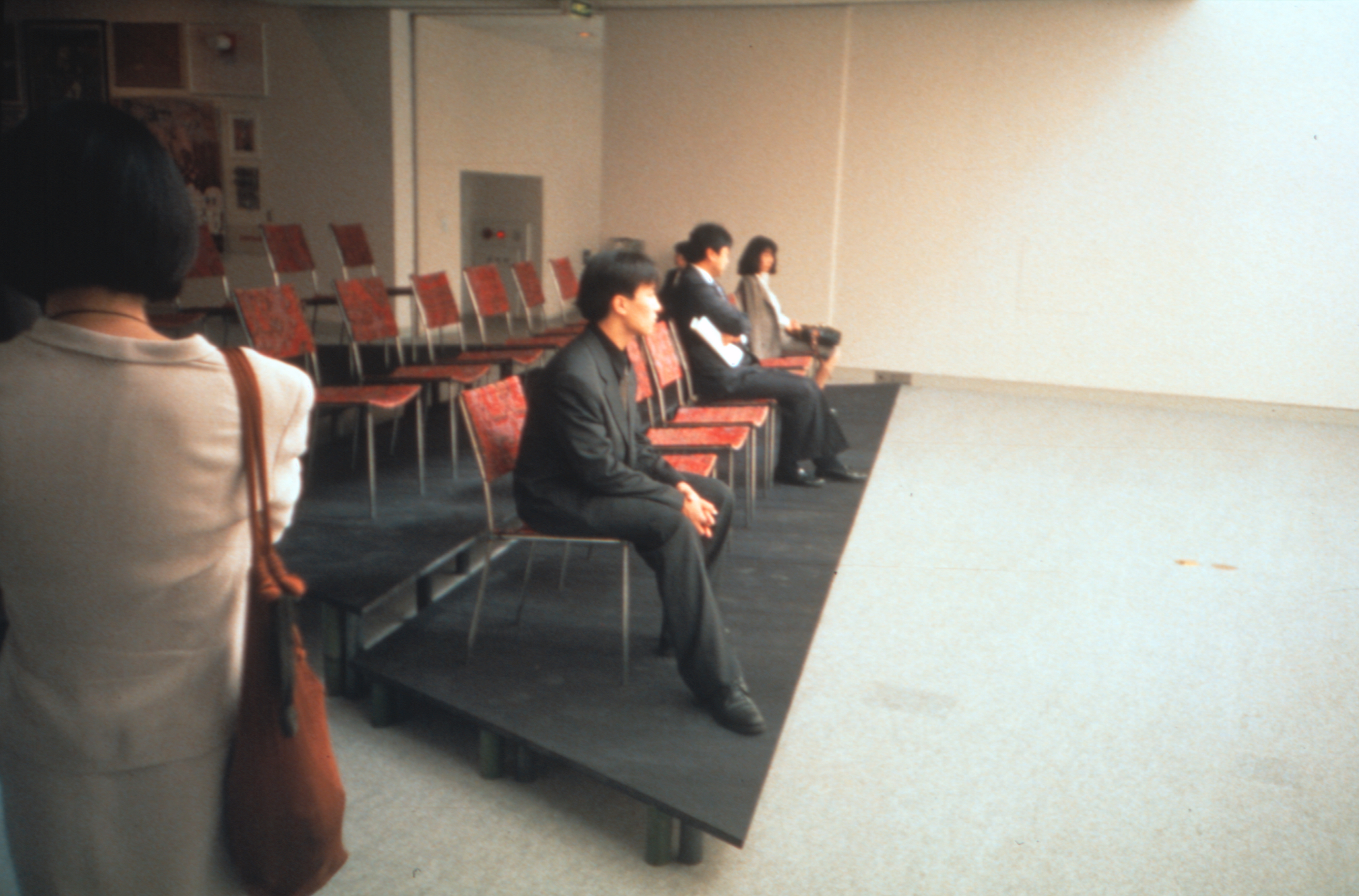
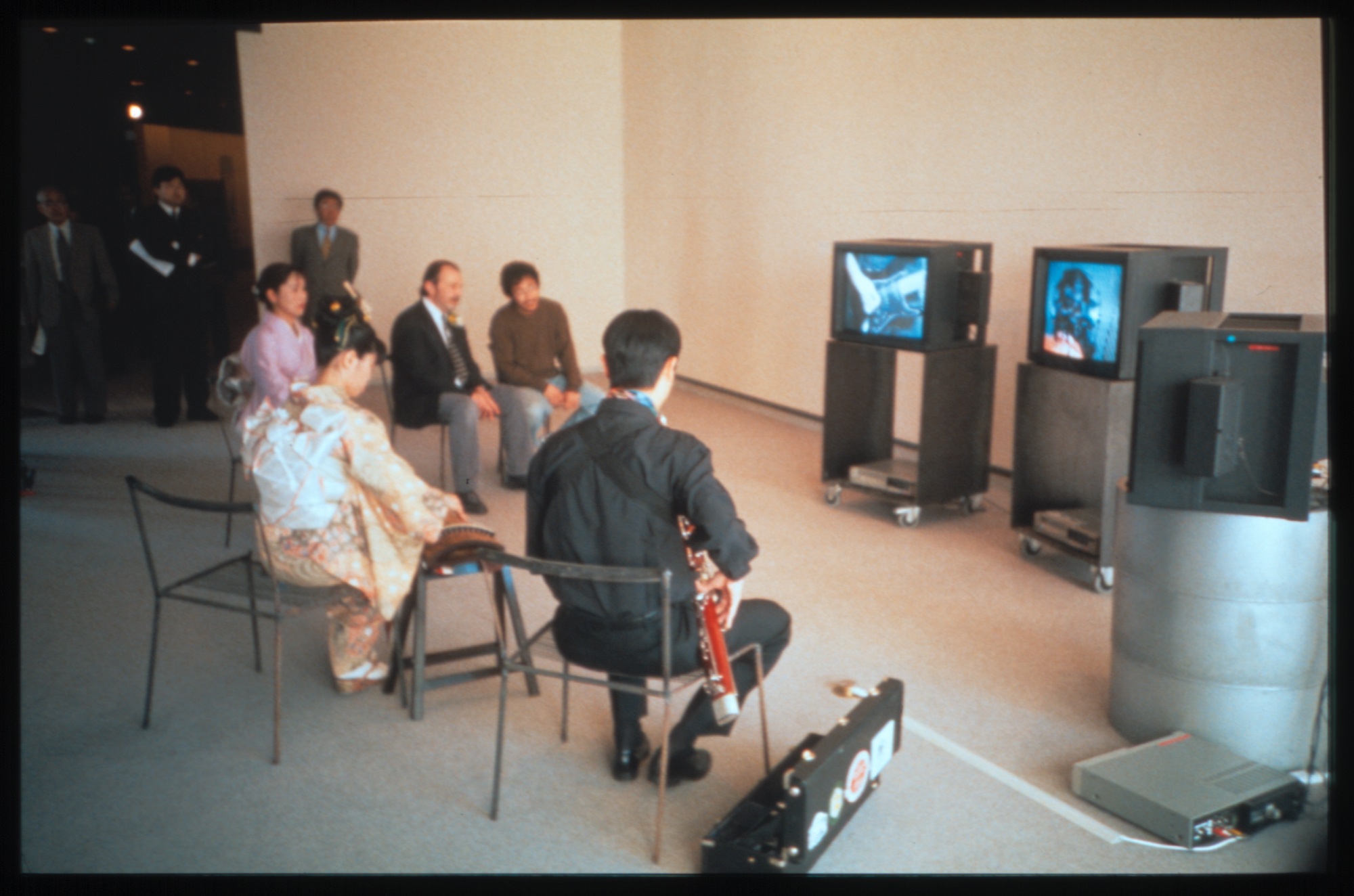
For the group exhibition “Eight People from Europe”, curated by Kasper König at the Museum of Modern Art in Gunma, Takasaki, in 1998, West made “Tri-Tra (Focus)” (“Tri-Tra” is short for “Tribünen-Trapez”): a three-tiered walkable platform with 19 steel chairs whose seats and backs were covered in carpet.
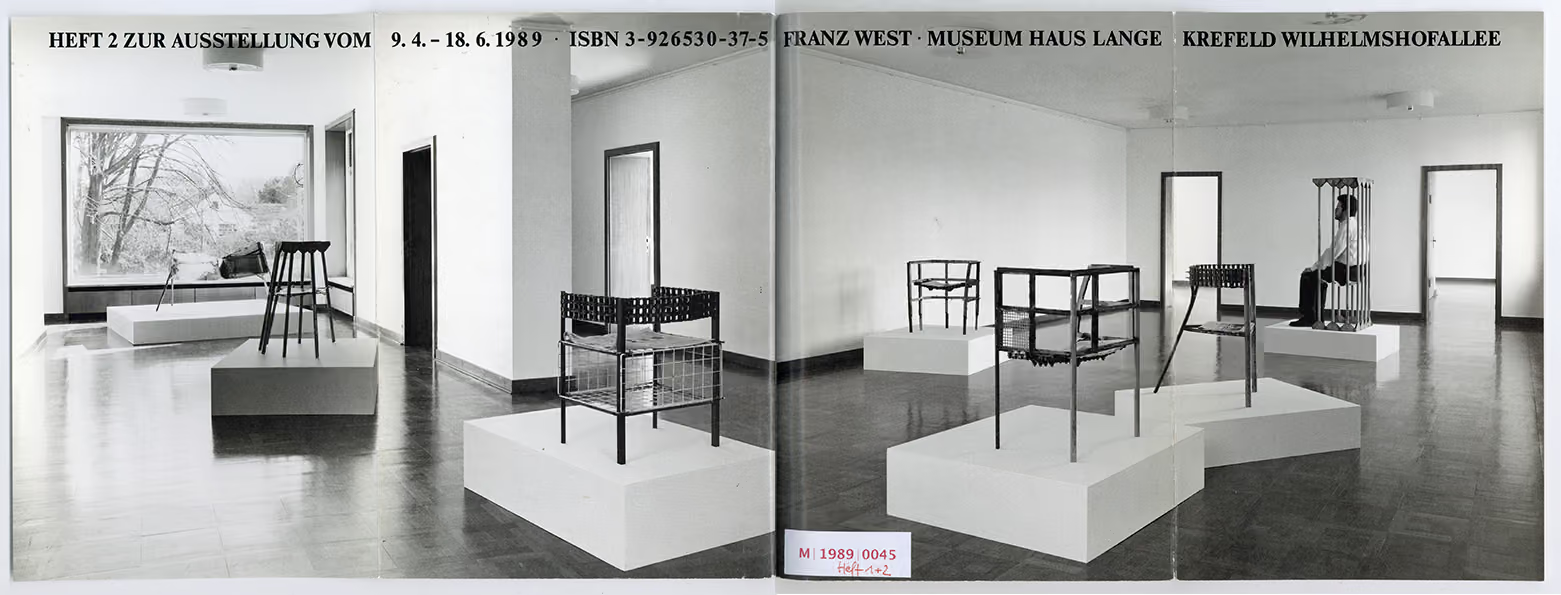
At an exhibition at Museum Haus Lange in Krefeld in 1989, various metal seats were installed. This time, however, they were placed on pedestals to mark them as exhibits.
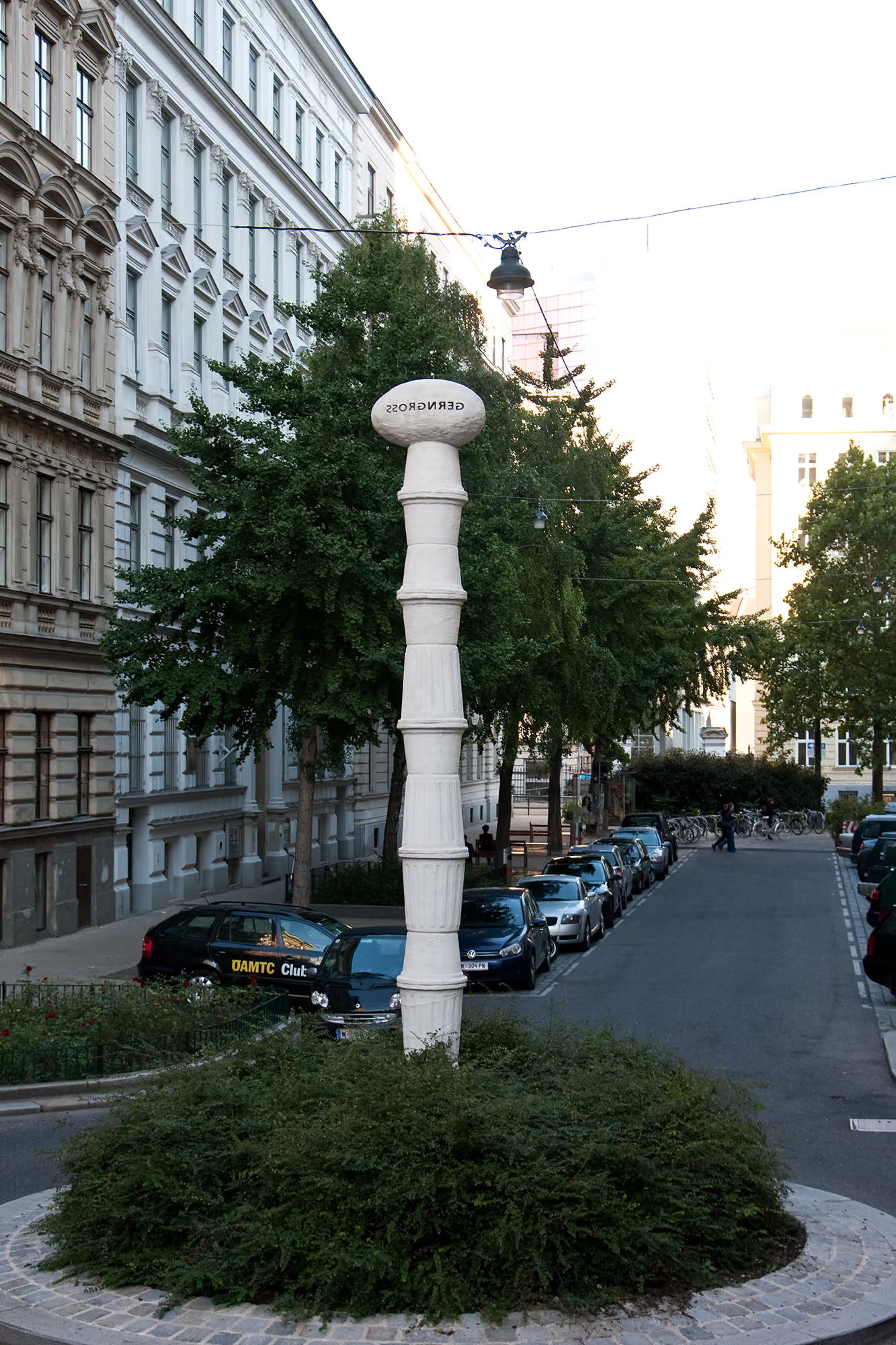
Franz West, Heidulf Gerngross
Gerngross column, 2007
Cast concrete
Column: 546 cm; egg: 50 cm
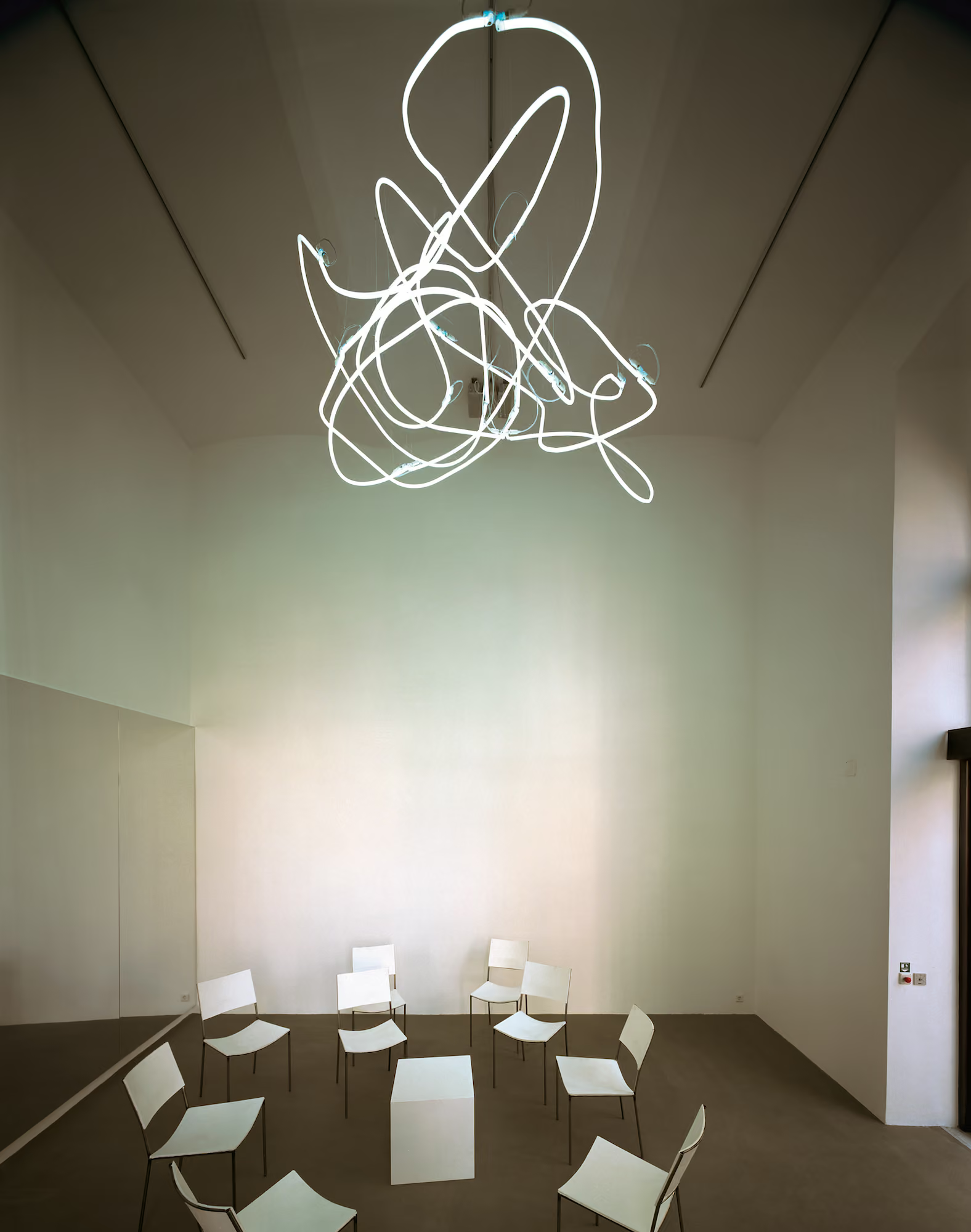
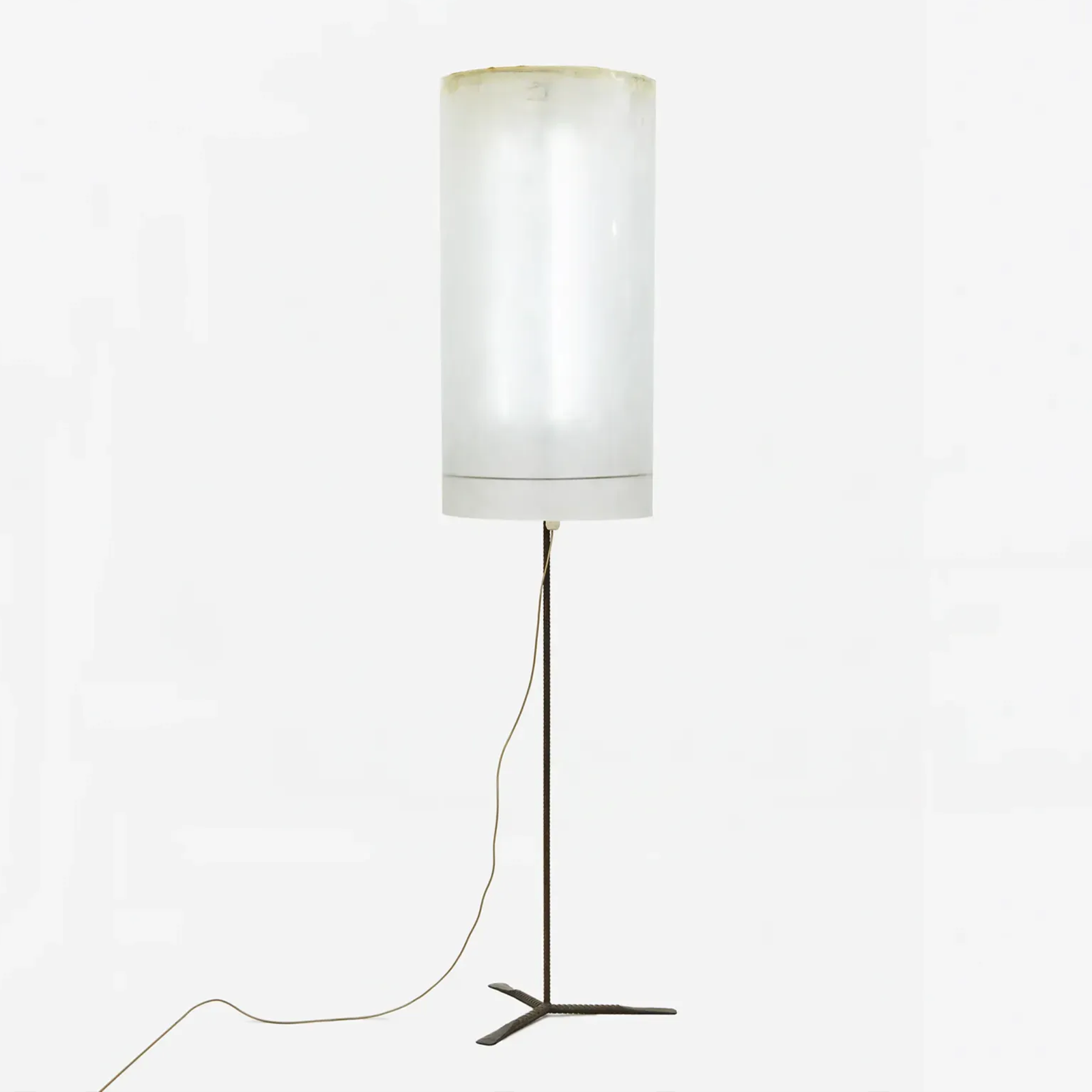
For his first exhibition at Galerie Meyer Kainer in 1999, Franz West designed a “Luster” whose form refers to a scribble by the philosopher Ludwig Wittgenstein.
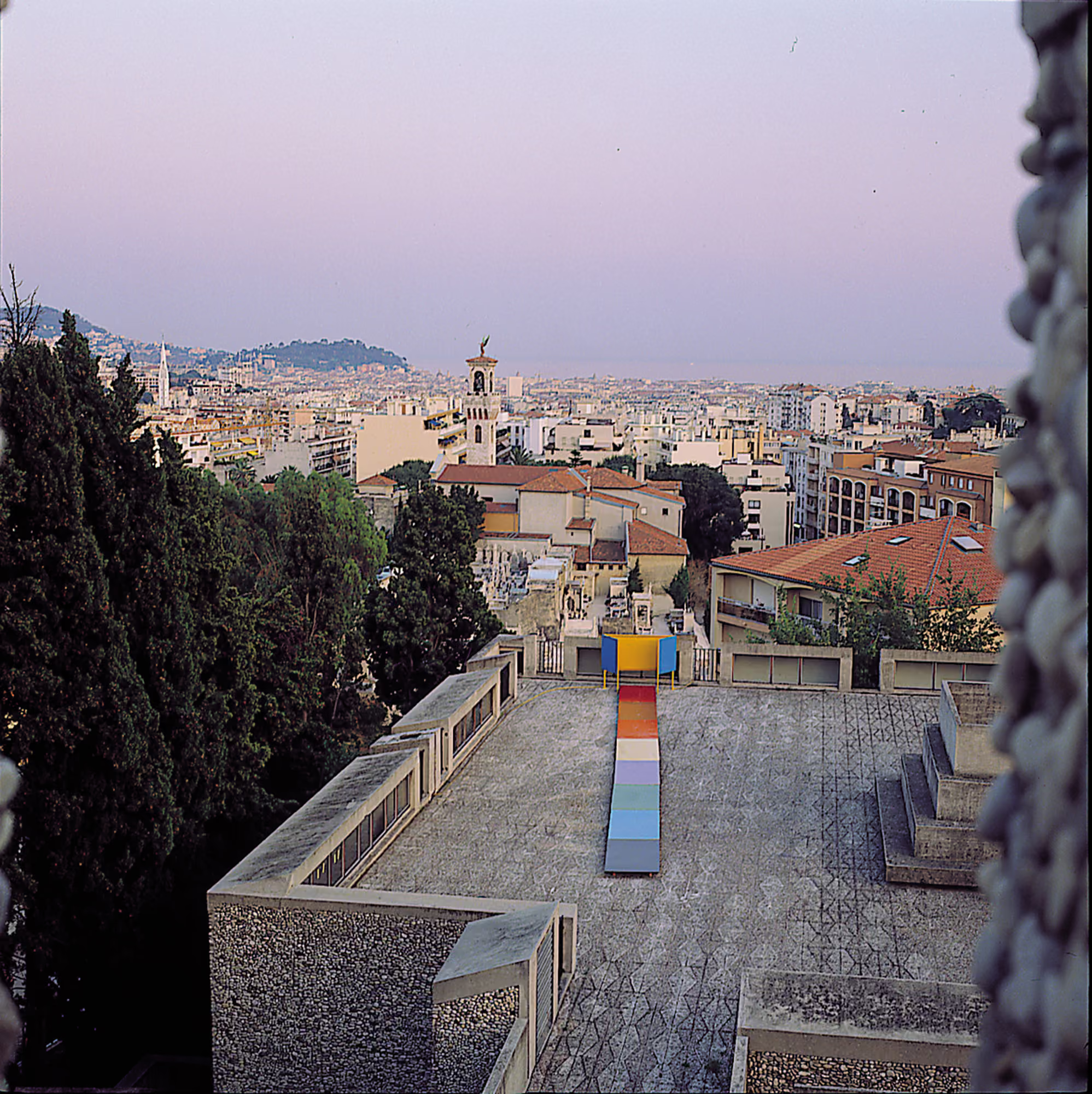
“Etude de couleur”, 1991–93
Copper tubing, iron, brass, lead, garden hose, polyester
Urinal: 156 x 212 x 85 cm
Panels: (8 x) 13 x 200 x 100 cm
A large installation that could be used as a urinal was set up on the roof of Villa Arson in Nice in 1991. It remained there until 1993 and was repainted several times. Its fitting title: “Etude de couleur”.
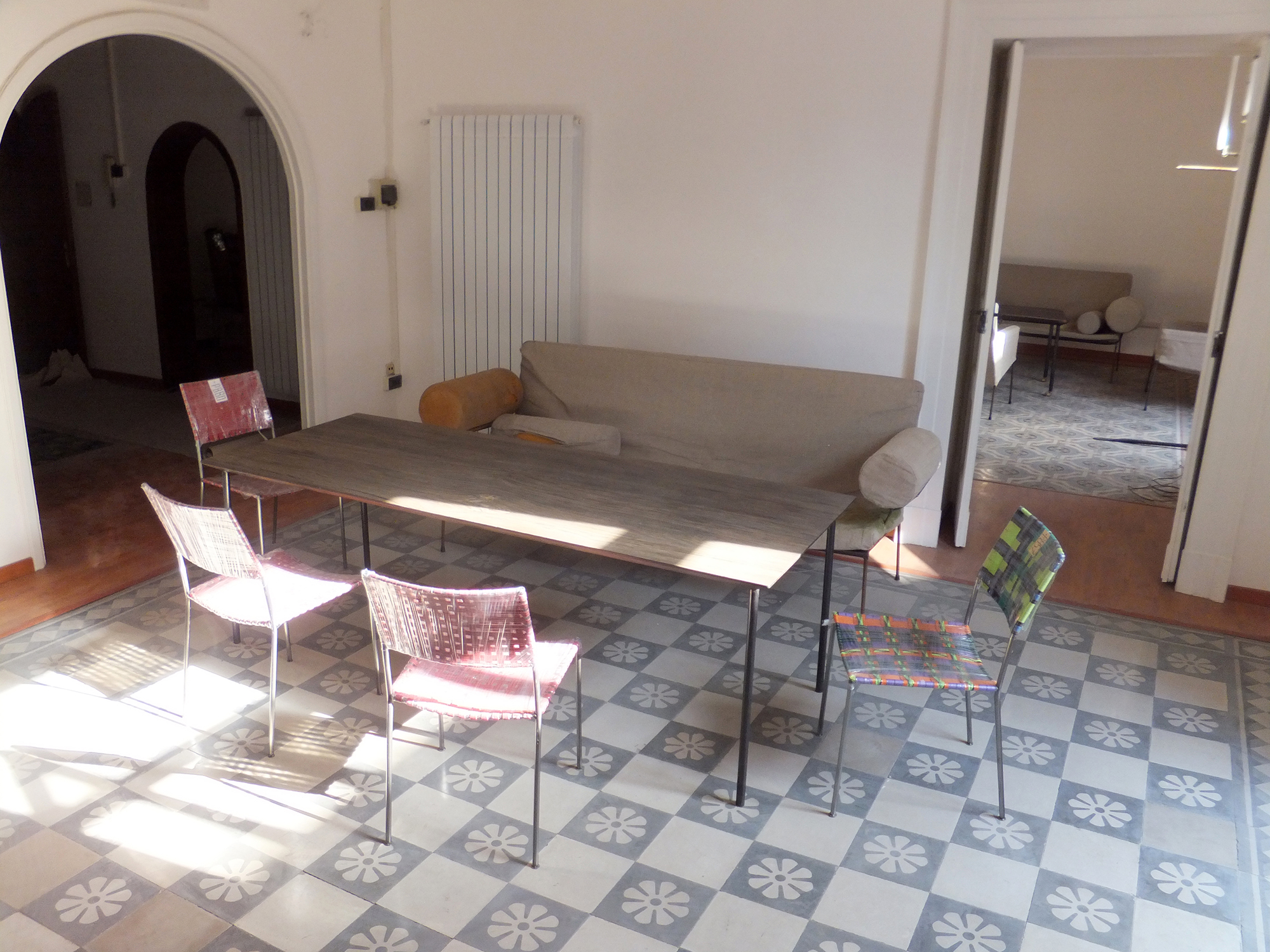
In 2011, West decided to rent a small apartment and studio in Naples. He was staying there when his health deteriorated considerably and he had to be transferred to Vienna.

November 6, 2026 – March 29, 2027, Albertina modern
Albertina modern honours Franz West (1947–2012) with a retrospective marking his 80th birthday. This exhibition pays tribute to an artist who took art off its pedestal and brought it into everyday life.
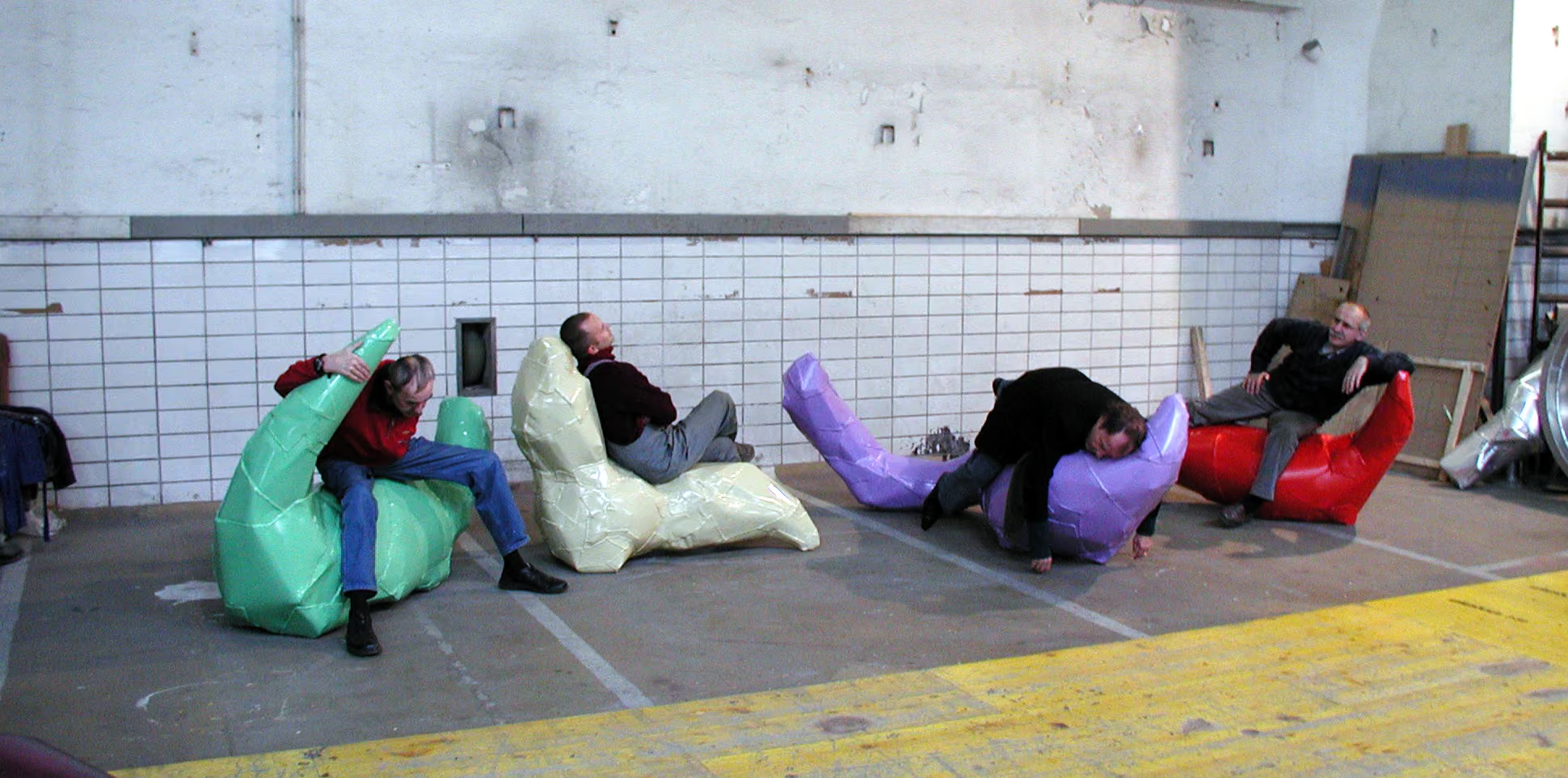
The Paulusgasse studio produced mainly monumental outdoor sculptures in aluminium. Most were made from models at a scale of 1:100.
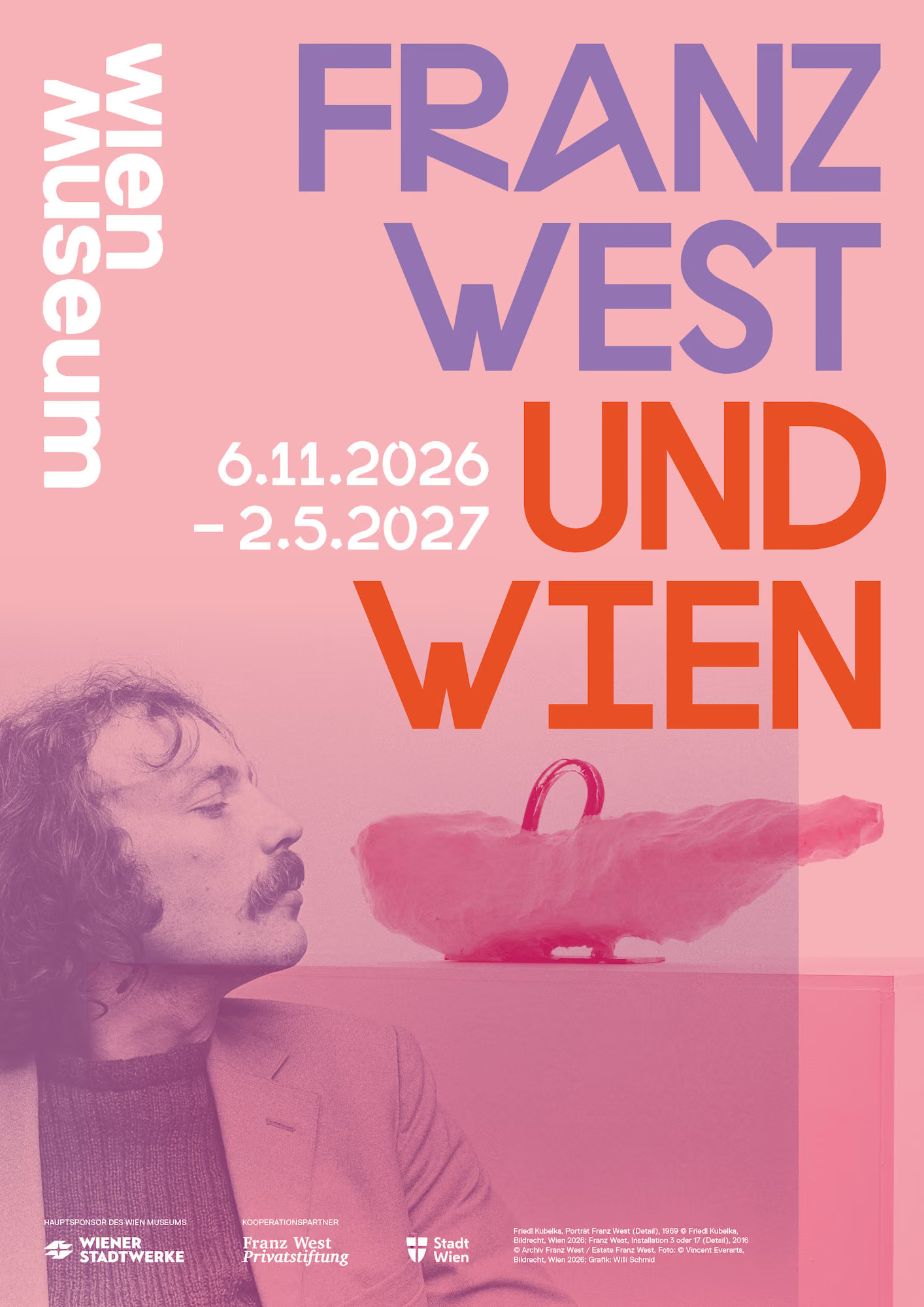
November 6, 2026 – May 2, 2027
Albertina Modern and Wien Museum are dedicating two solo exhibitions to Franz West, who would have turned eighty on February 16, 2027. The exhibitions open together. At the same time, Atelier Franz West in Vienna's third district will open its doors to show works by West and his fellow artists that he had arranged in the kitchen. That kitchen also served as the model for the so-called parapavilion “Extroversion”, installed at the 2011 Venice Biennale.
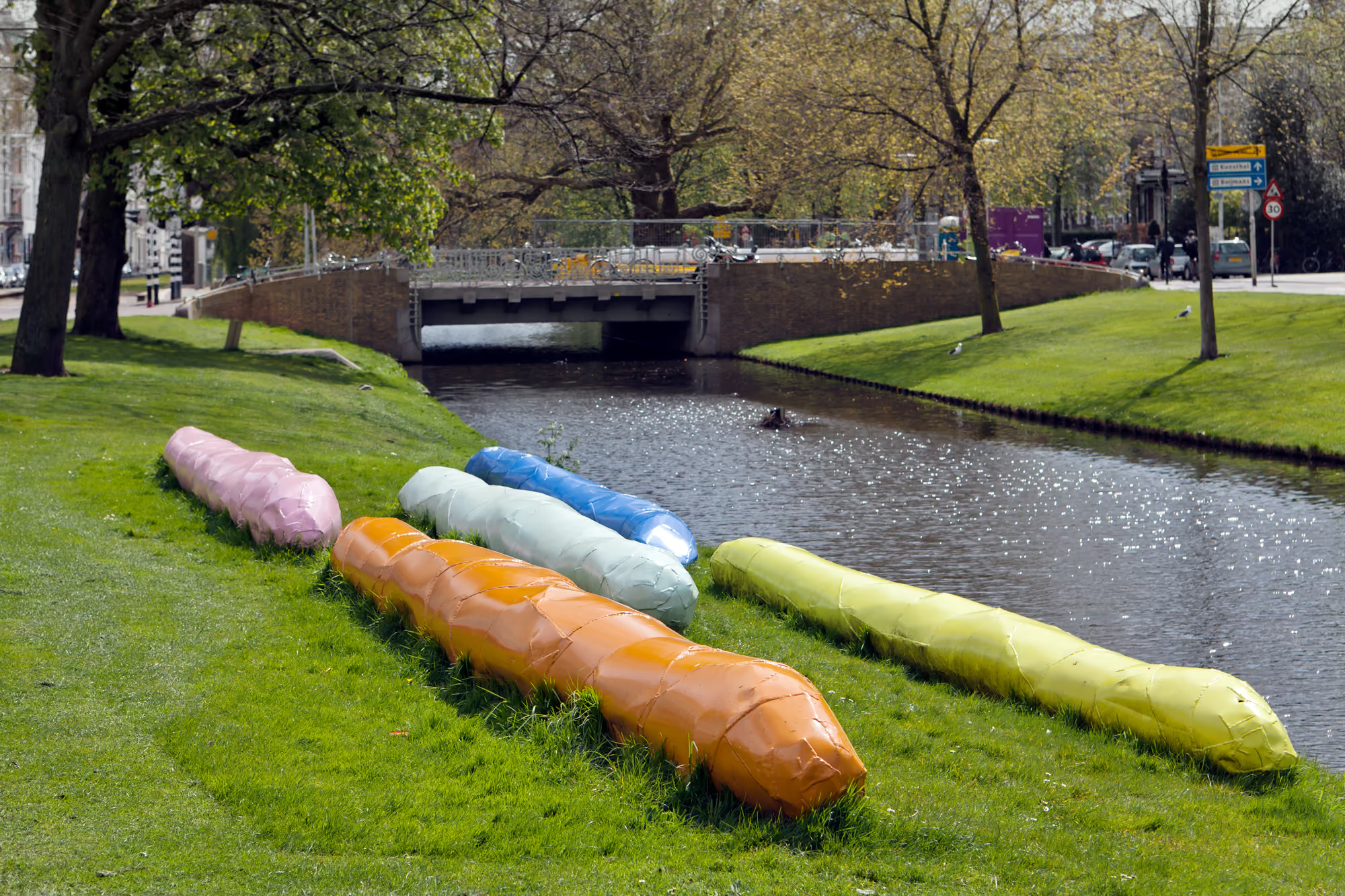
“Den Anrainern zuliebe”, 2001
Five Sitzwuste
Painted aluminium
684–716 cm (L), 60 cm (Ø) each
Commissioned by the City of Rotterdam, this work was installed in a public space in 2002. Franz West designed the Sitzwuste specifically for the site, which remains a meeting place today.
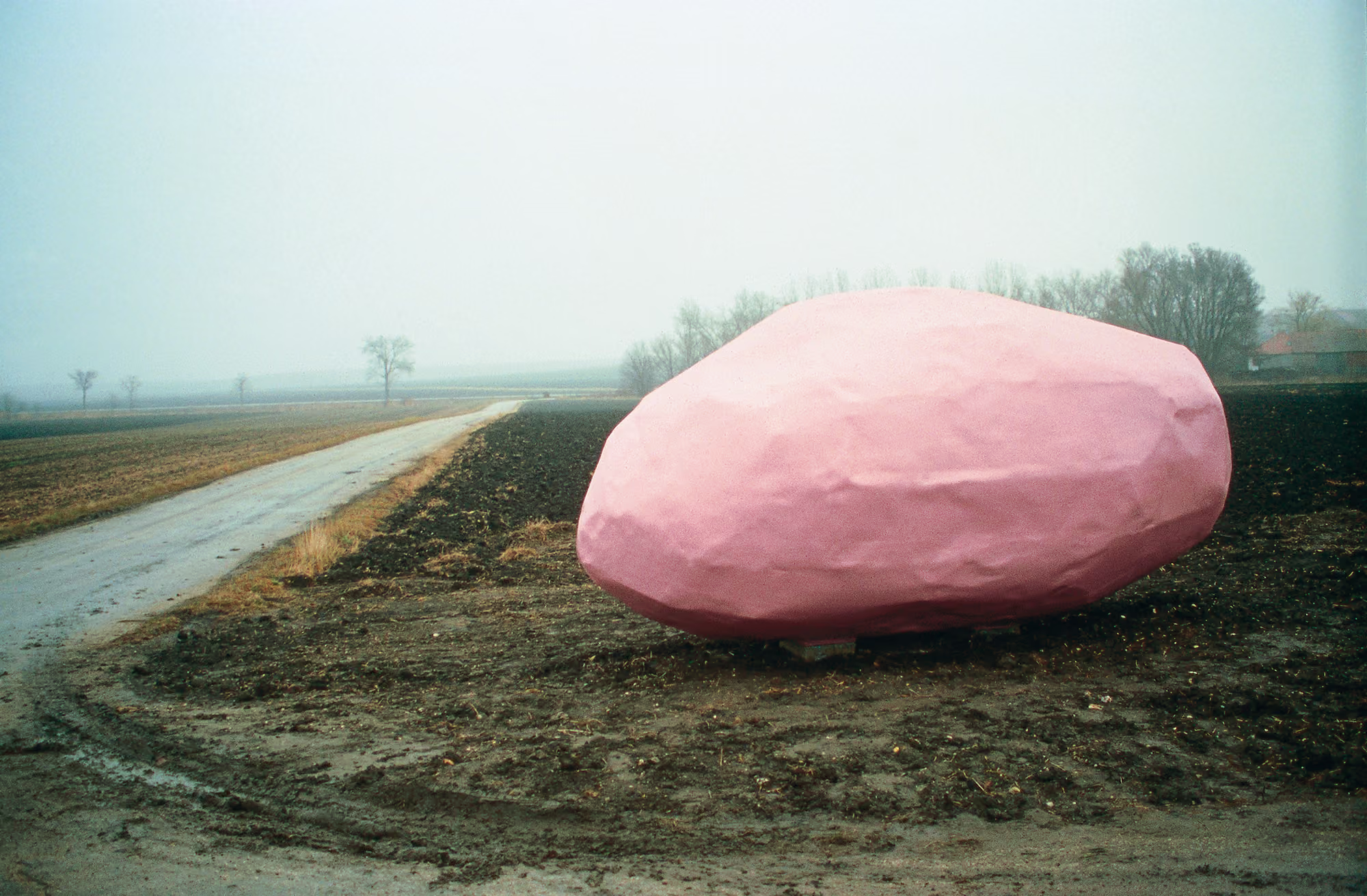
Why is there something and not nothing, 1997
Painted sheet steel, laminate
220 x 390 x 180 cm
The sculpture lies in an open field in Stronsdorf, where two country roads meet in northern Lower Austria, near the Czech border. The title quotes the pre-Socratic philosopher Parmenides.
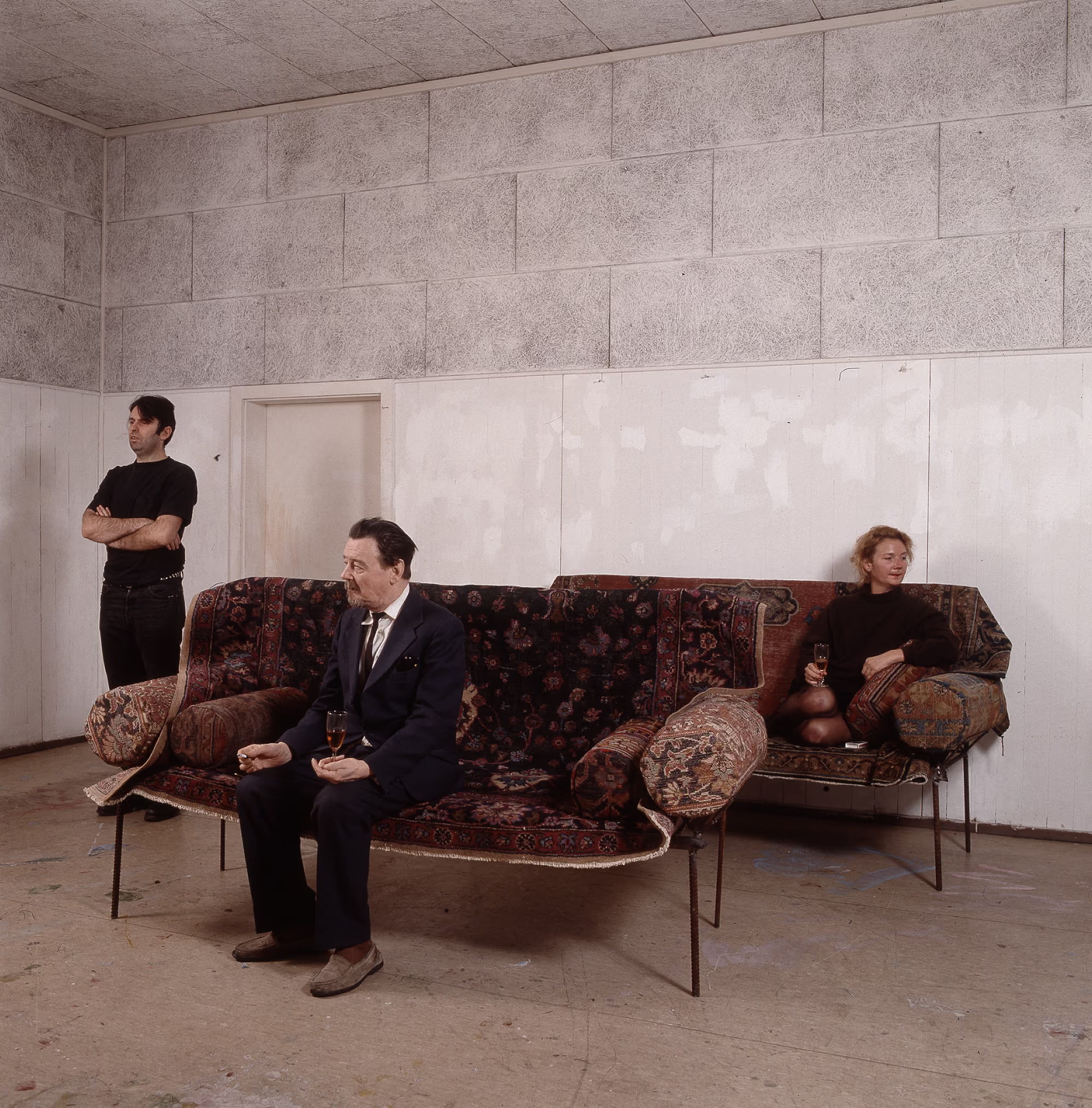
Franz West rented his first studio at Weißgerberlände 56. Metal furniture sculptures were made among other works during this time. He rented the space from 1989 to 1997.
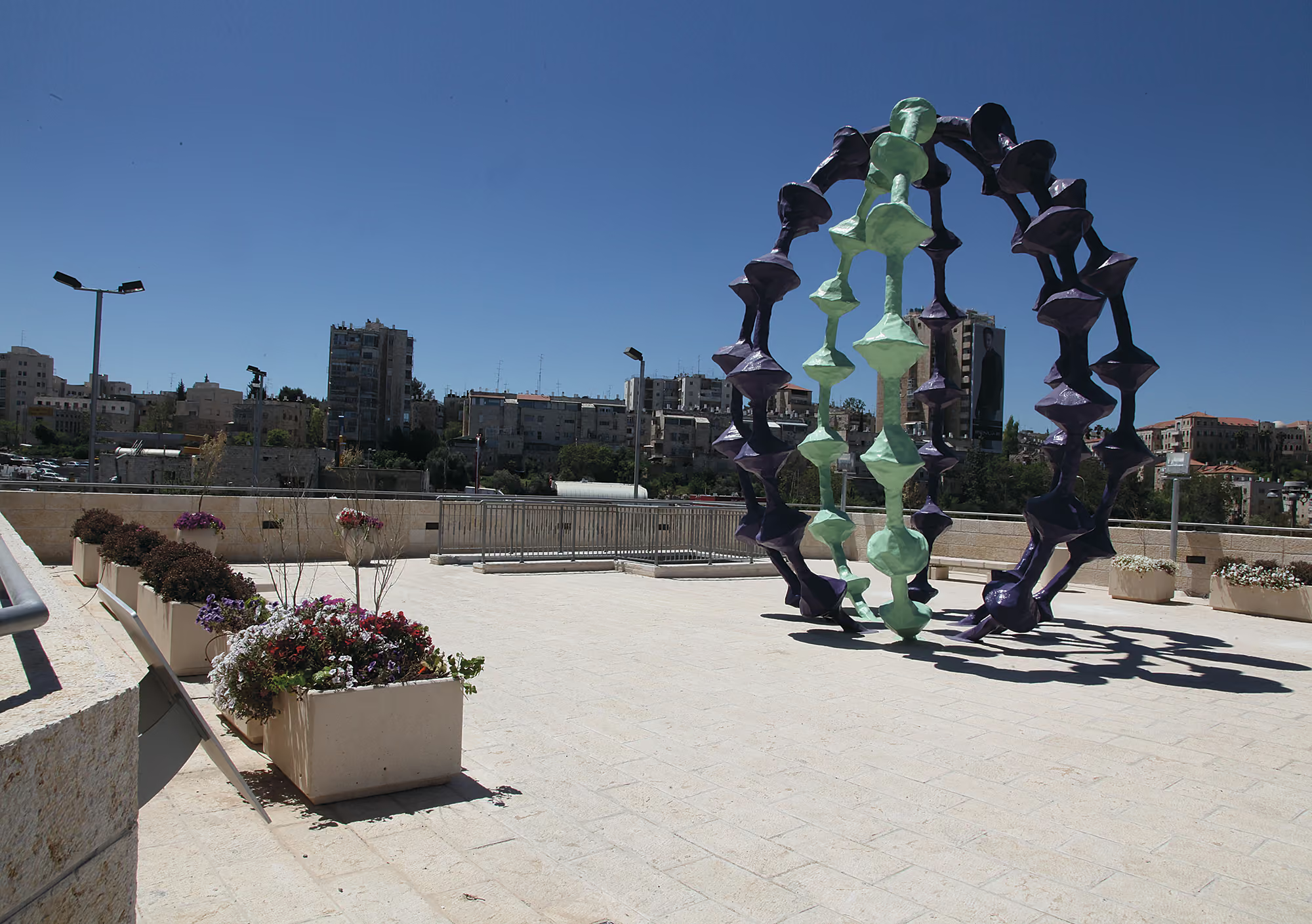
Waiting Room (Outdoor version), 2009/2010
Steel, polystyrene, painted epoxy resin
610 (H) x 535 x 535 cm
The sculpture stands on the forecourt of the Magen David Adom Jerusalem Station, the regional headquarters of Israel's national emergency medical service. West's mother was a dentist whose practice adjoined the family apartment. Waiting Room (Outdoor version) is a seating sculpture and can be used as its title suggests.
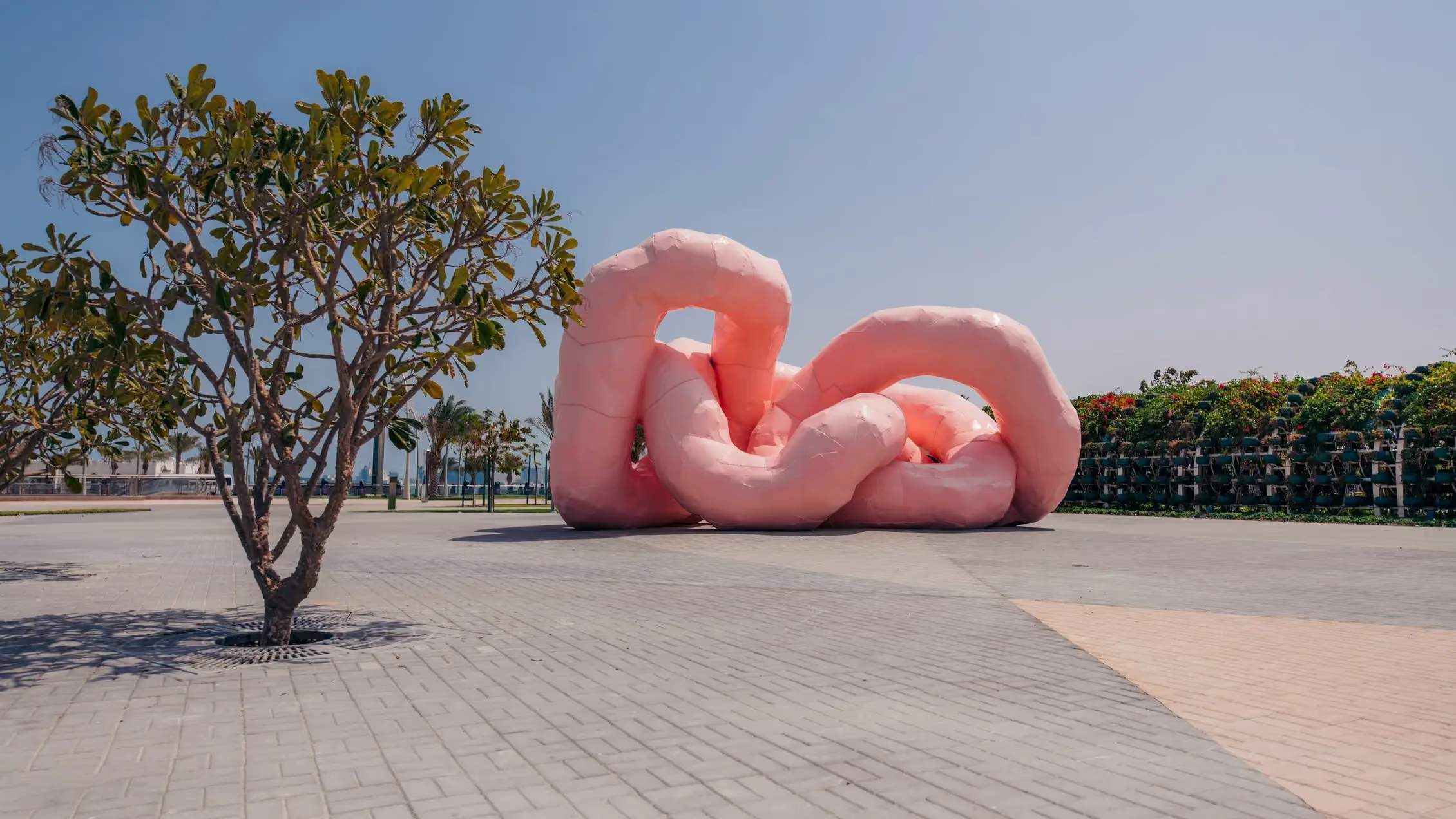
Mesentery, 2011
550 (H) x 650 x 1100 cm
Painted aluminium
At eleven metres long, Mesentery is Franz West's largest sculpture, alongside its vertical counterpart “Krauses Gekröse”. It was installed on Doha's Corniche near Al Masrah Park for the 2022 FIFA World Cup in Qatar. The seven-kilometre Doha Corniche is a waterfront promenade on the Arabian Gulf with sweeping views of the skyline. Works by Jeff Koons, Yayoi Kusama, KAWS and Katharina Fritsch were also installed as part of the World Cup programme.
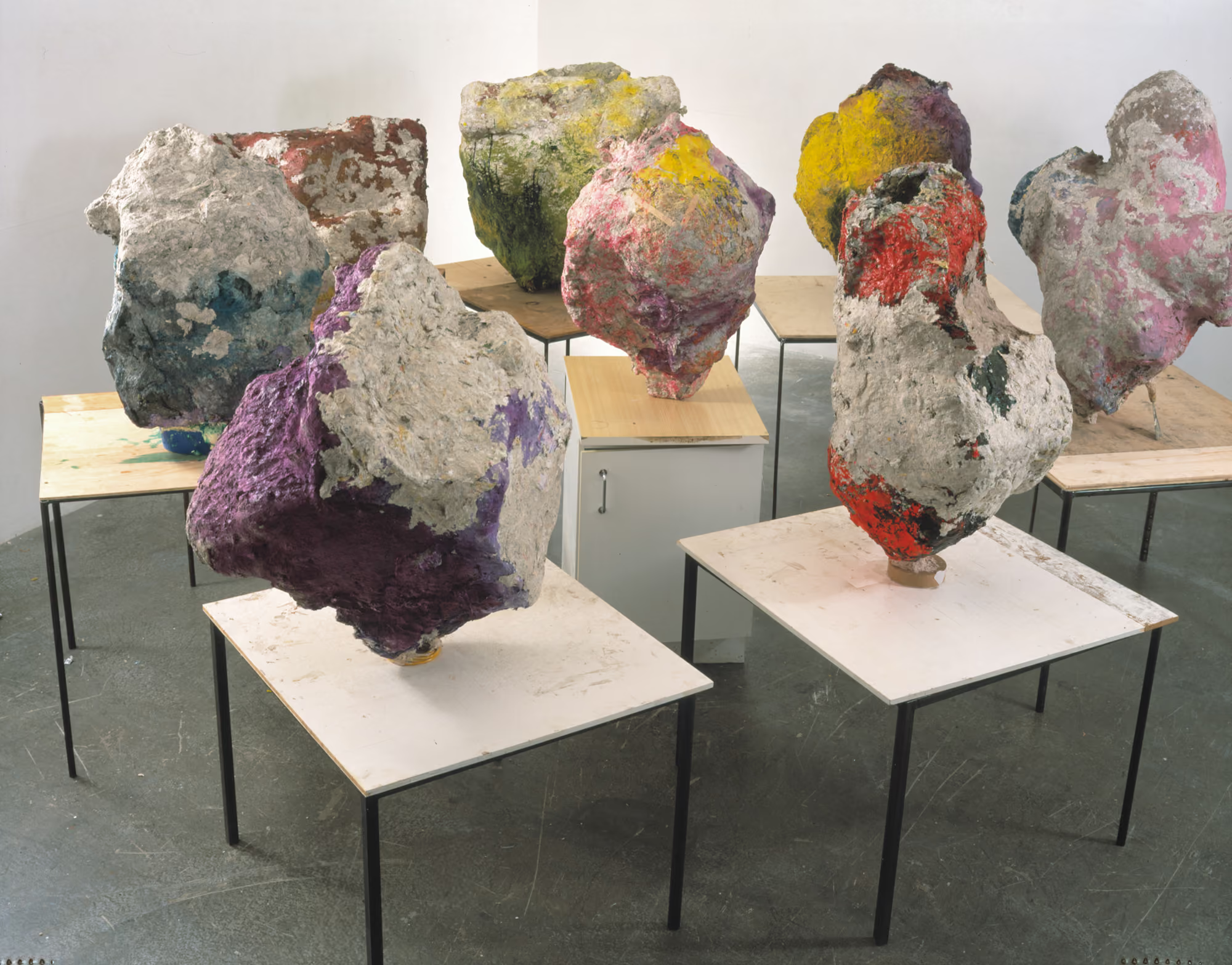
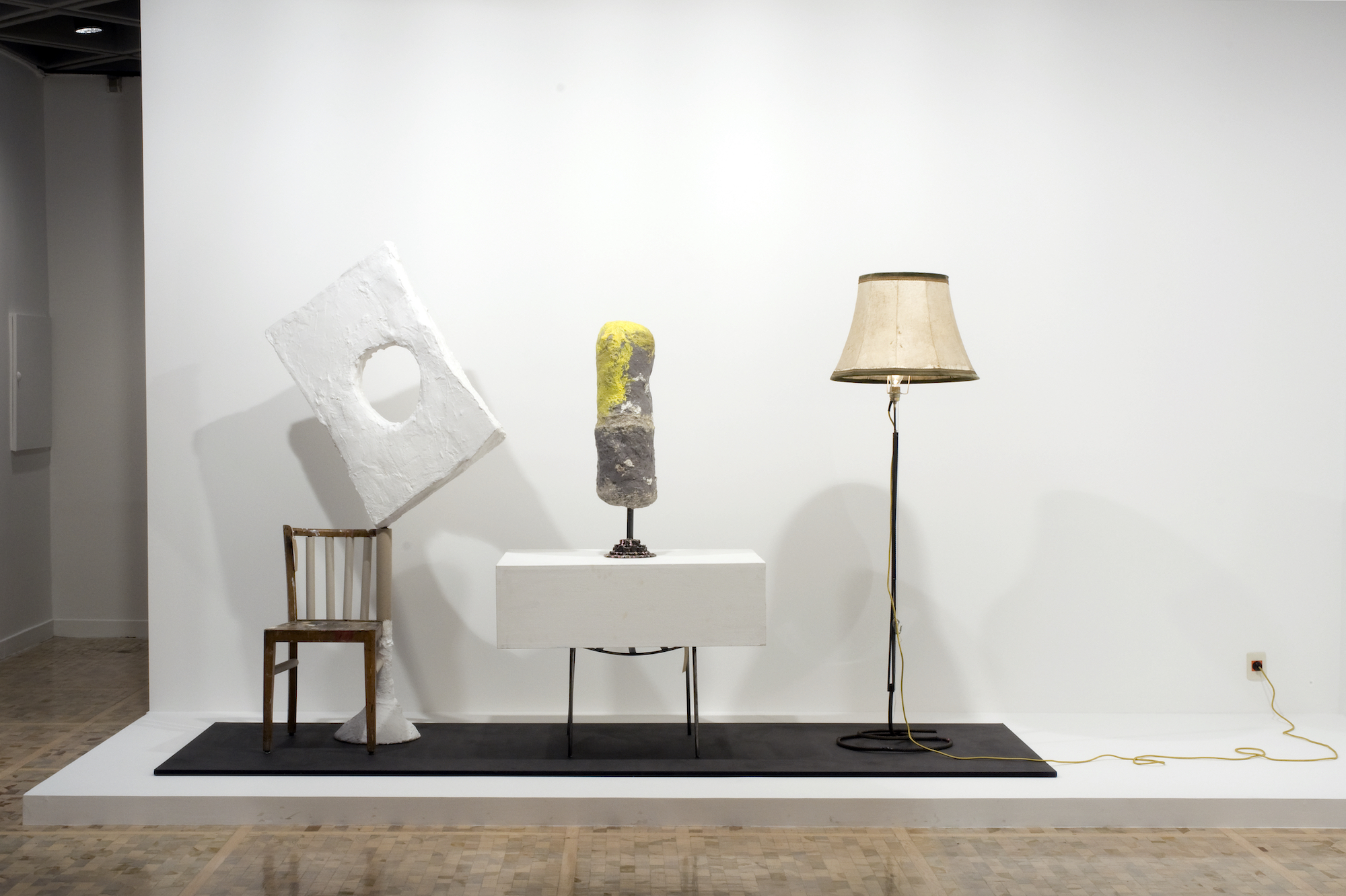
“Group with Cabinet” appeared in Franz West's first solo exhibition at Gagosian in London in 2001. It comprises eight sculptures on tables, one of them on a small cabinet with a door. The work is now in the collection of the Centre Pompidou.