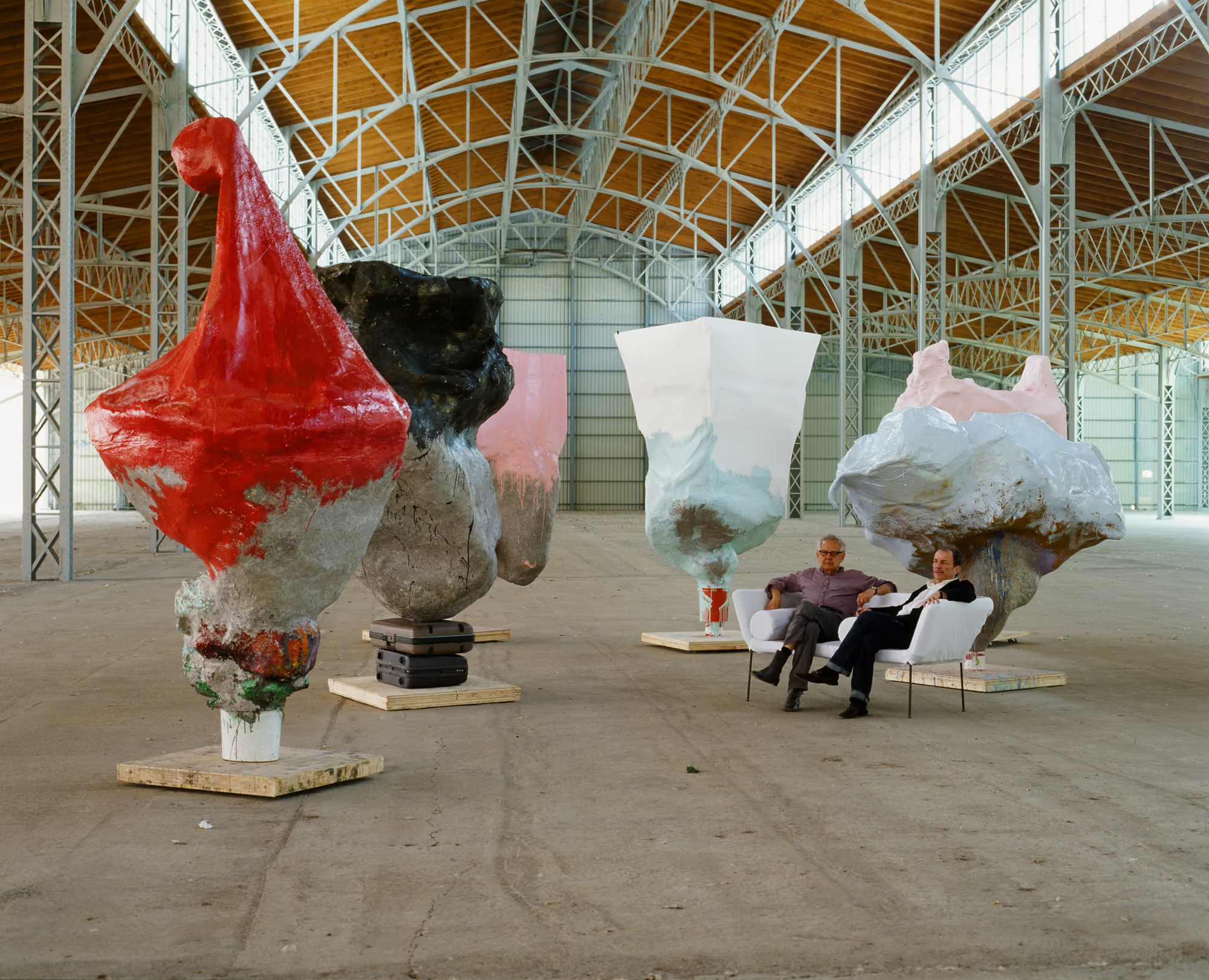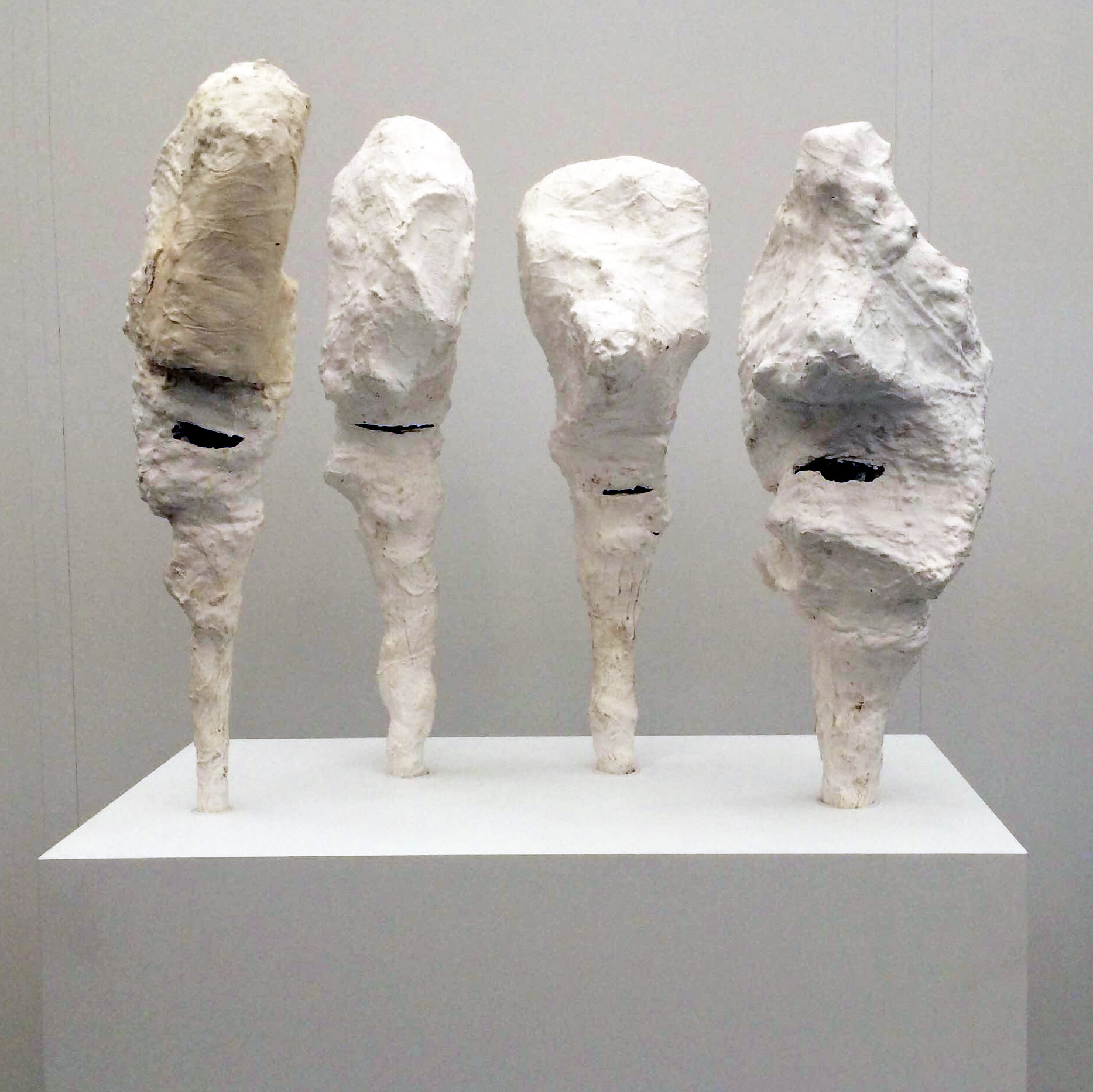
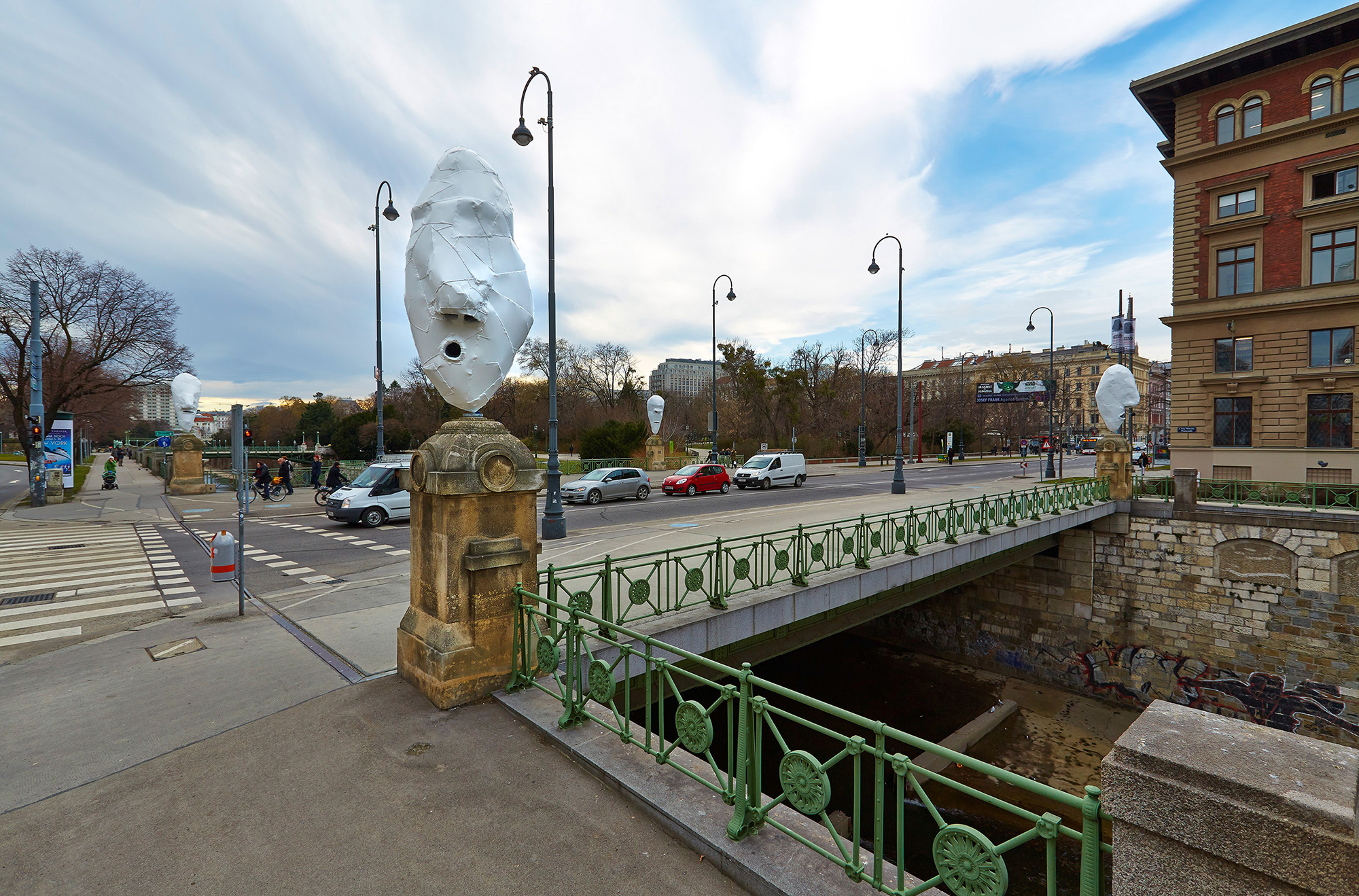
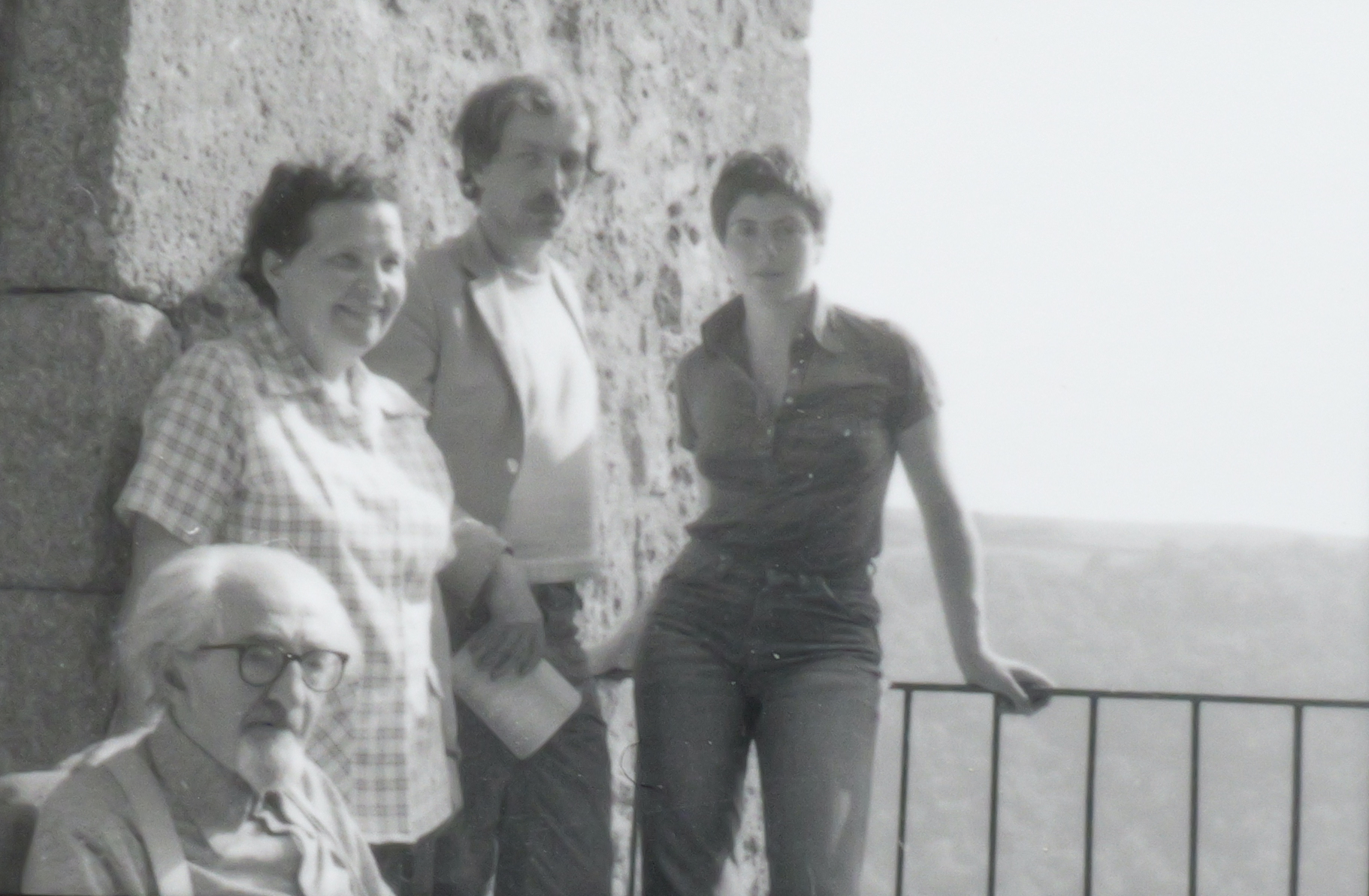
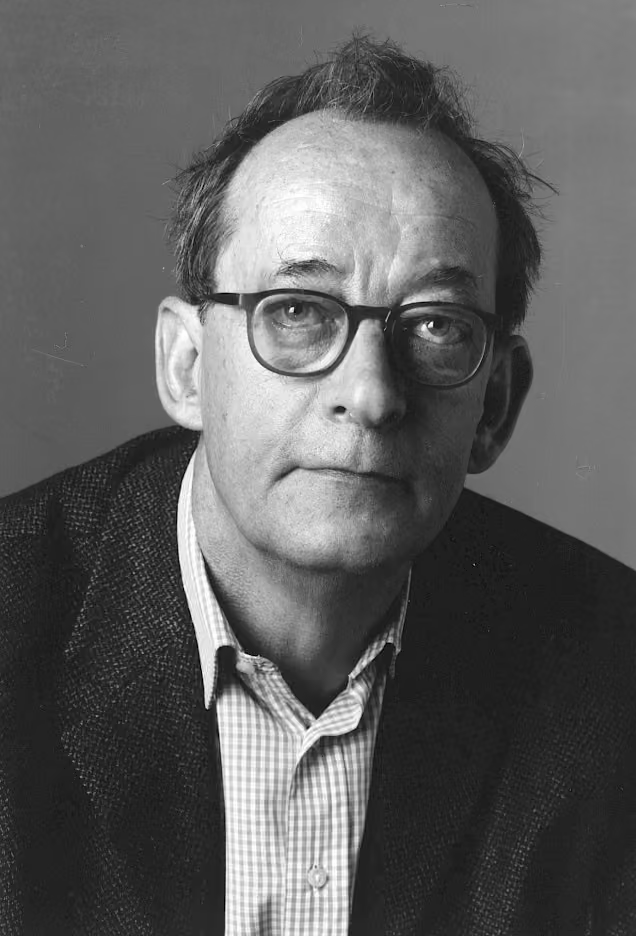
Hermann Czech (born November 10, 1936, in Vienna) is an Austrian architect.
"The inspiration for the heads that I also show there actually came from Hermann Czech. He wanted depictions of people for his bridge in Vienna's Stadtpark."

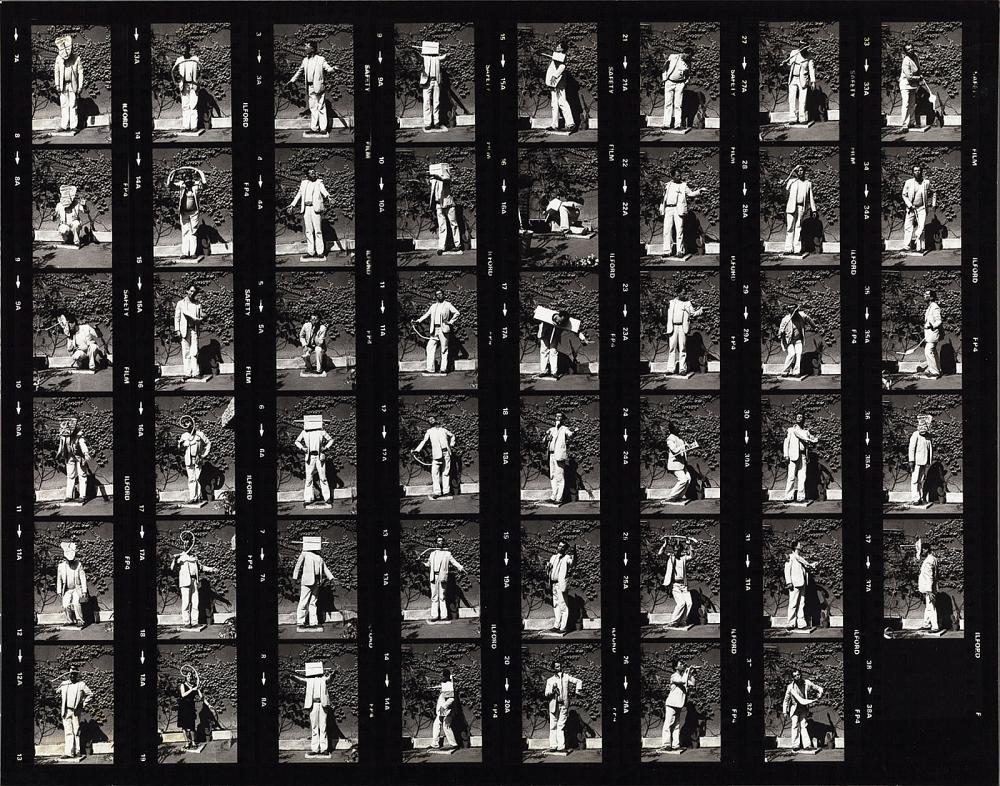
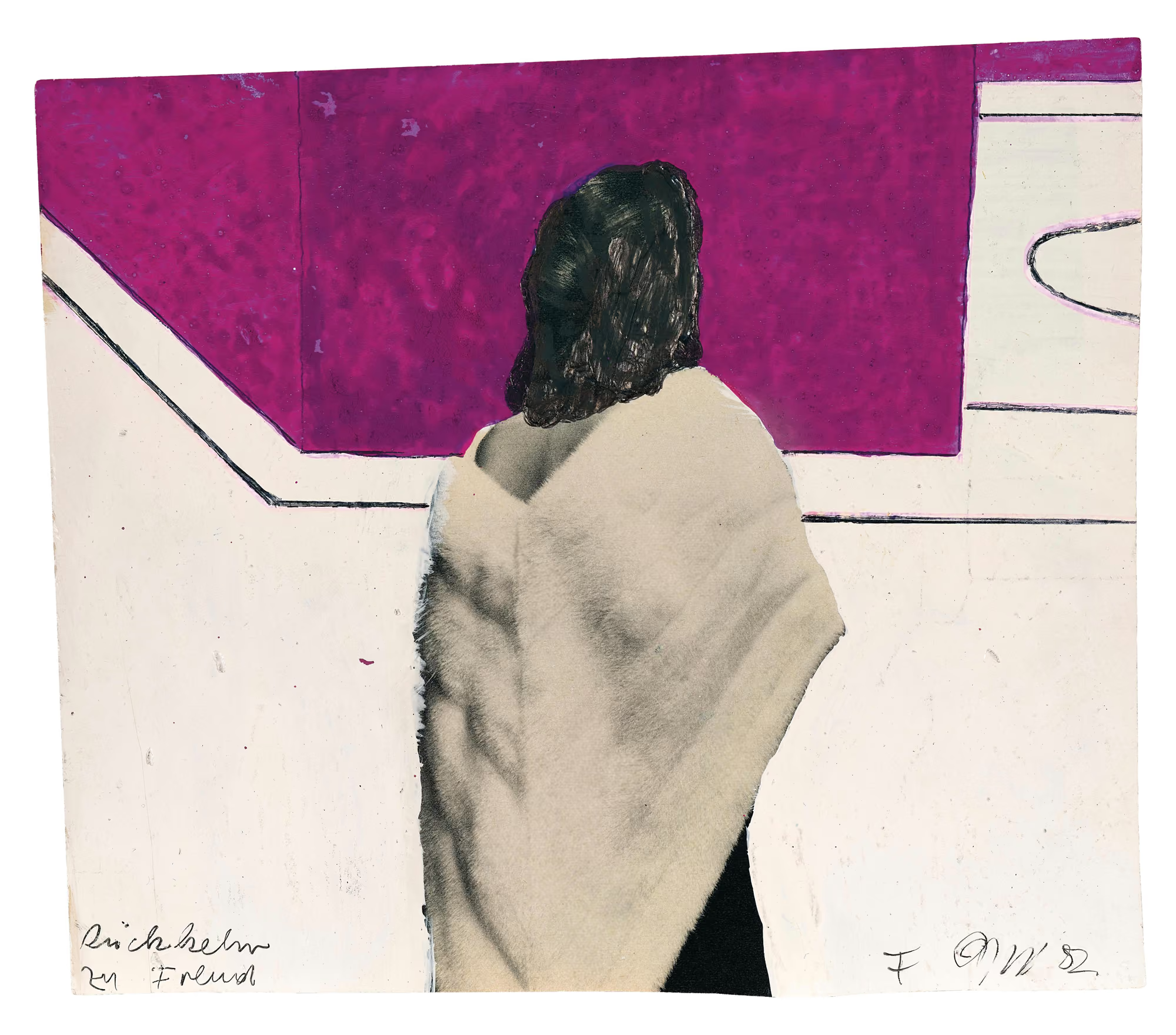
Friedl Kubelka (born 1946 in London) is an Austrian photographer, filmmaker, and visual artist.
"And that’s how it is with the photographs of the Adaptives. It was also about a kind of identification, something like: I am now completely inside the object being depicted, but not really."
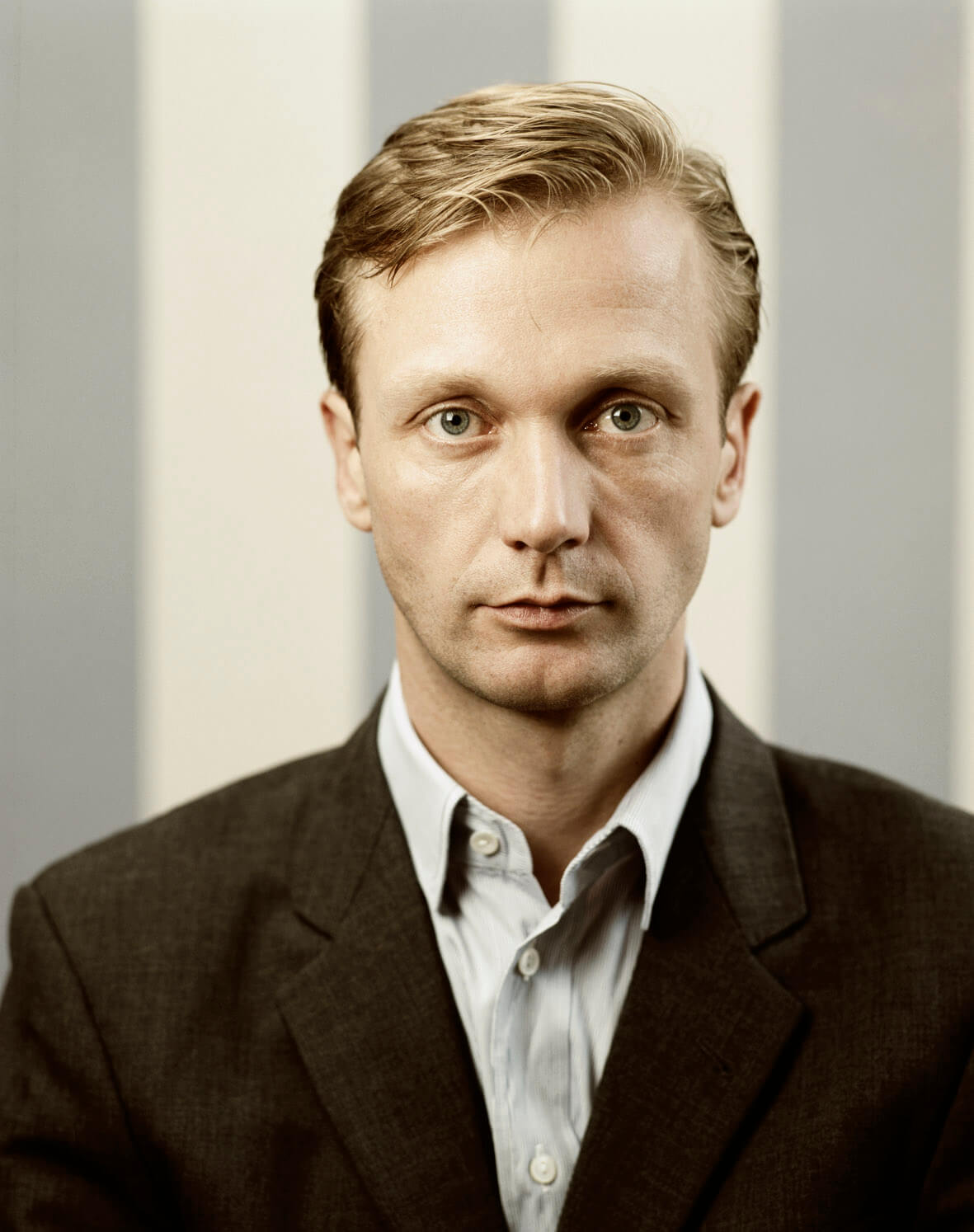
Heimo Zobernig (born April 30, 1958, in Mauthen, Carinthia) is an Austrian artist; he lives and works in Vienna.
"I still have an exterior design I asked Heimo to help me with. It’s a Gürtel project, intended to revitalize the Gürtel [...] The urinal by the Volksoper—I want to put something on top of it, in the shape of a bubble, a cross between a pitcher and a bubble."
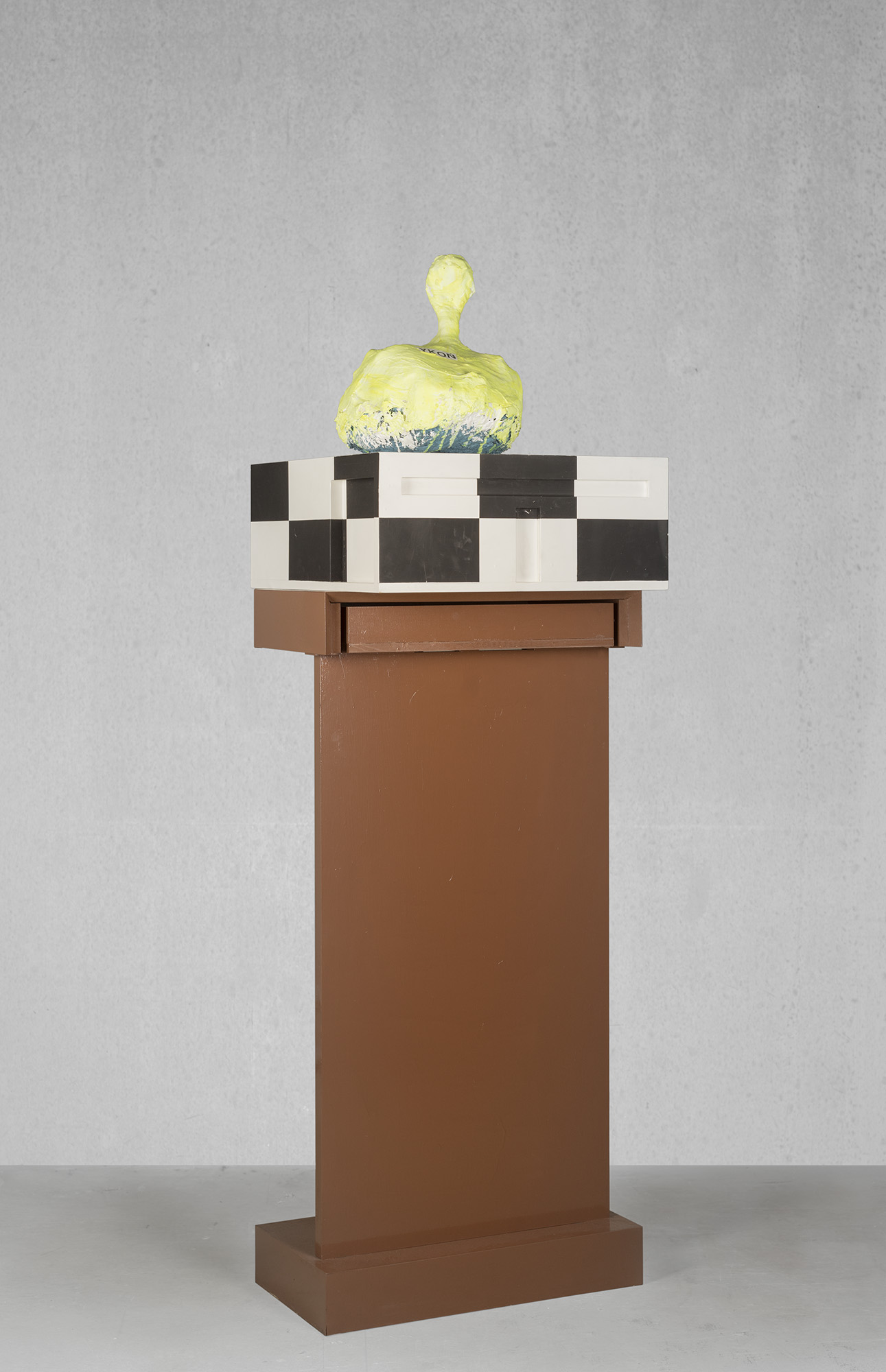
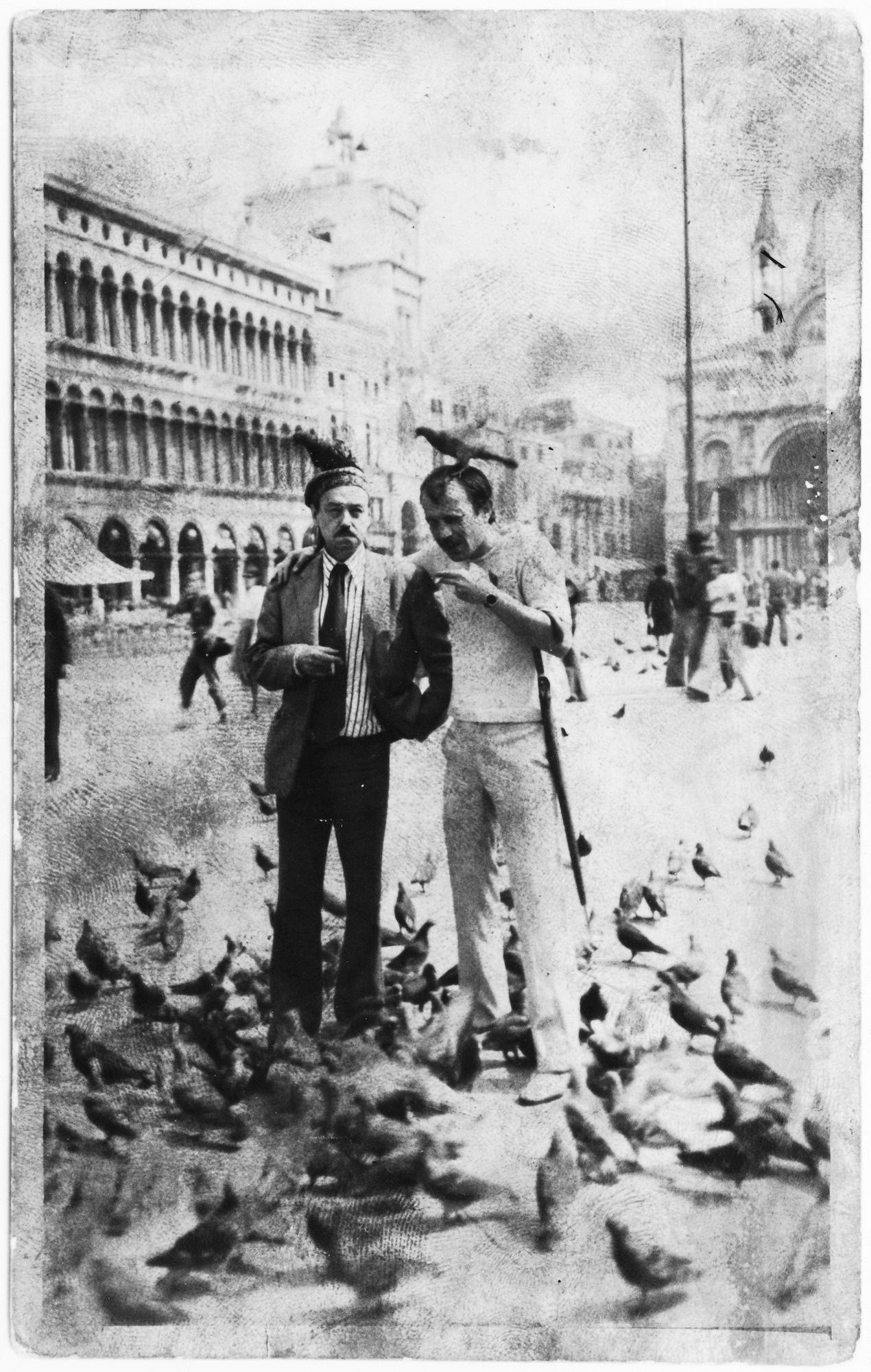
Otto Kobalek, born Krbalek (1930 in Vienna; † 1995), was a Viennese Original and part-time artist in the circle of Helmut Qualtinger. He was also known by the pseudonym Otto Zokan.
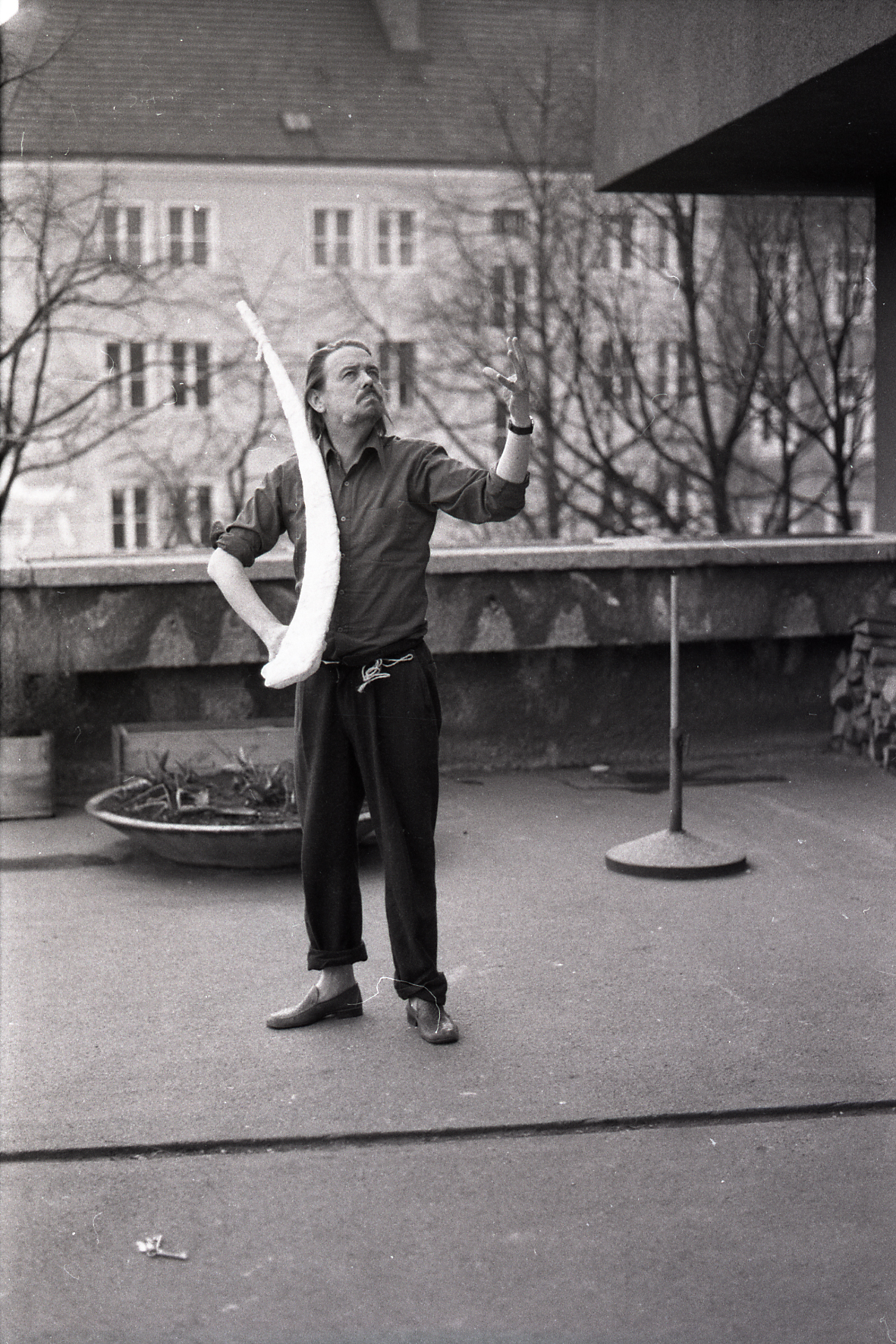
Reiter Raabe: [...] We were at your brother's...
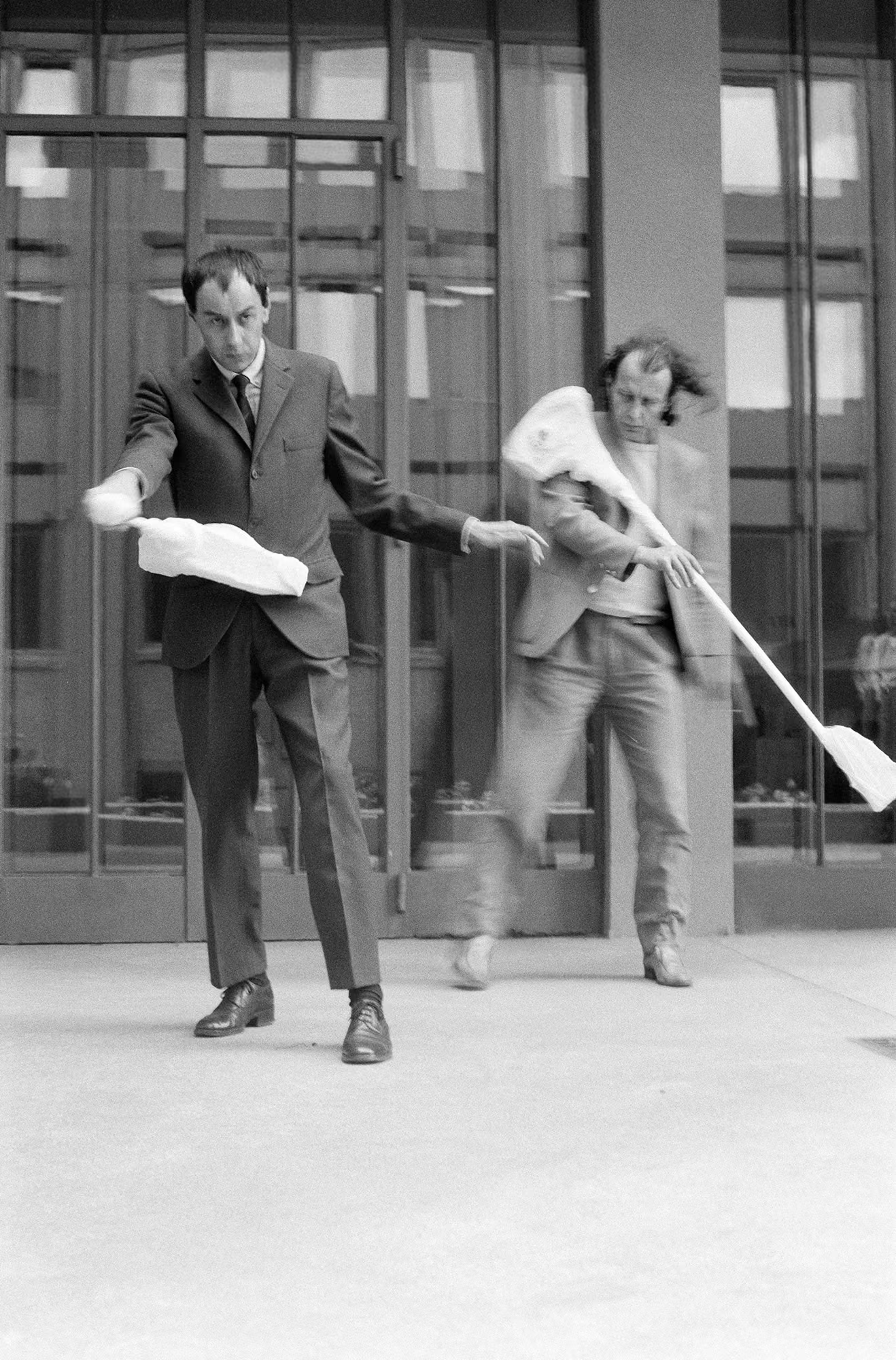
West: Yes, he was an actor, after all, and was always posing in cafés, even when we were at home having lunch with my parents. He would start telling stories, waving his arms around or gesturing wildly. That was an inspiration, too. Including for the photos, where people pose with the sculptures.
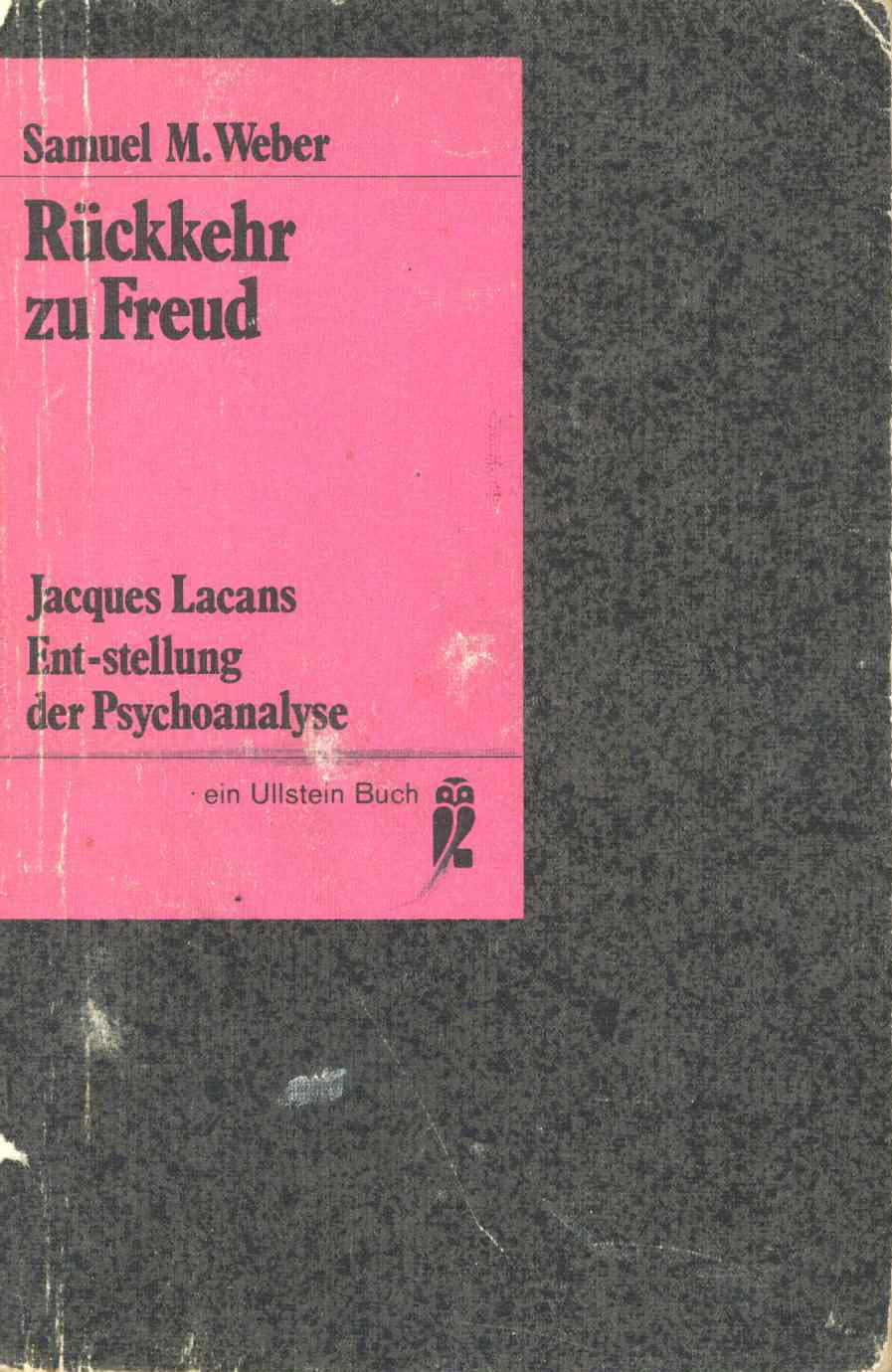
Sigmund Freud (born 1856 in Freiberg in Mähren, Austrian Empire; died 1939 in London, United Kingdom) was an Austrian physician, neurophysiologist, depth psychologist, cultural theorist, and critic of religion.
"I once [...] claimed, with my superficial knowledge of Freud, that if one could visually perceive neuroses (the 'knocker'), they would look like Adaptives, which are, so to speak, scores for gestures."
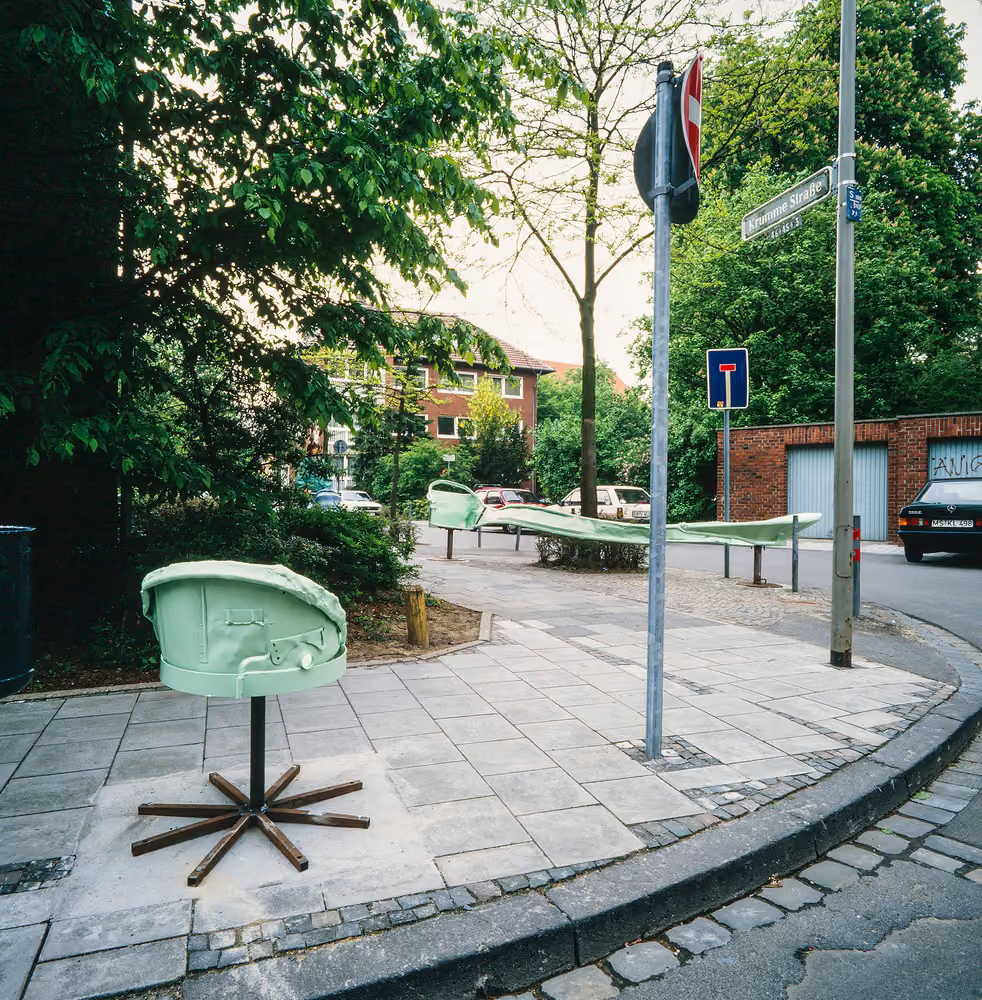
Kasper König (born November 21, 1943, in Mettingen, Westphalia, as Rudolf Hans König; died August 9, 2024, in Berlin) was a German curator. In 1976, together with Klaus Bußmann, he initiated the Skulptur Projekte Münster, which takes place every ten years simultaneously with documenta.
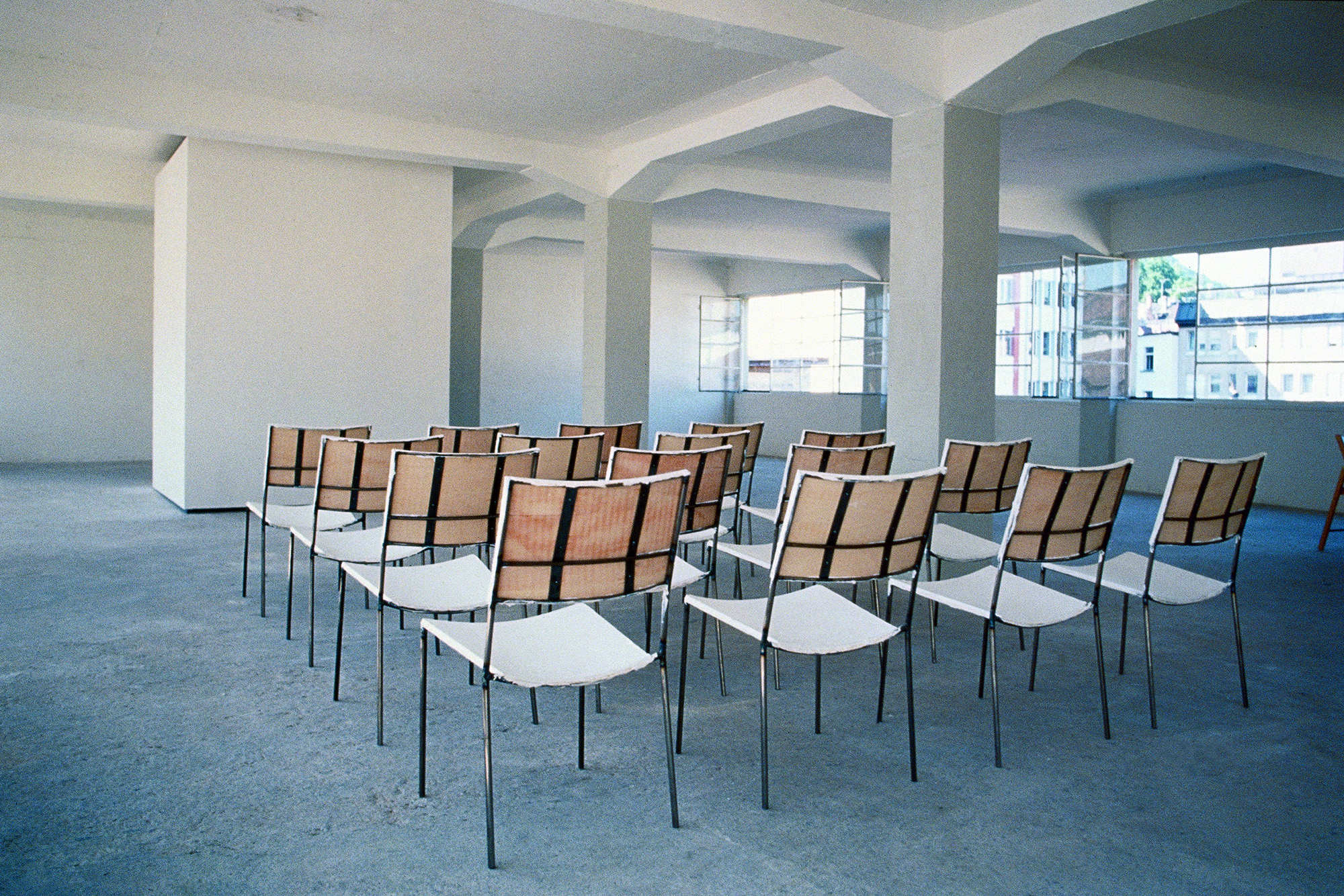
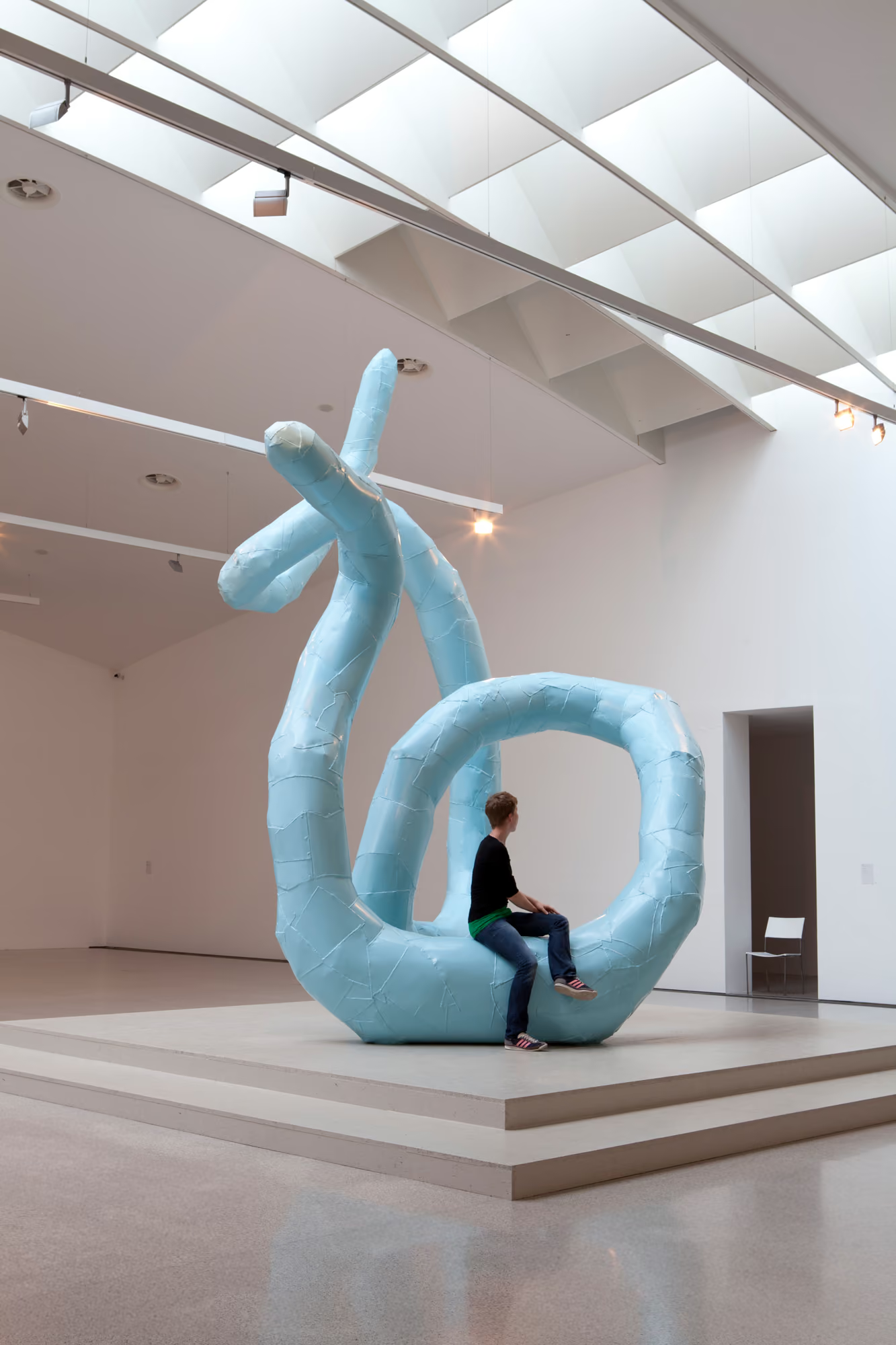
"Kasper König invited me to participate in the major sculpture exhibition in Münster. It was supposed to take place outdoors, and I didn't really know what I should do there. [...] So, making sculptures for the outdoors would have seemed completely crazy to me at the time. And so I thought to myself, I'll make seating."

Bruno Gironcoli (born September 27, 1936, in Villach; died February 19, 2010, in Vienna) was an Austrian painter and sculptor. In 1977, Gironcoli was appointed the head of the sculpture department at the Academy of Fine Arts Vienna, where he succeeded Fritz Wotruba and taught until 2004.
"Gironcoli told me I should come by sometime. That was at the beginning of his teaching career, and he had almost no students. I ended up staying for five years. By the time I left, the art market boom was just getting started."
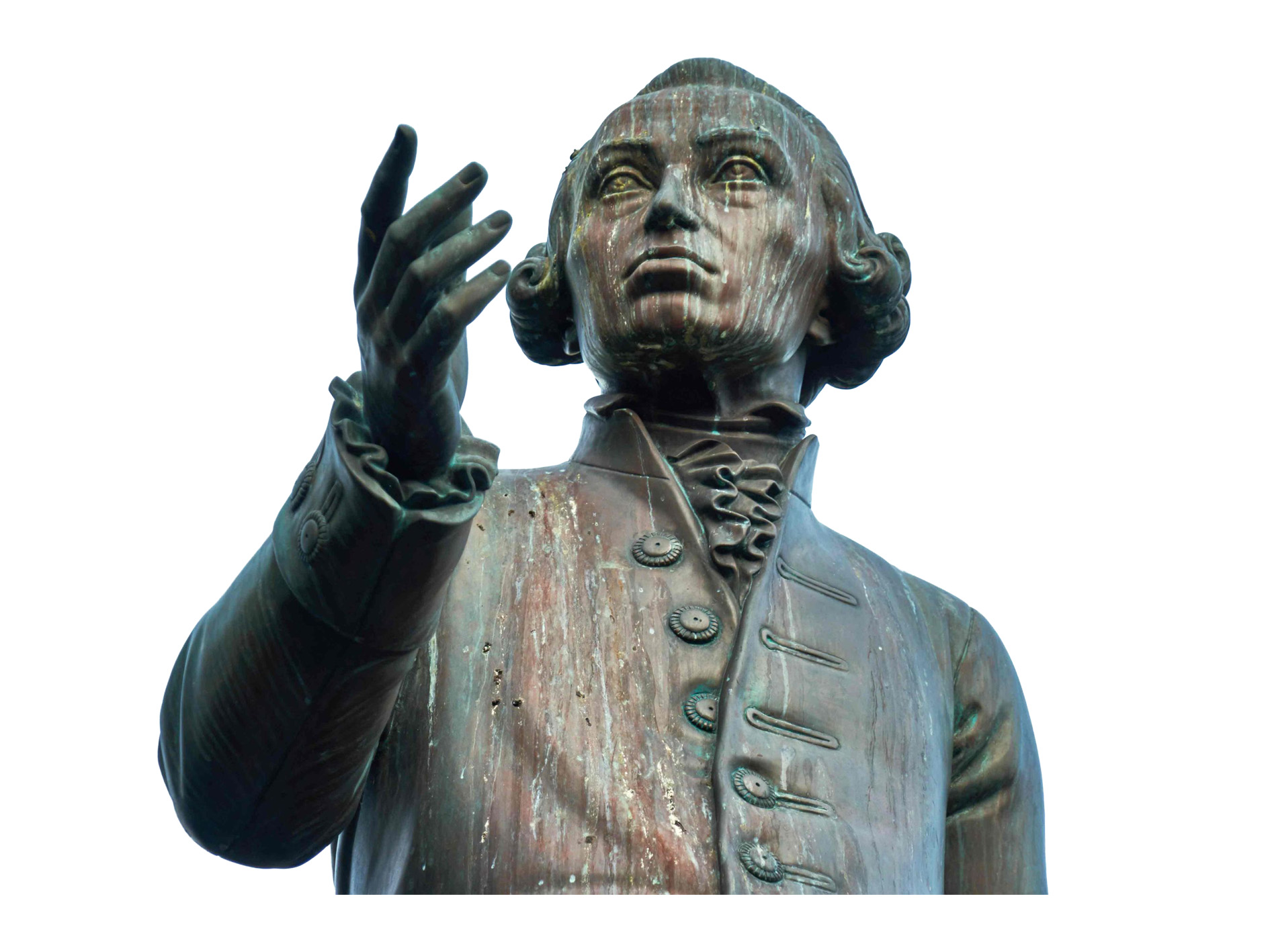
Immanuel Kant (* 1724 in Königsberg, Prussia; † 1804 in the same city) was a German Enlightenment philosopher and, among other things, a professor of logic and metaphysics in Königsberg.
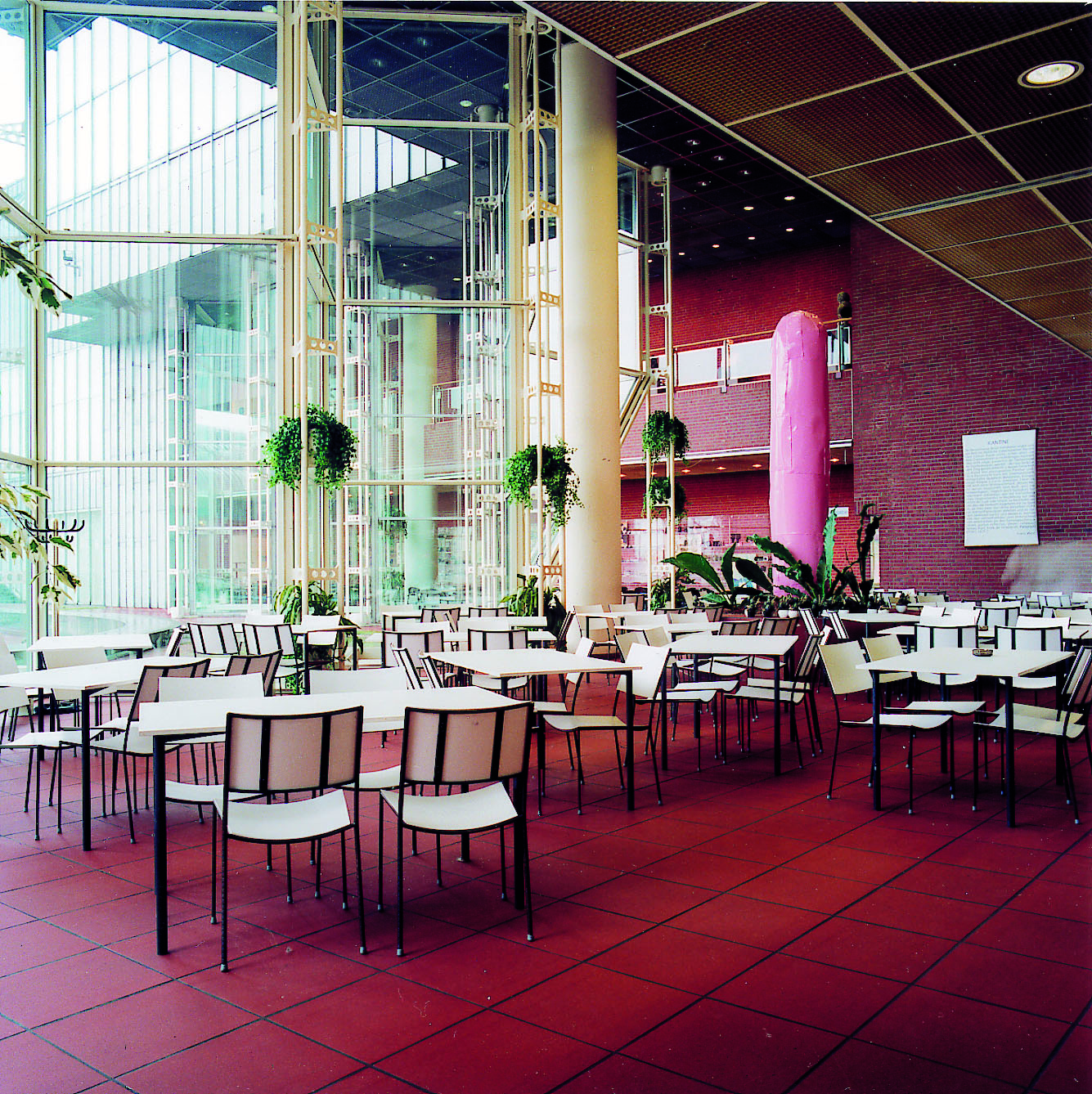
"I was made aware of this 'canteen', meaning the buffet, just as I was trying to get through Kant once again. In the 'Critique of Judgment' he discourses on art, and associating 'Kant' with 'canteen' was something that happened in hindsight."
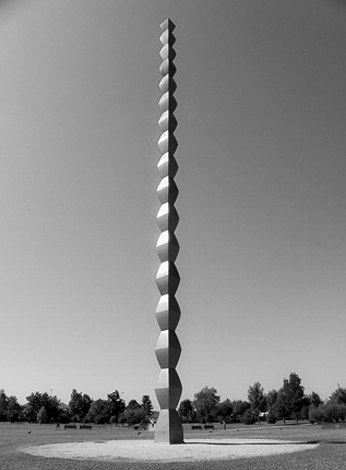
Constantin Brâncuși (1876 in Hobița; 1957 in Paris) was a Romanian-French modernist sculptor who also photographed his works within the setting of his studio.
Reiter Raabe: Brancusi [...] is often depicted with and alongside his figures. But the most fascinating photos are the ones he took of his own sculptures. [...]
West: That is certainly an interesting fact. And that is why I have started having people pose next to or with the sculptures. That seems more interesting to me [...] It is better when living people are included.
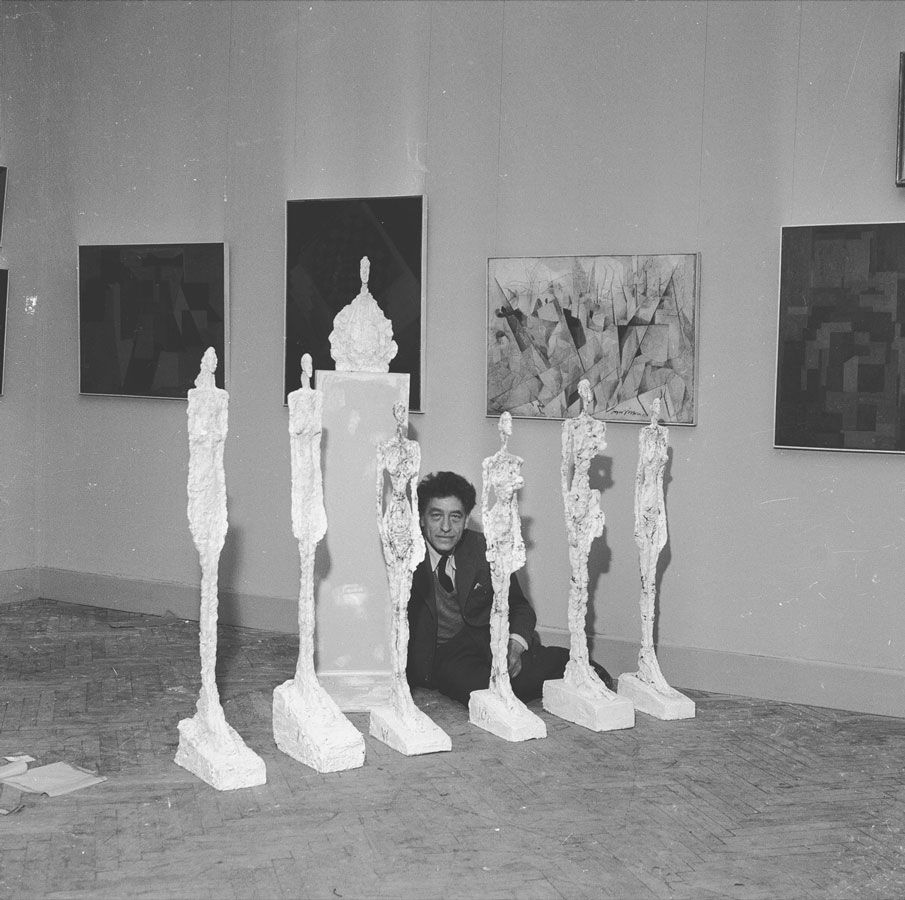
Alberto Giacometti (born 1901 in Borgonovo, died 1966 in Chur) was a Swiss sculptor, painter, and printmaker of the modern era. From 1922 onwards, he lived and worked primarily in Paris.
"I didn't like white until the moment I saw a Giacometti exhibition. One of the sculptures was made of bronze and painted white – that satisfied my aesthetic requirements."
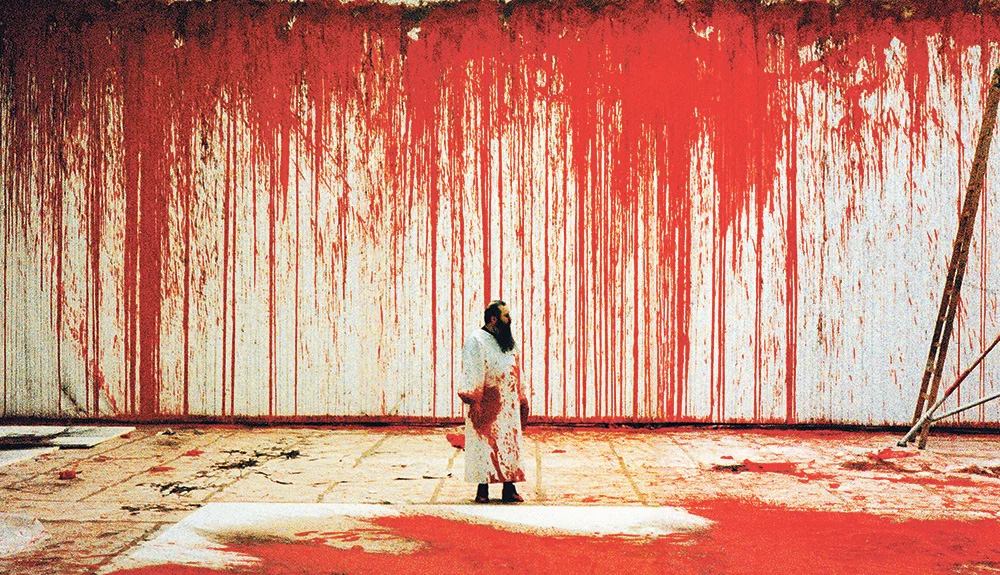
Hermann Nitsch (born 1938 in Vienna; died 2022 in Mistelbach) was an Austrian painter and performance artist.
"I was very young at the time when a flyer was handed to me: 'Festival of Psychophysical Naturalism' [...] I thought to myself, I have to check that out. Then there was Nitsch, hacking away at a lamb carcass with a guitar. It was truly unappetizing. [...] In any case, I didn't like it."
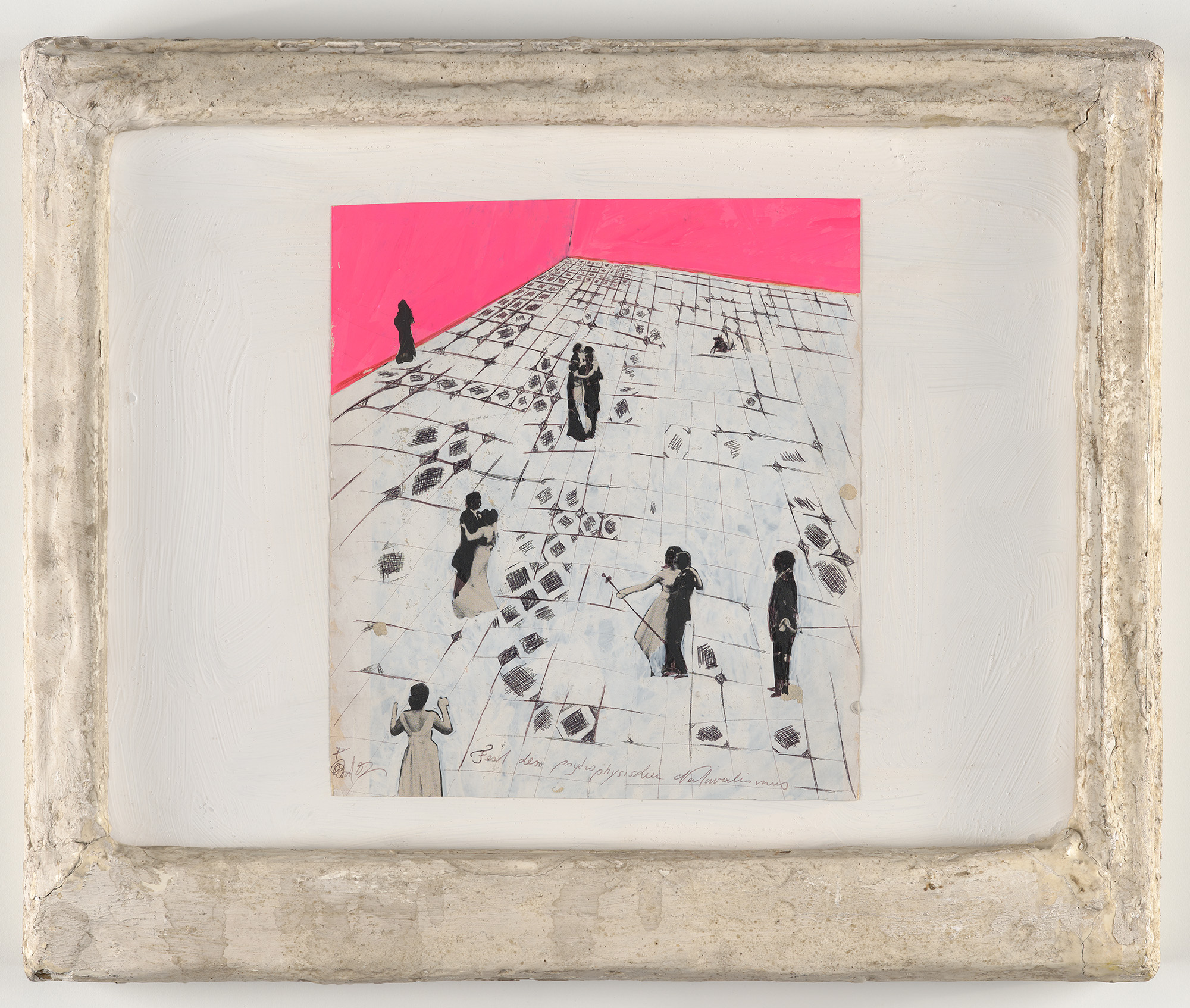
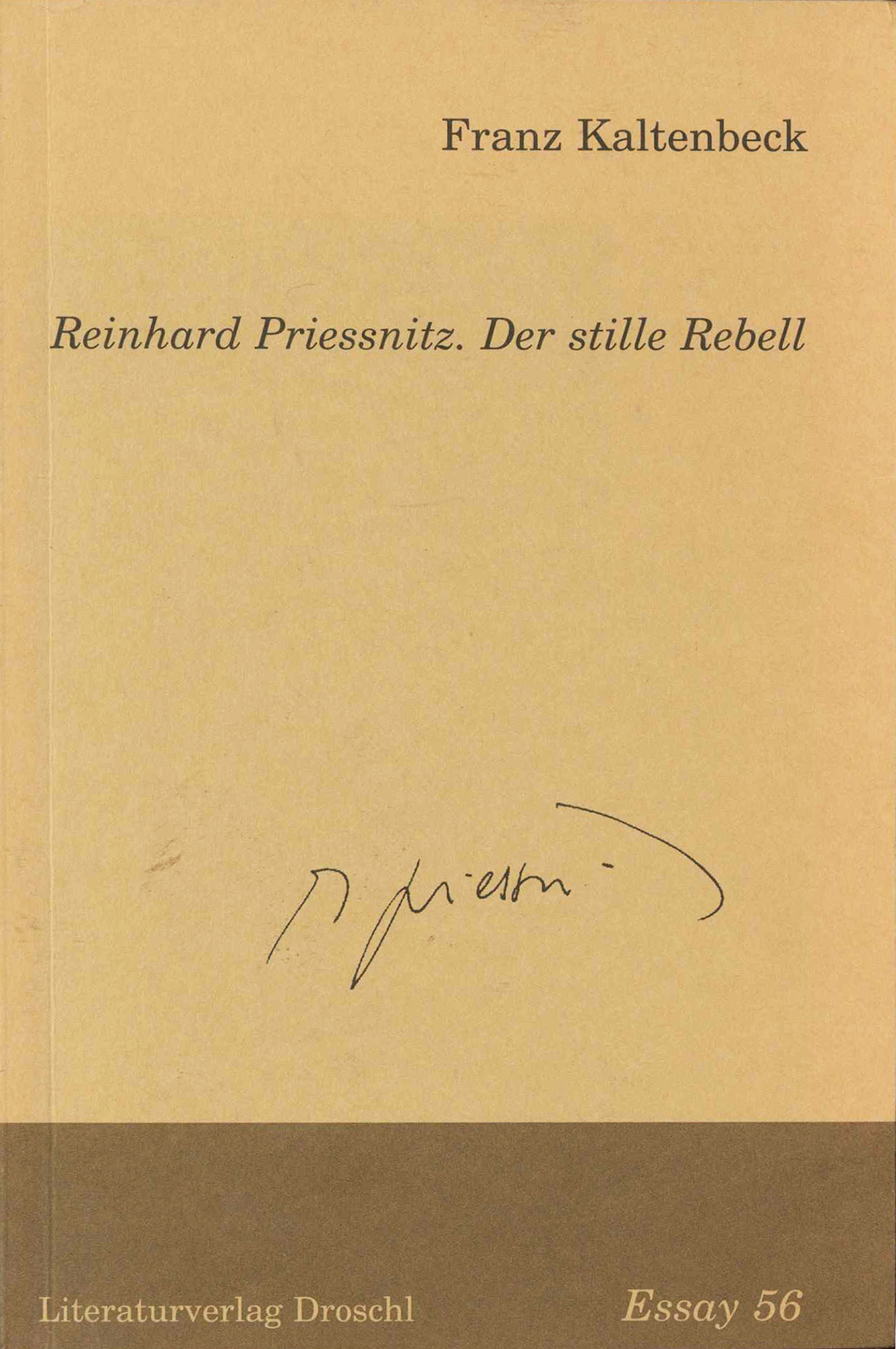
Reinhard Priessnitz (born 1945 in Vienna; died 1985 in the same city) was an Austrian poet and essayist.
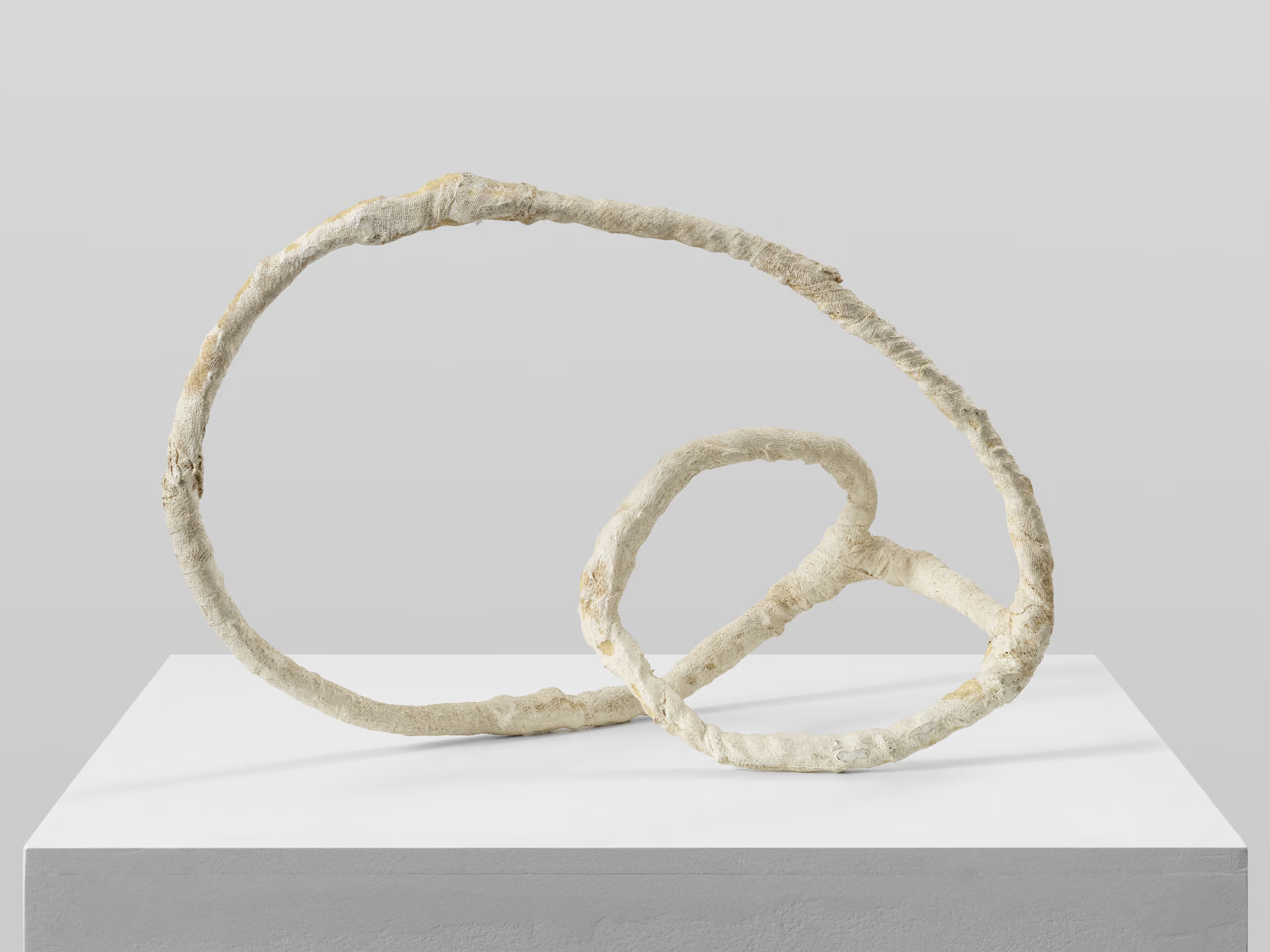
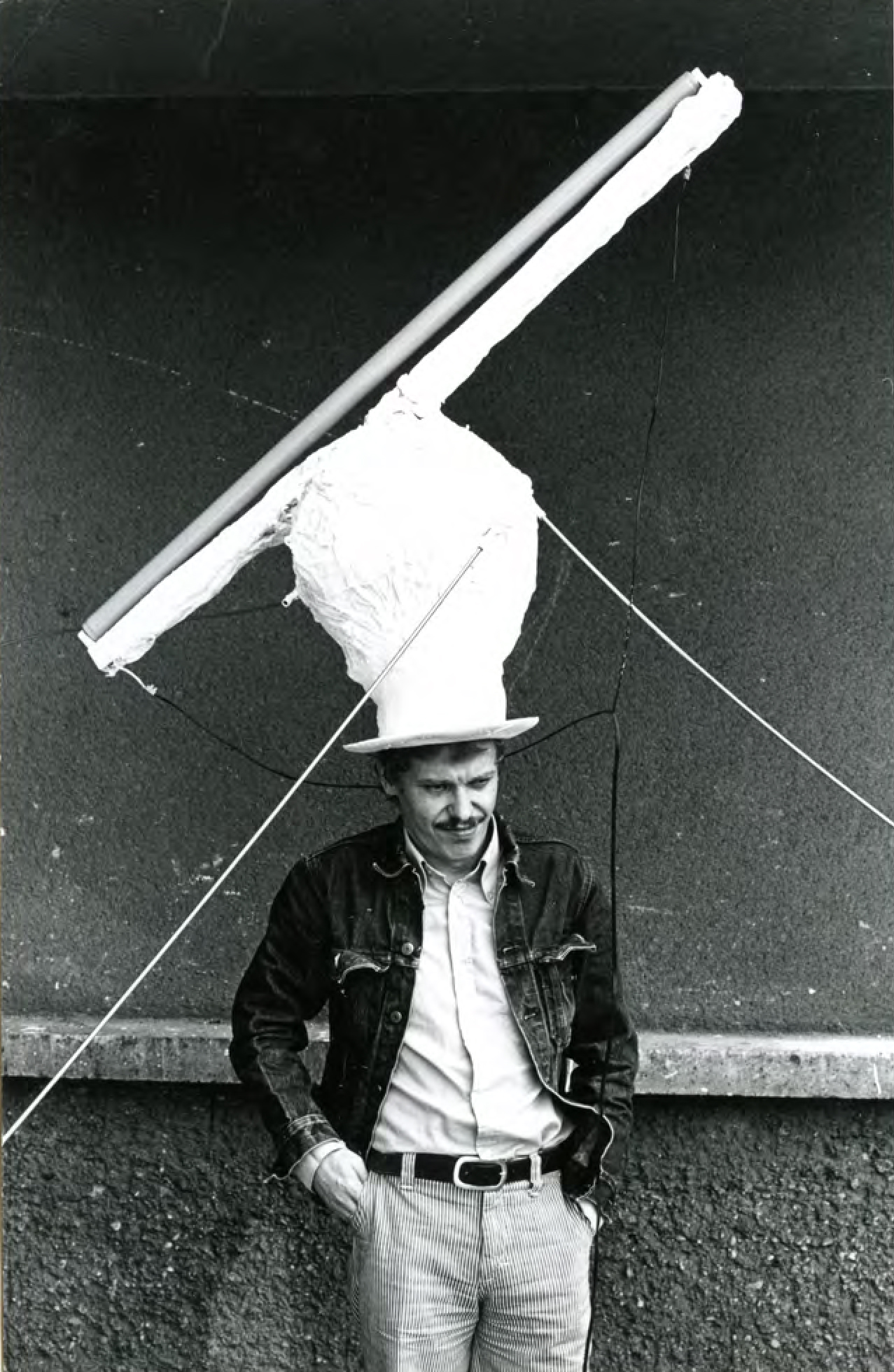
"That brings us back to Priessnitz. He said that one could call my works 'Passstücke' (Adaptives), and so I just used that term for these objects."
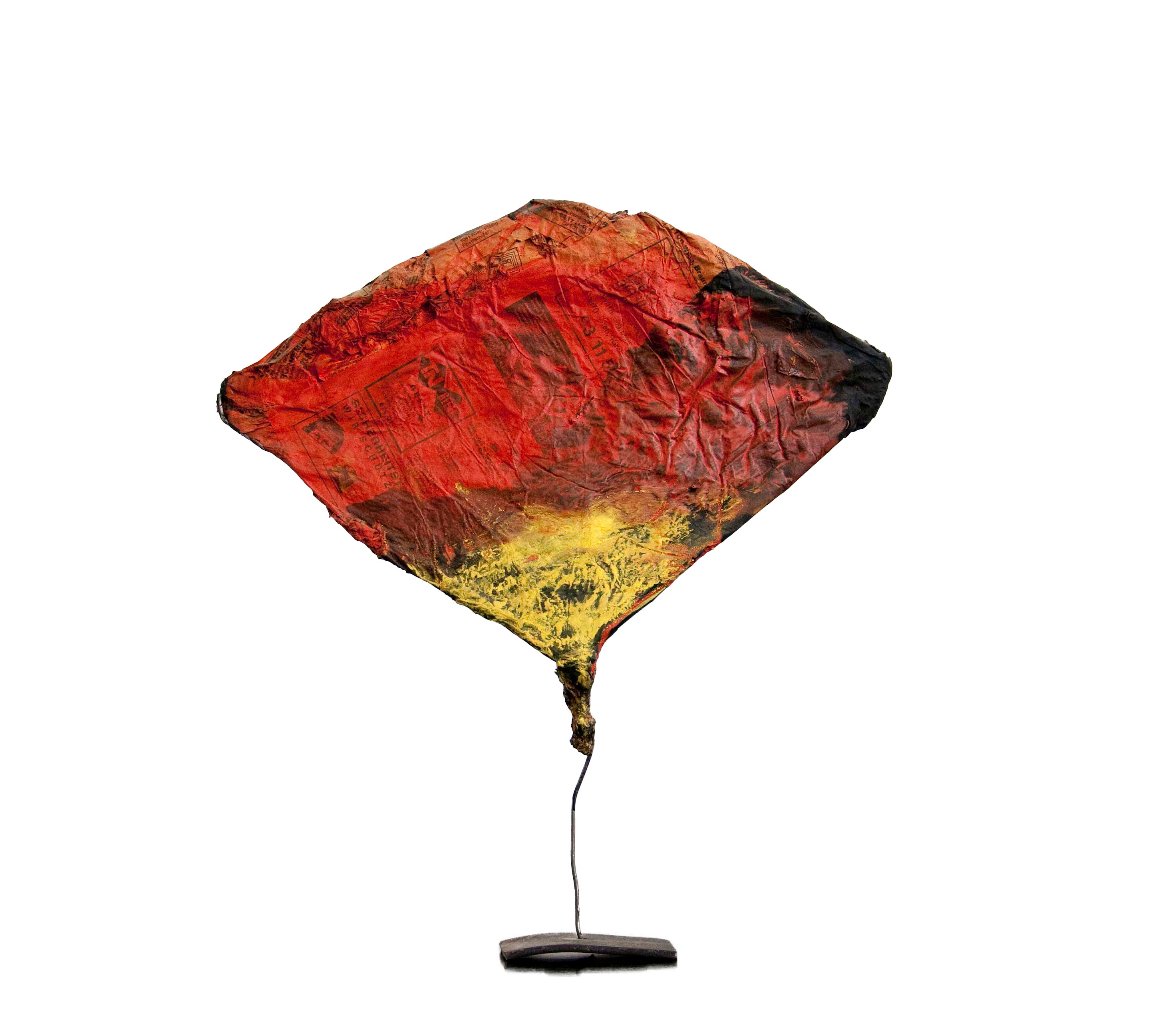
Herbert Brandl (born 1959 in Graz; died 2025 in Vienna) was an Austrian painter. He was associated with the "Neue Wilde" movement.
"I feel most drawn to Brandl's work, but I don't feel 'kindred' with anyone. But Brandl does things I could never do. On one hand, he works in an absolute blur of colors, and on the other, with coincidence. His everyday life is a series of coincidences, which I find very interesting about him [...]"
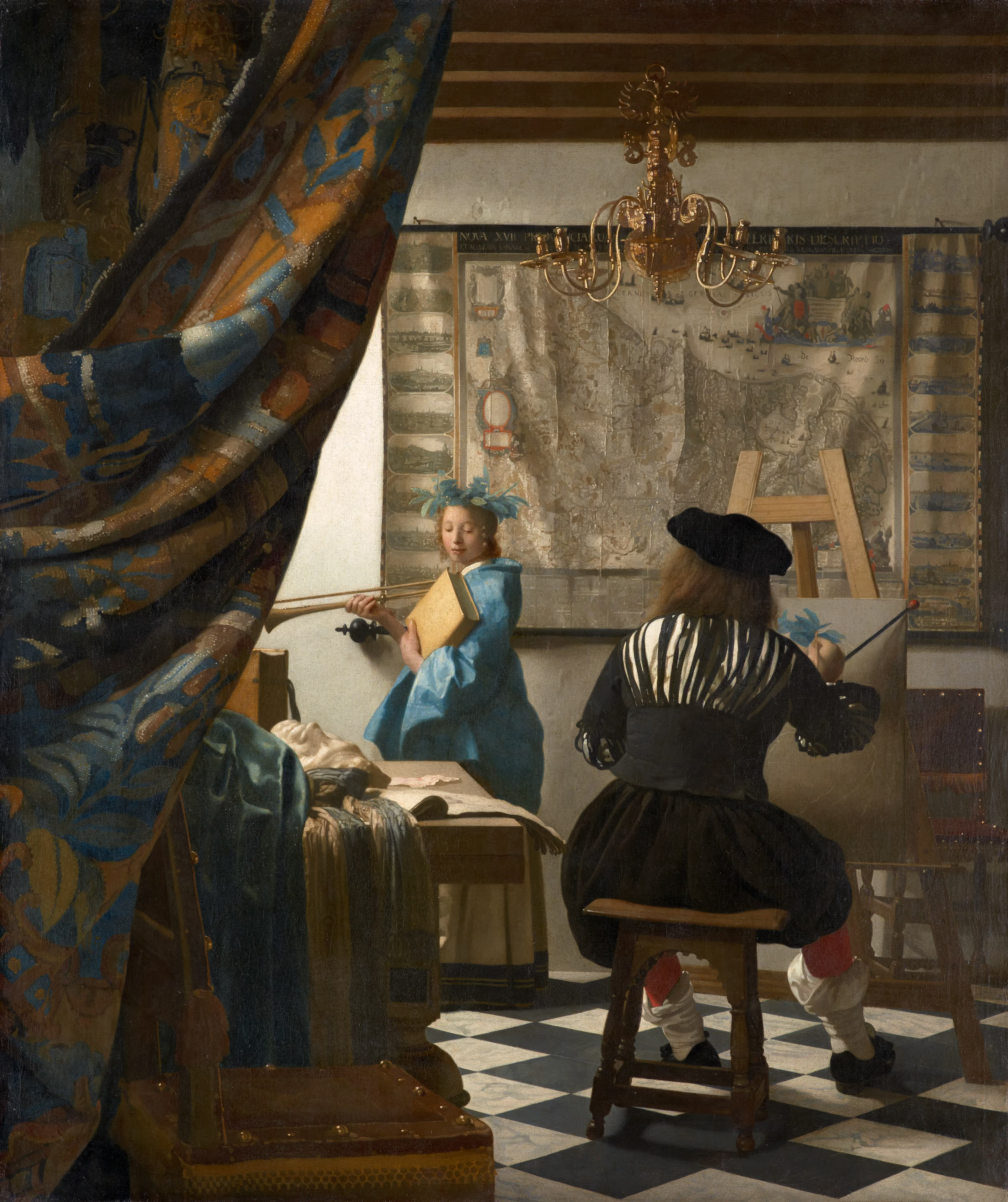
Jan Vermeer van Delft, also known as Johannes Vermeer (baptized October 31, 1632, in Delft; buried December 15, 1675, in the same city), is one of the most famous Dutch painters of the Baroque period.
Wolfgang Drechsler:
How did the ideas for your exhibition at the Kunsthistorische Museum come about? You are placing some of your chairs and loungers right in the middle of the painting gallery. Are these intended to provide potential users with a new perspective on the paintings?
Franz West:
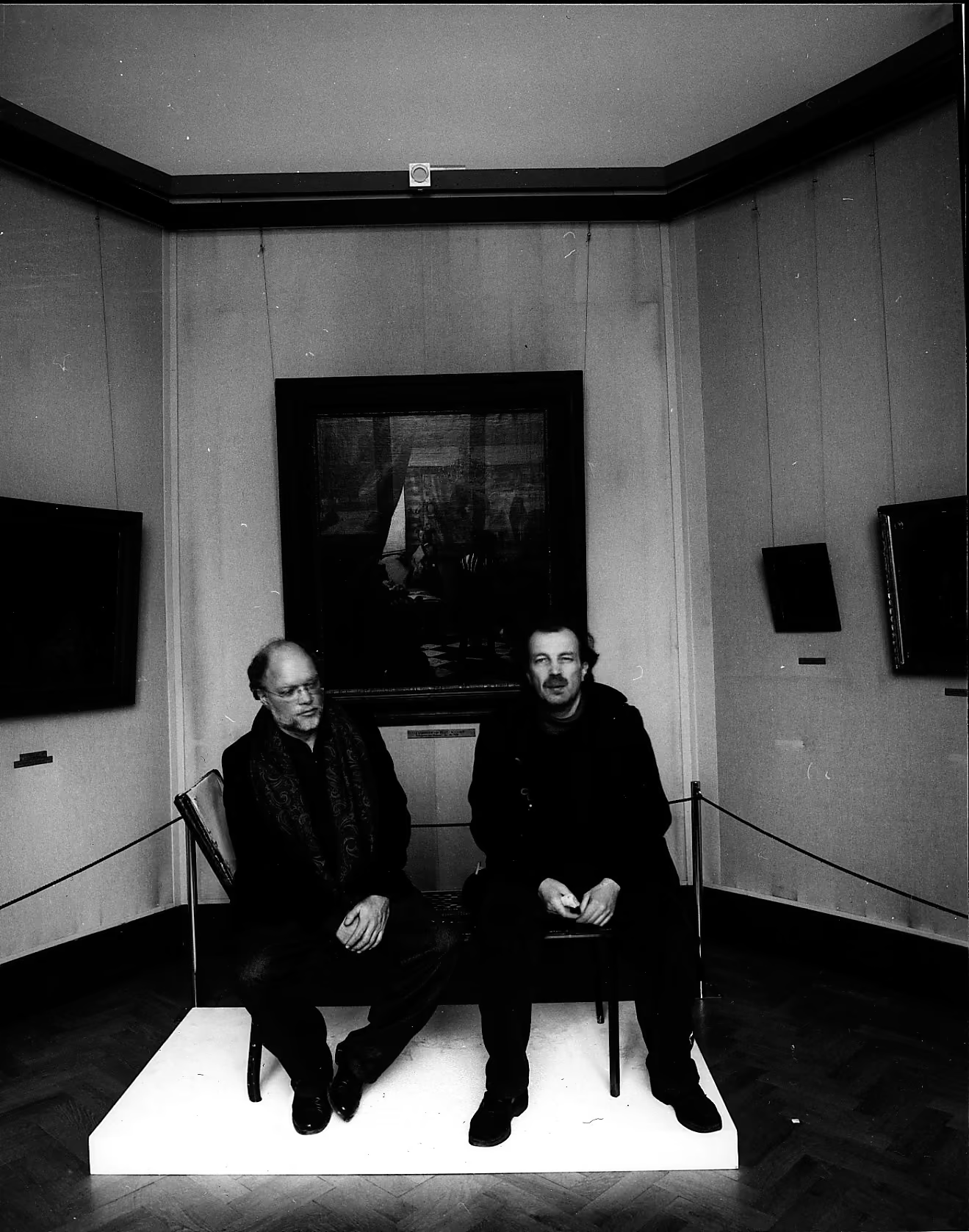
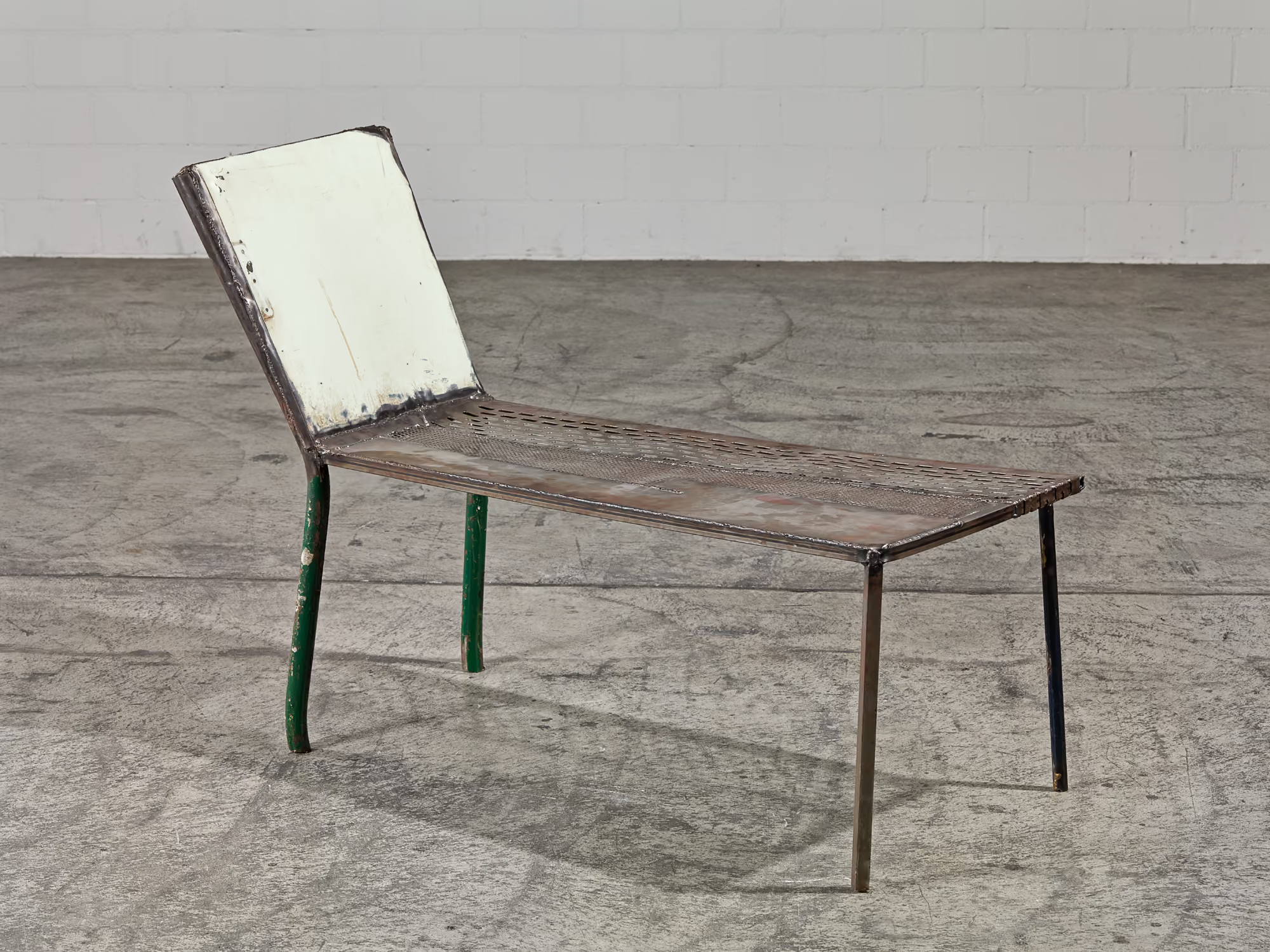
After Fra Angelico, I also looked at classical art. For example, when I once sat down in front of the Vermeer—there was a seat there—that was when I saw it for the first time. That was an "art reception." At my exhibition, you could also lie down in the Kunsthistorisches Museum.
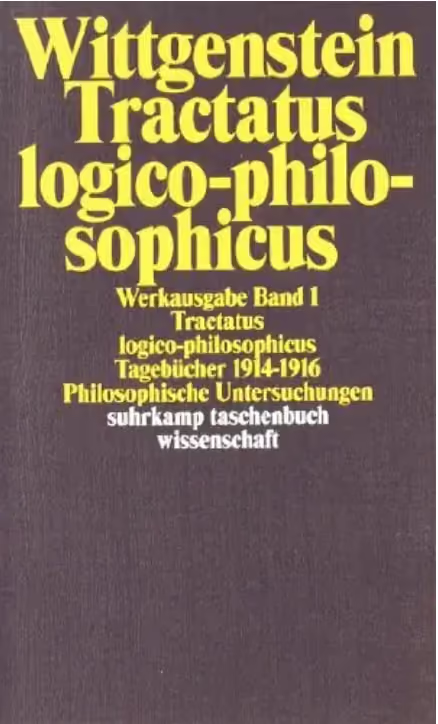
Ludwig Wittgenstein (born 1889 in Vienna, Austria-Hungary; died 1951 in Cambridge, United Kingdom) was an Austrian philosopher. He is considered one of the most significant philosophers of the 20th century.
"I used to think that philosophy could tell you something about life itself—not just something cosmological, but something for actual, real life. Then I came across Wittgenstein, the Tractatus, because it somehow belongs to the genius loci. And there it appears that life cannot be helped by philosophy at all, and that life is not even touched by it. And on the tram, the counterpart occurred to me: Philosophy transforms the incomprehensible into the unintelligible. So much for the Tractatus."
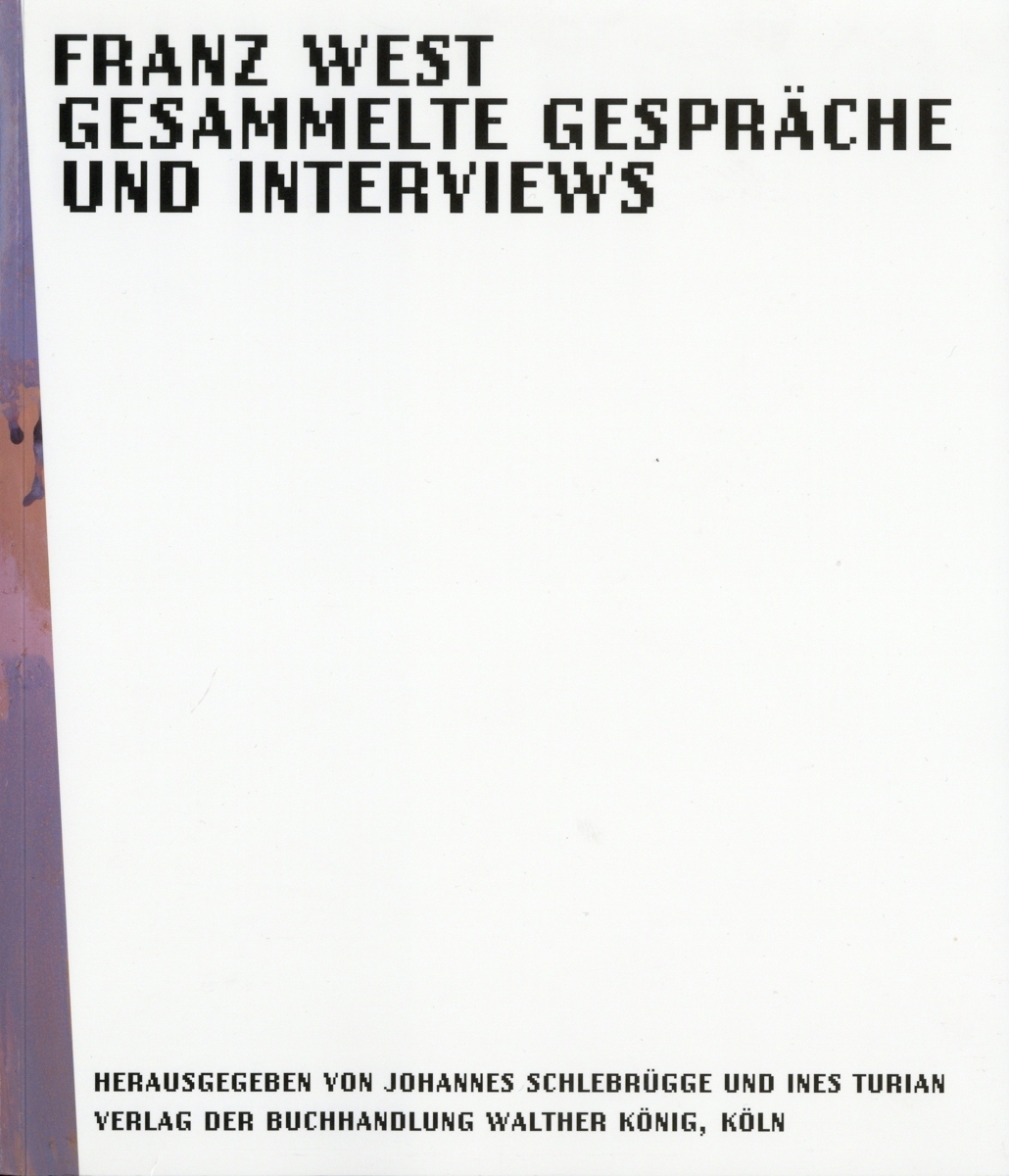
All references to individuals mentioned in the Contexts section can be found in the following publication:
Franz West: Notes: Writings 1975–2011. Edited by Johannes Schlebrügge & Ines Turian. Cologne 2005. 24 x 29 cm. 180 pp. with 142 (97 color) illustrations, bibliography, paperback.

Claes Oldenburg (born 1929 in Stockholm; died 2022 in New York City) was a Swedish-American sculptor.
"And then there were the environments you could walk into: by Oldenburg, but also by Dubuffet and a few others. I was interested in this tactile quality, and I saw it as the future. I wanted more than the satisfaction of just looking, of pure thought as in conceptual art. [...] Even before I started making art myself, I was interested in this idea of entering into art."